
Last updated November 18, 2026
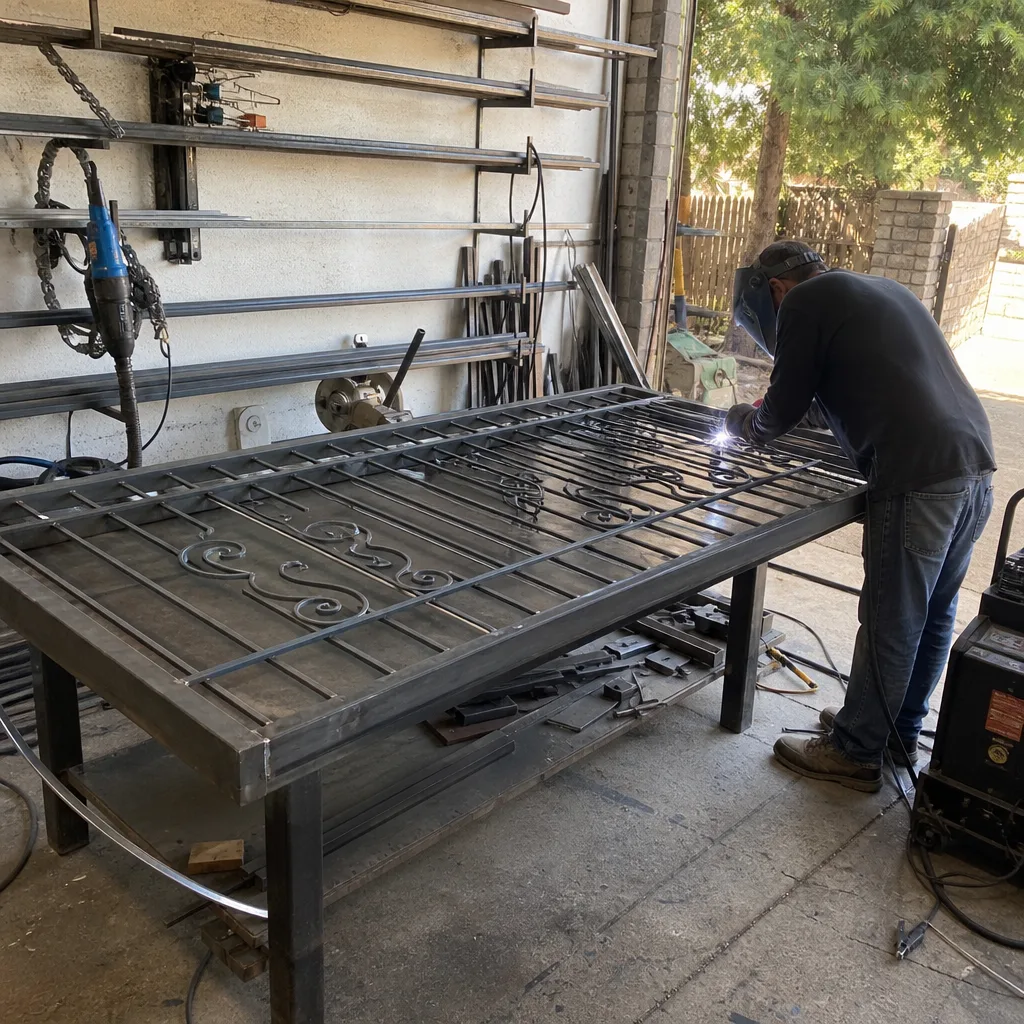
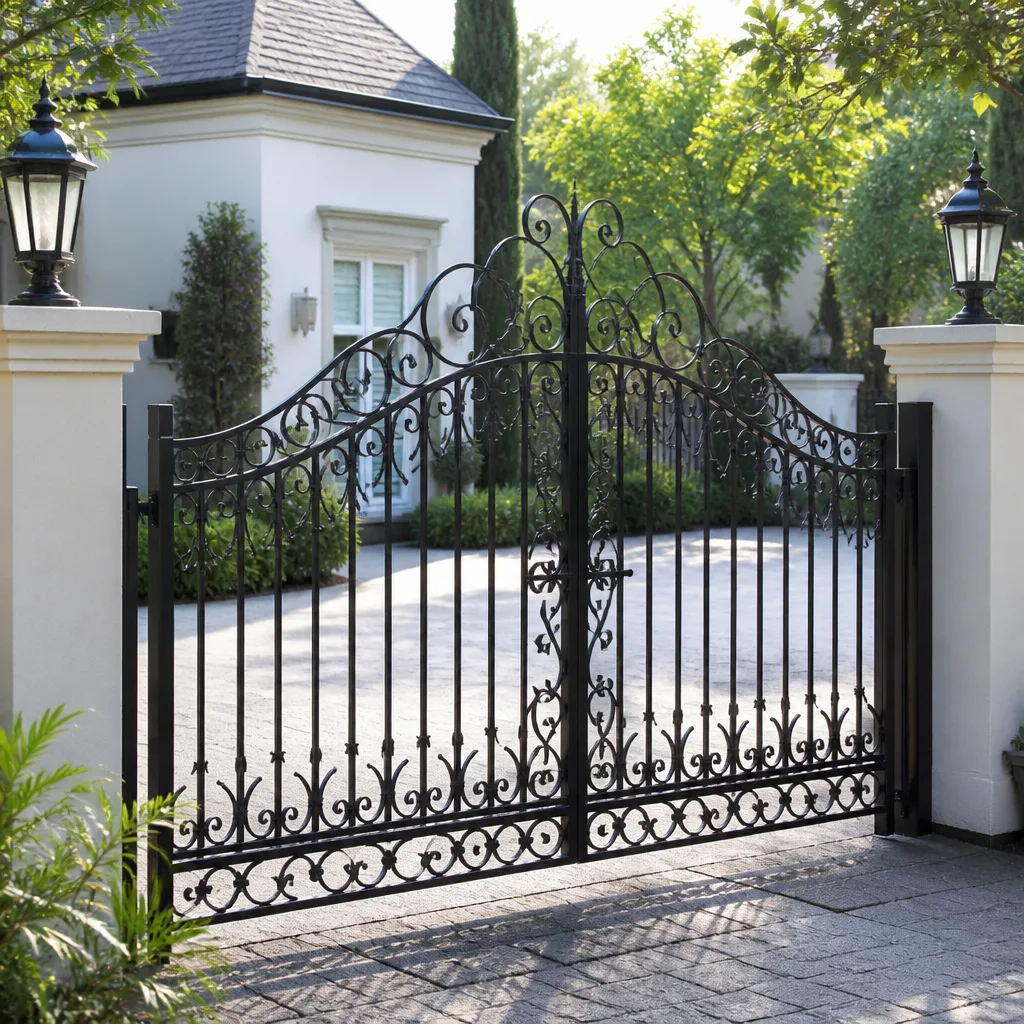 Wrought iron
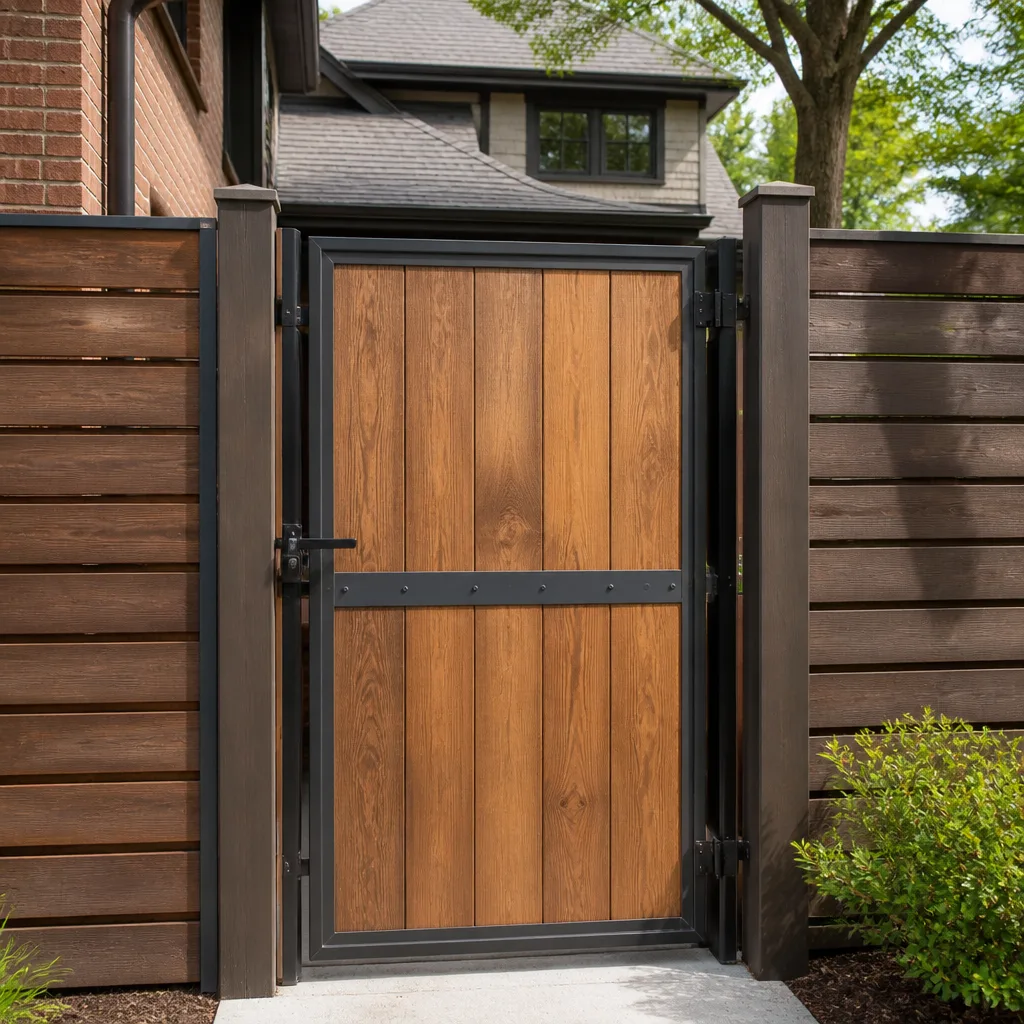 Wood & steel frame
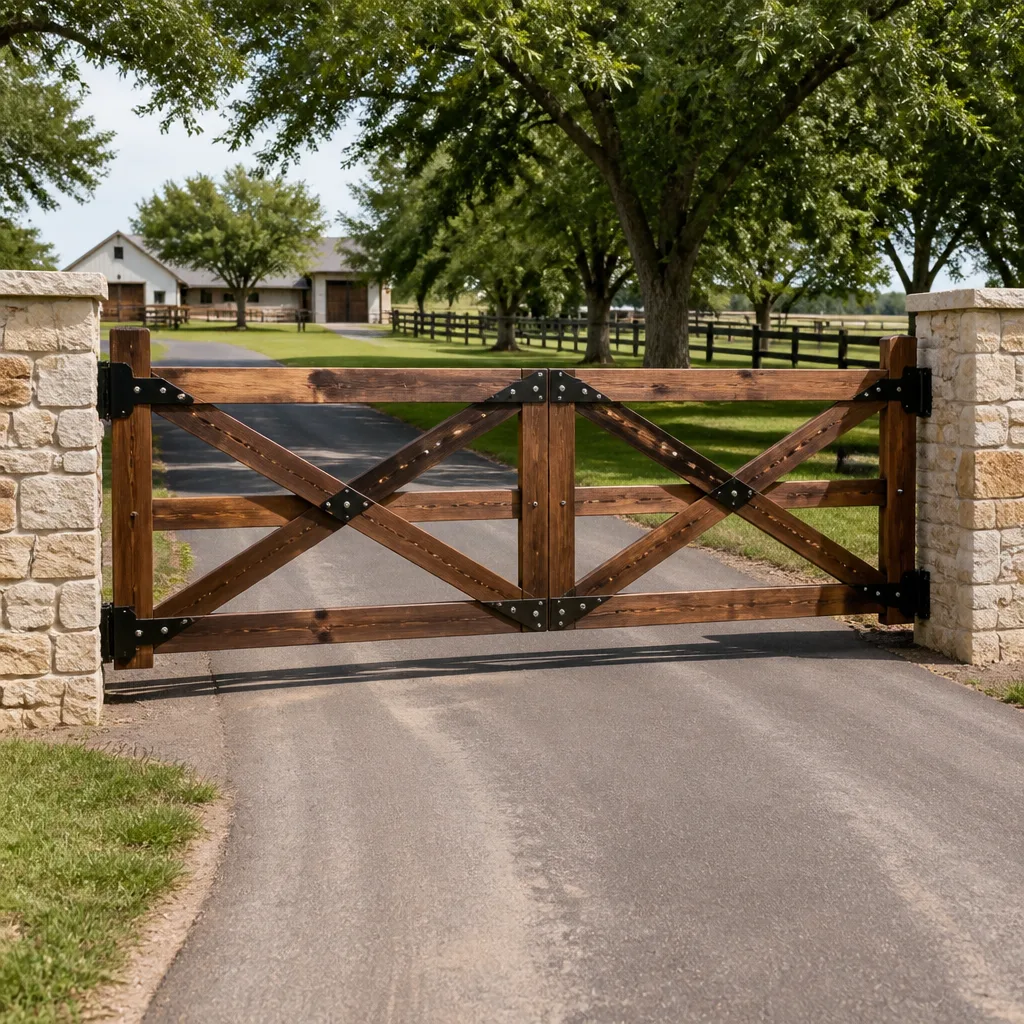 Farm & ranch
 Sliding driveway gates
 LiftMaster operators
Free on-site gate assessment - hinges, posts, and your LiftMaster or Nice gate operator checked before anything is quoted
The assessment is free and the quote is the invoice.
Get your free estimateDIY vs Professional Gate Parts & Welding: What’s Safe to Do Yourself
A harbor freight flux-core welder can lay a bead that looks solid and holds for six months. Right up until a vehicle bumps the gate post, and the repair shatters because it was never fused properly into the base metal. We’ve seen that exact failure in Paradise more than once, and it always costs more to fix than a proper weld would have in the first place. The line between safe DIY and dangerous DIY on gate work isn’t about how confident you are with a tool. It’s about whether the part you’re touching carries load. This guide draws that line clearly: what a handy homeowner can handle, what needs a trained hand, and how to tell whether a professional weld quote is priced for cosmetic touch-up or real structural work.
Quick Answer
Cosmetic and hardware tasks are safe to do yourself: tightening bolts, swapping a latch, repainting, clearing debris from rollers. Structural welds on hinges, hinge posts, and gate frames are not. Those carry the weight of the gate and the safety of anyone standing near it, and a bad weld fails without warning. The rule is simple. If the part moves the gate or holds it up, it’s professional work. If it just makes the gate look or latch better, a careful homeowner can usually handle it.
Styles & brands we work with
- Wrought iron
- Wood & steel frame
- Farm & ranch
- Sliding driveway gates
- LiftMaster operators
Table of Contents
- The Cosmetic vs. Structural Line
- What’s Actually Safe to Do Yourself
- Why Structural Welding Needs More Than a Working Welder
- Liability and Insurance in Nevada
- The Honest Cost Comparison
- How to Read a Professional Weld Quote
- Safe Checks Every Homeowner Should Know
- Common Mistakes to Avoid
The Cosmetic vs. Structural Line
The most useful distinction in gate repair is whether a part is cosmetic or load-bearing. Cosmetic parts make the gate look right or close smoothly. Load-bearing parts hold the gate’s weight, resist wind, and keep it from falling on a person or a car. Homeowners get into trouble when they treat a load-bearing failure as a cosmetic one. A sagging gate isn’t a paint problem. It’s a structural signal.
In our experience across Paradise, the confusion usually starts at the hinge post. A gate sags in the hinge post, not in the middle, and that’s where a repair has to start. When a homeowner sees the gate dragging and reaches for a wrench to tighten the hinge bolts, that’s safe. When the same homeowner sees the hinge plate pulling away from the post and decides to weld it back on with a weekend machine, that’s where the danger begins. The post has shifted, the metal has fatigued, and a surface weld won’t fix either problem.
Here’s how to sort a task in your head before you pick up a tool:
- Cosmetic or hardware: latch, handle, bolts, hinge pin caps, paint, roller debris, decorative caps, signage. Generally safe.
- Structural: hinge plates welded to the frame or post, gate frame welds, post-to-ground connections, any weld that carries the gate’s weight or resists wind load. Professional only.
- Grey area: roller brackets, track alignment, stop plates. Sometimes safe, sometimes not, depending on how the gate is built. When in doubt, treat it as structural.
The gray area is where most DIY injuries and expensive re-repairs happen. If you can’t say for certain whether a part bears load, it does. That’s the safer assumption every time. When you’d rather have someone who knows gates look at it, our Gate Repair in Paradise service starts with diagnosis, not a sales pitch.
What’s Actually Safe to Do Yourself
Plenty of gate maintenance is well within reach for a careful homeowner, and we’d rather you handle the small stuff than pay someone to tighten a bolt. These tasks don’t affect the structural integrity of the gate, and getting them wrong won’t hurt anyone. Getting them right keeps the gate running longer and postpones the bigger repairs.
- Tighten hardware. Hinge bolts, latch screws, handle fasteners, and gate stop screws work loose over time, especially in a climate that swings from desert heat to cold nights. A socket set and a few minutes usually solves a rattling gate.
- Replace latch components. A worn latch, a loose striker, or a sticking thumb latch is a straight swap on most residential gates. Match the part to the gate, and keep the packaging in case it doesn’t fit.
- Repaint or touch up. Rust starts at chips and scratches. Wire-brush the spot, prime it, and paint it. On a Paradise gate, a yearly touch-up saves real money on metal repair.
- Clear debris from rollers and tracks. Dirt, gravel, and leaf litter pack into sliding gate rollers and cause drag. Sweep it out, hose it down, and the gate will glide again.
- Lubricate moving parts. Hinges, latches, and roller bearings benefit from a light application of the lubricant the manufacturer recommends. A little goes a long way; over-lubricating attracts grit.
- Check and reset the safety sensors on an automatic gate. Clearing an obstruction or wiping a dirty photo-eye lens falls in the safe zone. Replacing or rewiring the sensor is a different job.
What these tasks have in common is that none of them require welding, cutting, or working on energized wiring. If the task in front of you involves a grinder, a welder, a torch, or the inside of a control box, stop and get a professional. The money you save isn’t worth the risk. For a spring, hinge, or operator failure you’re not sure about, a second opinion costs nothing here.
Why Structural Welding Needs More Than a Working Welder
A welder is a tool. Welding a gate hinge so it holds under load is a skill, and the gap between the two is where weekend repairs fail. On a structural weld, the metal has to be clean, the joint has to be prepped correctly, and the weld has to penetrate into the base metal, not just sit on top of it. A surface bead can look fine and hold for months. Then it fails all at once.
Here’s what a proper structural weld on a gate involves, and what most DIYers skip:
- Prep. Grinding back paint, rust, and old weld so the new weld fuses to clean base metal. Skip this and the weld is only as strong as the paint underneath it.
- Joint fit-up. A hinge plate has to sit square and flush before welding. A gap-filling weld looks tough and holds poorly.
- Penetration. The weld has to melt into both pieces of metal, not just bridge the top. This is the single hardest thing to get right with a small flux-core machine.
- Post-weld inspection. Checking for cracks, undercut, and stress points before the gate goes back into service.
- Finishing. Grinding smooth, priming, and painting so the weld doesn’t rust. On a Paradise gate in the sun, an unprotected weld starts rusting fast.
We’ve seen gates where a home weld held up until the first hard wind, then a hinge plate let go and the gate dropped. On a driveway gate, that’s a person or a vehicle underneath. Our team does on-site welding so the gate stays in your driveway, and the person welding it has the kind of experience that shows in the joints. That’s part of what our Gatewood Fence & Gate Paradise home is built around.
Liability and Insurance in Nevada
Nevada homeowner’s insurance generally expects the homeowner to maintain the property in safe condition. If a gate you welded yourself fails and injures someone, an insurer can look closely at the repair. That’s not a scare tactic. It’s how claims investigations work. A structural repair done with amateur methods, especially one that leaves no record of who did it or how, is a problem if there’s ever a claim.
A gate is a moving object on your property. It swings, it slides, and it carries weight. When a gate falls on a delivery driver, a visitor, or a kid in the driveway, that’s a personal injury claim. If the insurer sees that the hinge plate was welded by the homeowner, the claim is much harder to defend. In a worse scenario, the insurer could reduce or deny the claim for property damage tied to a non-compliant repair.
A professional weld comes with a paper trail. There’s a written invoice showing the work done, the date, and the business that did it. That matters when someone else is looking at your gate and asking who touched it last. It’s part of why every job we do carries the 90-Day Done Right Promise in writing. If a weld fails, one call brings us back, and there’s no runaround over who’s responsible. That paper trail is worth more than it sounds like until you actually need it.
For an old gate that’s been repaired several times by different hands, that history is exactly what makes a professional inspection worth doing. See what a proper walk-through looks like on our Gate Motor & Opener in Paradise page when the automatic side is involved.
The Honest Cost Comparison
DIY saves real money on the right tasks and can cost double on the wrong ones. That’s the honest version. Tightening hinges, swapping a latch, or clearing a roller is money in your pocket. A structural weld you got wrong is a repair that has to be undone before it can be done right, and undoing a bad weld costs more than starting from clean metal.
Here’s roughly how the math shakes out on a typical repair:
- Your time and materials on a DIY latch swap: modest, and usually a fine outcome.
- Your time and a small welder on a structural hinge: looks cheap until it fails, then you pay for grinding it out, prepping the base metal, and welding it properly. That’s the double-cost repair.
- A professional repair on a cosmetic or structural weld: priced once, upfront, and done right the first time with a written invoice.
The scenario that costs the most is the middle one. A homeowner who’s reasonably handy gets the weld done, it holds for six months, then fails in the wind, takes out part of the frame, and now the gate needs both a weld and a frame repair. We’ve seen this story enough times to say it plainly. Ask a professional what a structural repair costs before you talk yourself into doing it yourself. And a free second opinion on any written estimate is always available, so you can compare a quote from another company with one from us before you decide.
Standing offers you don’t have to haggle for: $40 off any repair over $200, no trip charge inside the county, and a permanent 10% discount for seniors and veterans. Those apply whether the job is a small hardware fix or a full hinge re-weld.
How to Read a Professional Weld Quote
Not every weld a professional quotes is structural, and not every weld is cosmetic. Those should be priced differently, and a good pro will explain why. If you get a weld quote and can’t tell which kind of work you’re paying for, ask. The answer tells you whether you’re dealing with someone who knows gates or someone who quotes by the hour.
Here’s what to look for in a quote you can trust:
- The quote says what’s being welded. Hinge plate to frame, post to base, gate frame repair, or a touch-up. If it just says “weld gate,” ask for the specific part.
- The quote explains the prep. A structural weld quote includes grinding back old weld and paint. A cosmetic quote often doesn’t.
- The price reflects the work. Structural repairs take longer, need more prep, and should cost more. A quote that treats a hinge re-weld like a paint touch-up is a red flag.
- The quote is upfront and written. The price you agree to is the price you pay. We don’t change it at the door.
- The quote carries a guarantee. Any job we do is backed by the 90-Day Done Right Promise in writing, not buried in fine print.
The other question worth asking: is the repair appropriate for the gate, or is the gate at the point where a full re-hang or replacement makes more sense? A pro who repairs what can be repaired will tell you that honestly. A gate with three previous weld repairs on the same hinge might be better off with a fresh hinge plate, or it might be a case for Gate Installation in Paradise rather than another weld on the same weak metal.
Safe Checks Every Homeowner Should Know
You can learn a lot about your gate’s health in a couple of minutes without picking up a tool. These checks help you decide when a repair is small and when it needs a call. We run through them on every job because they tell us where a gate is heading before it fails.
- Open and close the gate slowly and watch where it sags. If it drops at the hinge side, the hinge or hinge post is the problem. If it drags at the latch side, the post may have moved or the frame has fatigued.
- Watch the gate close on its own. A gate that swings shut without help is telling you the post is out of plumb. That’s a post issue, not a hinge issue.
- Look at the welds at the hinge plates and frame. Hairline cracks, rust streaks from a weld, or a hinge plate that looks lifted off the post are all signs of a structural problem.
- Check the ground at the hinge post. A post that’s moving in the soil, or a base that looks disturbed, is a foundation issue that a fresh weld won’t solve.
- Test the safety sensors on an automatic gate by walking through the beam. If the gate doesn’t stop or reverse, that’s an immediate call. Ghost Controls and Viking operators both have sensor setups that fail in specific ways, and a trained eye can spot them fast.
Notice anything on that list that points to a structural issue and you’ve found the work that should stay out of your own hands. Everything else is fair game.
Common Mistakes to Avoid
- Welding a hinge plate without prepping the metal. Skipping the grind means the weld sits on paint and rust, and it will crack. In Paradise’s heat, that failure often shows up on the first cold night.
- Fixing the hinge and ignoring the post. Fix the panel without the post and you’ll fix it twice. The post is where the sag starts, so start there.
- Using the wrong rod or wire on the wrong metal. Aluminum and steel need different welding setups. Mix them up and the weld fails quietly.
- Covering a bad weld with paint and calling it done. A quick coat hides the problem until it fails. It also makes the real repair harder to diagnose.
- Replacing parts that don’t need replacing. A latch that just needs a screw tightened becomes a billed part if you’re not looking closely. Most gate hardware lasts longer than people think.
- Working on an energized automatic gate without isolating power. A DoorKing or Elite operator holds a charge even after the switch is off. This is a job for someone who knows the control box.
- Assuming a weld that looks solid will hold. A harbor freight flux-core machine can lay a pretty bead that never fused into the base metal. The failure comes without warning, and that’s the dangerous part.
See the difference
 Before
 After
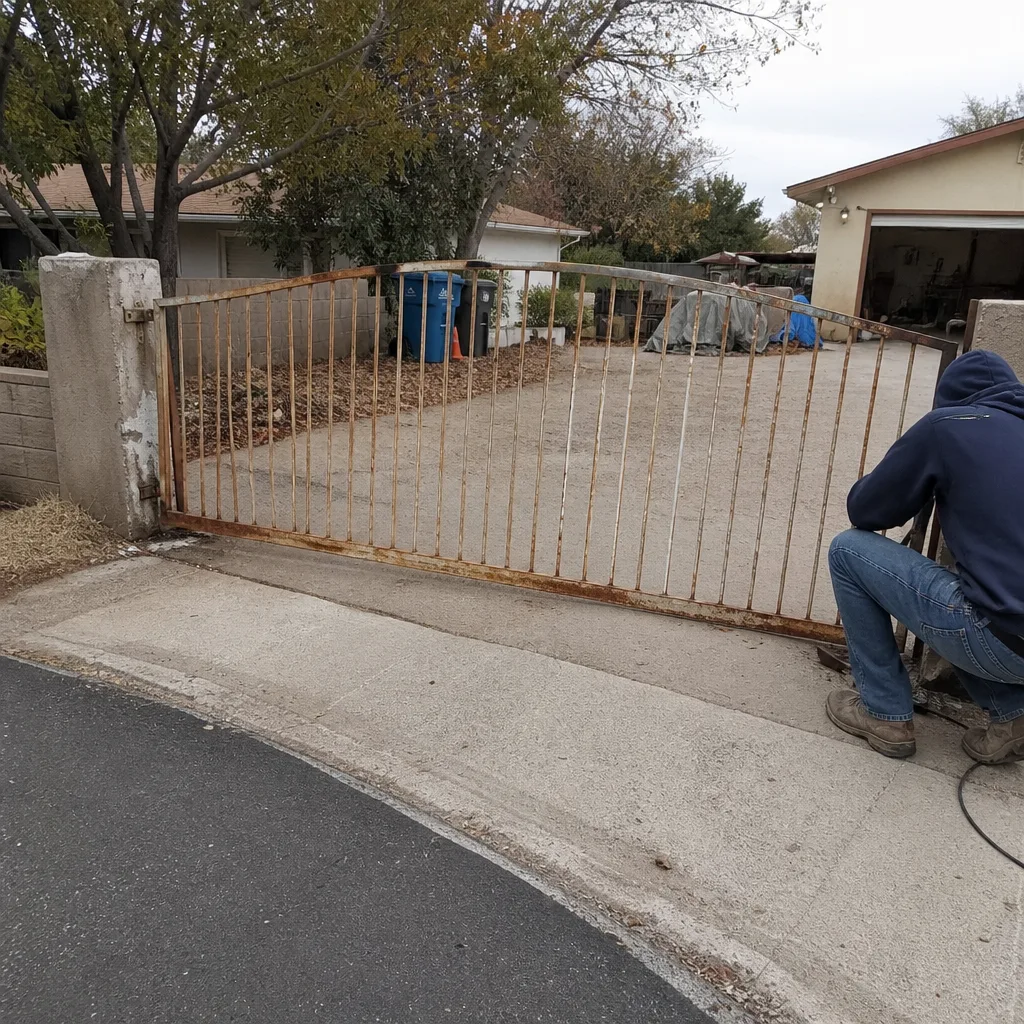 Before
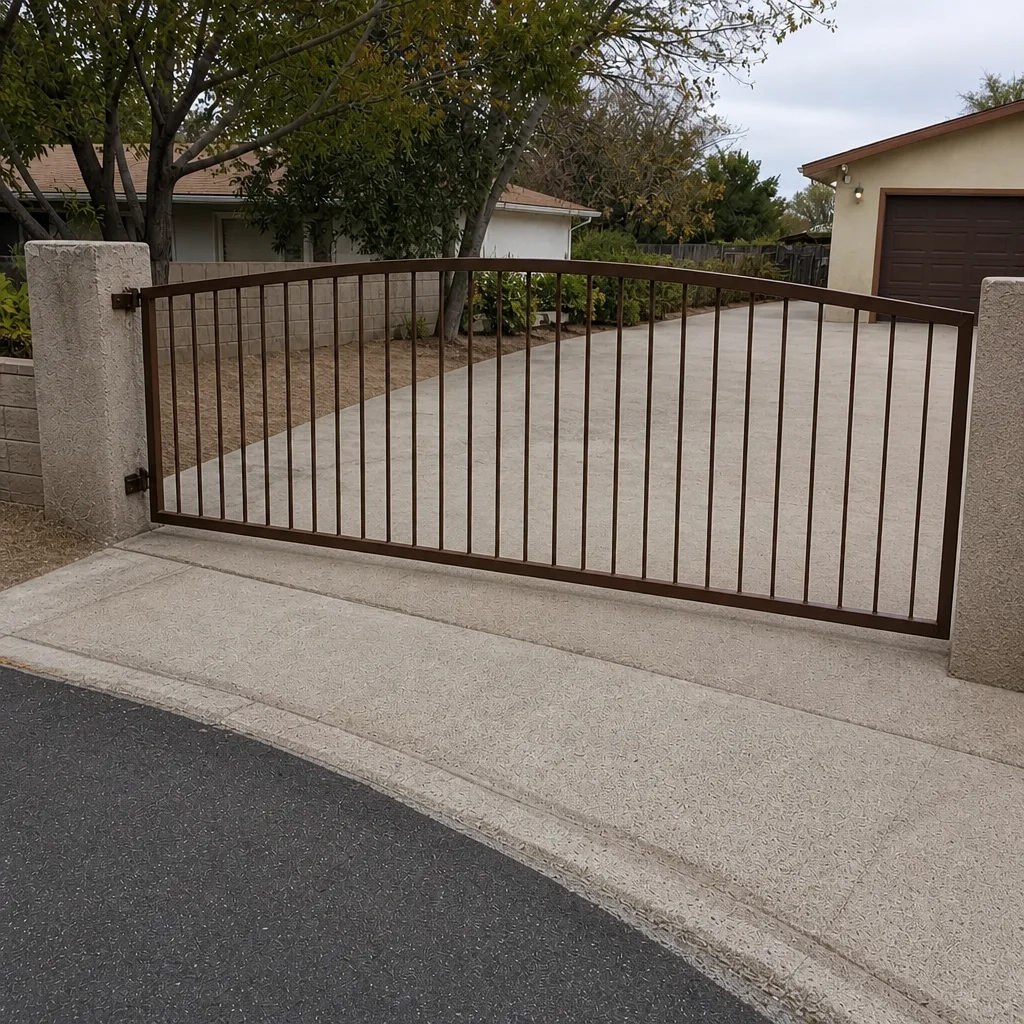 After
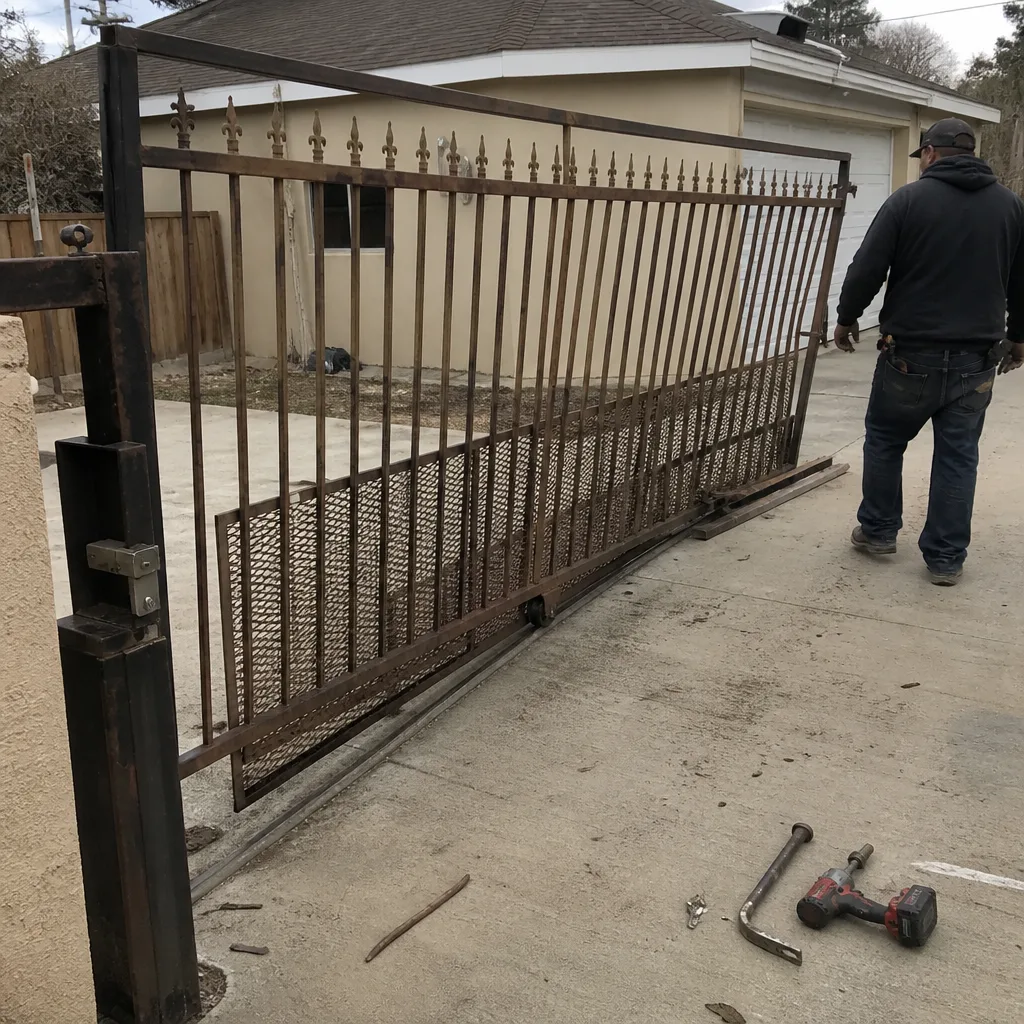 Before
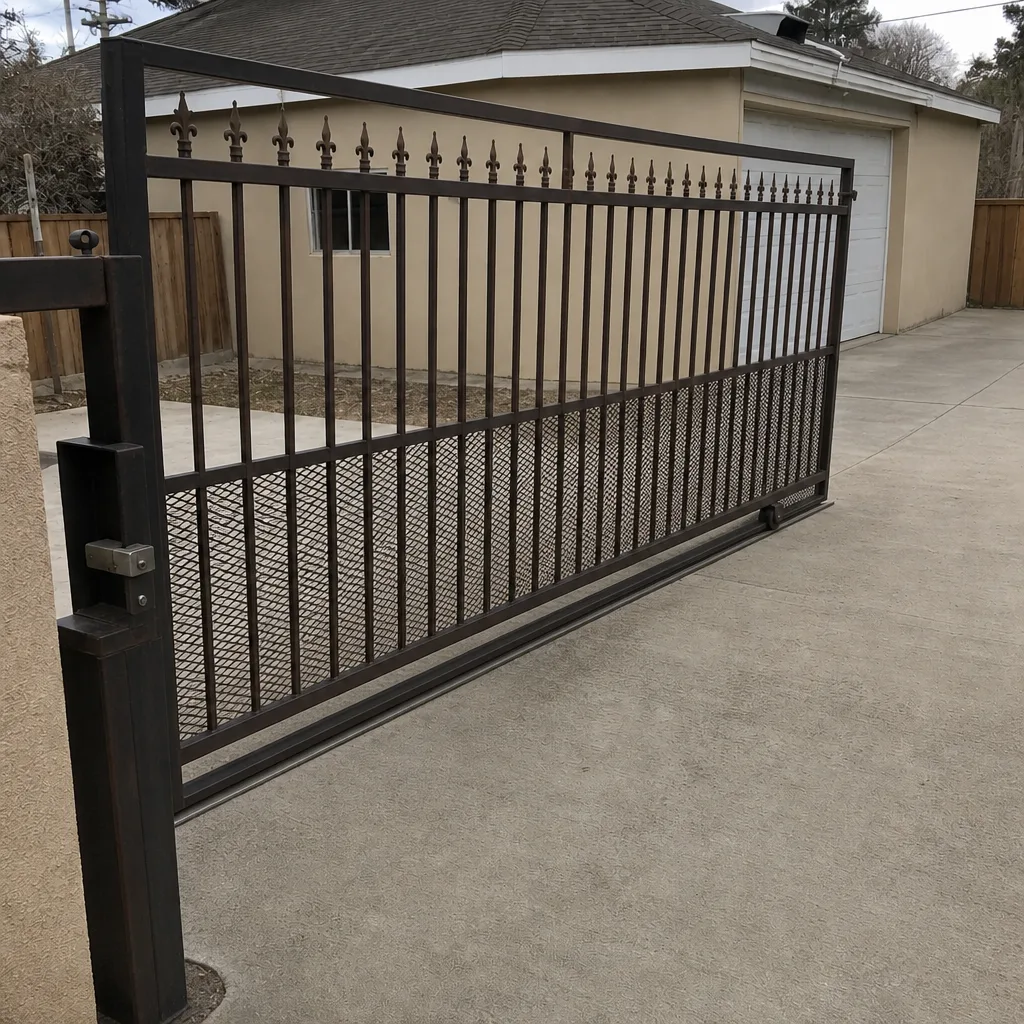 After
When to Call a Professional
Call us when the part you’re looking at carries load, when the gate has moved in the ground, when the weld has cracked, or when an automatic operator misbehaves. Those are the four situations where DIY turns expensive or dangerous. We’ve seen every one of them go sideways in Paradise, and we’d rather fix it properly the first time than undo a failed attempt.
The person who shows up is background-checked and certified to service nine major gate brands, including LiftMaster, FAAC, BFT, Linear, Viking, Ghost Controls, DoorKing, Elite, and Mighty Mule. That matters on the motor and safety side, where a gate that looks fine but doesn’t stop on a sensor can hurt someone.
Gatewood Fence & Gate Paradise offers free estimates in Paradise. Call (888) 292-7536 for a free estimate, and a live person answers around the clock. If a weld or a hinge has you in doubt, we’ll tell you whether it’s a small fix or a structural repair before any work starts, and the price you agree to is the price on the invoice.
Frequently Asked Questions
No. A gate hinge carries the weight of the gate and the safety of anyone standing near it, so a failed weld can drop the gate without warning. A weekend welder can lay a bead that looks solid for months and then fails all at once. That’s exactly the kind of structural repair that belongs in professional hands.
Tightening hinge and latch hardware, replacing a worn latch, touching up paint and rust, clearing debris from rollers and tracks, and lubricating moving parts are all safe for a careful homeowner. None of them require welding, cutting, or opening a control box, so getting them wrong won’t hurt anyone.
If the weld carries the gate’s weight, holds it to the post, or resists wind and motion, it’s structural. If it holds a decorative panel, a cap, or a cover in place, it’s cosmetic. When you can’t tell the difference, assume it’s structural and get a professional opinion.
On cosmetic work, sometimes. On structural work, usually not. A failed structural weld has to be ground out and re-prepped before it can be fixed properly, and that’s the repair that ends up costing twice what the proper weld would have. A free second opinion on any written estimate makes that decision easy to check.
Yes. Every job we do carries the 90-Day Done Right Promise in writing. If the work isn’t done right, one call brings us back at no charge and we make it right. There’s no fine print and no runaround.
Nevada homeowner’s insurance can look at a non-professional structural repair when investigating a claim, and that repair history can make a claim harder to defend. A professional weld comes with a written invoice showing who did the work and when, which is a real advantage if a gate is ever part of a claim.
The Bottom Line
The line on gate work is drawn at whether the part is cosmetic or load-bearing. Tightening hardware, swapping a latch, repainting, and clearing rollers are safe for a careful homeowner. Structural welds on hinges and posts are not. A confident homeowner with a working welder is the most dangerous kind of gate repairman, because a bad weld looks fine until it fails. The math works in DIY’s favor on small jobs and against it on structural ones. If you’re not sure which side of the line you’re on, get a second opinion before you pick up a tool. The name is on the shop, the shop is in Paradise, and the number is (888) 292-7536. Call for a free estimate.
Written by the team at Gatewood Fence & Gate Paradise.