
Last updated November 18, 2026
 Wrought iron
 Wood & steel frame
 Farm & ranch
 Sliding driveway gates
 LiftMaster operators
Free on-site gate assessment - hinges, posts, and your LiftMaster or Nice gate operator checked before anything is quoted
The assessment is free and the quote is the invoice.
Get your free estimateGate Access Control Maintenance Schedule: What to Do and When
The number-one reason keypads and card readers fail in Paradise isn’t age. It’s alkaline battery corrosion from sitting through a 115-degree July with the wrong battery brand installed. We’ve pulled readers off posts in Paradise that were only three years old and found the backup battery swollen and leaking onto the control board. The board wasn’t the problem. The battery was. Most access control failures follow a predictable decay pattern tied to Mojave dust cycles and summer heat spikes, and a simple seasonal calendar prevents almost all of them. What follows is the exact schedule we use on our own gates, month by month. No fluff.
Quick Answer
For gate access control in Paradise, service the system four times a year: a spring deep-clean and battery check before the heat arrives, a mid-summer dust and lens cleaning in July, a fall pre-winter inspection and battery swap in October, and a winter wiring and weatherstripping check in January. Clean sensor lenses and keypads every 60 to 90 days during dust season, and replace backup batteries every 18 to 24 months in desert heat, which is faster than most manufacturer labels suggest.
Styles & brands we work with
- Wrought iron
- Wood & steel frame
- Farm & ranch
- Sliding driveway gates
- LiftMaster operators
Table of Contents
- Why Mojave Dust Wrecks Access Control (and the Cleaning Interval That Stops It)
- The Spring Checklist: Get Ahead of the Heat
- Summer in Paradise: The Tasks That Save Your Readers
- The Fall Checklist: Before the First Cold Snap
- Backup Battery Swaps: Desert Heat vs. the Label
- Building a Maintenance Log a Technician Can Actually Use
- Tasks That Void a Warranty vs. Tasks You Should Do Yourself
Why Mojave Dust Wrecks Access Control (and the Cleaning Interval That Stops It)
Dust in Paradise is not the same dust you sweep off a porch in a wetter climate. It’s fine, alkaline Mojave silt that hangs in the air after a wind event and settles into every seam on a keypad or card reader. The damage happens in two places. First, wiring harnesses: dust collects at the connector pins, and when the first monsoon humidity or a sprinkler hit introduces moisture, that dust turns into a mildly conductive paste that bridges pins and causes phantom reads. Second, sensor lenses: a film of silt scatters the infrared beam, so the gate hesitates, reverses, or reads a loop that isn’t there.
The cleaning interval that stops it is every 60 to 90 days during the dusty months, which in Paradise runs roughly March through June and again in September and October. Here’s what that cleaning actually involves:
- Wipe sensor lenses with a dry microfiber cloth, then a slightly damp one, then dry again. No solvent on a polycarbonate lens.
- Blow out keypad seams and connector housings with canned air, holding the can upright so propellant doesn’t spit.
- Inspect wiring harnesses at the post where dust collects most, and reseat any connector that looks filmed.
- Check the gasket on outdoor readers. A cracked gasket is the single biggest reason dust gets inside the housing.
If you’re running a gate motor and opener system alongside your access control, that hardware collects the same silt and deserves the same wipe-down on the same schedule. In our experience, the homeowners who keep to a 90-day cleaning rhythm get five to seven years out of a reader. The ones who skip it usually replace the reader in two.
The Spring Checklist: Get Ahead of the Heat
Spring is the most important maintenance window of the year in Paradise, and it has to happen before the first 100-degree week, not after the system starts acting up. The reason is simple: heat doesn’t break things on its own. Heat breaks things that were already stressed. A dusty wiring harness, a battery that’s near the end of its life, a gasket that’s dried out. All of that is fine at 85 degrees and all of that fails at 112. Do the work in March and April so the system is ready when the heat lands.
- Deep-clean every reader and keypad. Full lens and connector cleaning as described above.
- Inspect wiring harnesses end to end. Look for cracked insulation at the strain relief where the cable enters the post. Heat-hardened insulation cracks in spring before it fails in summer.
- Test the backup battery under load. A battery that reads 12.8 volts on a meter can still fail under load. Test it with the gate operating.
- Check the power supply and any surge protection. Spring wind events in Paradise knock down branches onto overhead runs.
- Verify every credential still works. Fobs, cards, PINs, and remote buttons. A dead fob is easier to replace in April than during a July heat emergency.
While you’re at it, walk the whole gate and check the hinges and posts. A sagging gate loads the operator harder, and a hard-working operator plus 110-degree heat is a burned-out motor waiting to happen. That’s the kind of thing we look at on every service call.
Summer in Paradise: The Tasks That Save Your Readers
Once daytime highs sit above 105 in Paradise, you don’t want to be standing outside working on the system. The summer schedule is light by design: quick cleanings and visual checks, done in the early morning. The July pass matters most because that’s when dust from wind events and the wear from constant heat overlap.
- Mid-summer lens and keypad cleaning (60 to 90 day interval). Dry cloth only, early morning before the metal gets hot.
- Listen for the operator slowing or scraping. Heat thins lubricant. If the gate drags, the reader isn’t the problem.
- Check reader temperature by touch. An outdoor reader housing that’s too hot to hold a hand on for three seconds is running hot, and the electronics inside are cooking.
- Watch for out-of-schedule openings. A gate that opens on its own in summer heat is usually a failing loop detector or a dust-bridged connector, not a ghost.
We get calls every August from homeowners in Paradise convinced their system has been hacked. Nine times out of ten it’s a dust bridge on the harness or a heat-stressed board, not security. A gate repair service call sorts the real problems from the heat-related ones quickly, and if it’s a sensor or a loop we can usually sort it in a single trip.
The Fall Checklist: Before the First Cold Snap
Fall in Paradise is the second big maintenance window. The heat eases, cold nights arrive, and materials contract after a summer of expanding. Everything you didn’t get to in spring, you get to now, before the first hard cold snap makes brittle parts snap. The key autumn work is a full inspection and the battery swap, which we’ll cover in the next section.
- Full visual inspection of every housing, gasket, and seal. Replace any cracked gasket so winter dust and rain don’t get inside.
- Weatherstripping and sealing check. If your reader is on a post near an irrigated landscape, check for water intrusion.
- Wiring harness inspection (second of the year). Look for any wear from summer heat.
- Verify gate operator limits and safety edges. Cold weather stiffens gate hardware, so adjust for it now.
- Replace backup batteries if they’re due. See the interval discussion below.
Fall is also the time to think about whether your gate hardware is aging out altogether. If you’re running an older operator and seeing more repairs than usual, a gate installation conversation may be worth having before winter. Cold is unkind to tired equipment.
Backup Battery Swaps: Desert Heat vs. the Label
Here’s the thing most manufacturer labels get wrong: they’re written for a generic climate, not for Paradise. A backup battery in an access control system is typically a sealed lead-acid or a lithium pack, and both degrade faster at high ambient temperatures. The rule of thumb the industry uses is that every 15 degrees above 77 cuts battery life roughly in half. In a Paradise summer, a reader housing or an operator cabinet can sit well above that for weeks.
What that means practically:
- A battery the label says is good for four to five years should be replaced every 18 to 24 months in Paradise.
- Test under load at the spring visit and the fall visit, not just once a year.
- Replace swollen or leaking batteries immediately, and don’t buy the cheapest alkaline brand for a reader that lives outdoors. Brand and chemistry matter more than price in heat. The wrong alkaline, sitting through a 115-degree July, is what corrodes the board.
- If you’re on a DoorKing or Elite system with a sealed cabinet, the battery lives in a hotter box than a post-mounted reader, so lean toward the shorter end of the interval.
If you’re unsure what battery your system uses or how old the current one is, that’s a five-minute check for a trained eye. Fresh backup batteries also protect the control board if the power drops during a monsoon.
Building a Maintenance Log a Technician Can Actually Use
A maintenance log is not a chore. It’s what lets a technician skip the guesswork when something fails. When we get called to a gate that won’t open in Paradise, the single most useful thing a homeowner can hand us is a written record: what was done, when, and what the system did afterward. Without it, we start from scratch. With it, we can often spot the pattern in a single visit.
Keep the log simple. A notebook in the house or a notes app on your phone, and four columns:
- Date of the task or visit.
- What was done (cleaned lenses, swapped battery, reseated harness, adjusted limit).
- What the system did before and after (e.g., “gate hesitated on the way back, cleared after lens cleaning”).
- Who did it (self, or the service that came out).
Note the weather on the day a problem first appeared. In Paradise, a failed read that shows up only on 110-degree afternoons points somewhere different than one that shows up after a windstorm. That single note can cut a diagnostic visit in half. A well-kept log is also the strongest evidence you have if a manufacturer warranty question comes up.
Tasks That Void a Warranty vs. Tasks You Should Do Yourself
Not all maintenance is equal. Some of it you should absolutely handle yourself, and some of it will void your manufacturer warranty if you go at it with the wrong tools. Knowing which is which saves money and arguments later. This isn’t legal advice; read the warranty card that came with your system, and when in doubt, ask before you touch.
Handle these yourself:
- Wiping lenses, keypads, and housings with a dry cloth.
- Blowing dust out of seams and connectors with canned air.
- Replacing a backup battery if the manufacturer allows user-replacement (many do).
- Keeping the maintenance log.
Leave these to a trained professional:
- Opening a sealed control cabinet or operator housing. Breaking the seal can void the warranty outright.
- Replacing the control board or any internal electronics.
- Adjusting gate operator limits, force settings, or safety edges.
- Any work on the 120-volt power run to the system.
Wiring and electrical work on an access control system is genuinely dangerous. A mis-wired power run can shock you or damage the equipment. We recommend a licensed electrician or a trained gate technician for anything past the battery and the cloth. That’s a standard we hold ourselves to on every job.
Common Mistakes to Avoid
- Cleaning with a wet rag on a hot afternoon. Water on a hot polycarbonate lens in Paradise can crack it. Wipe dry and early.
- Skipping the spring cleaning because the system “still works.” It works until the first 110-degree week. Do the work in March and April, not after it fails.
- Buying the cheapest alkaline battery you can find. That’s exactly what corrodes the board over a Paradise summer. Buy the right chemistry and brand for the application.
- Breaking the seal on a sealed cabinet to “take a look.” That can void your warranty before you find the problem.
- Ignoring a cracked gasket. It’s a two-dollar part that lets a hundred-plus-dollar reader fill with dust.
- Never writing anything down. A log makes the next service call faster and cheaper.
- Assuming every weird opening is a hack. In Paradise, most of them are dust or heat.
See the difference
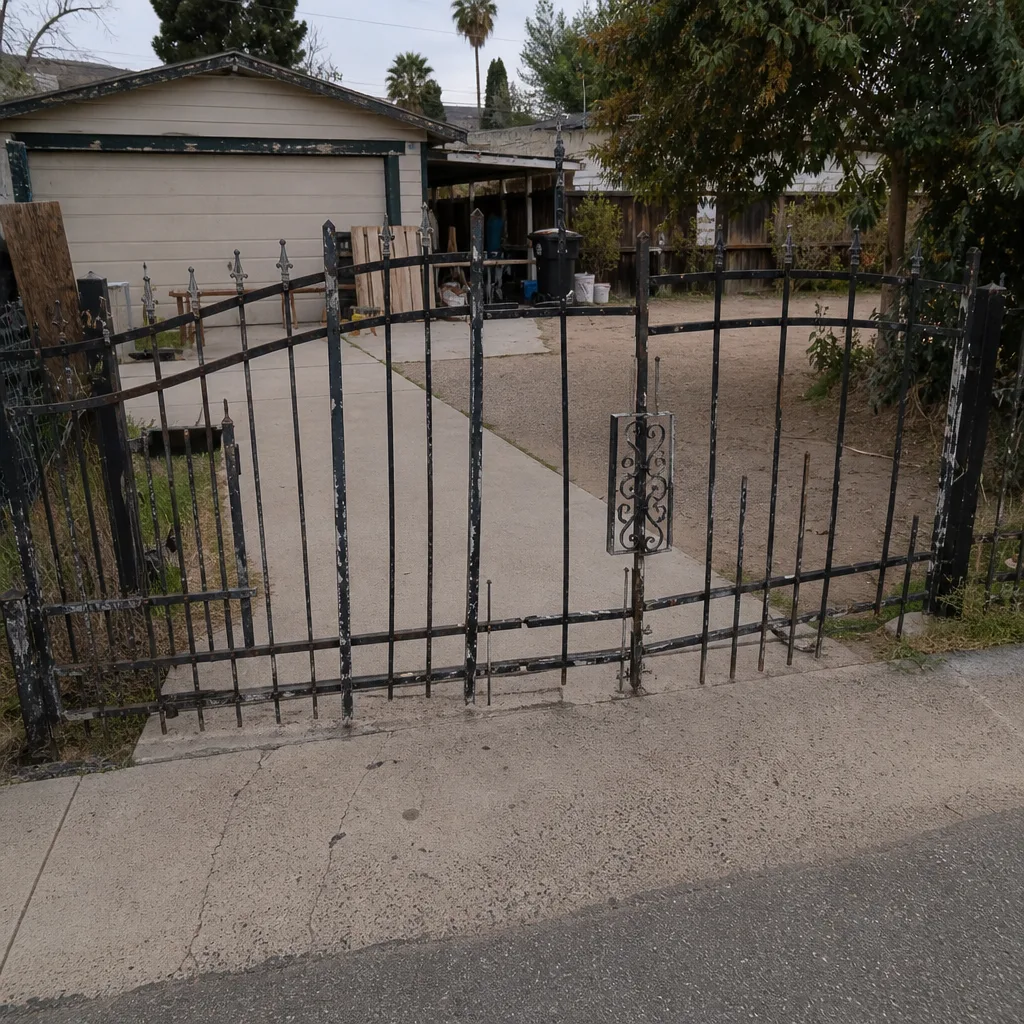 Before
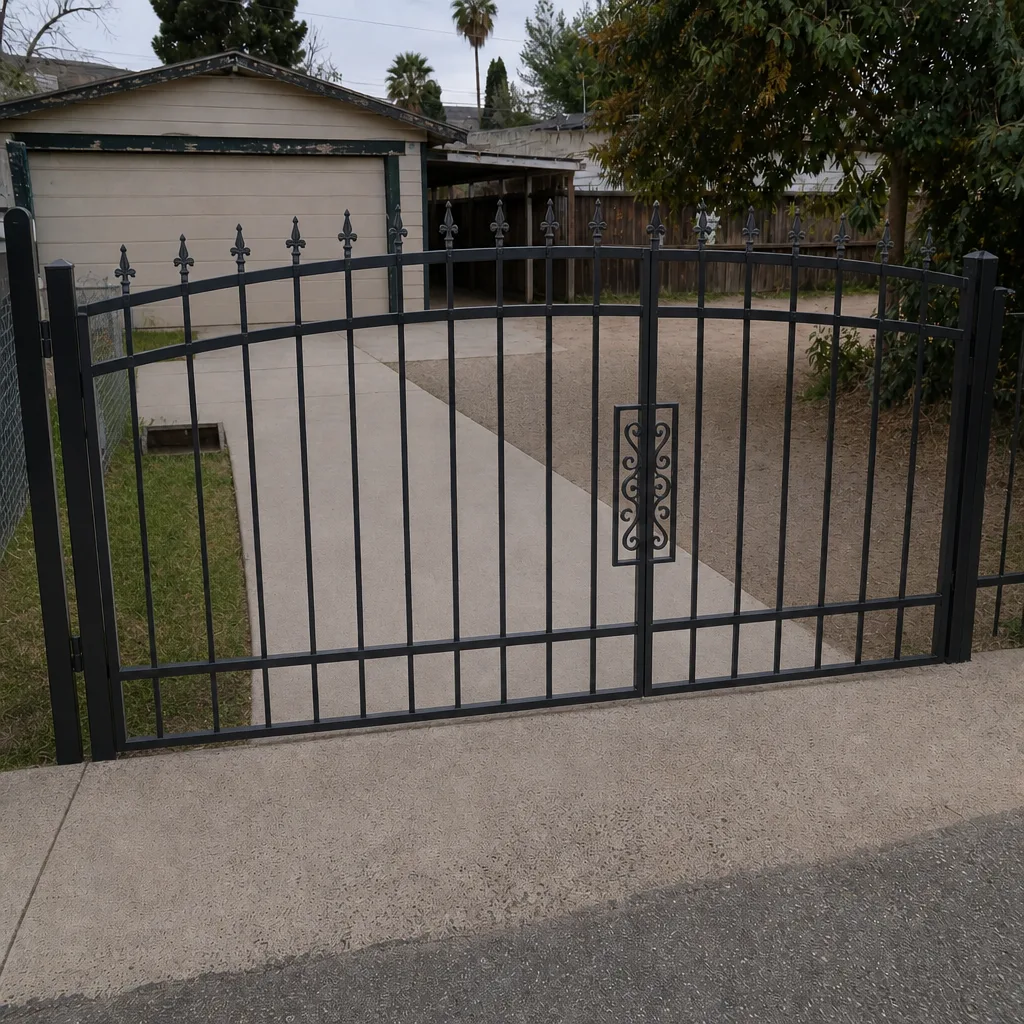 After
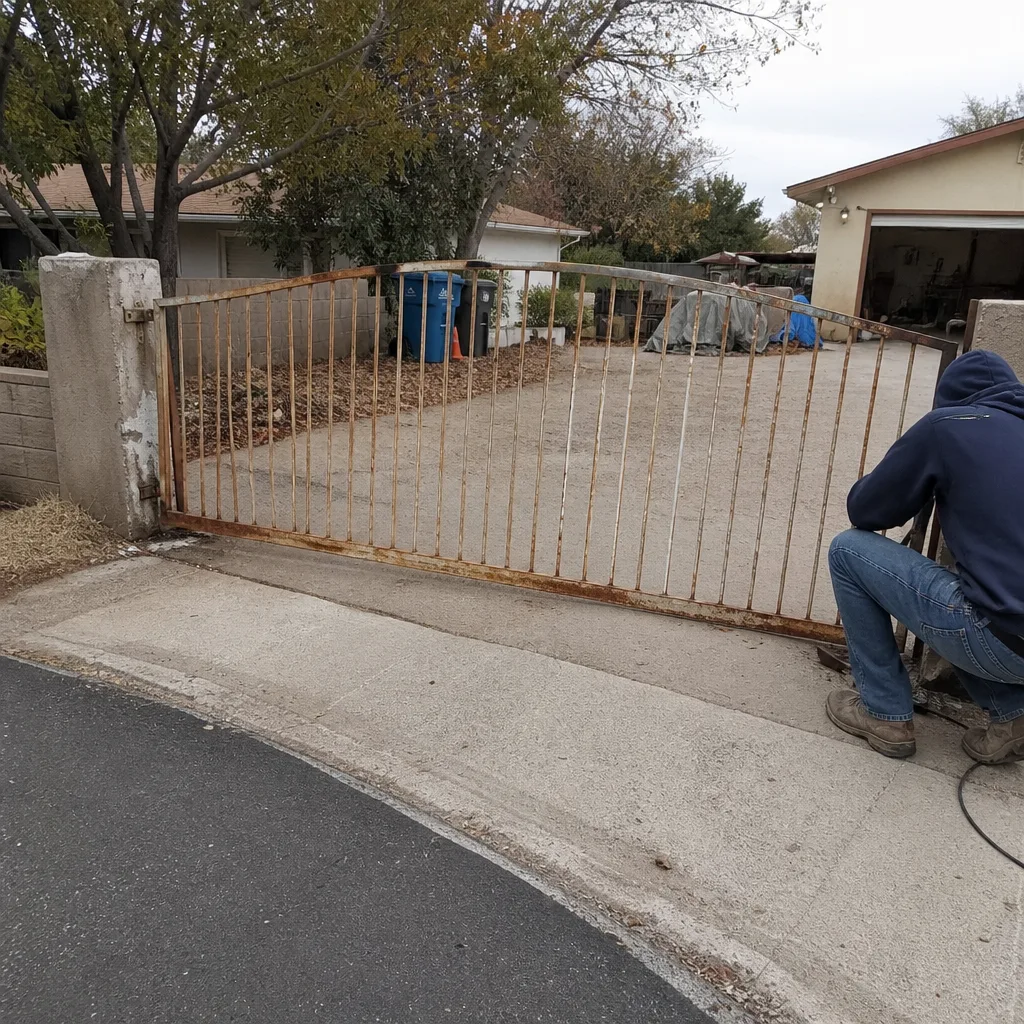 Before
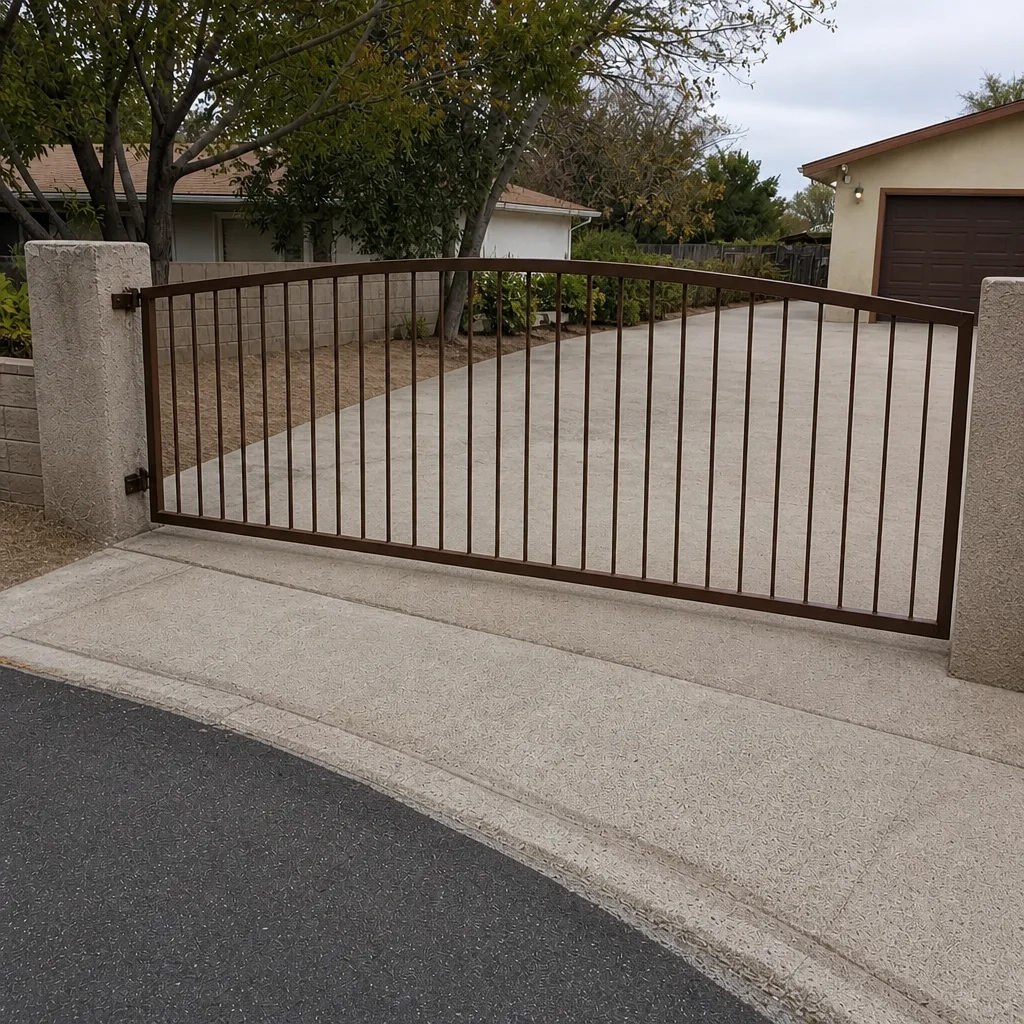 After
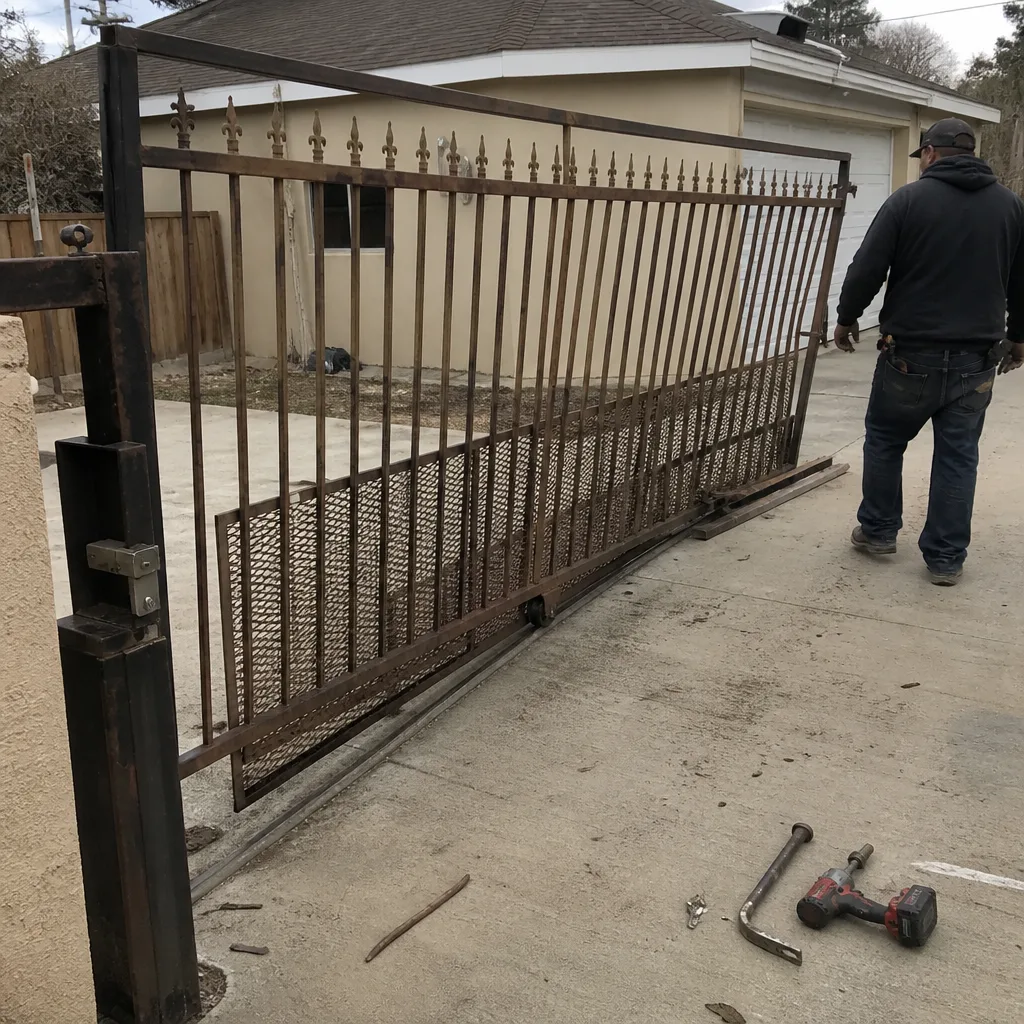 Before
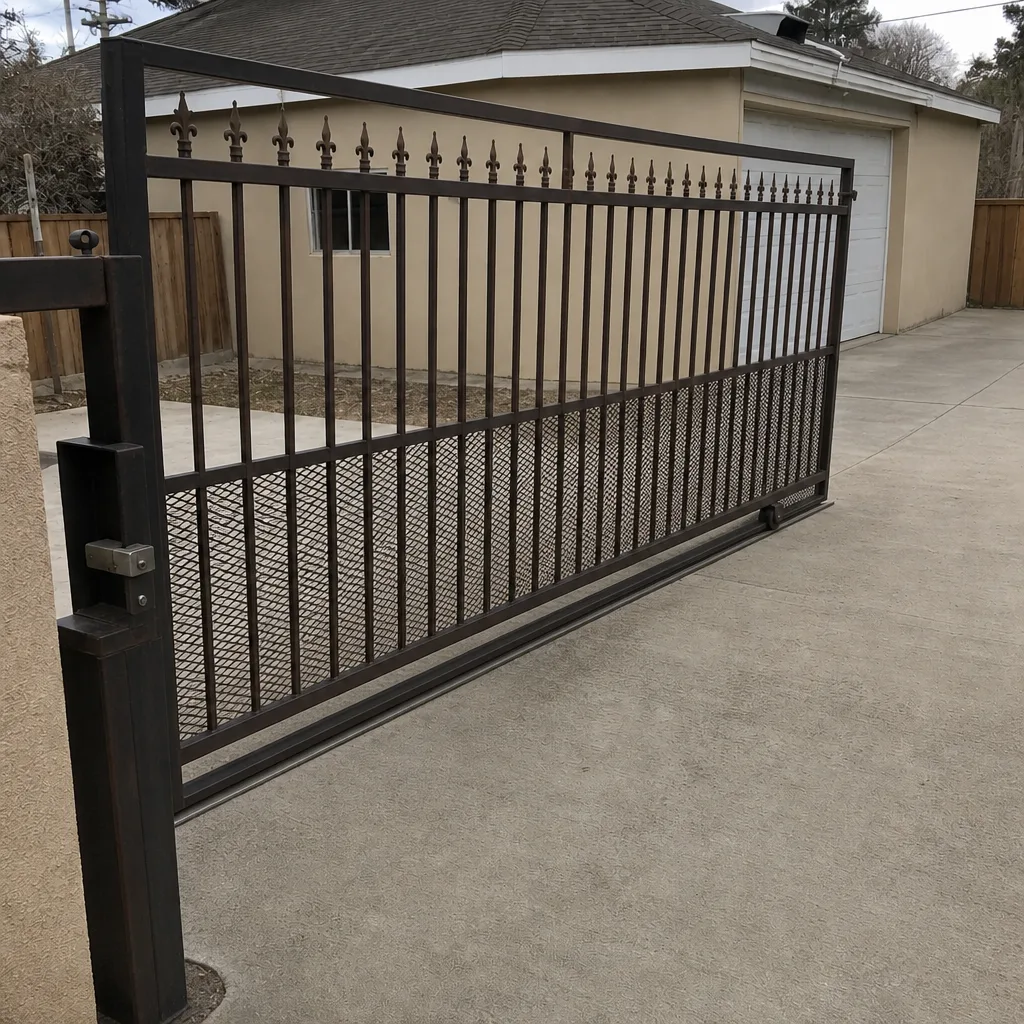 After
When to Call a Professional
Call a pro if the control cabinet is sealed, if the system is on a 120-volt power run, if a reader is failing intermittently and you’ve already cleaned it, or if your gate opens on its own in hot weather and keeps doing it after a cleaning pass. Failure after a monsoon, a reader that heats up to the touch, and an operator that’s slow or dragging are all worth a professional look. Gatewood Fence & Gate Paradise offers free estimates in Paradise and can take a look before anything small grows into a replacement. Our team has up to 25 years of experience, and calls are answered by a live person around the clock. Call (888) 292-7536.
Frequently Asked Questions
Clean sensor lenses, keypads, and housings every 60 to 90 days during the dusty months, which in Paradise runs roughly March through June and again in September and October. A full deep-clean in spring and fall rounds out the year. Call (888) 292-7536 for a free estimate if you’d rather have it done.
Every 18 to 24 months in Paradise, because desert heat roughly halves battery life compared to the manufacturer’s label. Test the battery under load at both the spring and fall visits. Call (888) 292-7536 if you’re not sure how old yours is.
Usually a dust-bridged wiring connector or a failing loop detector stressed by summer heat, not a security breach. A cleaning pass often clears it. If it keeps happening after a cleaning, call (888) 292-7536 and we’ll take a look.
Not by wiping lenses and connectors or replacing a user-replaceable battery. You can void it by opening a sealed control cabinet or by touching the internal electronics. When in doubt, check your warranty card, then call (888) 292-7536 for advice.
Yes. Fine Mojave silt collects at connector pins, and when moisture reaches it, it creates a mildly conductive film that causes phantom reads. A 60 to 90 day cleaning interval stops most of it. Call (888) 292-7536 for a free cleanup estimate.
If the control board and housing are sound and it’s batteries, gaskets, and lenses, repair is almost always the right call. We fix first and replace only when the equipment is past saving. Call (888) 292-7536 for a free second opinion on any quote you’ve got.
The Bottom Line
Access control failure in Paradise is not random. It follows a pattern: dust in the connectors, heat on the batteries, and wear on the seals, all on a schedule you can predict and head off. Spring deep-clean before the heat, a light July pass, a fall inspection with the battery swap, and a winter wiring check. Clean every 60 to 90 days in dust season. Replace batteries every 18 to 24 months in desert heat. Keep a log a technician can use. Leave the sealed cabinets and the power runs to a professional. Do those things and the system will outlast the calendar instead of the calendar outlasting the system.
If you’d like this schedule handled for you, Gatewood Fence & Gate Paradise is happy to help. We repair what other companies want to replace, weld on site, and stand behind every job with our 90-Day Done Right Promise in writing. We’re certified to service nine major gate brands, including Viking, Ghost Controls, DoorKing, and Elite. Calls are answered by a live person 24/7, and a free second opinion on any written estimate is always available. For a free estimate in Paradise, call (888) 292-7536.
You can start at the Gatewood Fence & Gate Paradise home, or explore our other services and guidance in our Gate Repair in Paradise, Gate Installation in Paradise, and Gate Motor & Opener in Paradise pages.
Written by the team at Gatewood Fence & Gate Paradise.