
Last updated November 18, 2026
 Wrought iron
 Wood & steel frame
 Farm & ranch
 Sliding driveway gates
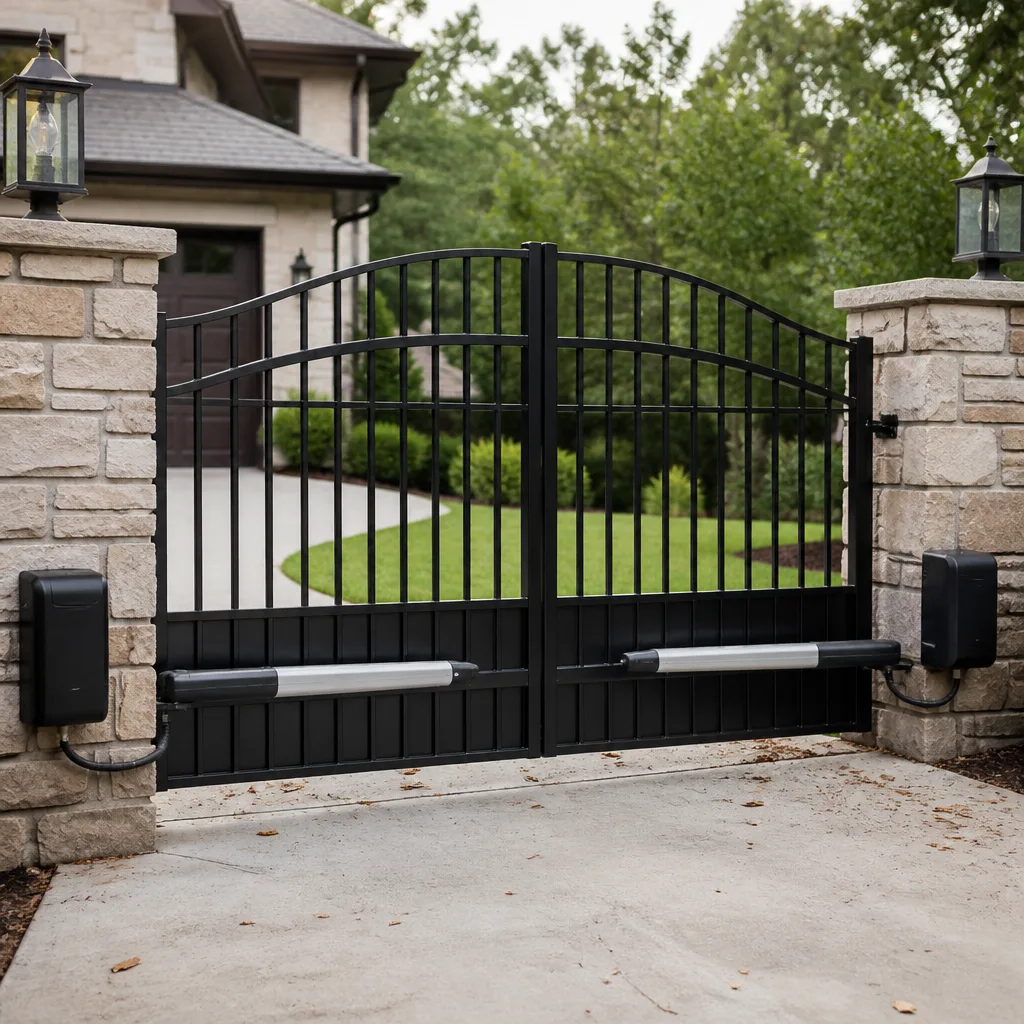 LiftMaster operators
Free on-site gate assessment - hinges, posts, and your LiftMaster or Nice gate operator checked before anything is quoted
The assessment is free and the quote is the invoice.
Get your free estimateGate Repair Permits, Codes & Inspections in NV: What You Need to Know
Replacing a gate operator on an existing post usually requires no permit in Paradise. Moving that post even six inches can trigger setback review under Clark County Title 30, and that distinction surprises a lot of contractors, let alone homeowners. The permit line isn’t about how big the job feels. It’s about whether you’re repairing what’s there or changing the footprint, the height, or the structure itself. This guide draws that line clearly for Paradise and the surrounding Clark County communities, covers the HOA overlay rules that go beyond county code, explains what “like-for-like replacement” legally means, and shows you how to get a straight answer from the county before you dig a single footer.
Quick Answer
In most Paradise jurisdictions, repairing a gate, replacing a motor, or swapping a panel for an identical one needs no permit. Structural changes do: relocating or resetting a post, changing gate height above the county threshold, altering setbacks, or running new electrical service to an operator. When in doubt, a pre-application meeting with Clark County Development Services settles it in one conversation, before any money is spent.
Styles & brands we work with
- Wrought iron
- Wood & steel frame
- Farm & ranch
- Sliding driveway gates
- LiftMaster operators
Table of Contents
- Repair vs. Alteration: Where Clark County Title 30 Draws the Line
- What “Like-for-Like Replacement” Means Legally
- HOA Overlay Rules in Paradise Master-Planned Communities
- How to Request a Pre-Application Meeting with Clark County
- Electrical, Low-Voltage, and Safety Edge Permits
- What Unpermitted Gate Work Does to a Homeowner’s Insurance Claim
- What an Inspection Actually Covers
- Common Mistakes to Avoid
Repair vs. Alteration: Where Clark County Title 30 Draws the Line
Clark County Title 30 is the county’s development code, and it governs what counts as a structural alteration versus routine maintenance. The practical version: if you’re restoring a gate to the condition it was already in, you’re repairing. If you’re changing where it sits, how tall it is, or how it’s anchored, you’ve crossed into alteration territory and permitting likely applies.
Here’s the rough breakdown we walk people through in Paradise:
- No permit typically needed: replacing a gate operator motor on existing mounting hardware, swapping a control board, replacing hinges, welding a cracked hinge post in place, replacing a bent picket or panel with an identical one, adjusting a sagging gate back to level.
- Permit usually required: relocating a post by any distance, increasing gate height above the county’s fence/gate threshold, moving the gate line closer to a property line or right-of-way, changing from a swing gate to a slide gate (or vice versa), pouring new footings in a different location, running new 120V electrical service underground to an operator.
The six-inch post move is the classic trap. Homeowners see it as a tweak. The county sees a new structure in a new location, which means a setback review. A gate that sat comfortably inside the setback can fail once it moves, and you find out after the concrete’s poured. That’s a slow lesson to unlearn in Paradise, where lot lines and wash setbacks can be tighter than they look on a plat map.
If the job is a straightforward repair, our Gate Repair in Paradise service handles it without permits and without fuss. For bigger changes, read on before you call anybody.
What “Like-for-Like Replacement” Means Legally
Like-for-like replacement is the exemption that lets you swap a worn part for an identical one without pulling a permit. Legally, “identical” is stricter than people assume. Same dimensions, same material, same weight, same location, same anchor points. A LiftMaster operator swapped for a new LiftMaster of the same model and capacity on the same post is like-for-like. A bigger, faster operator on the same post is not, because the load and torque change.
Where the protection ends:
- When the material changes. Going from a chain-link gate to a wrought-iron gate of the same size isn’t like-for-like, because the weight and wind load change.
- When the anchoring changes. New post, deeper footer, or a different mount type all break the exemption.
- When the footprint moves. Any change to the gate line, even an inch, isn’t like-for-like.
- When electrical service is added or upgraded. A new power run is a permit item on its own, separate from the gate itself.
In our experience across Paradise, the like-for-like exemption covers most of what actually fails: operators, hinges, latches, control boards, and panels. It’s the structural work where homeowners get caught. If you’re replacing a FAAC or Linear operator and the post is sound, you’re usually fine. If the post itself needs resetting, that’s when you want to have the permit conversation first.
HOA Overlay Rules in Paradise Master-Planned Communities
County code is a floor, not a ceiling. In Paradise’s master-planned communities and gated neighborhoods, the HOA architectural review committee usually has rules that go further than Clark County on height, material, color, and style. A gate that passes county inspection can still fail the HOA review, and the HOA is the one that can force you to remove it.
Common HOA overlay requirements we see in Paradise:
- Height caps that sit a foot or more below the county maximum.
- Approved material lists. Some communities ban certain metals or require specific powder-coat colors.
- Style consistency. Your gate has to match the neighborhood’s established look, not your taste.
- Setback and sight-line rules for corner lots.
- Separate architectural approval before any permit application is filed.
The sequencing matters. HOA approval first, then county permit if one’s needed, then the work. Doing it backwards is how a homeowner ends up with a gate that passed inspection and a letter from the HOA asking them to tear it down. In Paradise, the review committee can take a few weeks, so build that time into your project before you schedule the install crew. Our Gate Installation in Paradise page covers what the install process looks like once the paperwork clears, and it’s worth a read before you start calling committees.
How to Request a Pre-Application Meeting with Clark County
When you’re on the borderline, a pre-application meeting with Clark County Development Services is the cheapest insurance you can buy. It’s a short sit-down, usually free or low-cost, where a county planner tells you whether your specific project needs a permit, and what the review path looks like. You walk in with a sketch and photos, you walk out knowing.
How to set one up:
- Gather the basics. A site plan (even hand-drawn works), a photo of the existing gate and post, and the dimensions of the change you’re considering.
- Call the county’s development services line or check the current pre-application schedule on the Clark County website. Ask specifically for a pre-application meeting for a residential gate alteration.
- Describe the project plainly. “I want to move a post eighteen inches toward the driveway and increase the gate height by six inches” is the kind of sentence a planner can answer in five minutes. “I want to redo my gate” is not.
- Get the answer in writing. Ask the planner to email you a summary or note the outcome of the meeting. A written record matters if a neighbor or the county questions the work later.
- Keep the notes with your permit file. If a permit wasn’t required, the pre-app note proves you asked.
In Paradise, the wait for a pre-app meeting is usually short enough that there’s no reason to skip it on a borderline job. We’ve seen homeowners save thousands by asking one question they didn’t think to ask.
Electrical, Low-Voltage, and Safety Edge Permits
Gate operators run on either low-voltage control wiring or line voltage, and the difference matters for permitting. Low-voltage control wire, the kind that runs from a keypad to the operator, is usually exempt. New 120V or 240V service to an operator, run through conduit from the panel to the gate, requires an electrical permit in Clark County. That’s true whether the run is new or upgraded.
Safety edges and photo-eye sensors sit in a gray zone. Some jurisdictions treat them as operator accessories covered under the operator permit, others want them on the electrical plan. In Paradise, we lean toward putting them on the plan. It’s one line item and it keeps an inspector from flagging the install later.
If you’re adding automation to a manual gate, that’s the full package: operator, power run, safety edges, and often a permit. Our Gate Motor & Opener in Paradise page covers the equipment side. On the paperwork side, the rule is simple: new power to a gate operator means a permit, and inspections cover the conduit, the grounding, and the disconnect. If your operator’s on a FAAC or BFT unit with a factory harness, the plan still needs to show the new run.
What Unpermitted Gate Work Does to a Homeowner’s Insurance Claim
This is the part people don’t think about until it’s too late. If unpermitted structural gate work contributes to property damage, your homeowner’s carrier can reduce or deny the claim. Not always. But often enough that it’s a real risk in Paradise, and it’s the kind of thing that turns a small repair into a big fight with an adjuster.
The common scenarios:
- Wind damage. A gate installed without permit, on footings that don’t meet the county’s wind-load standard, blows into a vehicle or fence. The carrier asks for the permit. There isn’t one. Coverage gets contested.
- Water intrusion. An unpermitted footer change redirects drainage toward a slab or foundation. The claim gets adjusted down or denied once the county record shows the work wasn’t permitted.
- Injury claim. A gate that failed because it was modified without permit or inspection, injuring a visitor, can fall outside a standard liability policy.
- Sale-time disclosure. An unpermitted alteration that surfaces during a home inspection can stall a sale, and the buyer’s lender may require removal or retroactive permitting.
The fix is boring: permit the work that needs permitting, keep the paperwork, and don’t let anyone talk you into skipping it to save a few weeks. A gate is a hard structure in a wind zone. In Paradise, where wind and dust get their say, the county’s wind-load standard exists for a reason.
What an Inspection Actually Covers
An inspection isn’t a pass/fail on the whole gate. It’s a check on the specific items the permit covers, done in stages. Knowing what each stage looks at makes the process predictable instead of anxious.
- Footer inspection. Depth, diameter, and reinforcement checked before the concrete goes in. This one has to happen before the pour, so schedule it early.
- Post-setting inspection. Post plumb, anchor hardware, and mounting height verified against the plan.
- Electrical rough-in inspection. Conduit, grounding, and disconnect, usually combined with the post setting on simpler jobs.
- Final inspection. Gate hangs, swings or slides freely, operator functions, safety edges and photo-eyes work, and the install matches the approved plan.
Missing a stage means re-inspection, which means time. In Paradise, we build the inspection schedule into the project before the crew shows up, so the gate isn’t sitting half-finished for a week waiting on a county visit. If a permit is required, this is one of the reasons it’s worth having someone who’s done it run the process. Our Gatewood Fence & Gate Paradise home page has the full picture of what we handle.
Common Mistakes to Avoid
- Assuming “repair” covers everything. Moving a post, changing height, or adding electrical is not a repair under Title 30, and treating it like one is the most expensive mistake we see in Paradise.
- Skipping the HOA before the county. HOA approval first, permit second, work third. Do it backwards and you may tear out a gate that passed inspection.
- Trusting a verbal “you don’t need a permit.” Contractors say it to save time. Get it in writing from Clark County Development Services, especially on borderline jobs.
- Changing material or weight under the “like-for-like” banner. A heavier gate panel on the same post fails the load check even if it looks identical.
- Forgetting the electrical permit on the power run. The operator permit and the electrical permit are separate. Homeowners routinely pull one and not the other.
- Not pulling a pre-app on a marginal project. A short meeting with a county planner settles the question. Guessing, then getting caught, does not.
- Letting unpermitted work ride. If a previous owner added a gate without a permit in Paradise, it surfaces at sale or at claim time, and it’s on you to fix it.
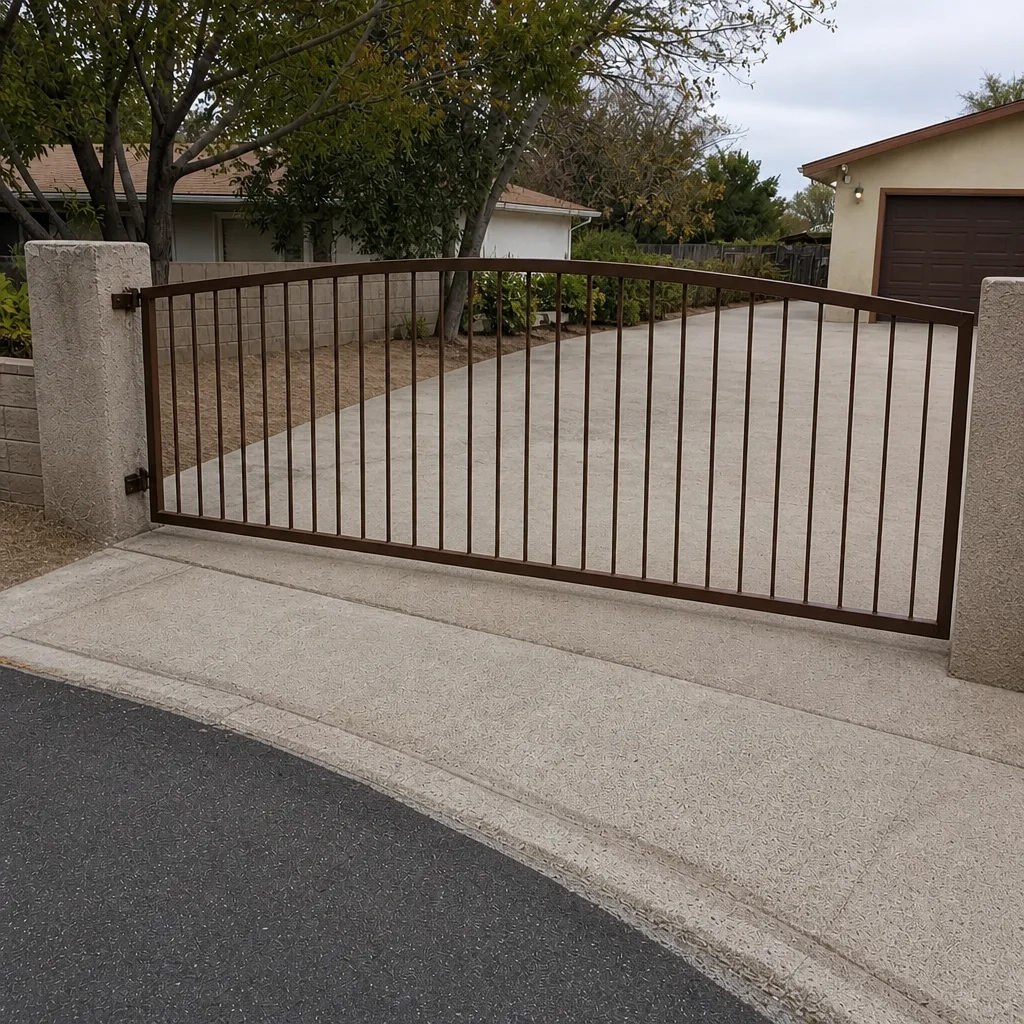
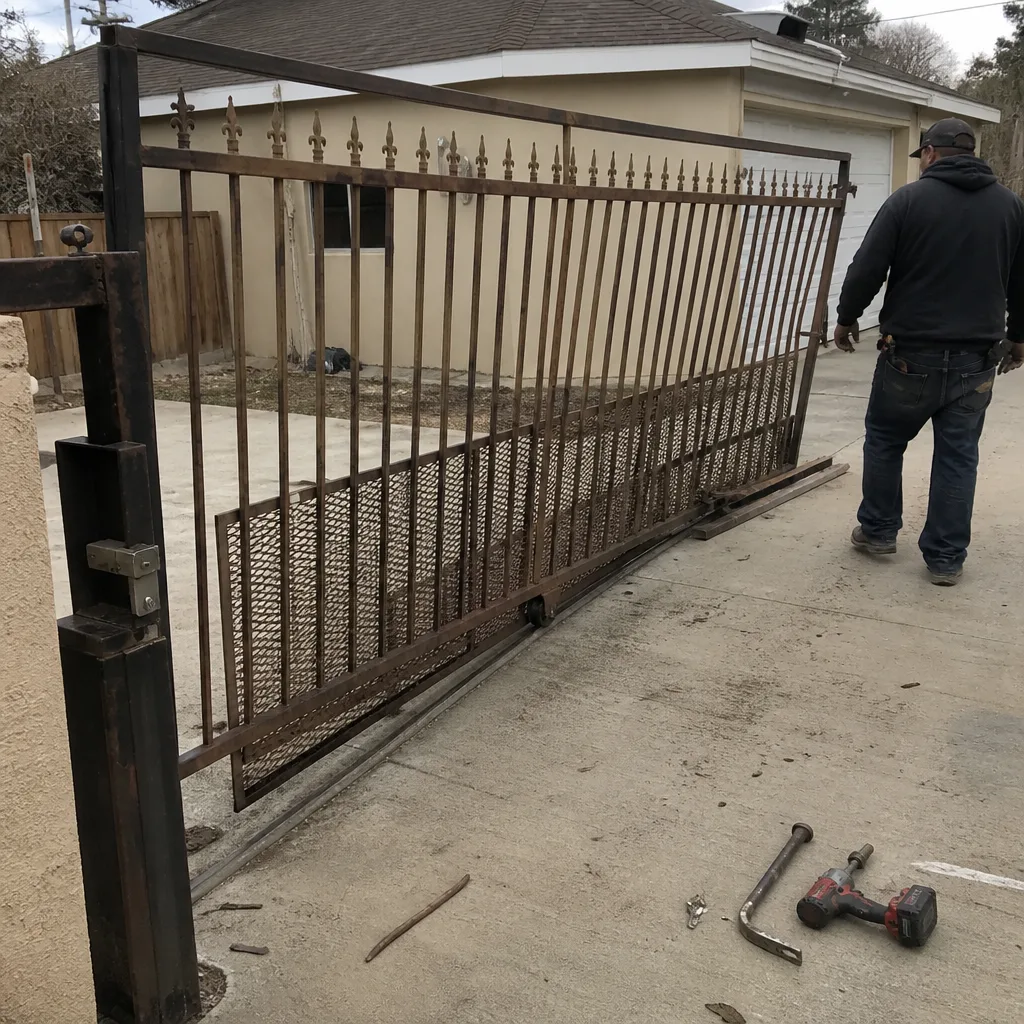
See the difference
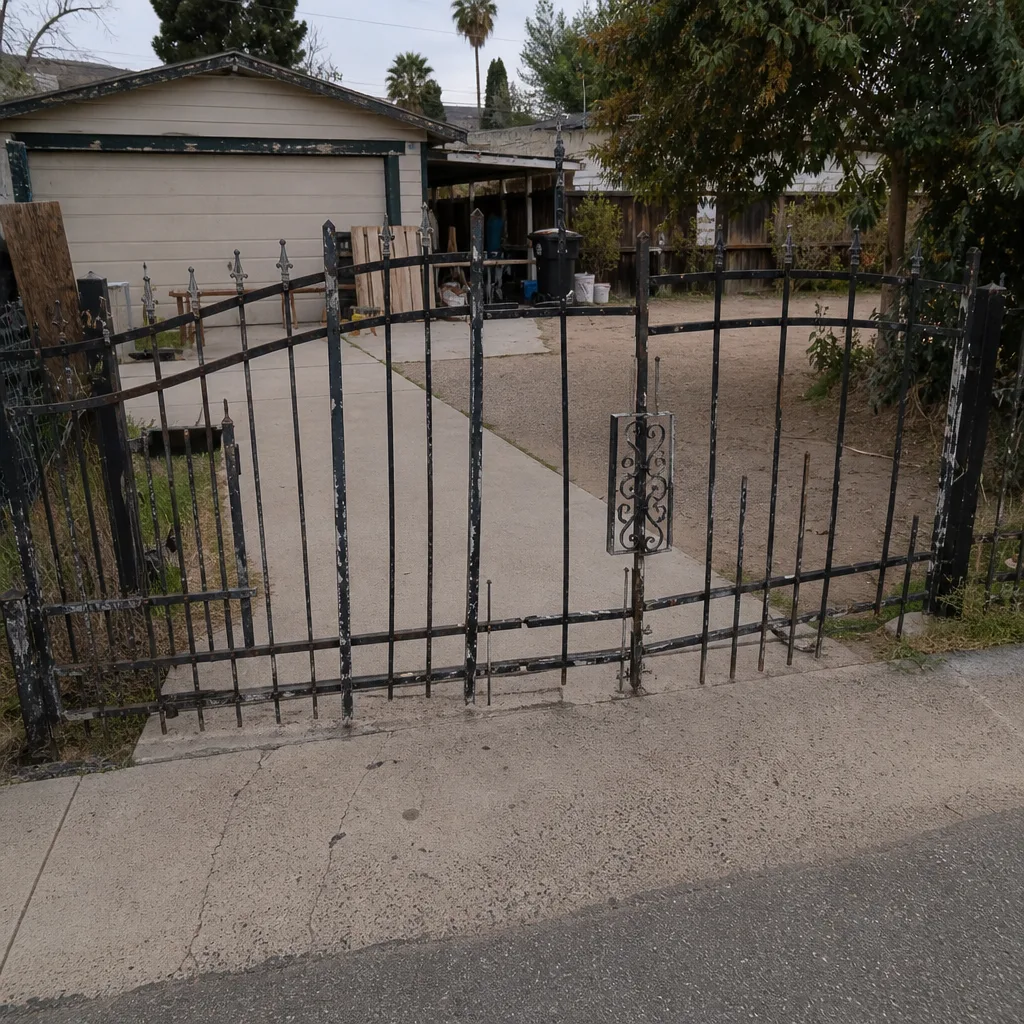 Before
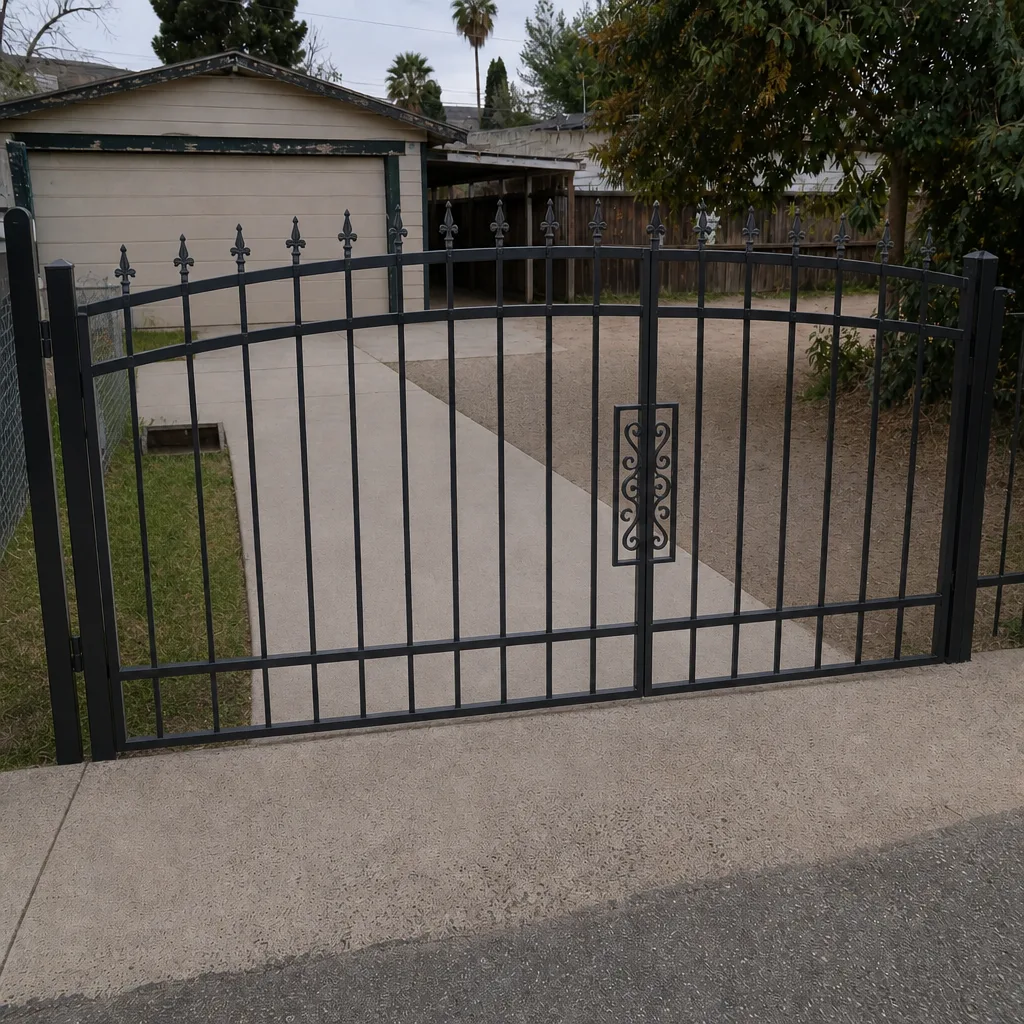 After
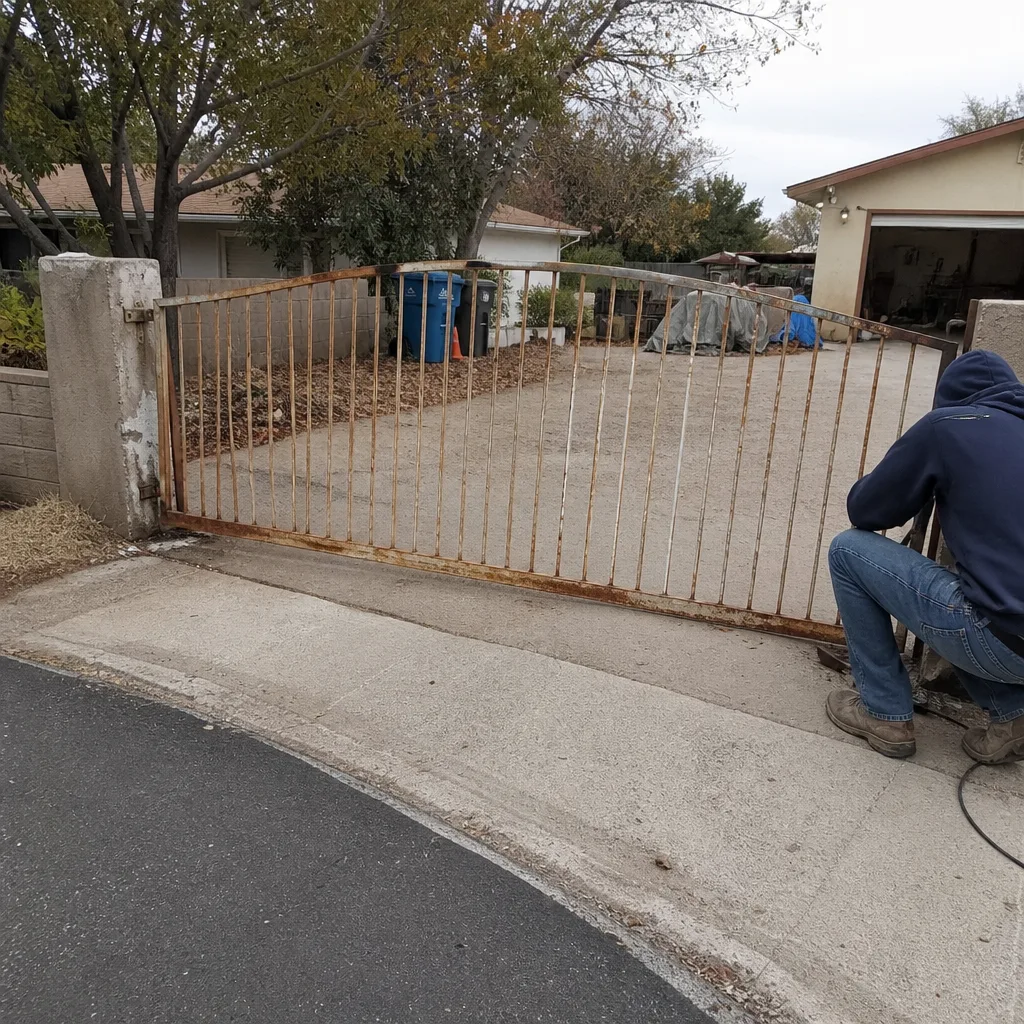 Before
 After
 Before
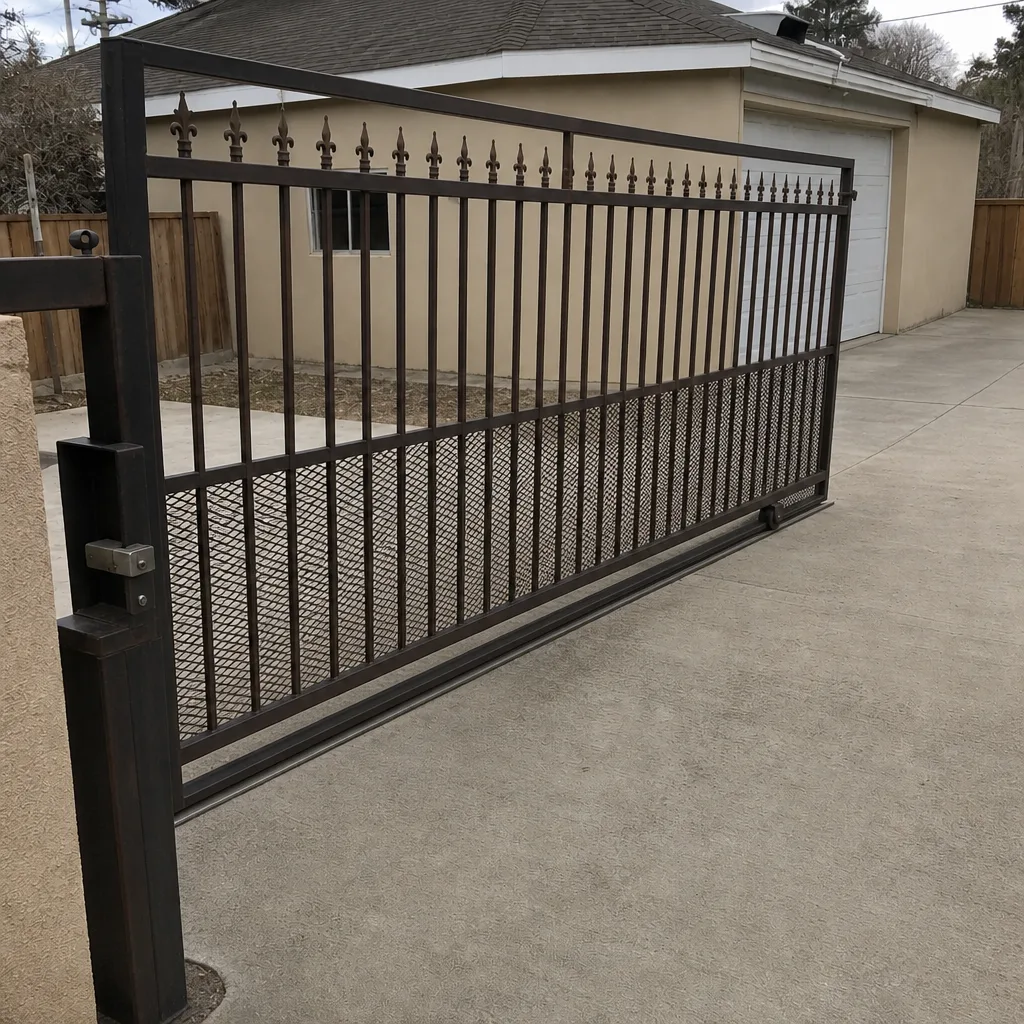 After
When to Call a Professional
If the work involves moving a post, changing gate height, running new power, or automating a manual gate, call a professional before you touch anything. These are the projects where permit mistakes live, and where a licensed, insured contractor and an experienced hand both matter. High-tension springs, new line-voltage runs, and heavy post resets are genuinely dangerous, and we always recommend a trained pro for the work. On the boundary cases, a written estimate with a clear scope of work is what saves you from an unpermitted change the county finds later.
Gatewood Fence & Gate Paradise offers free estimates in Paradise. Call (888) 292-7536 and we’ll walk the job, tell you plainly whether a permit is likely needed, and put the price in writing before any work starts.
Frequently Asked Questions
Usually not. Replacing an operator motor on existing mounting hardware, with the same model and capacity, is a like-for-like repair under Clark County Title 30 and typically requires no permit. If the post moves, the operator is upgraded to a larger unit, or new power is run, a permit is likely required. Call (888) 292-7536 and we’ll confirm for your specific situation.
In most cases, yes. Any change to the location of a post triggers setback review under Clark County Title 30, and that review is the permitting process. Six inches is enough to fail a setback that the old location passed. It’s the single most common surprise we see on Paradise gate projects.
It covers swapping a worn part for an identical one: same dimensions, material, weight, location, and anchoring. It does not cover a material change, a difference in weight or wind load, a moved post, or any new electrical service. If the replacement is stricter than “identical,” the exemption stops applying.
Call the county’s development services line and ask for a pre-application meeting for a residential gate alteration. Bring a site plan, a photo of the existing gate and post, and the specific dimensions of the change. Ask for the outcome in writing. In Paradise, the wait is usually short, and the meeting settles the borderline question before any money is spent.
Your homeowner’s insurance carrier can reduce or deny the claim. This is a real risk in Paradise, where wind events are common and adjusters ask for the permit record on structural alterations. An unpermitted footer change or unpermitted gate modification can turn a routine claim into a contested one.
They add to it. County code sets the floor, and the HOA architectural review committee can impose stricter height caps, material lists, and style requirements. In Paradise master-planned communities, a gate that passes county inspection can still fail HOA review, and the HOA is the one that can force removal.
The Bottom Line
Most gate repairs in Paradise need no permit. The ones that do are the structural changes: moved posts, changed height, new setbacks, and new electrical service. Like-for-like replacement covers operator swaps, hinges, latches, and identical panels, but the exemption ends the moment the material, weight, location, or anchoring changes. Get the pre-application meeting on any borderline job, sequence HOA approval before county permits, and keep the paperwork. If unpermitted structural work later gets tied to a damage claim, your coverage can suffer. When you want a straight answer on a job before you start, call us. The price is quoted and agreed before any work begins, and every job carries the 90-Day Done Right Promise in writing.
Call (888) 292-7536 for a free estimate in Paradise. We’ll walk the gate, tell you what the county requires, and put it in writing.
Written by the team at Gatewood Fence & Gate Paradise.