
Last updated November 18, 2026
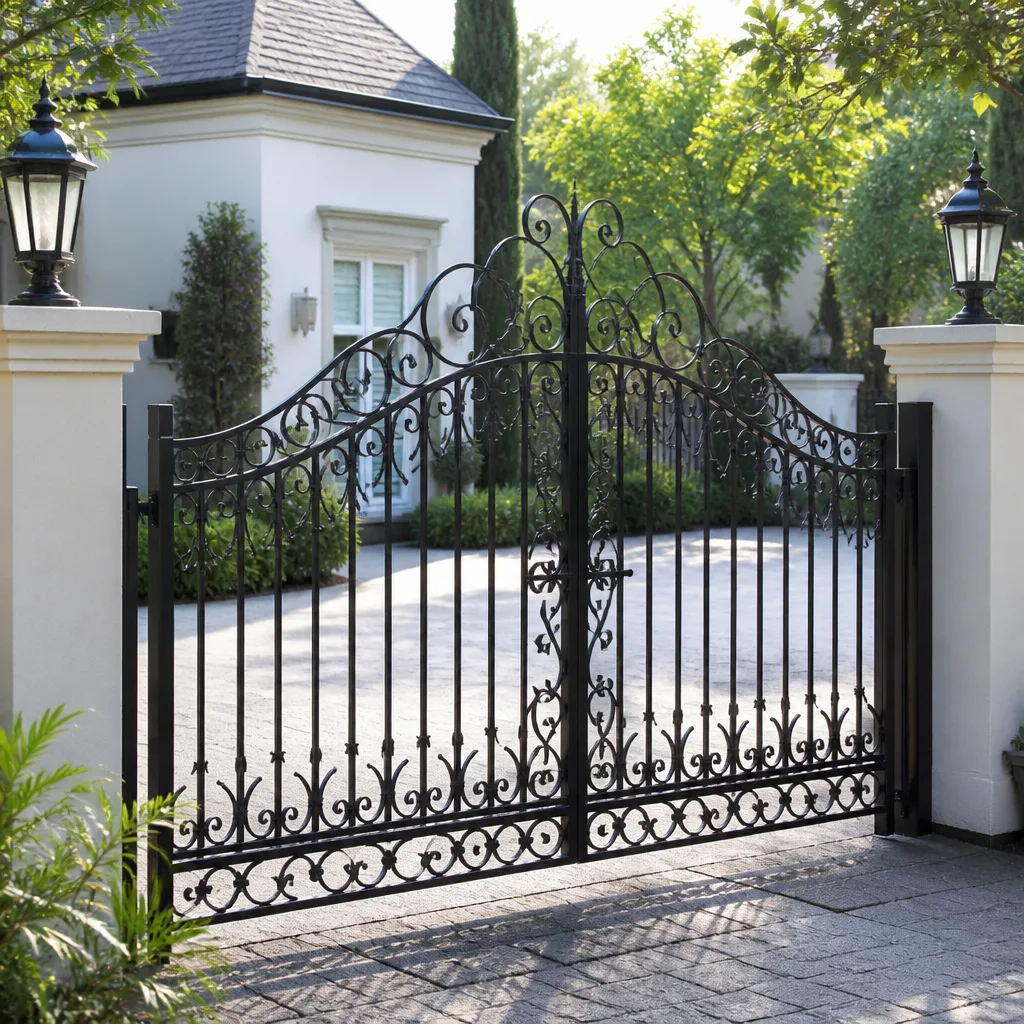 Wrought iron
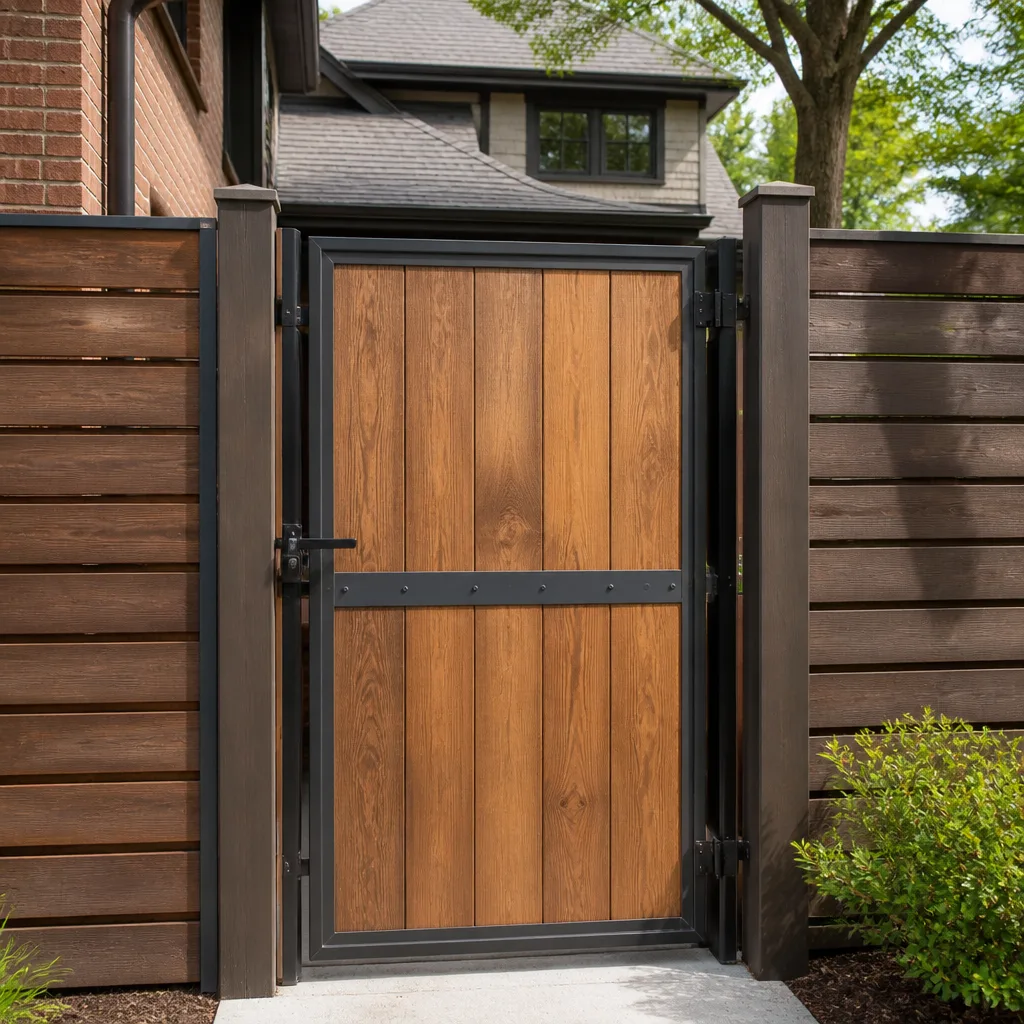 Wood & steel frame
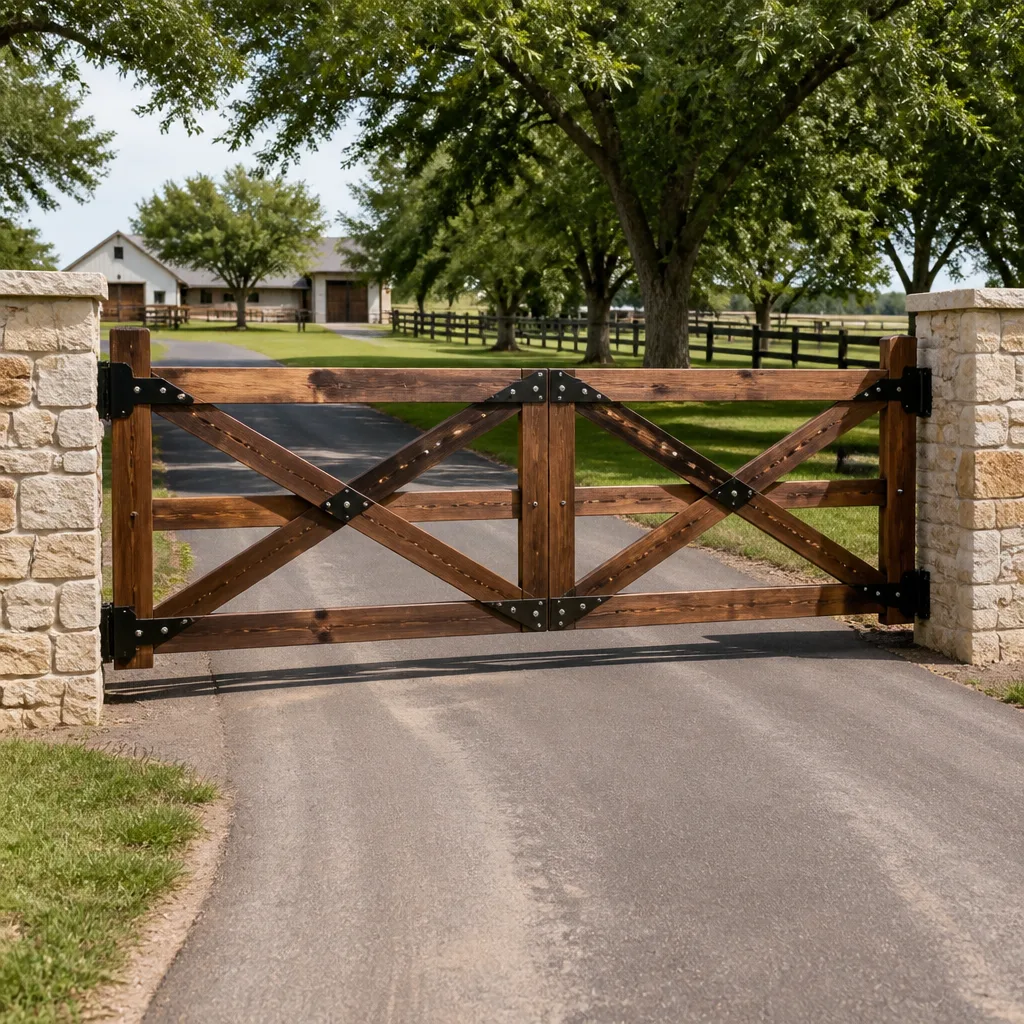 Farm & ranch
 Sliding driveway gates
 LiftMaster operators
Free on-site gate assessment - hinges, posts, and your LiftMaster or Nice gate operator checked before anything is quoted
The assessment is free and the quote is the invoice.
Get your free estimateGate Repair Warning Signs: A Paradise Homeowner’s Reference Guide
A gate that’s slow on the opening cycle but normal on the close usually isn’t an operator problem. More often it’s a hinge or alignment issue forcing the motor to work harder than it should, and ignoring it burns out a $600 operator to dodge a $90 adjustment. We’ve watched that exact trade-off play out across Paradise more times than we can count. Gates don’t fail suddenly; they telegraph the problem for weeks or months before something snaps. This guide catalogs the specific visual, sound, and behavior cues Paradise homeowners overlook, so you can tell the difference between a $200 repair and a $1,400 post replacement.
Quick Answer
The most reliable gate repair warning signs in Paradise are rust streaking at weld points, a slow or labored opening cycle, grinding or popping sounds during travel, the gate reversing mid-cycle, and concrete heaving or cracking around the hinge post. Any one of these is worth a look, but sound and behavior changes usually show up before visible damage does. Catching them early is the difference between a simple adjustment and a structural repair.
Styles & brands we work with
- Wrought iron
- Wood & steel frame
- Farm & ranch
- Sliding driveway gates
- LiftMaster operators
Table of Contents
- Visual Cues: What Rust, Cracks, and Heaving Actually Mean
- Sound Cues: Mapping Grinding, Clicking, and Popping to Real Failures
- Behavior Cues: Hesitation, Reversing, and Remote Range Loss
- Normal Settling vs. a Failing Post Footing
- “Watch It for 30 Days” vs. “Call This Week”
- Why the Hinge Post Tells the Story First
- How Alignment Problems Kill Operators
- A Simple Seasonal Check for Paradise Homeowners
Visual Cues: What Rust, Cracks, and Heaving Actually Mean
Rust on a gate is normal. Rust in a specific pattern is information. When we look at a gate in Paradise, the streaks tell us where water is collecting and where metal is stressed.
Streaking that runs vertically from a weld point usually means moisture is trapped at the joint. That’s often the first place a weld fails, because the paint coating cracks there first. If you see rust bleeding from the corner of a weld, the joint beneath is often already compromised even if it still looks solid.
Concrete heaving around a post is one of the more serious signs. It means water is getting under the pad, freezing and thawing, and lifting the footing. Paradise sits in a high-desert climate with cold winter nights and warm days, so freeze-thaw cycles work on concrete continuously. Heaved concrete around a hinge post is a structural cue, not a cosmetic one.
Paint cracking in a spiderweb pattern at weld points and corners signals metal fatigue. The gate is flexing where it shouldn’t. That pattern often shows up on older gates that are carrying more load than the original joints were built for.
What to photograph and note when you inspect:
- Rust streaks that run from a weld seam, not just surface rust on flat panels
- Cracks in the concrete pad that radiate away from a post base
- Lifted or tilted concrete slabs at a hinge post or latch post
- Paint cracks concentrated at corners and weld joints
Sound Cues: Mapping Grinding, Clicking, and Popping to Real Failures
Sound is the most underrated diagnostic tool a homeowner has. A gate that talks to you is a gate telling you what’s wrong. Here’s how specific sounds map to specific failures:
- Grinding during travel. Usually the operator gearbox or a binding roller. On a Linear or BFT slide operator, grinding that only happens mid-travel often means the track is out of alignment, not that the motor is dead.
- Rhythmic clicking. Often a worn hinge or a chain skipping on a sprocket. It’s the sound of two parts that used to fit cleanly and no longer do.
- A single sharp pop at the start of travel. Typically a hinge binding or a bent gate frame releasing under load. That pop is the sound of the gate fighting itself.
- Humming without movement. The operator is trying to move the gate and can’t. Stop it and call. Running a stalled operator can burn out the motor and the control board.
- Grinding that gets louder on the close but is quiet on the open. Usually a hinge or alignment problem, not a motor problem. This is the most common call we get in Paradise.
If you can only remember one thing: a gate that sounds the same going out and coming back is probably fine. A gate that sounds different on one cycle than the other has an alignment or mechanical issue, and it will only get worse.
Behavior Cues: Hesitation, Reversing, and Remote Range Loss
Behavior changes are the most reliable early warning, and they’re the easiest to explain to someone who can fix the root cause.
Hesitation at the start of a cycle is usually friction. The operator has to push harder to get the gate moving because a roller, hinge, or track is dragging. That extra effort is what eventually kills the motor.
Reversing mid-cycle almost always means the safety system is doing its job. On a Ghost Controls or Viking operator, the gate reverses because an obstruction is detected or the current sensor reads too much resistance. Sometimes the “obstruction” is a physical bind in the gate travel. Sometimes it’s a safety edge or photo-eye that needs realignment.
Remote range loss is the sign homeowners most often misdiagnose. A remote that used to work from the driveway now only works from 15 feet away. That’s usually an antenna problem, a dying battery, or a receiver getting interference from a new metal object nearby. It’s rarely the remote itself.
Short cycling (the gate opens, stops, opens, stops) points at the limit switch or the control board. Let it keep doing that and you’ll be replacing both.
We tell Paradise homeowners to write down three things when a behavior change shows up: what the gate does, when it started, and whether it’s consistent. A pattern like “only in the morning” versus “every time” narrows the cause enormously before anyone shows up.
Normal Settling vs. a Failing Post Footing
Every gate settles a little. A wood gate in the desert might shift a quarter inch over a season. That’s fine. The question is whether the gate is moving because the gate relaxed or because the post footing is giving way.
Here’s the practical test we use:
- Normal settling: the gate stays level side-to-side, the latch still lines up with minor adjustment, and the hinge post is plumb. You might see a small gap open up, but it’s stable.
- Failing footing: the gate sags consistently in one direction, the post visibly leans when the gate swings, you see concrete cracks or a lifted pad at the base, and the latch has been re-aligned multiple times without lasting.
The tell is the hinge post. A gate sags in the hinge post, not in the middle. If your gate has a visible dip on the latch side but the hinge side looks fine, the frame is likely fine and the adjustment is small. If the hinge post itself is moving or the concrete is breaking up, you have a footing problem, and adjusting the gate to compensate only makes it worse.
Paradise’s soils are a mixed bag. In neighborhoods where drainage pools near a post, we routinely see footing failures that look exactly like a sagging gate but aren’t a gate problem at all.
“Watch It for 30 Days” vs. “Call This Week”
Not every warning sign is urgent. Here’s the honest split.
Watch it for 30 days:
- Surface rust that’s spreading but not concentrated at a weld
- A remote that lost a little range but still works from the driveway
- Minor paint cracks on a flat panel
- A gate that closes flush but with a slightly softer final inch
Call this week:
- Any grinding or popping during travel
- Reversing mid-cycle with no obvious obstruction
- Concrete cracking or lifting around a post base
- The gate operating but slowing noticeably
- A remote that no longer works at all
- The latch no longer catching without force
The rule we give Paradise homeowners is simple: anything that sounds different, moves differently, or has changed under the ground needs a look. Watchable signs are cosmetic. Urgent signs are mechanical or structural. Catching an urgent sign in week one keeps it in the $200 range. Catching it in month six usually pushes it past $1,000, and can mean a full post replacement.
Why the Hinge Post Tells the Story First
Every gate load runs through the hinge post. The operator pushes the gate, the gate pivots on the hinges, and every one of those forces transfers into the post and its footing. When we get called out to Paradise for a gate repair, the first place we look isn’t the operator. It’s the hinge post.
What to check on your own hinge post without getting too hands-on:
- Stand about ten feet away and look at the post from the side the gate swings toward. Is the post straight or leaning?
- Open the gate by hand about halfway and watch the top of the post. Does it move in the direction of the gate, or does it stay put?
- Look at the concrete pad at the base. Are there cracks radiating outward, or is the pad lifted off the ground?
- Check the hinge bolts. If they’re loose, the gate sags even when the post is fine.
If the post stays put and the bolts are tight, the problem is on the gate side and the fix is usually small. If the post moves or the pad is failing, the fix is structural. Fix the panel without the post and you’ll fix it twice, which is the single most common mistake we clean up in Paradise.
How Alignment Problems Kill Operators
Operators rarely die because they’re old. They die because they’re working too hard. A misaligned gate adds resistance to every cycle, and that resistance is what heats up the motor, stresses the gearbox, and eventually stops the gate in its tracks.
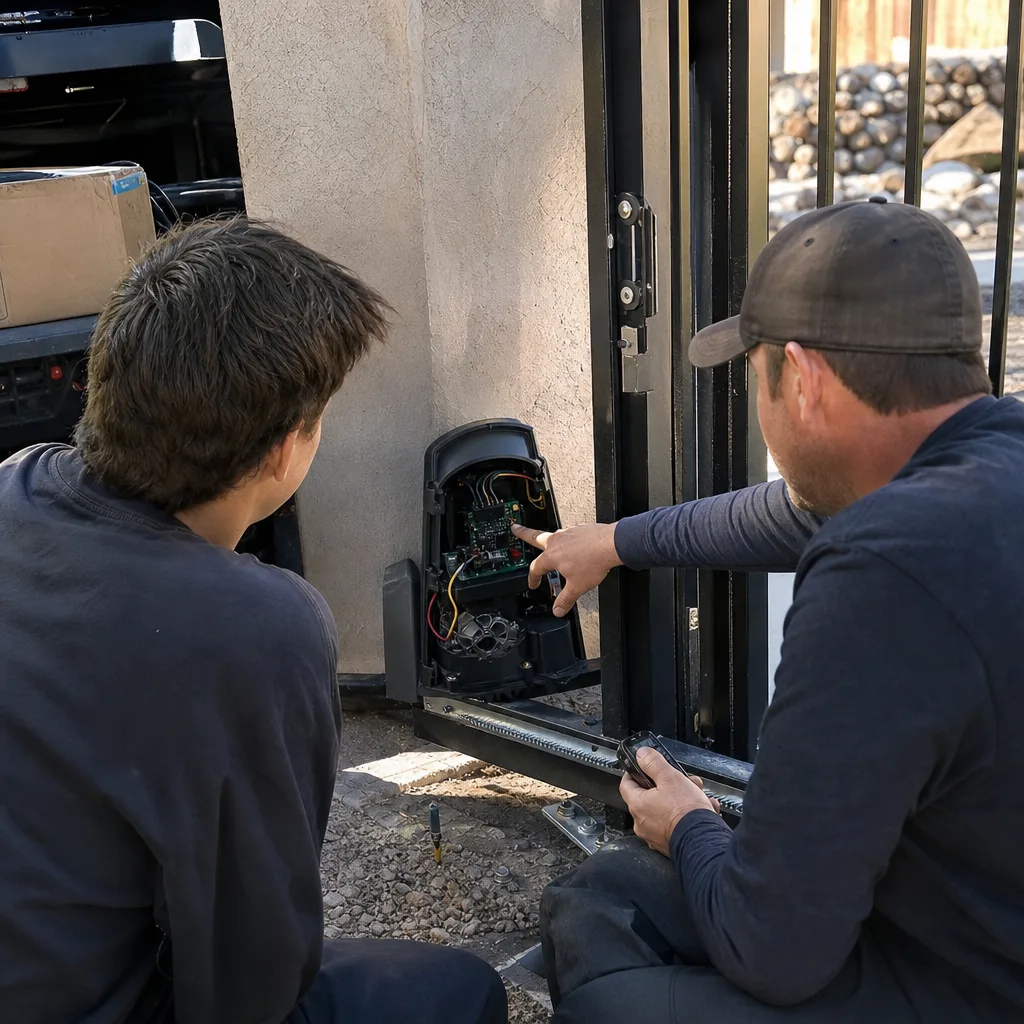
We see this constantly with slide operators like Linear and swing operators like BFT. A gate starts out closing clean. Six months later, the operator is fine but the gate is dragging. Another six months and the operator is smoking. The whole time, the actual fix was a $90 adjustment that nobody made because the gate still “worked.”
The signature to watch for: a gate that’s slower on one cycle than the other. Opening fast and closing slow, or opening slow and closing fast, means the mechanical resistance isn’t the same in both directions. That’s almost always alignment, not the operator. If it’s a swing gate, check the hinges. If it’s a slide gate, check the track and rollers. If it’s a double gate, check that both leaves are meeting at the center without binding.
If your gate is grinding, hesitating, or reversing, the operator may already be carrying the cost of an alignment problem that started months ago. That’s the moment for Gate Motor & Opener in Paradise to be looked at, before the motor is what’s replaced.
A Simple Seasonal Check for Paradise Homeowners
A 15-minute check twice a year catches most of what this guide describes. Here’s what to walk through:
- Walk the gate line. Look for rust streaks at weld points, cracks in the paint at corners, and any new rust clusters.
- Look at the concrete. Cracks radiating from the post base, lifted pads, or new gaps at the bottom of a footing pad all deserve a note.
- Run the gate by hand. Open it half way, close it half way, and feel for resistance or binding. It should move smoothly both directions.
- Listen on the cycle. Run the operator and listen for grinding, clicking, or popping that wasn’t there last season.
- Test the safety. Break the photo-eye beam on purpose and confirm the gate reverses. Test the safety edges on a sliding gate the same way.
- Check the remote. Stand at your normal approach distance in the driveway and confirm the remote works without stepping closer.
Write down anything that’s different from last season. A note like “gate slower on close starting in March” is worth more than a vague memory by the time a repair visit happens. If you want a baseline check without doing the work yourself, our Gate Repair in Paradise team can walk through it with you, free estimates included.
Common Mistakes to Avoid
- Adjusting the operator instead of the gate. Increasing the force setting on the operator to overcome a binding gate just means the operator burns itself out faster. Fix the mechanical resistance first, then let the operator do its job.
- Replacing a hinge when the post is the problem. A new hinge on a leaning post will fail within a season. Look at the post before anything else.
- Ignoring concrete heaving. Lifted or cracked concrete at the post base is structural, not cosmetic. Painting over it or pouring a new pad on top hides the problem without fixing it.
- Assuming the remote is dead. Range loss is usually the antenna, the receiver, or interference. Replacing remotes is the most common unnecessary purchase we see in Paradise.
- Running a binding gate until it stops. Every cycle a binding gate makes is a cycle where the operator is working harder than it should. Stop, diagnose, and call before the motor quits.
- Letting a wood gate absorb a storm without a look afterward. After a monsoon or a wind event in Paradise, walk the gate line the next morning. The damage from one storm is a small fix. The damage from three storms ignored is a full replacement.
- Trusting a phone quote instead of a written estimate. If a company won’t put the number on paper before work starts, don’t let them touch the gate. Our written estimates hold, and a free second opinion on any written estimate will tell you if the number you got is fair.
See the difference
 Before
 After
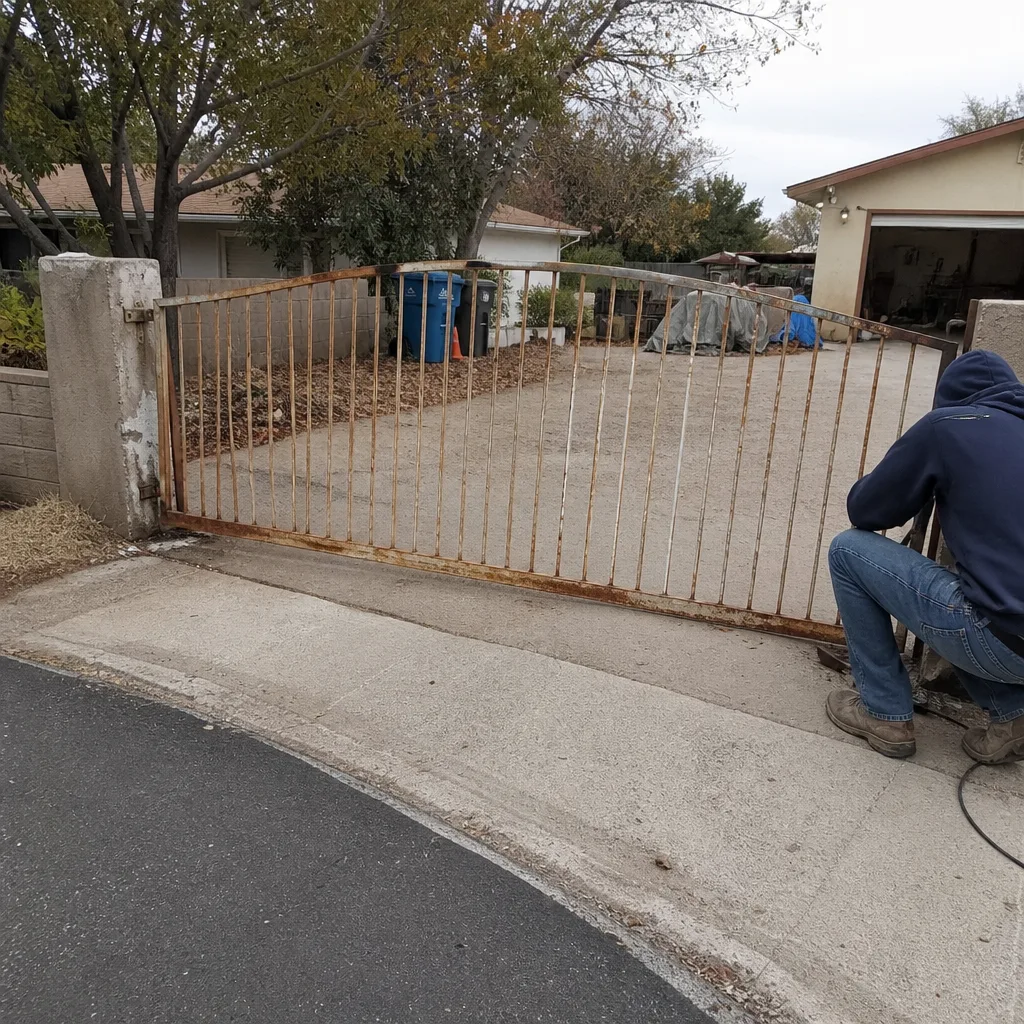 Before
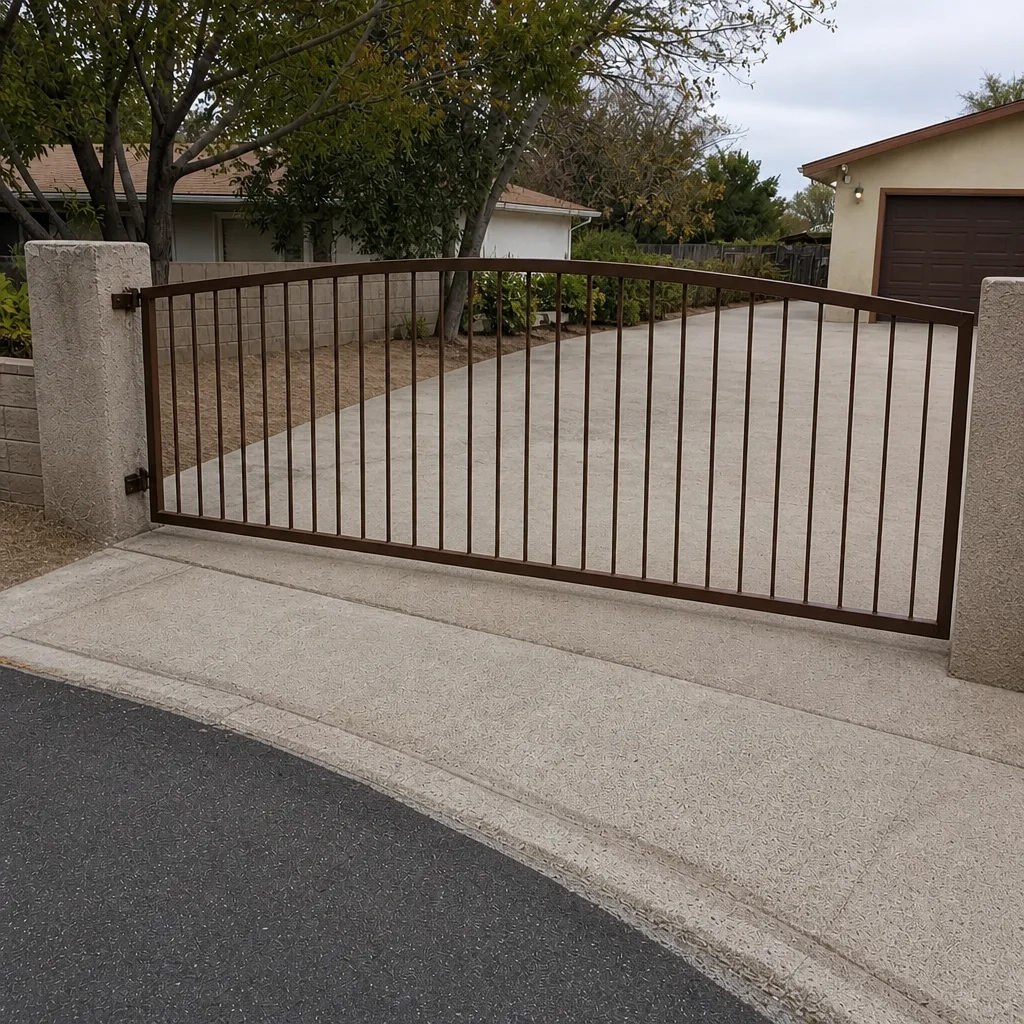 After
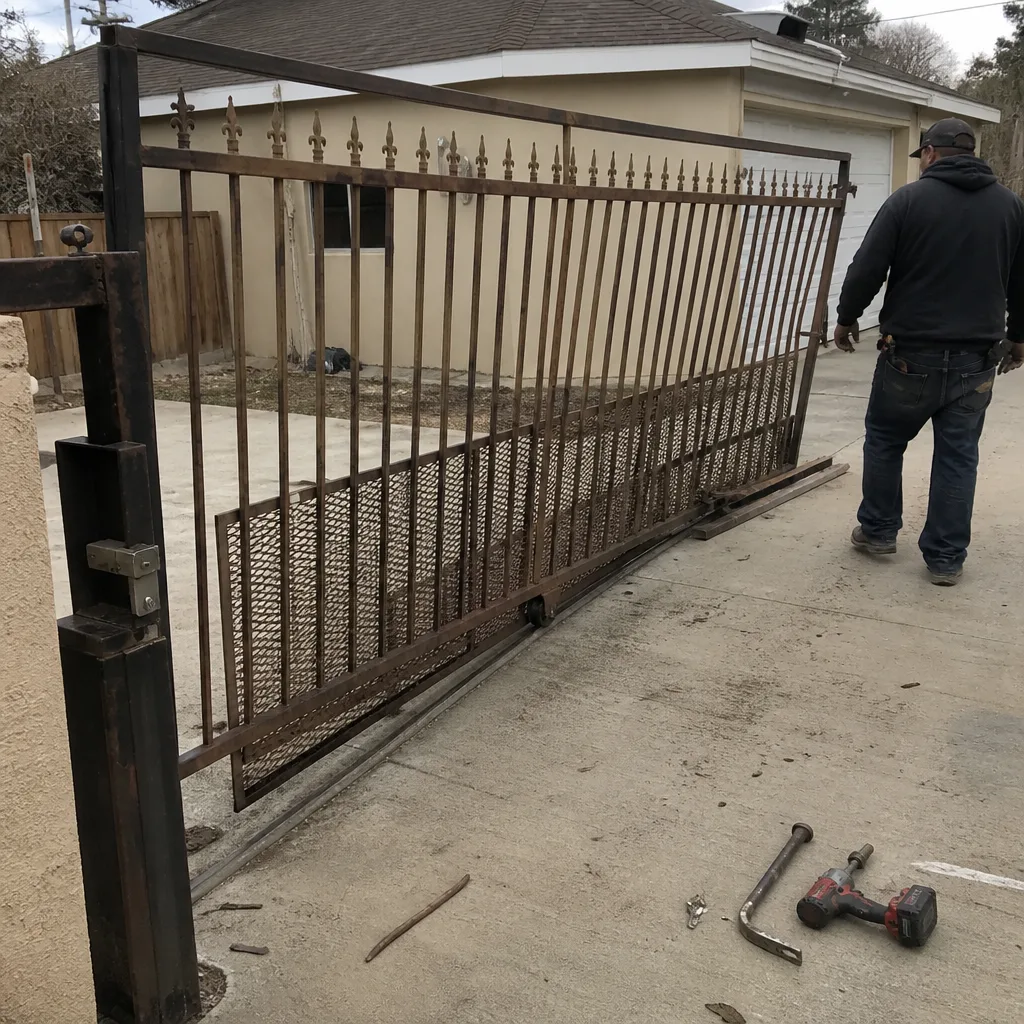 Before
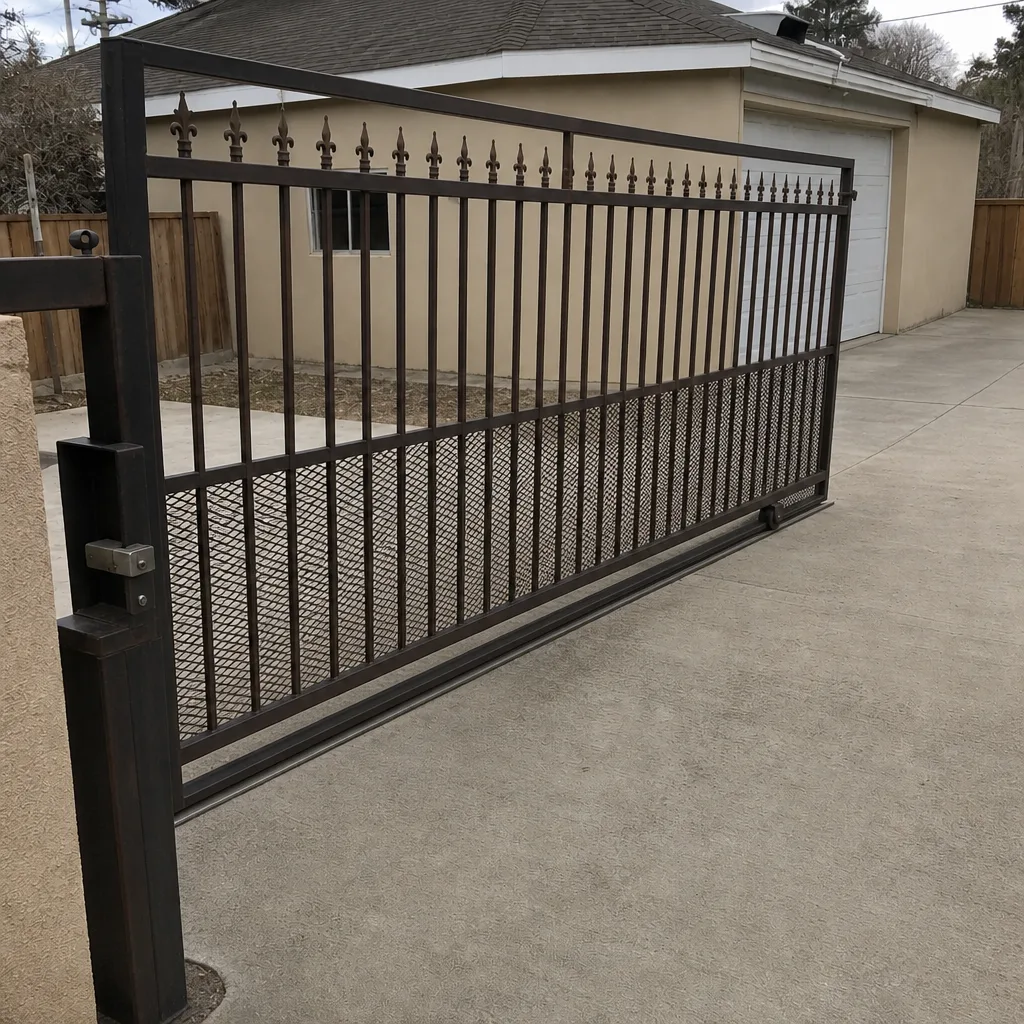 After
When to Call a Professional
Call a professional when the warning signs point to the hinge post, the footing, the operator, or the safety system. Those are the categories where a homeowner adjustment can turn a small fix into a larger one. Also call if you’ve heard grinding, clicking, popping, or reversing behavior that wasn’t there last season. Any of those signals mean the gate is telling you something, and the earlier it’s looked at, the cheaper it usually is. If your gate is on a Gate Installation in Paradise shortlist for other reasons, ask for the diagnostic walk-through first. Gatewood Fence & Gate Paradise offers free estimates in Paradise, and we can be reached at (888) 292-7536. If you’ve already got a written estimate from another company, we’ll give you a free second opinion on it that same visit. The 90-Day Done Right Promise goes on the written quote, not in fine print. You can also get oriented from our Gatewood Fence & Gate Paradise home page.
Frequently Asked Questions
Most gate repairs in Paradise land in the $150 to $450 range, with simple hinge and alignment fixes near the low end and motor or control board work near the top. Post footing repairs push past that range because they involve concrete. The number we quote is the number you pay; it’s written and agreed before any work starts. Call (888) 292-7536 for an exact quote, and estimates are free. That’s also the moment to ask about the $40 off any repair over $200 and the permanent 10% discount for seniors and veterans.
For repairs, often yes, and the phone gets answered by a live person 24 hours a day, seven days a week. A gate stuck closed or a gate that won’t latch is the kind of call that gets scheduled the same day when the calendar allows. Post-footing work and operator replacements usually need a scheduled visit because the parts and concrete work aren’t same-day. Call (888) 292-7536 and we’ll give you a real window, not a placeholder.
Yes, in almost every case. A gate that closes on its own has an alignment problem, a slope under the pad, or a hinge issue that’s leaning the gate into the closing direction. Left alone, it works against the operator every cycle until the motor gives out. Show me the gate closing on its own and I’ll show you where it’s failing. That’s a repair worth doing now, not in six months.
Look at the hinge post, not the middle of the gate. If the post is plumb and the hinge bolts are tight, the fix is usually a small adjustment. If the post leans when the gate swings, or the concrete pad at the base is cracked or lifted, the footing is failing. In Paradise we see this most often after winter freezes and thaws work on a pad that isn’t draining properly. That’s a post and footing job, not a hinge job.
Usually not. Range loss on a gate remote is more often an antenna or receiver issue than a dead remote. New metal objects nearby, a transformer installed near the operator, or a battery going soft can all shorten range. On brands like Ghost Controls and Viking, a signal check at the operator tells you which side the problem is on. Replacing remotes first is the most expensive way to solve it. Call (888) 292-7536 before buying anything.
We service nine major brands: LiftMaster, FAAC, BFT, Linear, Viking, Ghost Controls, DoorKing, Elite, and Mighty Mule. The brand on the operator matters less than the brand of the actual failure. A Viking swing operator with a bad hinge post is a hinge problem, not a Viking problem. That’s the reason we start every diagnostic walk-through at the post, not the box.
The Bottom Line
Gates don’t fail without notice. They rust in patterns, crack at weld points, sag at the hinge post, and change their sound and behavior weeks or months before something breaks. The homeowners who come out of this cheapest are the ones who learn to read those signals early and get a small adjustment before the symptom moves to the motor or the footing. Rust streaking at a weld, heaving concrete at a post base, a gate that’s slow on one cycle but normal on the other, grinding that wasn’t there last season: any of those is a call, not a wait. The rest is cosmetic. A written estimate holds, the 90-Day Done Right Promise goes on the job, and a live person answers the phone around the clock. Fix the panel without the post and you’ll fix it twice. Get the post looked at first, and most repairs stay in the $200 range instead of crossing $1,000.
Contact
If your gate is showing any of these signs, call Gatewood Fence & Gate Paradise at (888) 292-7536 for a free estimate. We’ll walk the gate line with you, tell you what’s mechanical and what’s cosmetic, and put a written quote in your hand before anything is picked up. The name is on the shop, and the shop is down the road, which is the oldest accountability there is.
Written by the team at Gatewood Fence & Gate Paradise.