
Last updated November 18, 2026
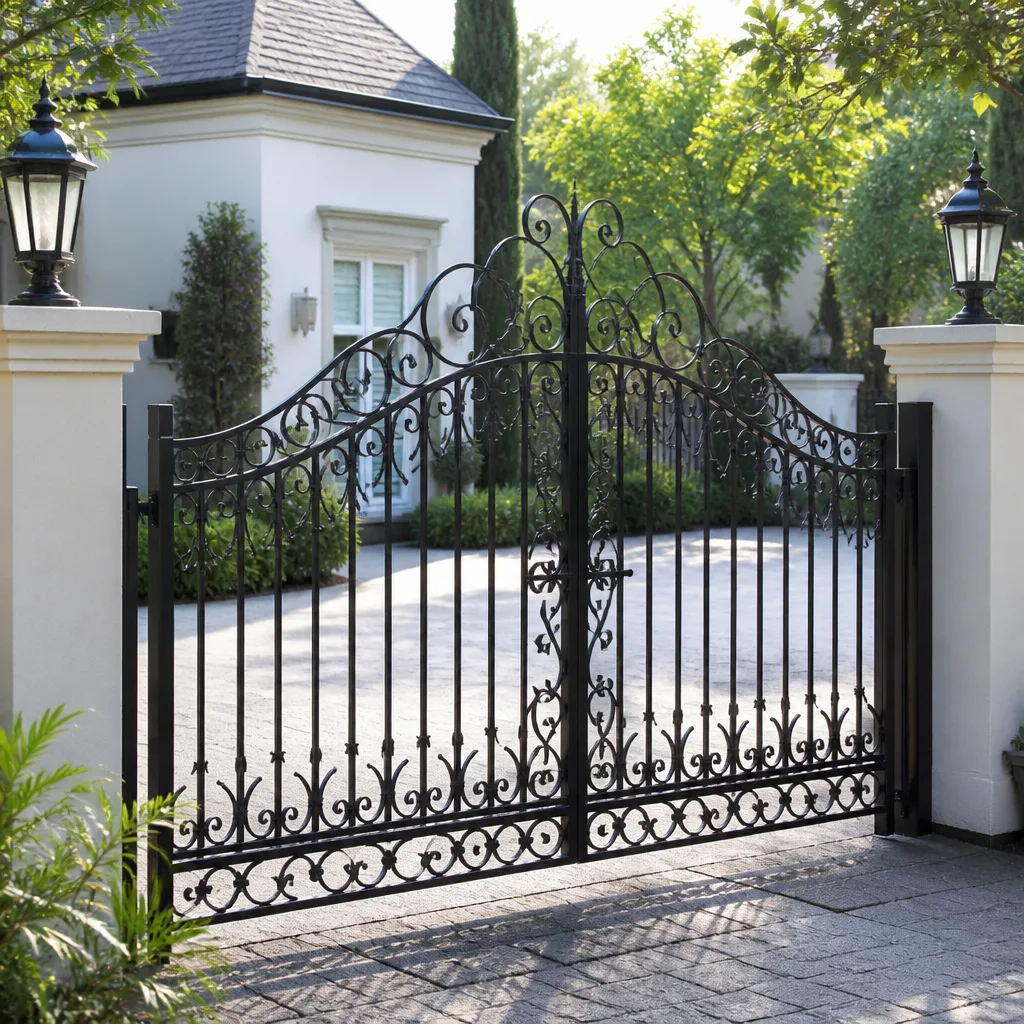 Wrought iron
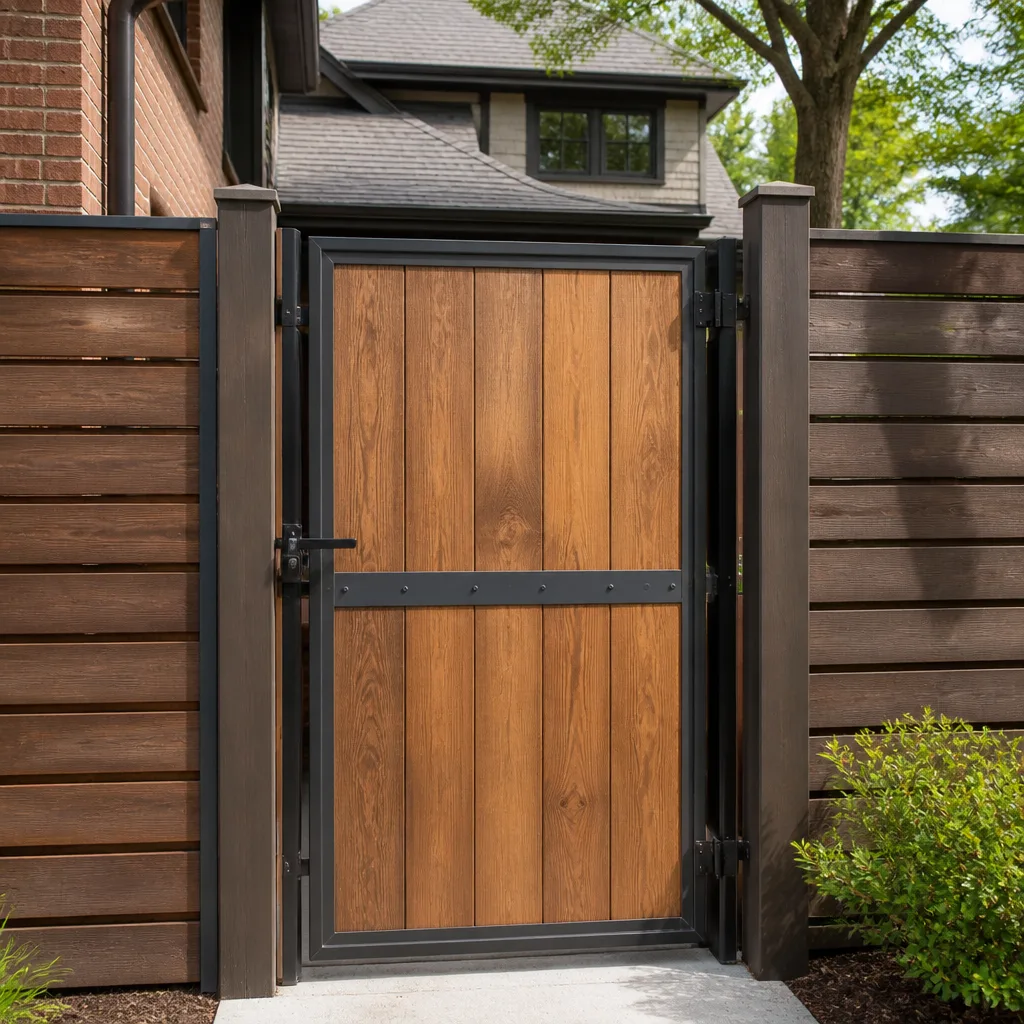 Wood & steel frame
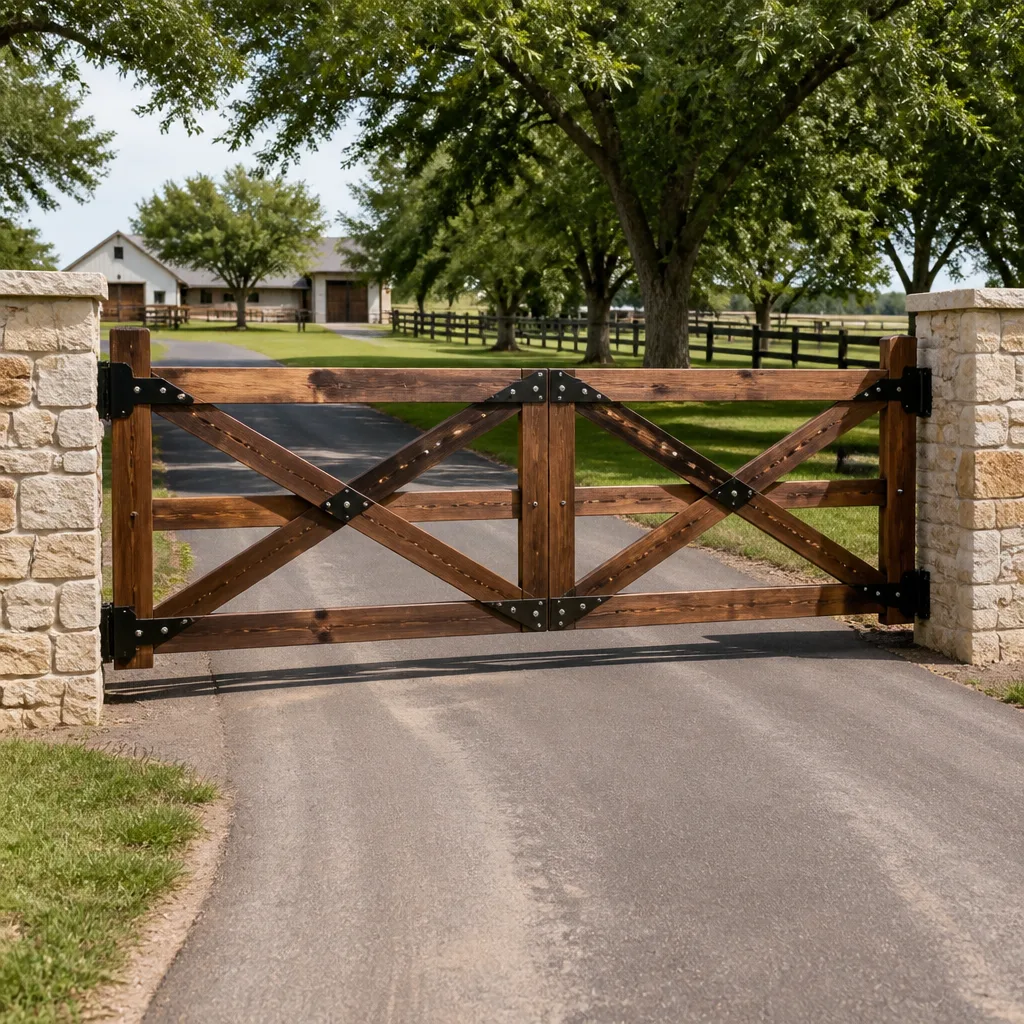 Farm & ranch
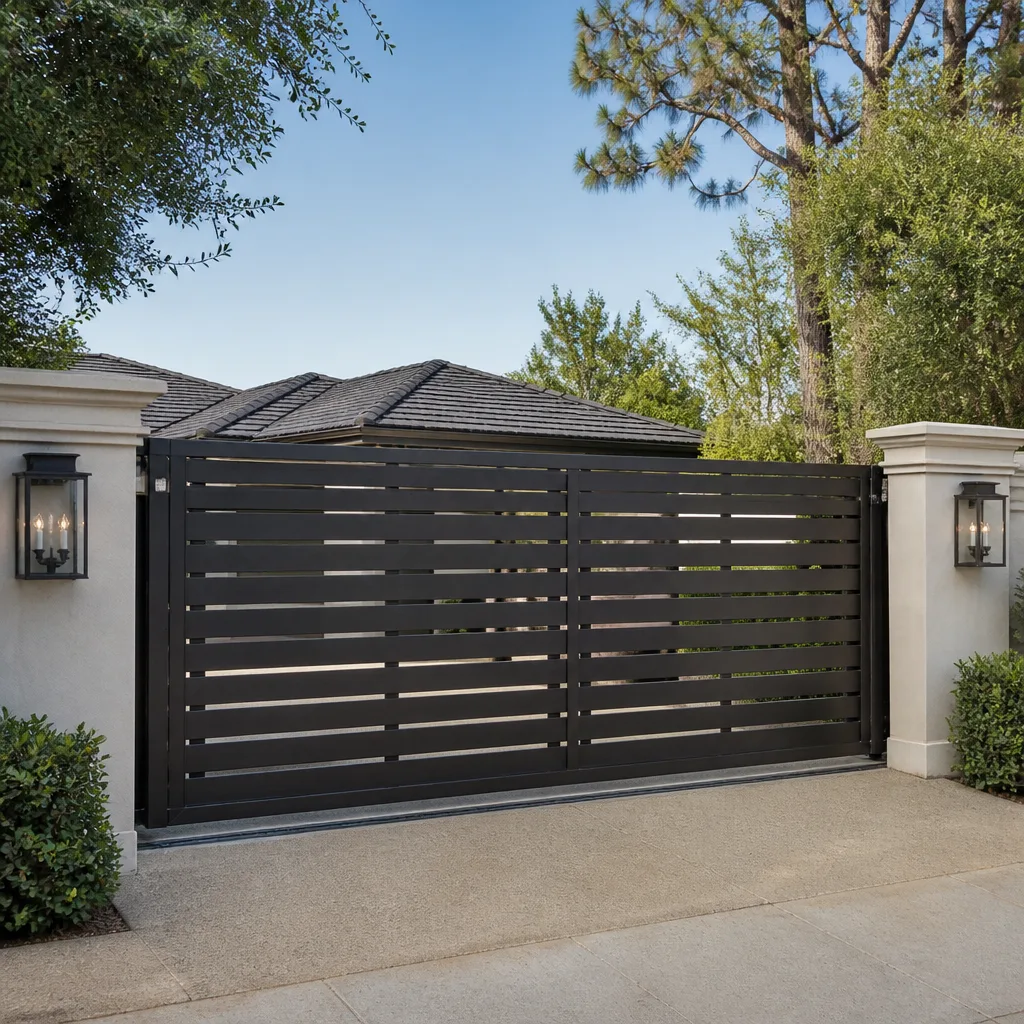 Sliding driveway gates
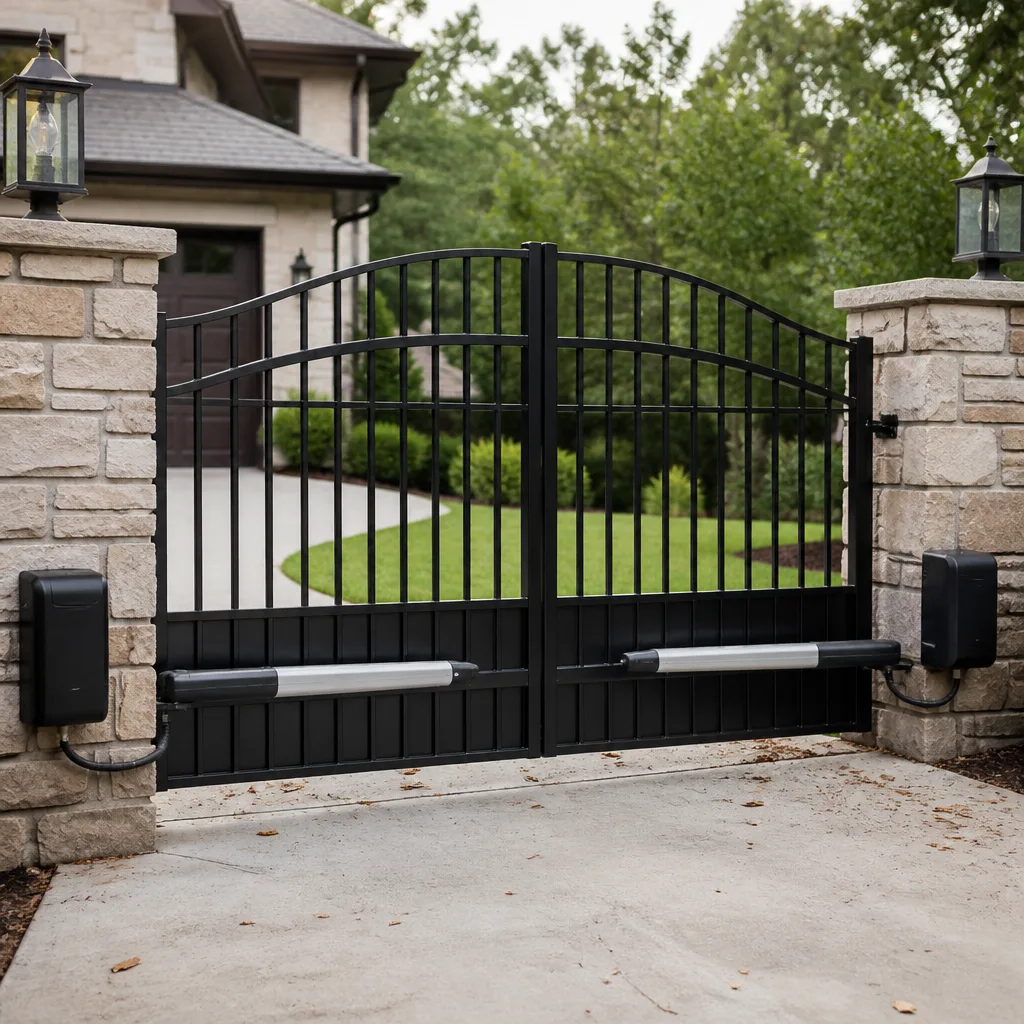 LiftMaster operators
Free on-site gate assessment - hinges, posts, and your LiftMaster or Nice gate operator checked before anything is quoted
The assessment is free and the quote is the invoice.
Get your free estimateGate Parts & Welding Maintenance Schedule: What to Do and When
The best time to find a stress crack in a hinge is February, before the summer expansion cycles widen it. By August, that same crack is a break, and a broken hinge on a 400-pound gate is not a weekend project. Most gate owners in Paradise never think about the metal at all. They think about the opener, the remote, the keypad. But the electronics are the part that tells you something is wrong. The steel is the part that fails quietly. This guide lays out a real calendar for gate parts and welding maintenance in Paradise: what to check, when to check it, and what a small problem looks like before it turns into a gate hanging off one hinge.
Quick Answer
Inspect your gate’s welds and hardware twice a year – once in late winter before heat expansion, and once after monsoon season – lubricate hinges, rollers, and latches every 60 to 90 days in desert conditions, and touch up bare metal with paint every 12 months. Structural checks catch most failures months before they become breaks, and a $30 tube of lubricant on a real schedule prevents the kind of weld fatigue that costs hundreds to repair.
Styles & brands we work with
- Wrought iron
- Wood & steel frame
- Farm & ranch
- Sliding driveway gates
- LiftMaster operators
Table of Contents
- The Pre-Summer Metal Fatigue Inspection
- Lubrication Intervals That Actually Work in Paradise
- How to Inspect a Weld Without Any Tools
- Post-Monsoon Hardware Checks
- The Annual Touch-Up Painting Schedule
- Your Year-at-a-Glance Calendar
- Common Mistakes to Avoid
- When to Call a Professional
The Pre-Summer Metal Fatigue Inspection
Paradise summers are brutal on metal. Steel expands as temperatures climb past 100 degrees, and every cycle of heat and cool-down puts stress on the same weak points: hinge welds, post-mount plates, and the frame joints where the gate meets its uprights. By July, a hairline crack in February has become a visible separation. By August, it has failed.
That is why the pre-summer inspection matters more than any other maintenance task. You want to be looking at the gate in late February or early March, before the first real heat wave. Here is what to check:
- Hinge welds. Look closely at every weld where a hinge attaches to the gate frame. Any crack, however small, is a flag. The weld line should be smooth and continuous – no splits, no rust-colored weeping, no gap between the metal surface and the weld bead.
- Post-mount plates. Check the bolts and welds where the hinge post bracket meets the fence post. A wobble here means the gate is moving under load, and that movement widens cracks fast.
- Frame joints. Run your hand along the bottom rail and the top rail. Any spot that feels rough or shows bubbling paint may be a weld underneath starting to fatigue.
- Drop and sag. Open the gate halfway and let go. It should hold. If it swings on its own, the hinge post is leaning or the hinge pin has worn, and both put load on welds they weren’t designed for.
- Ground clearance. A gate that clears the ground by two inches in February may scrape in July when the frame has expanded. Check clearance and adjust the opener limits if needed.
This is the inspection that catches failures before they cost you a gate. When we handle gate repair in Paradise, February and March are when we find the most problems worth fixing. By June, the same problems have become jobs.
Lubrication Intervals That Actually Work in Paradise
Standard lubrication advice tells you to grease hinges and rollers once a year. That advice was written for a climate with rain and moderate summers. In Paradise, the combination of fine desert dust, extreme heat, and dry air means lubricant evaporates or thickens faster than most manufacturers assume. We recommend a 60 to 90 day lubrication cycle on any gate that gets daily use, and every 60 days in the summer months.
Which product, exactly? Not all lubricants are equal in desert conditions:
- Hinges and hinge pins: A lithium-complex grease, applied with a small brush, lasts longer than spray products in heat. It stays put instead of running when temps climb.
- Rollers and tracks (sliding gates): A dry PTFE or silicone spray. Grease on a sliding track collects dust and grit and turns into an abrasive paste – exactly the wrong result.
- Latch hardware and lock mechanisms: A light machine oil or graphite-based lubricant. Graphite holds up better in dry heat and doesn’t attract grit.
- Opener drive chains: A chain-specific lubricant formulated for outdoor use. Never heavy grease – it traps dust and puts stress on the motor.
A practical rule: if you can remember to change the smoke alarm batteries, you can remember to lubricate the gate. Put it on the same weekend schedule. Do it twice more per year than that and you’re doing it right. For gates with a chain-drive opener – the kind on most Mighty Mule and LiftMaster units we see – a dry chain is the single most common cause of premature motor failure.
How to Inspect a Weld Without Any Tools
You don’t need a magnifying glass or a dye-penetrant kit. You need your eyes, your hands, and a flashlight. Here is how to check a weld properly:
- Look at the weld bead itself. A healthy weld has a slightly rippled, even surface. If you see a crack running into or across the bead, that’s a problem. If the bead looks lumpy or has a visible seam where it meets the base metal, the weld was probably thin from the start.
- Look at the metal around the weld. Rust streaks that radiate outward from a weld line mean water has been getting in. Bubbled or flaking paint right at the weld edge is another early warning sign – the metal is flexing underneath and breaking the paint seal.
- Run your finger along the weld line. Any sharp ridge, raised bump, or rough texture that wasn’t there last time means something has changed. A weld that is starting to fail often feels subtly different before it looks different.
- Load-test the gate gently. With the gate open, press down on the far end of the gate by about 50 pounds of force. Watch the hinge welds. Any visible movement or flexing at the weld means it’s working loose and needs attention.
- Check the post welds. If your hinge bracket is welded to the post rather than bolted, inspect those welds the same way. A post weld that is starting to fail is the most dangerous kind because the whole gate can shift suddenly.
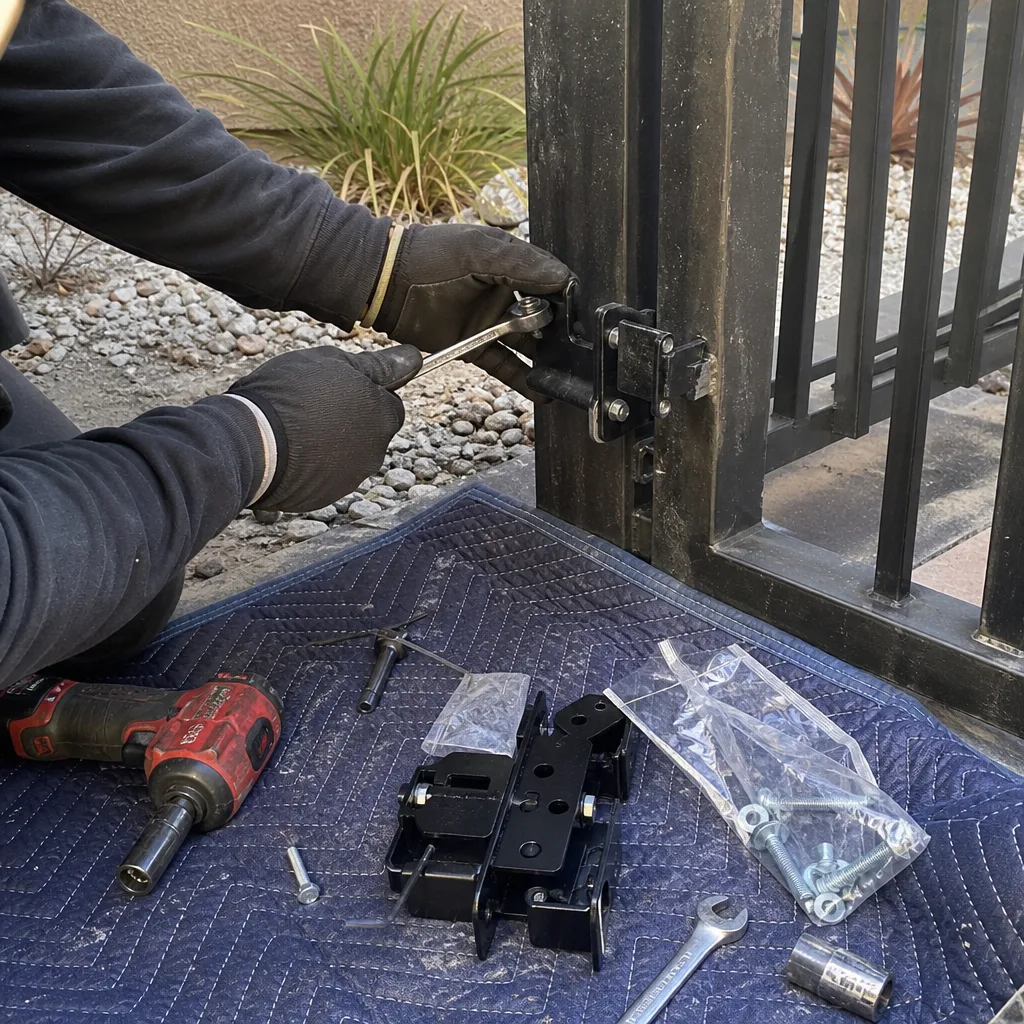
What do you do if you find a problem? If it’s a hairline crack, stop using the gate until it’s fixed. A gate under load is a 300 to 500 pound swinging object with the hinge as its weakest point – a failing weld can go from “still mostly closed” to “hanging from one hinge” in less than a day. Our team handles on-site welding so the gate never leaves your driveway – we fix it where it sits. If you want the full picture of what a proper repair involves, our guide on Gatewood Fence & Gate Paradise home starts there.
Post-Monsoon Hardware Checks
Paradise gets monsoon-driven winds that push laterally against gates and posts. A 40 mph straight-line gust against a 12-foot gate puts a lot of horizontal load on the hinge side, and the hardware that takes the hit is the same hardware that was already working the hardest. The checks that matter most after a storm:
- Hinge plates and bolts. Winds flex the gate, and flexed bolts work loose. Check that every hinge bolt is snug – not just tight by feel, but actually seated against the plate. A quarter turn means the bolt was backing out.
- Post bracket welds. This is the joint that takes the most lateral load. Look for cracks at the weld where the bracket meets the post. Pay particular attention to the bottom bracket – that is where the gate’s weight transfers into the post.
- Latch alignment. After a strong blow, the gate may have shifted slightly on its hinges. If the latch is sticking or doesn’t line up, the gate has moved, and the door may need a hinge adjustment before the latch wears out.
- Opener arm connections. The arm that connects the opener to the gate takes a hit when the gate is blown open while the opener is at rest. Check that the arm bolts are tight and the connection pin is not worn flat on one side.
- Post footings. If the hinge post has shifted in the ground – even a quarter inch – the gate will swing unevenly for months. That shift puts continuous stress on welds that weren’t designed for it.
The post-storm check is not a full inspection. It’s a fast, specific look at the hardware most likely to be affected. The full check happens on your annual schedule. If you want to know more about the different hardware and opener categories involved, our gate motor & opener in Paradise page covers what a properly installed opener arm should look like after a season of wind.
The Annual Touch-Up Painting Schedule
Bare metal in Paradise desert sun gets two problems at once. The first is UV degradation, which breaks down paint faster than in most climates – the sun here fades a paint job noticeably in 18 to 24 months. The second is oxidation on any spot where the paint has failed, which shows up as white or brown rust staining and eventually pits the metal surface.
The annual touch-up is simple, but it has to be done at the right time of year. Do it in October or early November, after the worst of the summer heat and before the winter temperature swings. Here’s the process:
- Wash the gate with a garden hose and a stiff brush to remove dust, grit, and loose paint. Let it dry completely – at least one full day in dry weather.
- Sand any bare or rusted spots down to clean metal with 120-grit sandpaper, then feather the sanded edge into the surrounding paint so the new coat has a transition.
- Apply a rust-converting primer to any spot where bare metal is showing rust. This stabilizes the surface before you paint over it. In our experience, skipping the primer step is the most common reason a touch-up doesn’t last.
- Topcoat with a color-matched exterior enamel. Two thin coats applied a few hours apart last longer than one thick coat. Don’t paint in direct afternoon sun – the paint dries too fast and won’t bond properly.
- Check the bottom of the gate specifically. This is where water sits when it does rain, and it’s the most common spot for rust to start. Any paint failure here is a bigger deal than one higher up.
We’re often asked whether it’s worth painting a gate that “still looks fine.” It is. Every spot of bare metal you find in October is one you’re not dealing with in a weld repair in March. On a gate that’s 10 or more years old, a yearly paint touch-up is what determines whether the frame lasts another 10 or gets replaced. If you’re thinking about a full replacement instead, the gate installation in Paradise page walks through what that involves.
Your Year-at-a-Glance Calendar
Here’s the whole schedule in one place:
- February or early March: Full pre-summer inspection – all hinge welds, post brackets, frame joints, and ground clearance. This is the most important check of the year.
- Every 60-90 days, year-round: Lubricate hinges, hinge pins, rollers, latches, and opener drive chains. The 60-day interval applies during summer.
- May (pre-summer heat): Confirm the gate swings freely and the opener limits are correct for summer expansion.
- July or August (after monsoon): Post-storm hardware check on hinge bolts, bracket welds, latch alignment, and post footings.
- October or early November: Annual touch-up painting including rust-converting primer on any bare metal spots.
- December (pre-winter): One more weld inspection before the temperature swings that stress joints going from warm days to cold nights.
Six touch points per year, and most of them are a 20-minute walk-around with a flashlight. That’s the whole maintenance program. A gate that gets this schedule will typically last years longer than one that gets an inspection only when something breaks.
See the difference
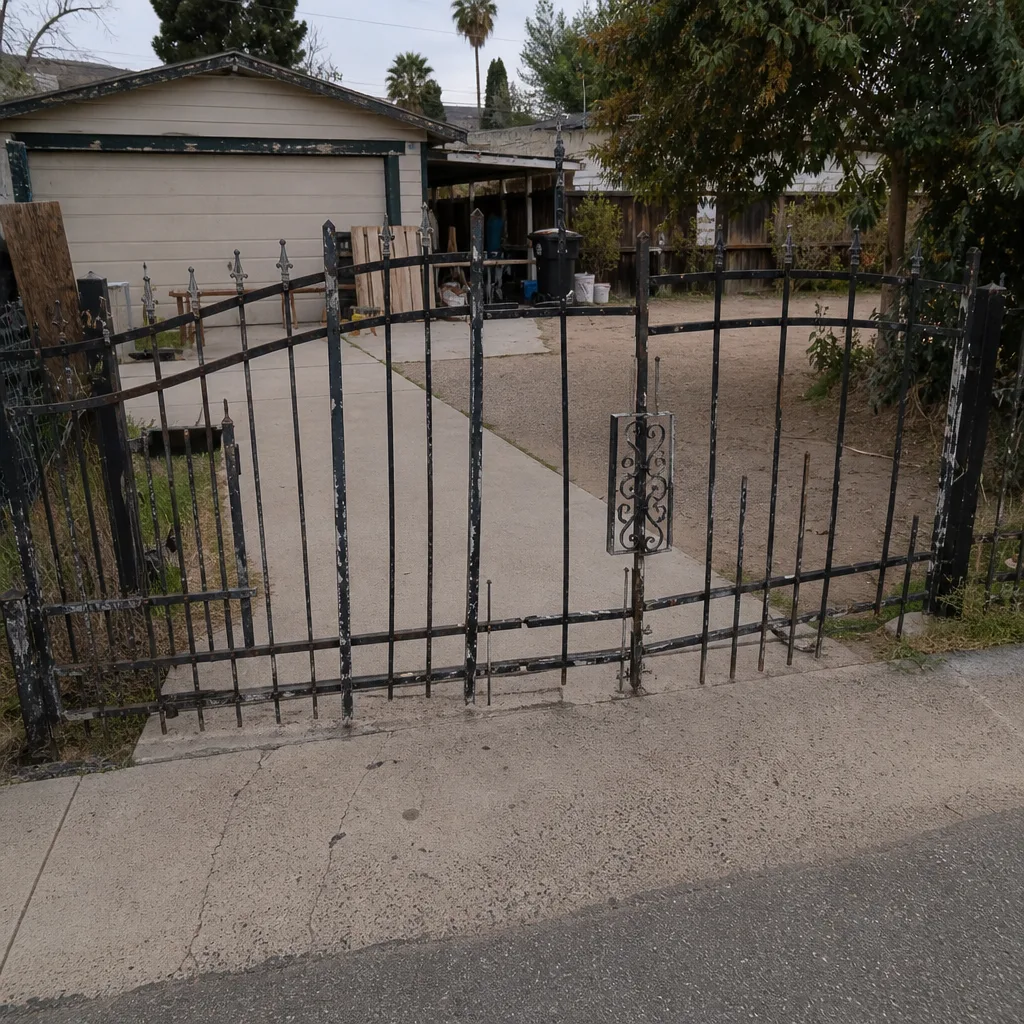 Before
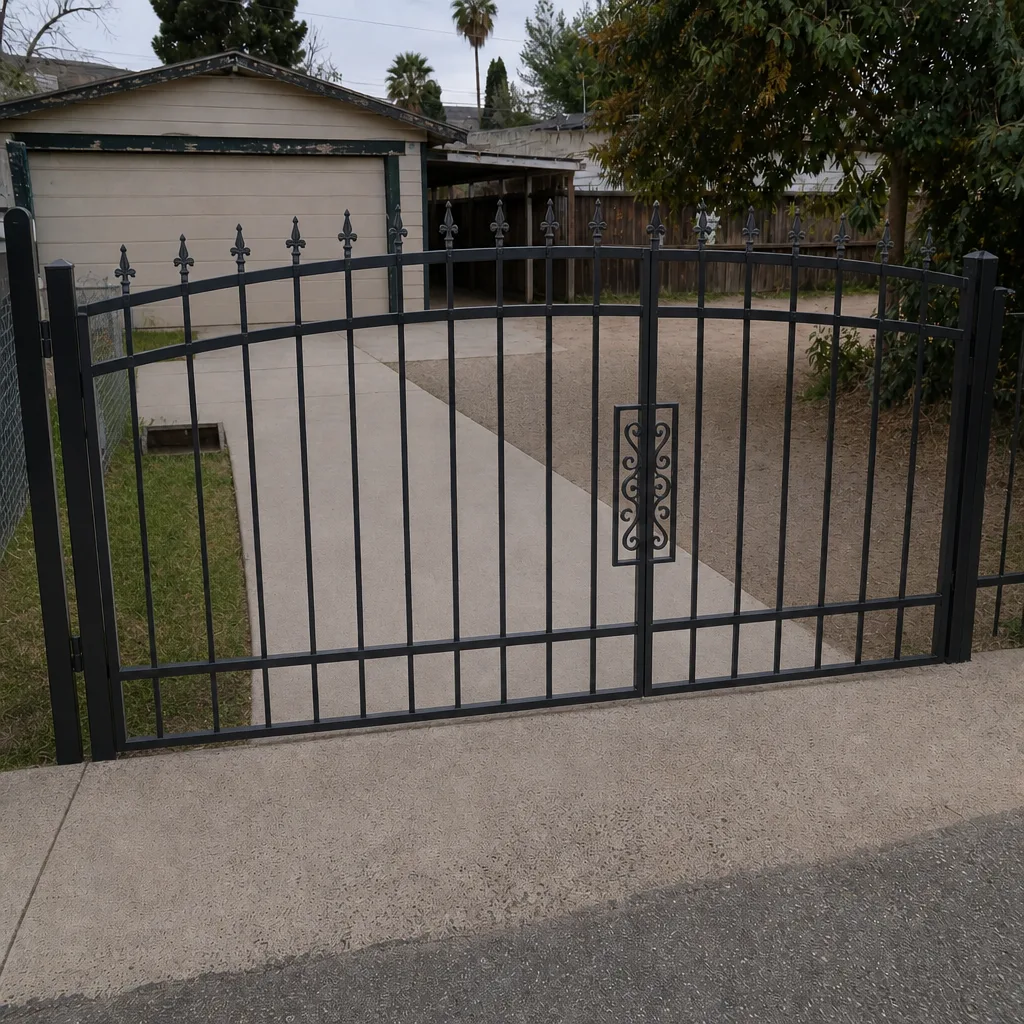 After
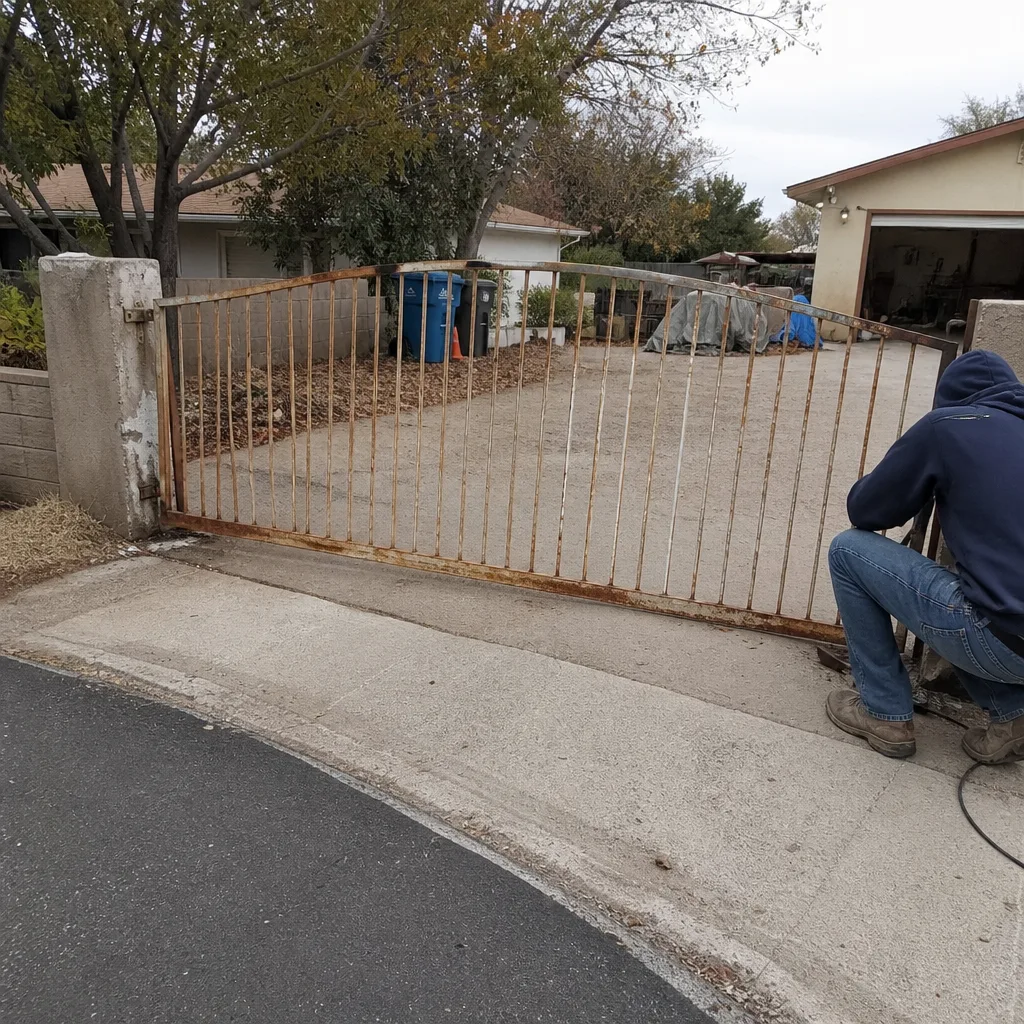 Before
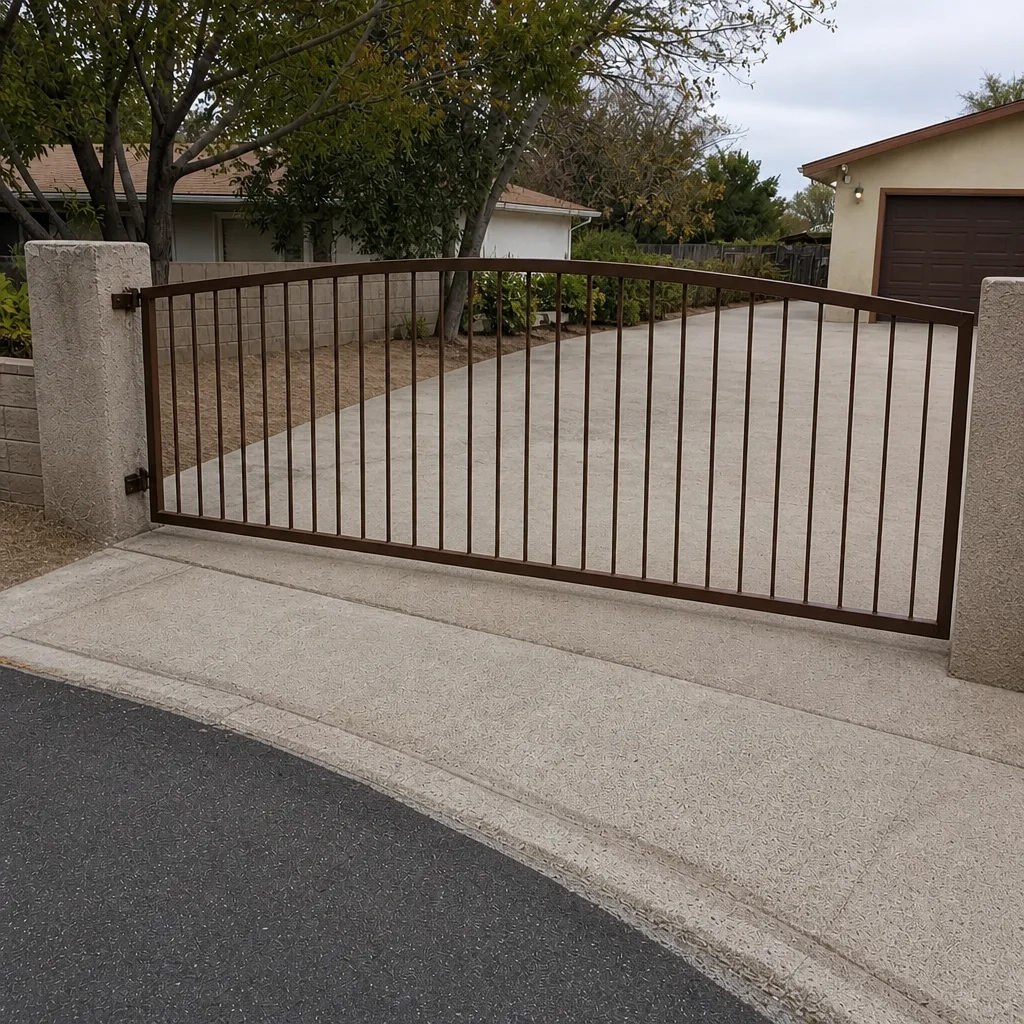 After
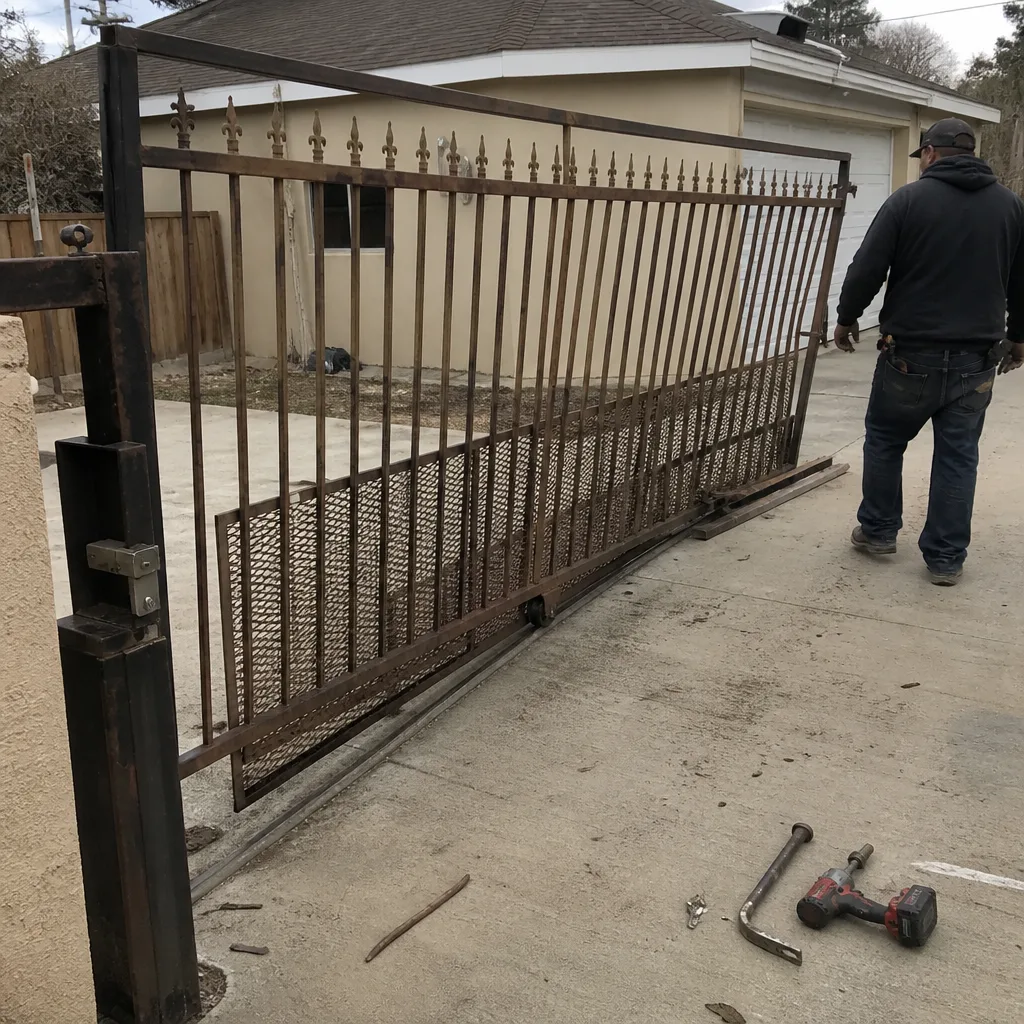 Before
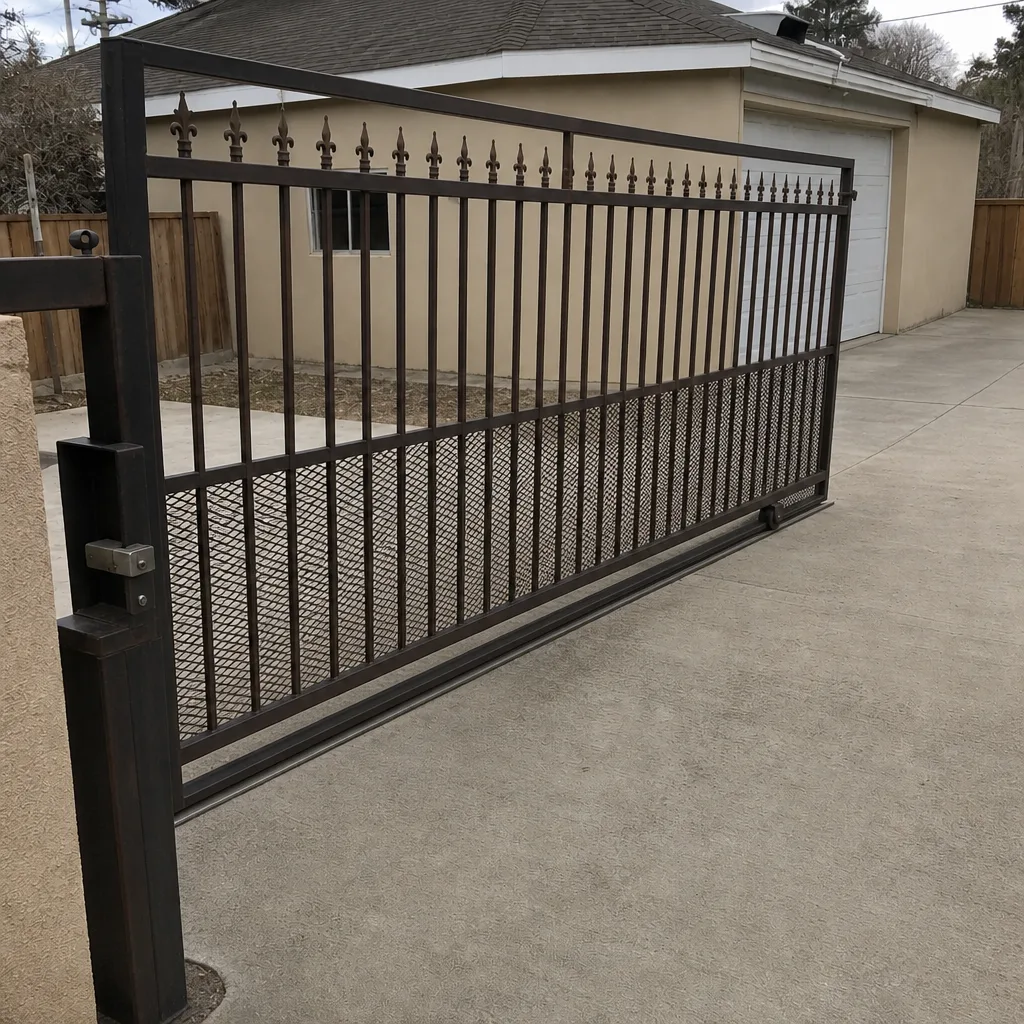 After
Why the Schedule Matters in Paradise Specifically
Most gate maintenance advice you find online was written for a climate with rain and mild summers. Paradise is a desert. That means three specific differences:
- You need to lubricate more often, not less. Counterintuitive, but true. Dry air causes lubricant to evaporate faster, and dust binds to whatever’s left. A 60-90 day cycle replaces most standard once-a-year recommendations.
- Heat expansion puts more stress on welds. A gate frame in Paradise moves more through temperature cycles than a gate in a coastal climate. That movement cycles every weld joint thousands of times over a season. February inspection catches what the cycles have started.
- UV degrades paint and welds together. Paint failure exposes bare metal, and bare metal oxidizes faster in low-humidity heat than most homeowners expect. The October touch-up schedule is genuinely more important here than in other regions.
The gates we see in Paradise that are holding up well – ten, fifteen, even twenty years old and still structurally sound – almost all belong to homeowners who follow something close to this schedule. Gates that fail early almost always fail because nobody checked their welds until the gate showed a problem too obvious to ignore.
Common Mistakes to Avoid
- Greasing a sliding track. Grease on a sliding gate track collects dust and turns into an abrasive paste that wears the rollers down faster than a dry track would. Use a dry PTFE spray, not grease.
- Waiting until the gate “feels off” to check the welds. By the time a gate feels wrong, the weld that started failing in February has been under load for months. The pre-summer inspection catches the problem before it becomes a symptom.
- Painting over rust without a primer. A topcoat on top of active rust will peel off within a season in Paradise sun. The rust-converting primer step is not optional.
- Tightening one hinge bolt and not the others. If one hinge bolt on a bracket has backed out, the whole bracket is working loose. Tighten every bolt on that hinge plate, not just the one that caught your eye.
- Ignoring a quarter-inch drop. A gate that sags slightly after a monsoon wind has a hinge post problem. Left alone, the sag keeps loading one corner of the hinge plate until the weld cracks. Fix the post before you fix the weld.
- Letting a broken weld stay broken because the gate still opens. A gate on a failing hinge is one gust away from coming off. Never assume a “mostly working” gate means a safe gate.
- Skipping the post-storm check because “nothing looked different.” The most common post-storm finding is a hinge plate that has backed off slightly – not visibly, but enough to load the weld unevenly. It’s a two-minute check and a 15-minute fix. Skip it and it becomes a door replacement.
When to Call a Professional
Some maintenance work is genuinely yours to do: lubrication, painting, and the visual walk-around. But anything involving weld repair, hinge replacement, or structural adjustment calls for someone with the equipment and the experience to do it right.
Call a professional if you find a visible crack in any weld, if the gate has dropped or sags and won’t stay in position, if the hinge post has shifted in the ground, or if a storm has visibly moved the gate out of alignment. A broken hinge weld on a 400-pound gate is not something to attempt on a Saturday with a friend and a welding machine. If you’re not sure whether a problem needs fixing, have it looked at – a second opinion is genuinely inexpensive compared to a gate failure.
Gatewood Fence & Gate Paradise offers free estimates in Paradise – call (888) 292-7536 and a live person will pick up, not voicemail, not a queue. We’re locally owned and owner-operated, with a published address and license number, and on-site welding means your gate stays where it is. Every job carries our 90-Day Done Right Promise in writing. Standing offers include $40 off any repair over $200, no trip charge inside the county, and a permanent 10% discount for seniors and veterans. We service all nine major gate brands – LiftMaster, Mighty Mule, FAAC, BFT, Linear, Viking, Ghost Controls, DoorKing, and Elite – so we’ve seen the specific failure points on whatever gate you have.
Frequently Asked Questions
Every 60 to 90 days, and every 60 days during summer. The desert climate is harder on lubricants than most places, so the once-a-year schedule from the manufacturer’s manual is not enough for a gate in Paradise. Use lithium grease on hinges, dry PTFE on sliding tracks, and graphite on latches. If you notice the gate is stiff or the opener is working harder, lubricate sooner rather than waiting for your scheduled date. If lubrication alone doesn’t fix a stiff gate, that’s worth a free look – call (888) 292-7536.
Failed hinge welds, without question. In our experience, about half the weld repairs we handle trace back to a hairline crack that could have been caught in February and fixed in an hour instead of becoming a hinge replacement later in the year. The summer heat expansion in Paradise widens those cracks month over month. The second most common is post-mount bracket bolts backing out after monsoon winds. Neither one is expensive to fix early and both are expensive to fix late. If you’re not sure how to check yours, call (888) 292-7536 – the estimate is free.
Yes, most of the time. Look for rust streaks radiating from a weld line, bubbled or flaking paint at the weld edge, or a visible crack in the weld bead itself. Run your finger along the bead – a surface that was smooth last year and feels ridged now means the weld is flexing. Gently load-test the gate by pressing down on the open end and watching the hinge welds for movement. If you find any of those signs, stop using the gate and call (888) 292-7536 before the problem gets worse.
Yes, if the gate has exposed metal or worn paint. A yearly touch-up in October or early November is what keeps rust from becoming a welding problem. The UV in Paradise degrades paint about 30 to 40 percent faster than in a coastal climate, and that means the paint seal breaks down quicker, bare metal gets exposed, and rust starts. A once-a-year touch-up with proper rust-converting primer costs far less than weld repair or replacement. If paint is failing across most of the gate, a full refinishing estimate is worth getting – call (888) 292-7536.
Hinge bolts and hinge-plate welds. The lateral force from wind works those joints hardest, and the morning after a storm is the time to catch a bolt that has backed off or a weld that has started to crack. After the hinges, check the bottom bracket weld on the post – that’s where the gate’s weight transfers into the ground, and it takes the most stress. Latch alignment and opener arm bolts are next. If the gate is binding, stalling, or visibly out of alignment, call us at (888) 292-7536 – we treat post-storm repairs as priority calls.
Most of the time, it’s the hinge post, not the weld. A gate sags because the post has started to lean or the hinge pin has worn, and the sag loads one corner of the hinge plate unevenly. If the sag continues, the weld at that corner will eventually crack. So a sag is an early warning that a weld problem is coming. Fix the post and the hinge before you need to fix the weld. In our experience, homeowners who call about a sagging gate often find a visible hairline weld crack once the sag is corrected. For a free estimate on your sagging gate, call (888) 292-7536.
The Bottom Line
Gate maintenance is not complicated, but it is scheduled. Check welds in February before heat expands the metal. Lubricate every 60 to 90 days and use the right product for each part. Do a post-monsoon hardware check after every storm that produces real wind. Paint the bare spots every October. That’s the entire program – four touchpoints, less than two hours per year of actual work, and it can double the lifespan of a gate frame. The parts that fail are always the parts nobody looked at. A gate in Paradise that gets this calendar will outlast one that gets inspected only when it stops working. If you’d rather have a trained eye do the walk-around once a year, that’s what we’re here for.
Written by the team at Gatewood Fence & Gate Paradise.