
Last updated November 18, 2026
 Wrought iron
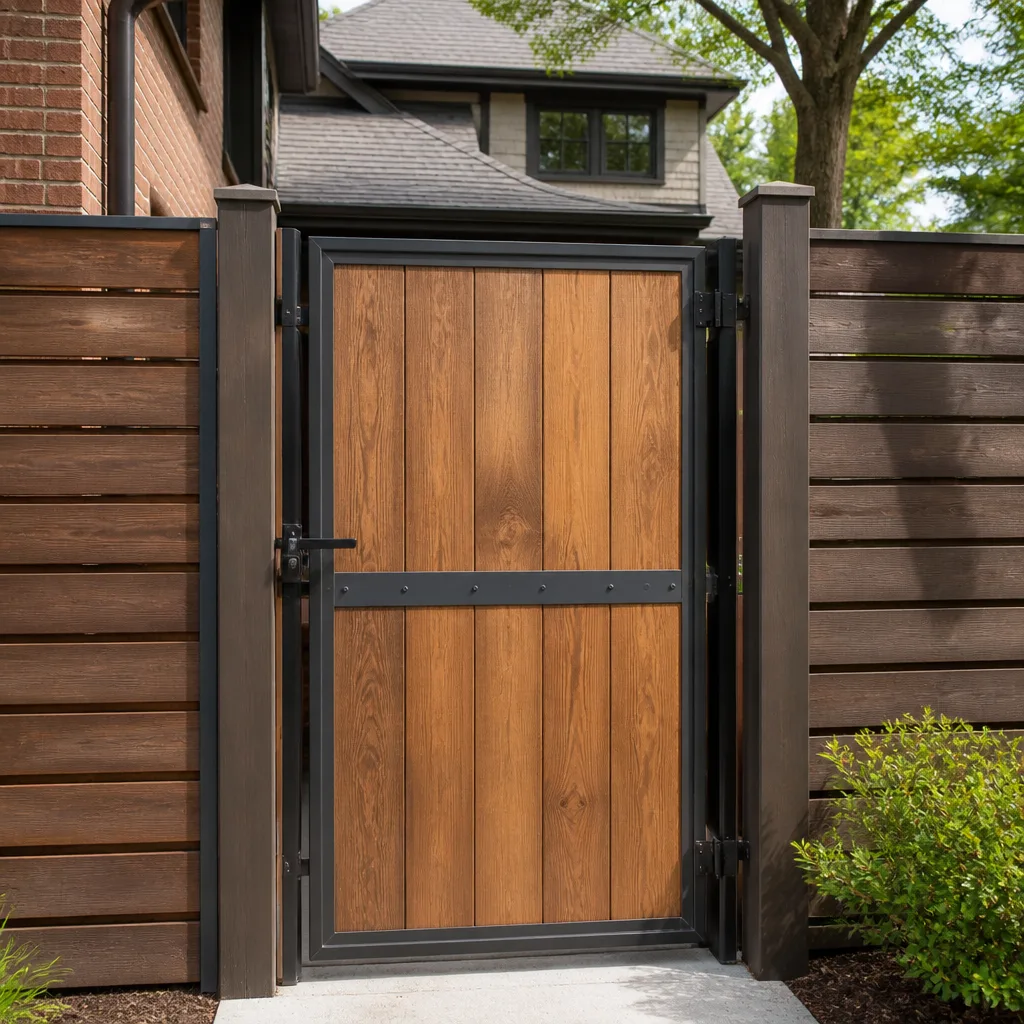 Wood & steel frame
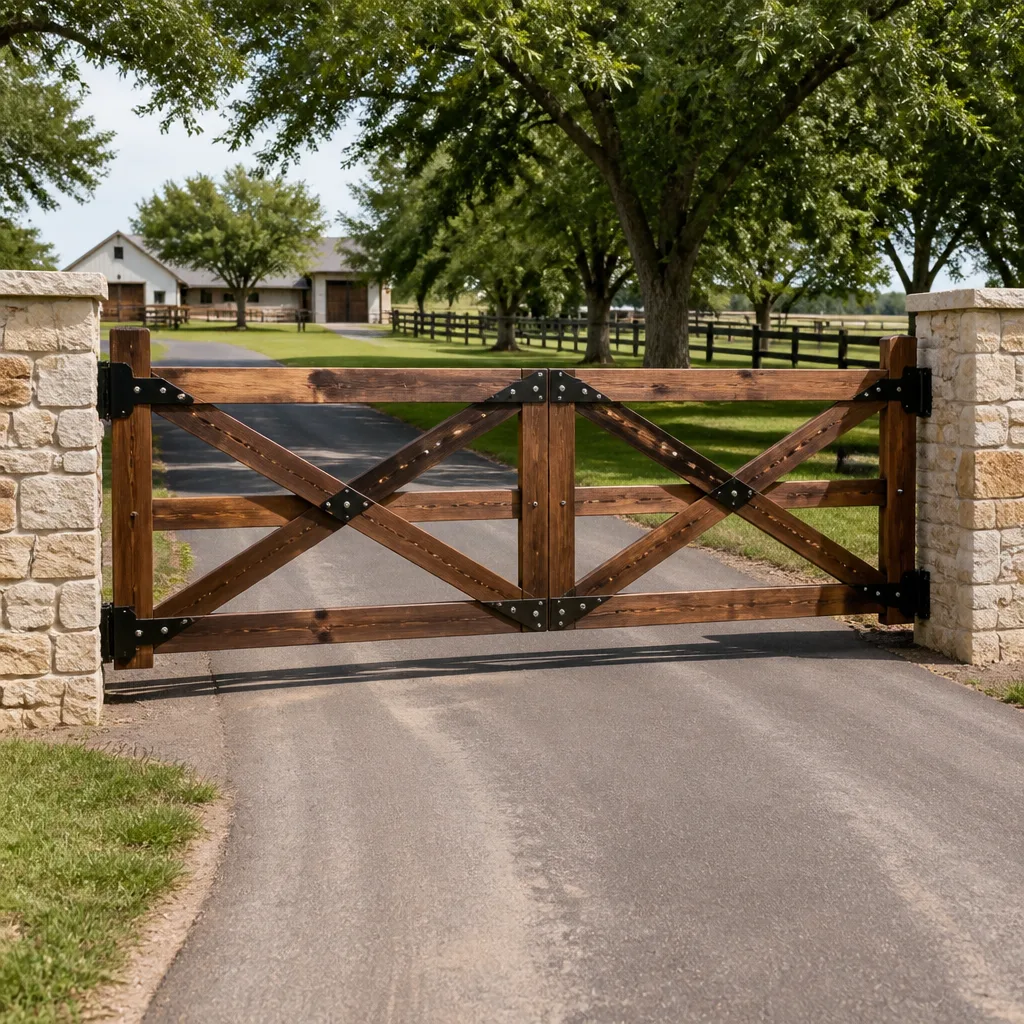 Farm & ranch
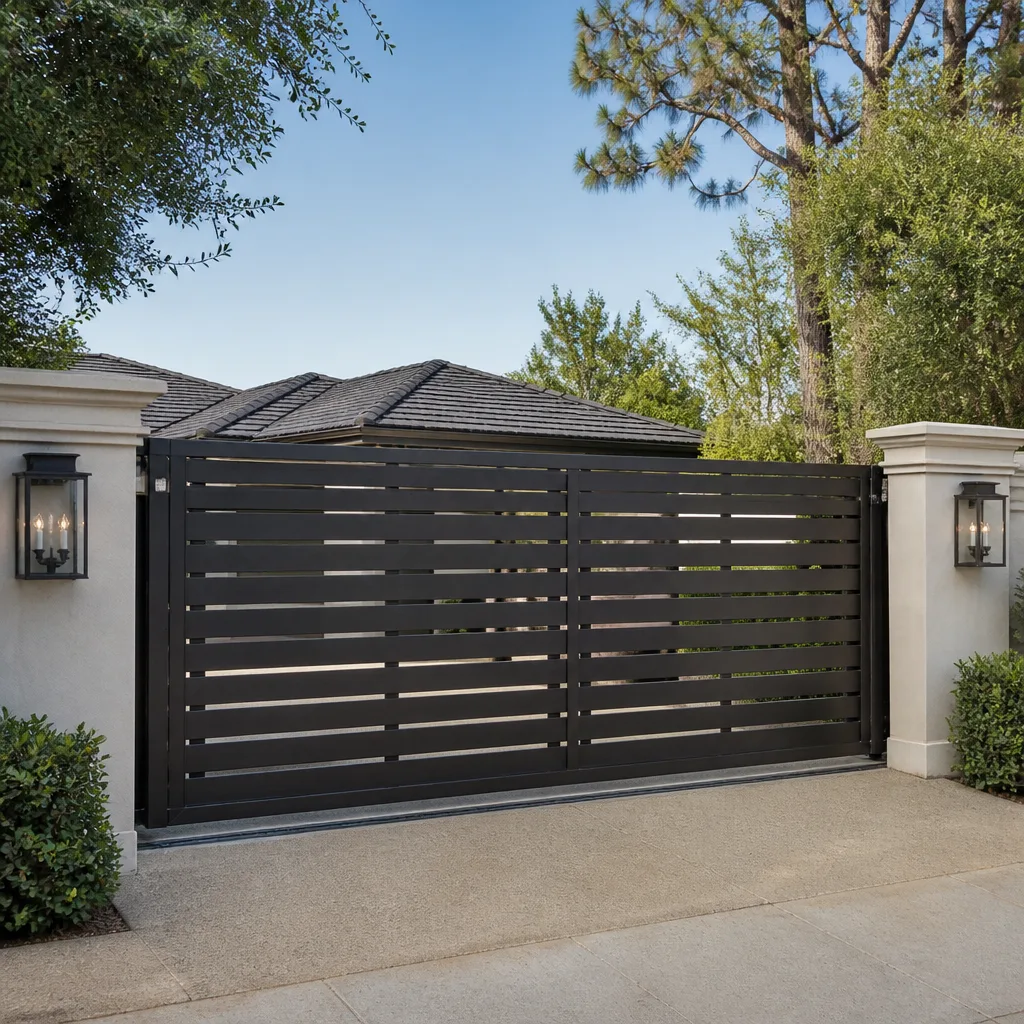 Sliding driveway gates
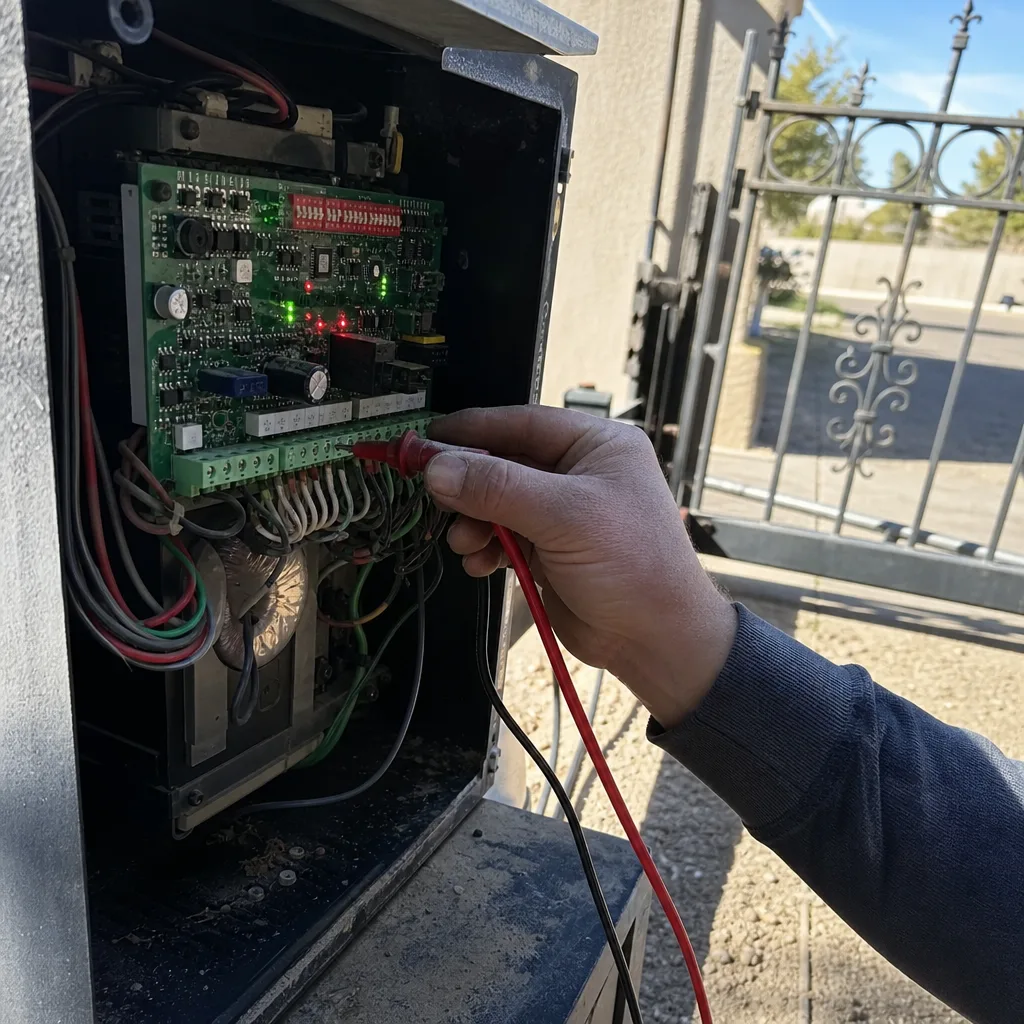
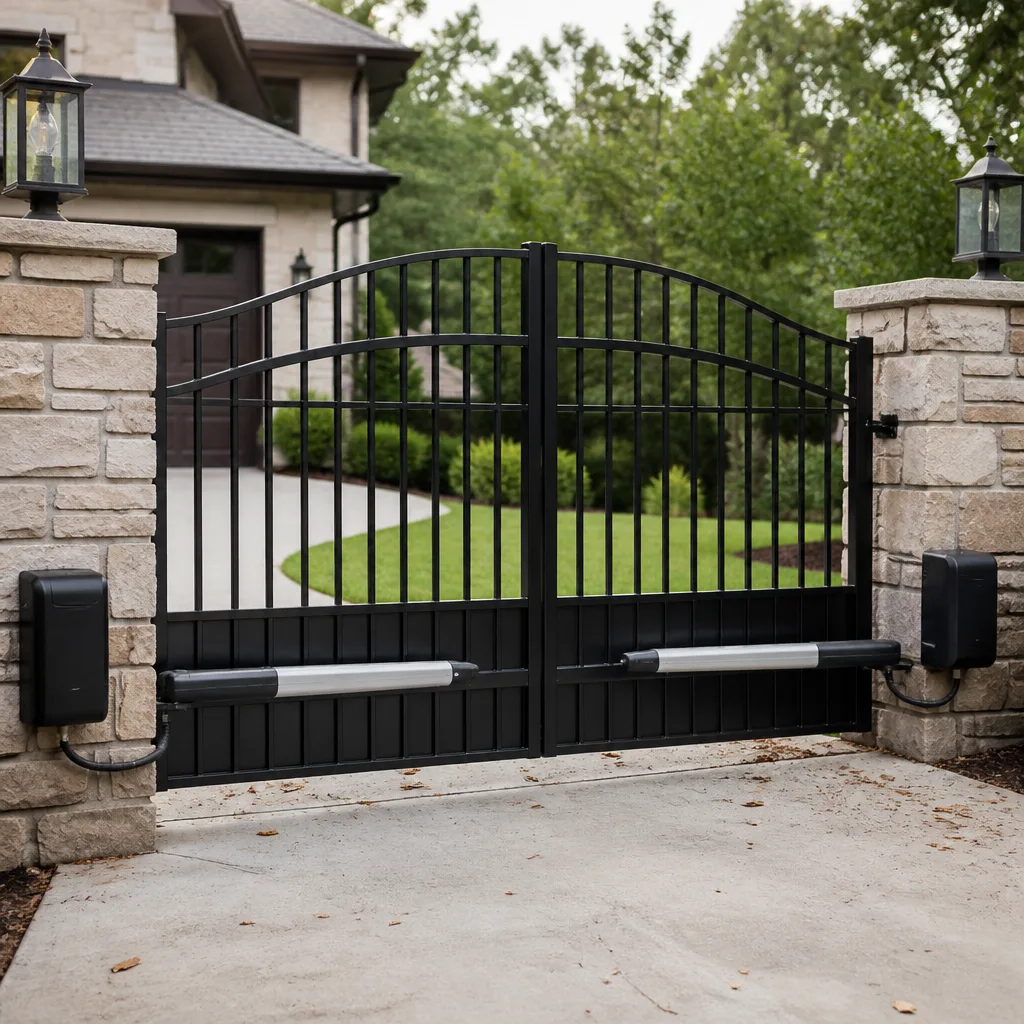 LiftMaster operators
Free on-site gate assessment - hinges, posts, and your LiftMaster or Nice gate operator checked before anything is quoted
The assessment is free and the quote is the invoice.
Get your free estimateHow Long Does Gate Installation Take? Timelines and What to Expect
Concrete takes 28 days to reach full strength, yet plenty of crews hang a gate on a fresh post within 24 hours and call the job done. That gap, between “done” and “actually set,” is where most post-failure problems are born. A gate that sags by spring usually isn’t a bad gate. It’s a gate hung on concrete that was still green. In this guide we’ll walk through the real timeline for a gate installation, why the cure window matters more than the install day, how the caliche under a Paradise yard changes the schedule, and the questions to ask before anyone breaks ground.
Quick Answer
A standard residential gate installation takes one full day of work, but the job isn’t truly finished for about a week. The post needs to be set, then left alone while the concrete cures before the panel gets hung, hardware gets adjusted, and the swing gets dialed in. In rocky Paradise soil, digging alone can add a few hours. Plan on a one-day install plus a short return visit, and ask your installer what their post cure wait is before you sign anything.
Styles & brands we work with
- Wrought iron
- Wood & steel frame
- Farm & ranch
- Sliding driveway gates
- LiftMaster operators
Table of Contents
- What the Real Timeline Looks Like, Phase by Phase
- Why Paradise Soil Adds Time Nobody Quotes For
- The Cure Window: Why It’s the Most Important Part
- What “Done” Actually Looks Like
- Why Stacking Fence Work and Gate Work Back-to-Back Goes Wrong
- Questions to Ask Before You Hire
- Site Prep: What Needs to Happen Before Install Day
- When a Motor or Opener Enters the Picture
What the Real Timeline Looks Like, Phase by Phase
Most companies talk about “installation day” as if a gate just appears. In our experience the calendar is longer than that, and knowing the phases helps you plan around them. Here’s how a typical install actually unfolds.
- Site prep and layout (a few hours, sometimes a partial day). The crew walks the property, marks the opening, checks property lines, and confirms the swing direction. If utilities need locating, that’s a separate scheduling step and can push the whole job.
- Digging and post setting (2 to 5 hours, longer on rock). The post holes get dug, the posts get plumbed, and concrete goes in. This is where Paradise ground can turn a two-hour dig into a full morning.
- Concrete cure (24 hours minimum, ideally longer). The post has to sit undisturbed while the concrete sets enough to hold weight. This is not the same as full cure, but it’s the window most installers use.
- Panel hang and hardware (2 to 4 hours). The gate panel gets mounted, hinges aligned, latch and stop set, and the swing tested.
- Final adjustment and walkthrough (1 hour). Swing arc, latch engagement, and post plumb get re-checked. You should be shown how everything operates before the crew leaves.
Add it up and the work itself is usually a day. The full schedule, if you’re counting from dig to final adjustment, runs closer to a week. A gate installation in Paradise that follows this sequence is the one that holds.
Why Paradise Soil Adds Time Nobody Quotes For
If you’ve ever tried to plant a shrub in Paradise, you already know. The caliche layer under a lot of yards here is closer to concrete than dirt, and it doesn’t give. A post hole that takes 20 minutes in loamy soil can take an hour or more when you hit a caliche pan, and the crew has to break through with a bar or a rock bit rather than a plain auger.
Here’s what that means for a timeline. Most flat-rate quotes are built around average digging. When the ground fights back, either the schedule slips or the crew rushes the rest of the job to catch up. We’ve seen both, and neither is good for the homeowner. In our experience, the honest answer to “how long will this take” in Paradise always includes a caveat about the ground.
What to watch for:
- A quote that doesn’t mention soil conditions at all. Ask directly: what happens if you hit rock?
- Extra charges buried in fine print for “unforeseen digging.” That’s not upfront pricing, it’s a surprise.
- A crew that shows up without rock bars or a hammer drill. Not every yard needs them, but a prepared crew brings the tools.
If you’re in the market for an install and want a straight answer on the ground you’re standing on, our Gate Installation in Paradise page lays out how we scope a job before we quote it.
The Cure Window: Why It’s the Most Important Part
This is the part nobody wants to talk about, and it’s the reason gates fail. Concrete doesn’t reach anything close to structural strength in 24 hours. It’s got to cure, and that takes days, not hours. Hanging a heavy gate panel on a post that’s still green puts load on a foundation that hasn’t set, and that load translates into a post that leans ever so slightly. By spring, the gate is dragging.
A good install respects the cure window. Here’s what we mean in practice:
- Minimum 24 hours before the panel hangs. Long enough for the concrete to hold weight without flexing the post.
- Longer when the gate is heavy or motorized. A big steel gate or a motorized slide gate puts more leverage on the post, and the cure window should stretch accordingly.
- Full adjustment visit after cure. The gate should be re-checked a few days after the hang, once the concrete has really set, to confirm swing and latch still line up.
If a crew shows up with a gate panel and a post hole on the same morning and hangs the gate by lunch, ask questions. They may have their reasons, but the cure window is exactly the kind of thing that separates a gate that lasts from one that sags.
What “Done” Actually Looks Like
“Done” isn’t a crew packing up the truck. Done is a specific set of checks, and you should see them run through before anyone drives off. Here’s what a proper final walkthrough covers.
- Post plumb. The post should be level in both directions. A post that’s off by a degree or two looks fine on the day and shows up as a sag later.
- Swing arc. The gate should open and close on an even arc without binding, dragging, or hitting anything along its path.
- Latch engagement. The latch should catch cleanly every time, without lifting, dropping, or rattling loose. Step back and let the gate close on its own. If it doesn’t latch, it isn’t done.
- Hinge alignment. The hinges shoulder the whole load, and they should line up with the post so the gate weight is carried by the hinge post, not by the panel itself.
- Hardware check. Latches, stops, catches, and any motor hardware should be tightened and confirmed working.
If you’re looking at a repair instead of an install, our Gate Repair in Paradise page covers the more common failure points, and the things we check on a service call.
Why Stacking Fence Work and Gate Work Back-to-Back Goes Wrong
It happens all the time. A homeowner schedules fence repair and a new gate together, and the crew tries to finish both in one push. That sounds efficient. In practice it means the gate gets hung on a post that’s still curing so the truck can leave and make the next stop. The fence looks great, and the gate is already a little off by the time the crew pulls away.
The math is simple. A gate post needs cure time. A fence line doesn’t put the same load on a single post, so it can go up faster. When both jobs run on the same day, either the gate is rushed or the schedule slips. The honest answer is to let the two jobs sit on different days, even if that means the gate install comes back a week later.
We’d rather make two trips than sell you a gate that fails the first time a Santa Ana wind pushes through. It’s also why we’re picky about the sequence when we quote a job that includes both. If you’re going to stack work, ask the contractor how they handle the cure window before they load the trailer.
Questions to Ask Before You Hire
The single best way to avoid a rushed install is to ask two questions before you sign anything. The answers tell you almost everything about how the job will go.
- “What’s your post cure wait before you hang the panel?” A good answer is at least 24 hours, longer for a heavy or motorized gate. A vague answer, or “we hang the same day,” is a warning sign.
- “What happens if you hit rock while digging?” A prepared crew has a plan, and a fair one, that doesn’t shift the price on you. If the answer is “we’ll figure it out,” ask for it in writing.
- “Who does the final adjustment, and when?” You want to hear that the same crew comes back after cure to check swing and latch, not that you’ll be handed a phone number if something sags.
- “Is the pricing in writing before you start?” It should be. An upfront price is the whole point of hiring someone. We put ours in writing and honor it.
Those four questions filter out most of the trouble. And if you’ve got a written estimate from someone else and want a second look, we’ll give you a free second opinion on it. It doesn’t cost you anything, and it’s saved more than one homeowner from a bad deal.
Site Prep: What Needs to Happen Before Install Day
Installation day is a lot smoother when the prep work is done ahead of time. Whether you’re doing the prep yourself or the crew is handling it, here’s what needs to be in place.
- Confirm the opening and swing direction. Walk it with the installer and agree on which way the gate swings and where the posts land. This prevents the most common “wait, that’s not what we discussed” moment.
- Locate utilities. Call the utility locating service before anyone digs. A cable strike will shut the job down for days.
- Clear the path. The crew needs room to work. Cars, planters, and heavy debris in the install zone should be out of the way.
- Agree on the concrete mix and post depth. Depth matters more than people think, and the deeper the post goes, the more it resists sag.
- Plan the return visit. Get the cure-and-adjust date on the calendar before the crew leaves the first day.
Site prep done well saves a surprising amount of time on the actual install day. If you’re scoping out a job in Paradise, our team can walk the site and give you a straight read on what it’ll take. You’ll find our Gatewood Fence & Gate Paradise home page to be the best place to start.
When a Motor or Opener Enters the Picture
If you’re adding a motor or opener, add time to the schedule. Motor and opener work goes in after the gate is hung and curing, not on the same day. The hardware, the power run, and the safety edges all have to come together before the gate is operational. We work with the major brands, including Linear, Viking, and DoorKing, and each one has its own quirks on setup.
Here’s the rough sequencing for a motorized install:
- Gate hung and cured first. The gate should swing freely by hand before the motor goes on.
- Power run and safety edge installation. Electrical and safety gear should be laid out and tested before the motor gets connected.
- Motor mount and calibration. Travel limits, speed, and force settings get set so the gate opens and closes reliably.
- Safety test. Safety edges get tested against the gate’s closing path so the motor reverses properly.
We cover the details on our Gate Motor & Opener in Paradise page. The point here is timing: motor work adds a phase, and it shouldn’t be rushed to fit the same day as the install.
Common Mistakes to Avoid
- Hanging the panel before the concrete sets. It’s the single biggest cause of sagging gates, and it’s the one thing a rushed crew will do to stay on schedule.
- Stacking fence and gate work on the same day. The gate ends up hung green so the crew can keep moving. Demand separate days.
- Skipping the return visit after cure. The post settles a little as concrete cures, and the gate needs a re-check. No return visit is a no-go.
- Not asking about digging conditions in Paradise. Caliche and rock turn a two-hour dig into a full day. A quote that ignores it will either cost more or come in late.
- Accepting a verbal price. Get it in writing. If the number at the door is different from the number on the phone, that’s not how a job should work.
- Skipping the final walkthrough. Swing arc, latch engagement, and post plumb should all be checked in front of you. If the crew won’t walk you through it, that’s a problem.
- Assuming “done” is the day the crew leaves. On a proper install, done is the day after cure when the adjustment gets confirmed.
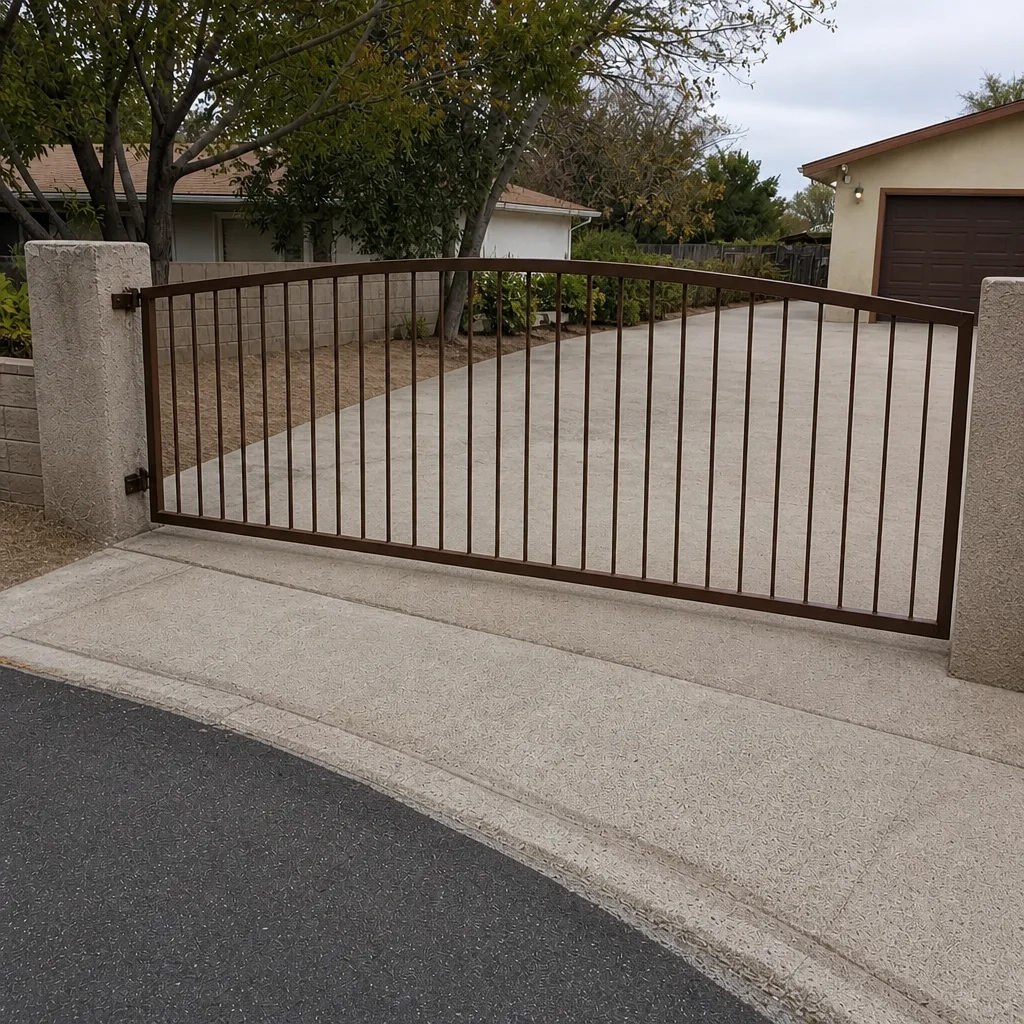
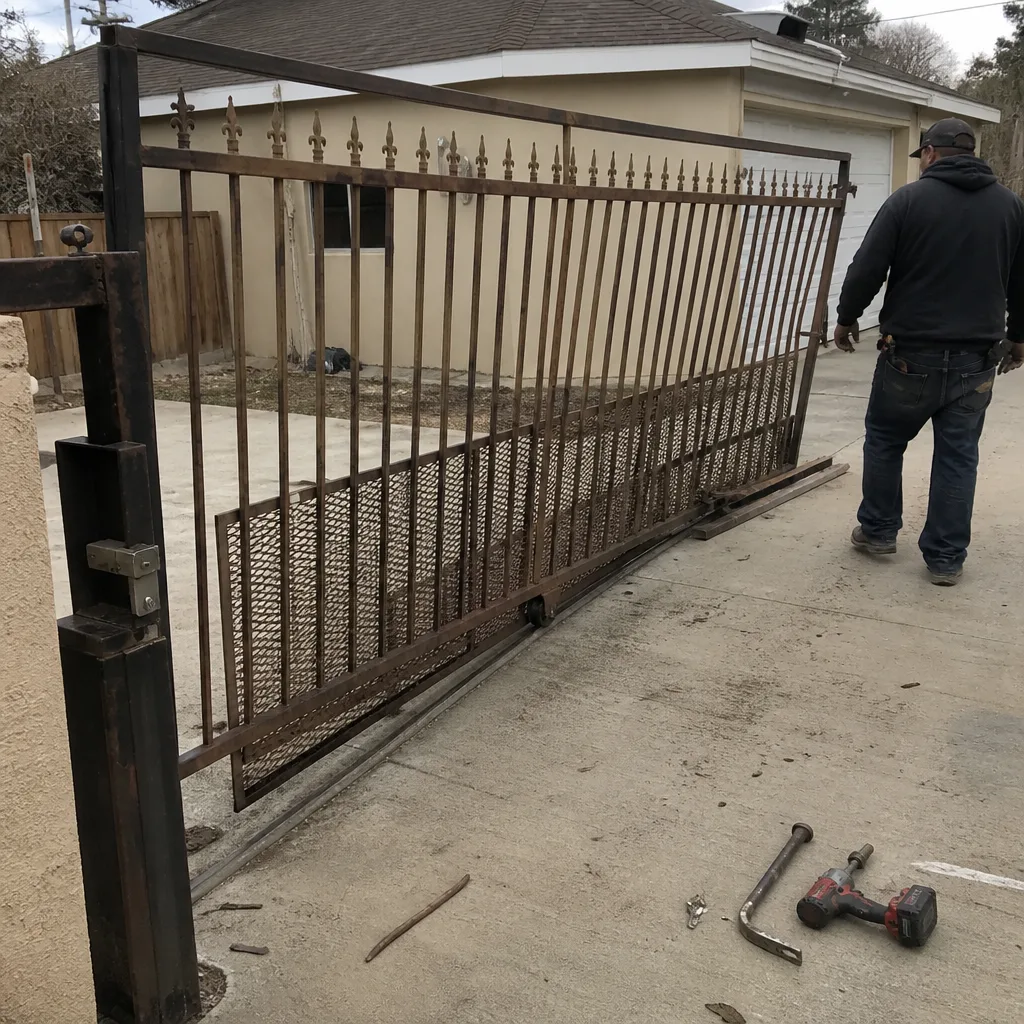
See the difference
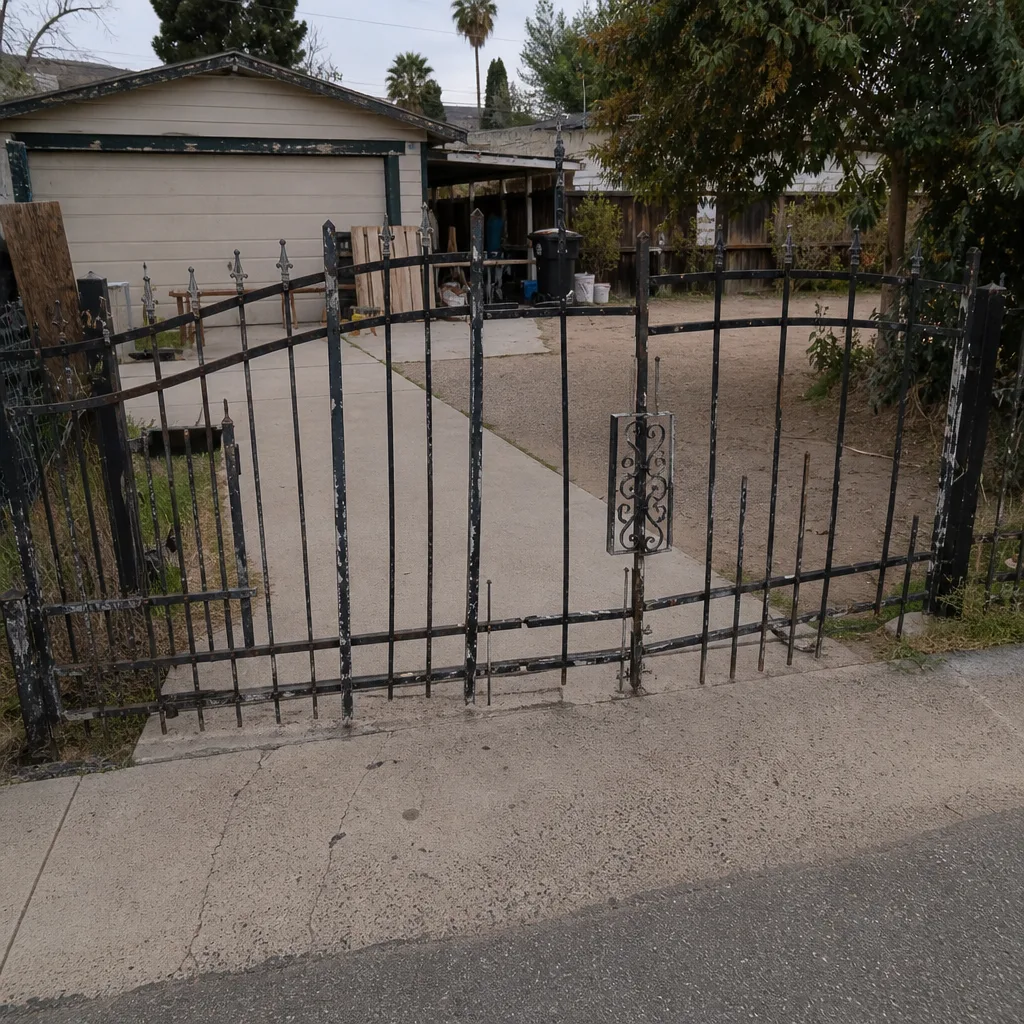 Before
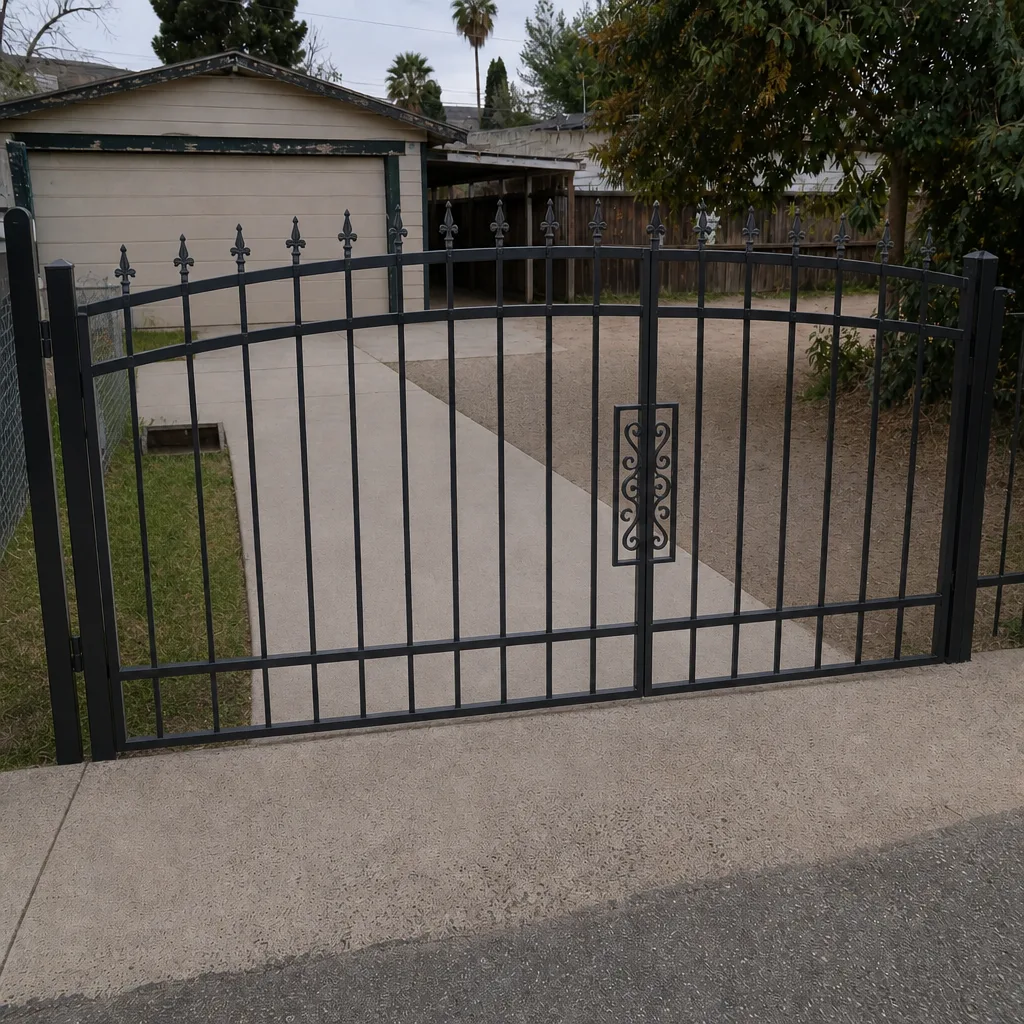 After
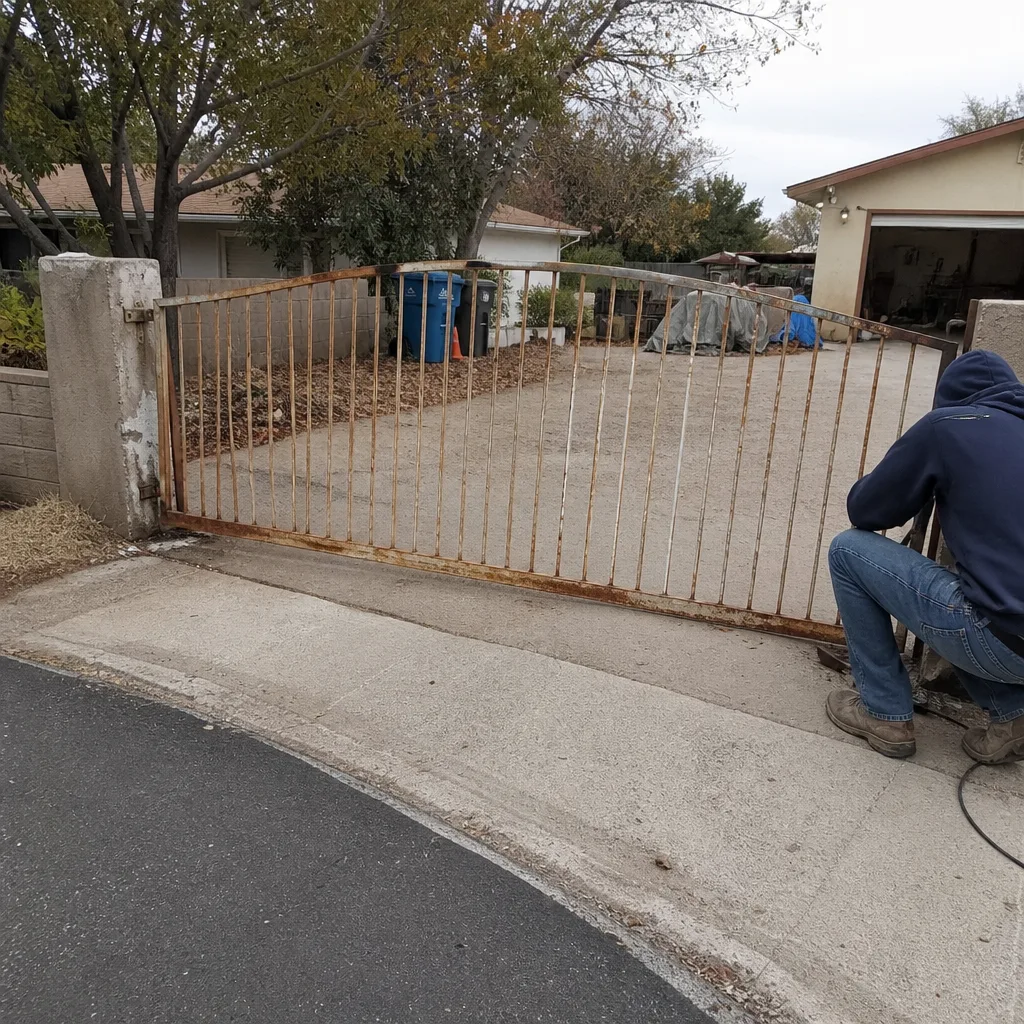 Before
 After
 Before
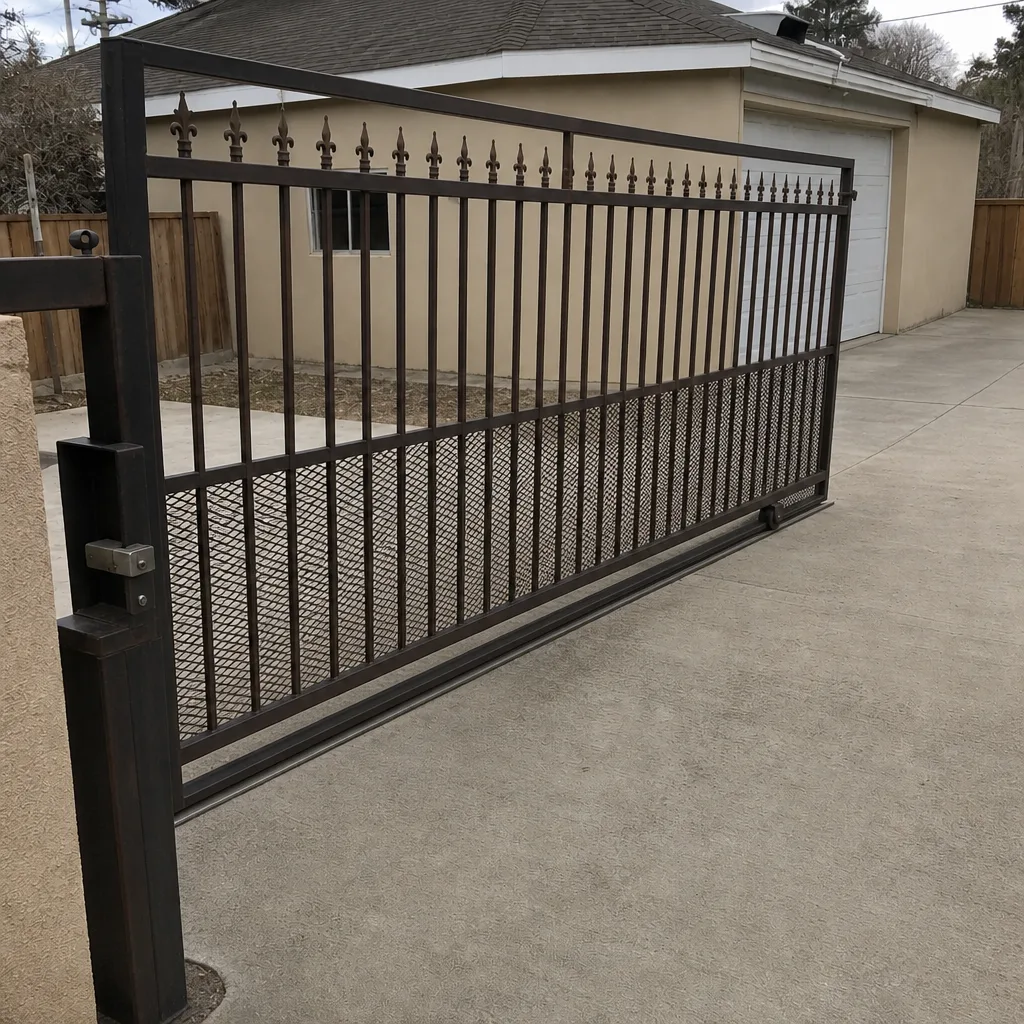 After
When to Call a Professional
Some gate jobs are clearly a call. If the post is sagging, the hinge post is pulling out of the ground, or the gate hasn’t latched properly in months, this isn’t a weekend project. A gate carries real weight on a single post, and a post that fails under load can drop the whole gate. If the gate is motorized, the safety edges and the electrical work are serious business and should be handled by someone who knows what they’re doing. If you’re planning a new install and the ground is rocky or the job is bigger than a simple pedestrian gate, a professional walkthrough saves you a lot of headache later. Gatewood Fence & Gate Paradise offers free estimates in Paradise. Call (888) 292-7536 to get one on the calendar.
Frequently Asked Questions
The work itself is usually one full day, but the whole job runs about a week when you include the concrete cure window and the return adjustment visit. A standard residential install breaks down to site prep, digging and post setting, a cure period of at least 24 hours, the panel hang, and final adjustment. In rocky Paradise soil, digging alone can add a couple of hours.
A gate can be hung in one day, but a full install that respects the cure window usually takes a bit longer. A crew that hangs the panel on a post set the same morning is skipping the cure window, and that’s where sagging gates come from. Ask what the post cure wait is before you hire. Call (888) 292-7536 if you want a straight answer on your job.
At least 24 hours is the minimum most installers use, and longer is better for a heavy or motorized gate. Concrete keeps curing for 28 days, so the post is still gaining strength when the panel goes on. The longer the wait before hang, the less the post flexes and the flatter the gate stays.
Yes. The caliche layer under many Paradise yards is hard enough to slow digging significantly, and a post hole that would take 20 minutes elsewhere can take an hour or more here. A quote that doesn’t mention digging conditions at all either hasn’t scoped the job or is planning to charge you later. Ask directly what happens if the crew hits rock.
Yes. Motor and opener work goes in after the gate is hung and cured, and it adds a phase for the power run, safety edges, and calibration. Brands like Linear, Viking, and DoorKing each have their own setup quirks, so the timing depends on the model. Call (888) 292-7536 to get an estimate on your specific gate.
Check post plumb, swing arc, and latch engagement. Let the gate close on its own, and make sure the latch catches cleanly every time. If the gate drags, binds, or doesn’t latch, it isn’t done. A crew that will walk you through those three checks is a crew that did the job right. Call (888) 292-7536 if you want a free second opinion on an estimate.
The Bottom Line
Gate installation is a one-day job on the surface and a week-long job when you count the cure window. The post has to be set, then left alone while the concrete sets enough to hold the panel. Paradise ground adds a wrinkle because caliche can turn a quick dig into a full morning, and the honest answer to “how long will this take” has to account for it. Ask about the cure wait, ask what happens if you hit rock, and demand a written price before anyone starts. That’s how you end up with a gate that holds for twenty years instead of one that sags by spring. If you’re in Paradise and want a straight read on your job, we’re happy to walk the site and quote it.
Call (888) 292-7536 for a free estimate. We answer the phone live around the clock, the price we quote is the price you pay, and every job comes stamped with our 90-Day Done Right Promise. If it isn’t done right, we make it right. That’s been the deal since the first gate we ever fixed, and it’s the deal today.
Written by the team at Gatewood Fence & Gate Paradise.