
Last updated November 18, 2026
 Wrought iron
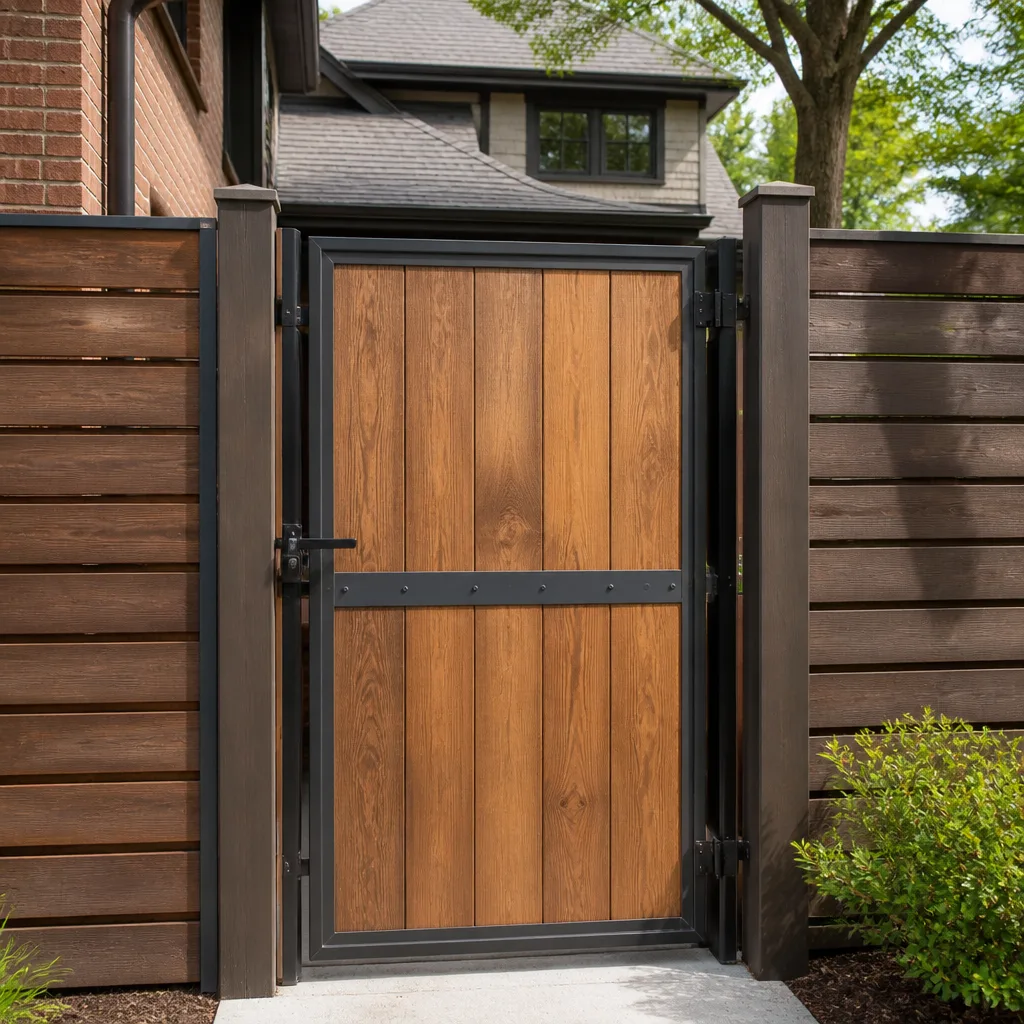 Wood & steel frame
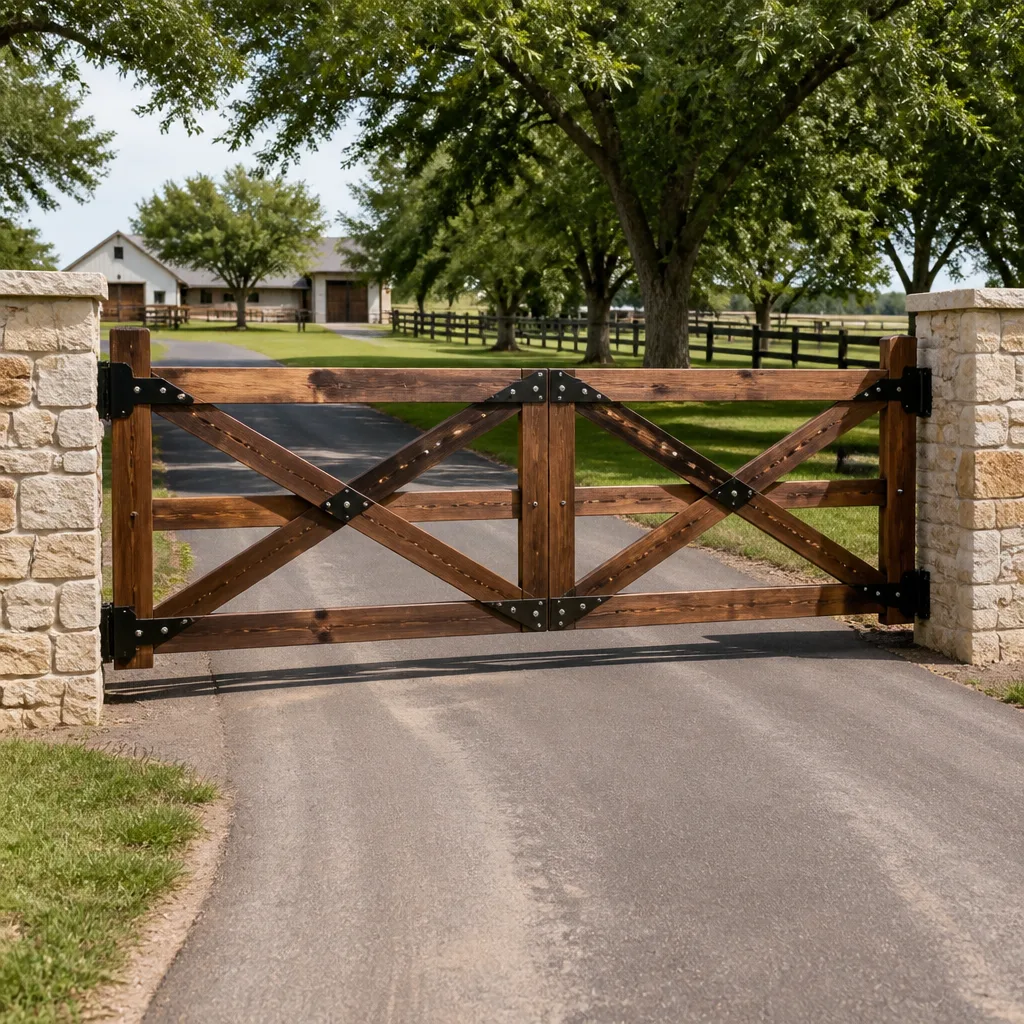 Farm & ranch
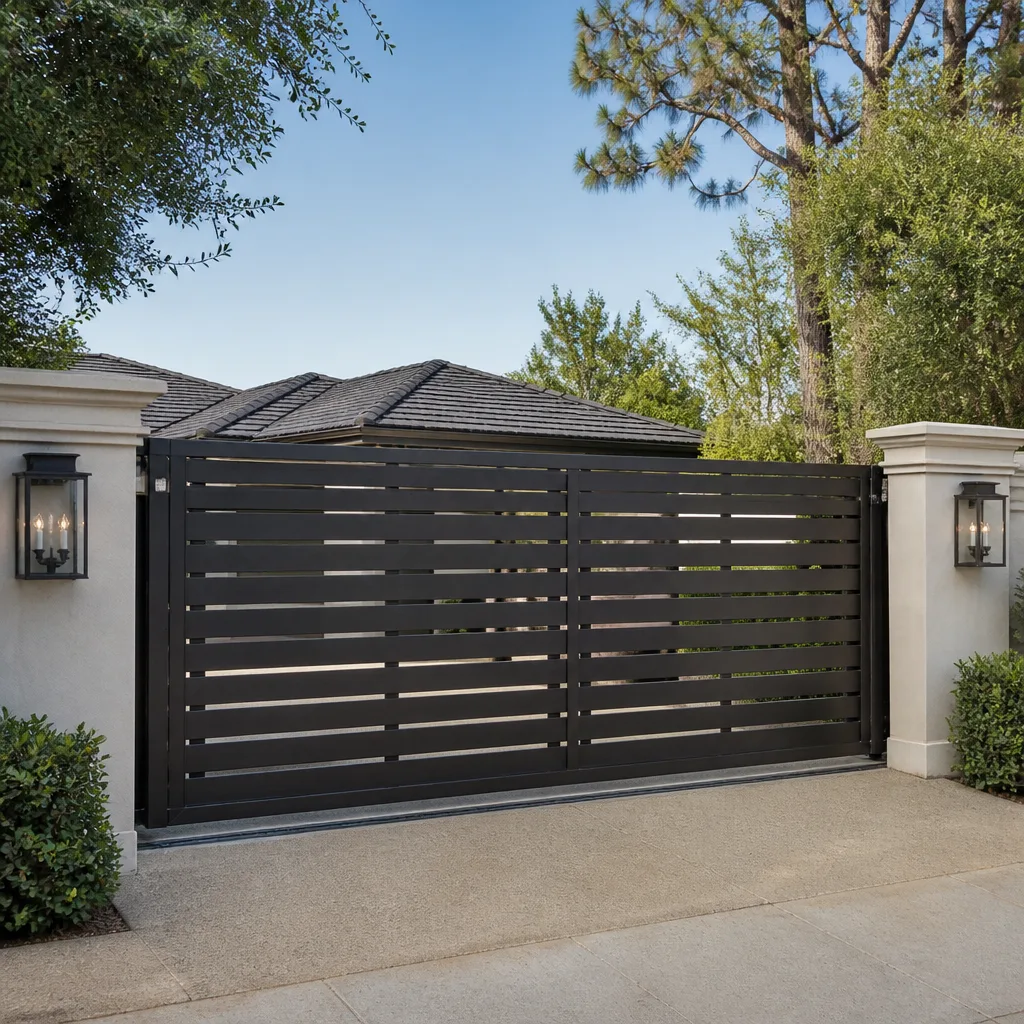 Sliding driveway gates
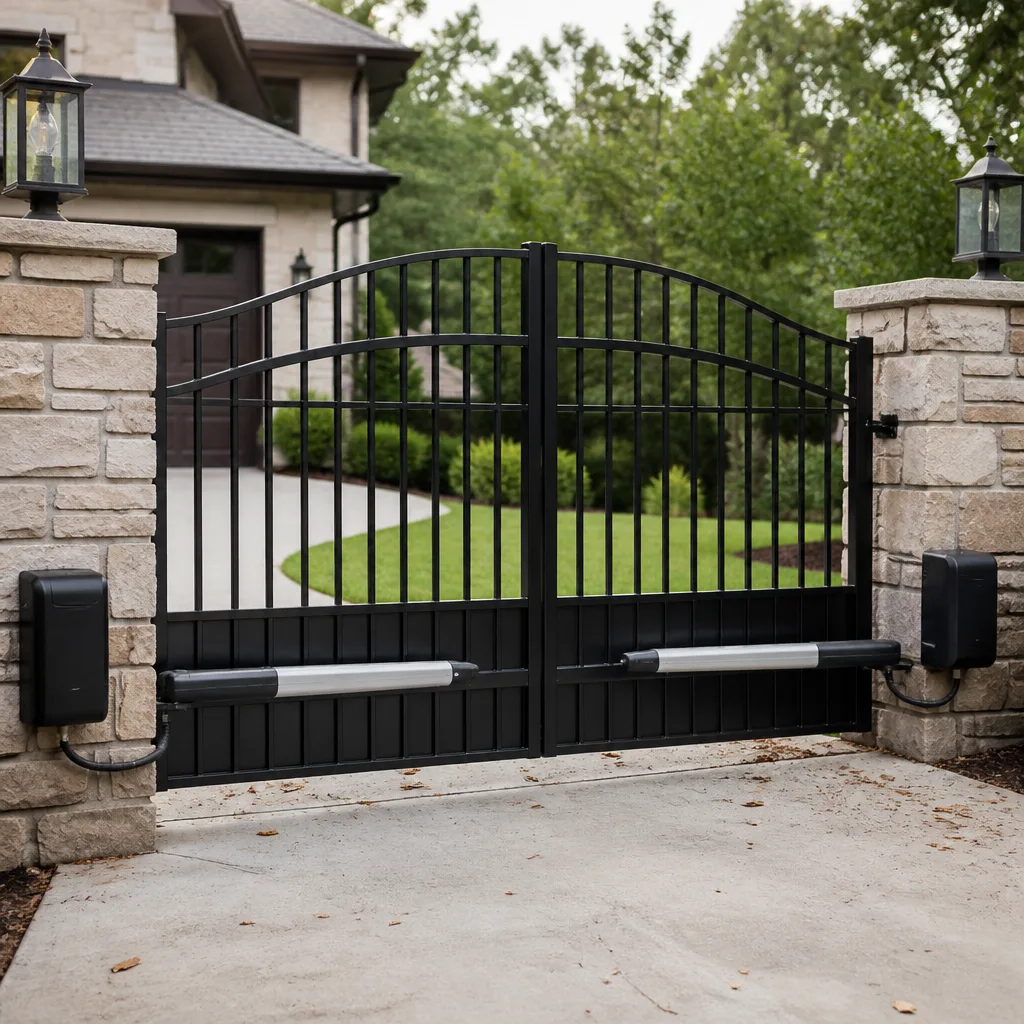 LiftMaster operators
Free on-site gate assessment - hinges, posts, and your LiftMaster or Nice gate operator checked before anything is quoted
The assessment is free and the quote is the invoice.
Get your free estimateHow Long Does Gate Motor & Opener Take? Timelines and What to Expect
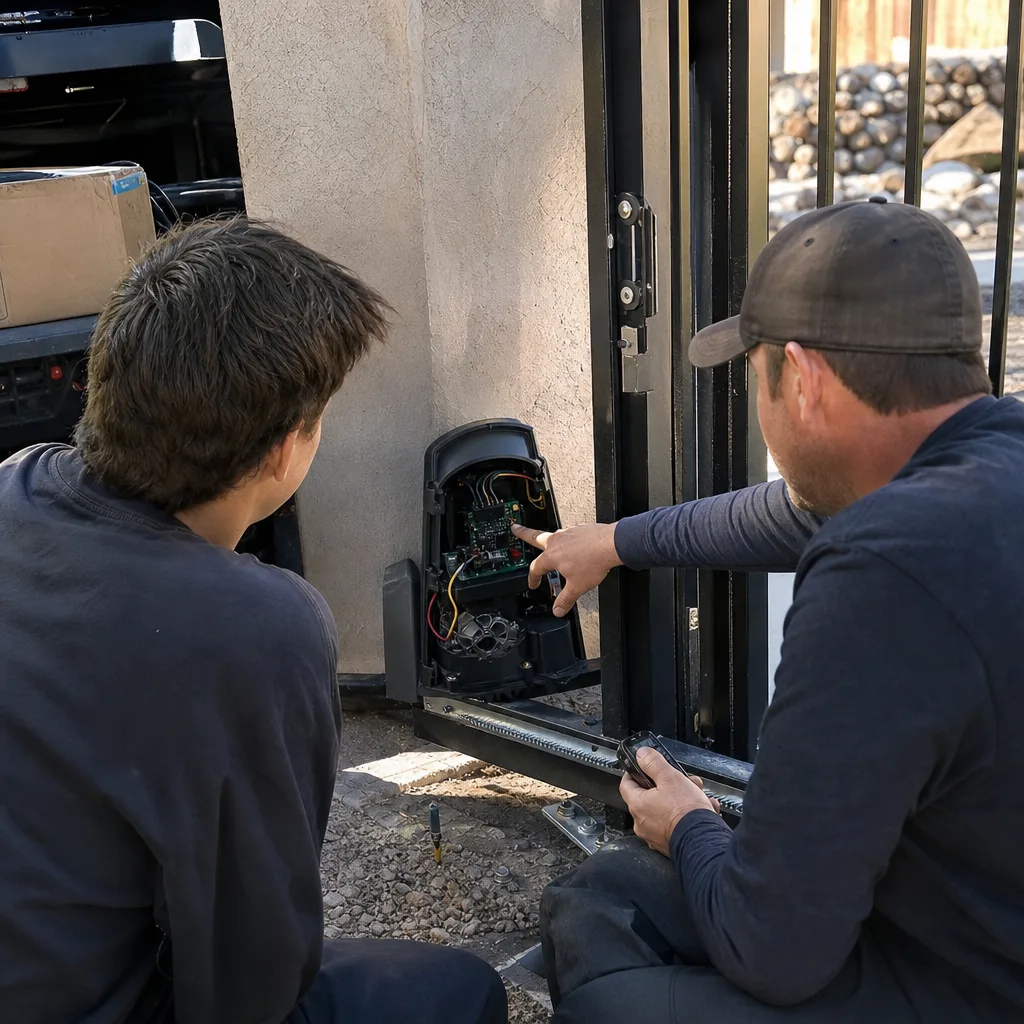
I’ve had motor installs that took two hours and ones that took eight, and the difference was never the motor itself. It was always what the previous work looked like once I pulled the cover plate. Buried splice connections, undersized conduit, posts that weren’t plumb. The motor is the easy part. In this guide we’ll walk through honest time ranges for the three common setups we see around Paradise, the electrical work that eats hours a phone quote can’t account for, what it means when an installer “finds a problem” mid-job, and the questions to ask before anyone shows up in your driveway.
Quick Answer
A straightforward gate motor install on a sound, existing swing gate in Paradise typically runs three to four hours. A slide gate with rack-and-pinion takes four to six hours, and an underground actuator on a new post can run six to eight hours or a full day once you account for the concrete cure. Add two to four hours whenever the electrical panel is far from the gate or conduit has to be run from scratch.
Styles & brands we work with
- Wrought iron
- Wood & steel frame
- Farm & ranch
- Sliding driveway gates
- LiftMaster operators
Table of Contents
- The Three Common Setups and How Long Each Really Takes
- The Electrical Rough-In Variable Nobody Quotes On the Phone
- What “Finding Problems” Mid-Install Actually Means
- Programming and Testing: The Hour That Gets Left Out
- Why Paradise Gates Age the Way They Do
- How to Get a Realistic Time Estimate Before Anyone Shows Up
- What the Day Actually Looks Like, Hour by Hour
- When an Opener Is Paired With Access Control
The Three Common Setups and How Long Each Really Takes
Not every gate motor job is the same job. A swing arm bolted to a gate that’s already hung and swinging true is a different animal from an underground actuator that needs a new post poured. Lumping them together is how people end up surprised at the end of the day.
Here’s what we see in the field, and what to expect:
- Swing arm on an existing gate: Three to four hours. The mounting bracket goes on the gate and the post, the arm gets set, wiring runs to the control box, then the test cycle. This is the fastest setup because the gate is already hung and the geometry is fixed.
- Underground actuator on a new post: Six to eight hours plus a cure day. The post has to be dug and poured with the actuator conduit positioned correctly, and concrete needs to set before the arm goes in. We plan these as a two-visit job around Paradise.
- Slide gate with rack-and-pinion: Four to six hours. The rack gets mounted along the gate bottom, the operator sits on a concrete pad at the edge, and the alignment has to be right or the gate binds at one end. If the pad isn’t there, add another day for the pour.
Those ranges assume the gate is sound and the electrical is either in place or close. The minute either of those conditions is off, the clock changes. We tell folks upfront: on a LiftMaster swing arm on a good gate, we can be gone before lunch. On a Mighty Mule slide operator that someone tried to install themselves, we might be there all afternoon. If you want to see the kind of work we do on openers day to day, our Gate Motor & Opener in Paradise page covers the service side.
The Electrical Rough-In Variable Nobody Quotes On the Phone
This is the single biggest reason a quote over the phone and the invoice at the end don’t match. The motor itself is a known quantity. Getting power to it is where hours go to die.
Three things determine how long the power run takes:
- Distance from the panel to the gate. A gate twenty feet from the panel with a spare breaker is an hour of wire pulling. A gate two hundred feet out on a rural Paradise property is a trench, conduit, and a subpanel, and that’s most of a day before the motor even comes out of the box.
- Whether conduit is already run. If the previous owner ran conduit to the gate, we can pull wire through it in under an hour. If there’s no conduit, we’re trenching. If there’s conduit that’s too small or crushed, we’re still trenching.
- Panel capacity and code. A lot of older homes around Paradise have panels that are already loaded. If there’s no room for a dedicated circuit, the panel work happens before the gate work, and that adds hours and cost.
A phone quote can’t see any of this. A good installer will ask you on the call where the panel is, whether the gate already has power to it, and whether there’s a wire or conduit visible near the gate hinge post. Those three questions change the estimate a lot. If nobody asks them, the number you get isn’t a quote, it’s a guess.
Out here, winter ground in Paradise can be rocky and stubborn, and trenching through it takes longer than it would on flat farmland. That’s part of why we measure before we commit to a time window.
What “Finding Problems” Mid-Install Actually Means
When we pull the cover plate and find a mess, that’s not a stall tactic, it’s an old gate telling us what it’s been through. Here’s what usually comes up, in plain terms:
- Post movement. A gate sags in the hinge post, not in the middle. If the hinge post has shifted, the operator geometry won’t hold, and the motor will fight the gate until something breaks.
- Inadequate framing for the motor mount. A lot of gates were built before anyone thought about bolting an opener to them. The stiles are too thin, or the rail sits where the bracket needs to go. Adding framing on-site is real work, and it’s the right work.
- Corroded or undersized existing wiring. Old bell wire running to a gate will not carry an opener’s load. Pulling new wire through somebody’s old run and finding it spliced with electrical tape mid-run is common around Paradise, and it has to be made right before we power anything up.
Here’s the difference between a good installer and a bad one. A good one stops, shows you the problem, explains what it fixes, and gives you a price before touching it. A bad one either ignores it (and the gate fails in three months) or does the extra work quietly and surprises you at the invoice. Show me the gate closing on its own and I’ll show you where it’s failing. That’s the conversation, not the argument at payment.
Our rule is simple: nothing additional happens on your gate until you say it’s okay and you know the price. That’s the same rule on every repair job we do, which is why our Gate Repair in Paradise work is so often repair-first rather than replace.
Programming and Testing: The Hour That Gets Left Out
Programming and testing is not five minutes with a manual. It’s a real chunk of the day, and the quotes that leave it out are the ones that run long. Here’s the sequence, step by step:
- Set the open and close limits. The gate has to stop in exactly the right spots. If it’s a slide gate, both ends. If it’s a swing, both directions.
- Adjust the force setting. Too low and the gate stops halfway when it’s cold. Too high and it won’t reverse on contact. The right number is a function of the gate’s weight and hardware.
- Verify the safety sensors. Photo eyes have to be aligned and tested at every approach angle. On a long slide gate, this can take a while to get right.
- Pair the remotes and keypad. Every remote, every keypad code, every vehicle in the household.
- Run the full test cycle: open, close, reverse on obstruction, battery-backup check if you have one.
Add an access control system (DoorKing or Elite keypad and call box) and this is where the time really goes. Programming the directory, testing the ring-through to the house, and verifying the auto-open for guests is another 45 minutes to an hour and a half. If you’re thinking about access control, it’s worth reading more about how the opener and the entry system work together before you commit to a day.
If a quote doesn’t include programming and testing in the time estimate, ask them why. There’s no honest answer except that they forgot about it.
Why Paradise Gates Age the Way They Do
Southern Nevada is hard on gates and openers in ways that a coastal installer might not account for. The heat matters. Ground movement matters. The kind of dust that blows through Paradise in the spring and settles in every hinge, every slider, every photo eye matters.
Here’s what we see specifically:
- Heat fatigue on older operators. A motor that would last fifteen years somewhere mild often needs fresh gearboxes around year ten in Paradise. Grease dries, seals crack, and the summer runs eat exposed components faster than a spec sheet suggests.
- Driveway slabs that move. Concrete in Paradise heaves and settles with the soil, and a slide gate operator that sat perfectly aligned five years ago can now bind at the end of travel. Aligning the operator to today’s slab, not yesterday’s, adds time to any install.
- Wind-driven grit in the tracks. Slide gates here need a clean track to run. If the track has been buried in dust for a while, we dig it out and set the operator to the gate’s actual resting position, not where it was when it was new.
- Sun exposure on keypads and call boxes. A keypad facing west takes a beating. We always check orientation before we mount new access equipment, because it changes how long it survives.
None of that adds to the “clean install” time, but it’s exactly why we don’t hand out time windows over the phone. We measure first, and then we tell you what the day will look like. A gate is only as good as the post, the framing, and the power behind it, and out here, that’s what needs the attention.
How to Get a Realistic Time Estimate Before Anyone Shows Up
A time estimate is only as good as the information it’s built on. You can help any installer give you a real one by getting a few things ready to answer. This is the conversation that separates a straight shop from a phone mill.
Have these ready when you call, or when the installer arrives:
- Where’s the panel? Distance from panel to gate post, in feet, even roughly.
- Is there already power at the gate? A working outlet, a conduit, or an old wire coming up out of the dirt.
- What kind of gate do you have? Swing or slide. Wood, vinyl, ornamental steel, or chain link. Rough width and weight if you know it.
- What’s the post look like? Concrete footings? Steel posts set in the ground? Posts that wobble when you push them?
- Is there anything unusual about the install? Slope, a corner, a gate that shares a post with a fence, a driveway that’s narrow.
- What are you wanting the opener to do? Remote only, keypad, phone app, call box, all of it. Scope changes time.
If you can answer those six questions, a good installer will give you a time window that holds. If the shop on the other end of the phone doesn’t ask any of them, take that as your answer about how the day will go.
Our rule is the price is quoted and agreed before any work starts, and if there’s something in the driveway that wasn’t in the conversation, we stop and talk before we touch it. If you’re weighing a fresh install against a repair, our Gate Installation in Paradise page walks through that decision in more detail.
What the Day Actually Looks Like, Hour by Hour
For a clean swing arm install on an existing gate where power is already at the gate, here’s the shape of a typical day on one of our Paradise jobs:
- Hour one: Walk the gate, check the post, pull the cover on the existing wiring, confirm the geometry. Bracket layout and drilling.
- Hour two: Mount the operator, connect the arm, run the wiring into the control box. If we’re using on-site welding for a bracket that has to be custom, this is where welding happens, in the driveway, not in a shop.
- Hour three: Power up, set limits, adjust force, verify sensors, pair remotes and keypad.
- Hour four: Full test cycle, walk through with you, hand over remotes, answer questions, walk the perimeter and confirm we haven’t left anything behind.
Anything beyond that shape means something turned up. Power has to be run. A post moved and needed correction. The gate itself needed weld repair before it could take a motor. That’s when the day extends, and it should be a conversation, not a surprise.
Our technicians have up to 25 years of experience, and the thing we’ve learned most over that time is that a fair time estimate starts with looking closely. It’s also why every job carries our 90-Day Done Right Promise, in writing. If something we installed isn’t doing what it should, one call brings us back. For a longer view of how we run the shop, our home page for Gatewood Fence & Gate Paradise is a good place to start.
When an Opener Is Paired With Access Control
The moment an opener job includes a call box and keypad, add an hour or two. It’s not the hardware, it’s the integration.
Here’s what gets added to the day:
- Programming the entry directory. Names, codes, callback numbers. Getting this right takes longer than people expect.
- Testing the ring-through to the house. If it doesn’t ring the phone, nobody gets in, and that’s a fix, not a feature.
- Setting up the auto-open for regular guests. Pets, UPS, in-laws. Each of these is a code.
- Verifying the safety loop between the opener and the access system. A call box that opens the gate has to respect the safety sensors, or it’s a problem waiting to happen.
DoorKing and Elite systems are what we see most around Paradise, and both are straightforward once they’re configured. The time is in the configuration, not the box on the post. If the plan is to include access control with the opener, tell the installer on day one so the time estimate reflects it.
Common Mistakes to Avoid
After years of pulling motors off gates other people thought they’d finished, we’ve seen the same mistakes over and over. Here are the ones that matter most:
- Quoting on the phone without seeing the gate. A time and price quoted without looking at the post, the panel distance, and the existing wiring is not a quote. It’s a starting number.
- Bolting a motor to a gate that isn’t framed for it. The motor will run, briefly, and then it will fight the gate until one of them gives out. Fix the framing before the motor goes on.
- Skipping the safety sensor test. Photo eyes have to reverse the gate on contact, always. A gate that doesn’t reverse is a liability and a genuine hazard, especially with kids and pets around a rural Paradise property.
- Leaving the power run for last. If the panel is far from the gate, trenching and conduit need to be planned, not discovered. Otherwise what was a four-hour job becomes a full day and then some.
- Sizing the operator for the gate you have, not the gate you want. The heaviest gate the operator is rated for is not the same as the weight of your gate plus wind load plus hardware drag. Size to the real number.
- Ignoring the post because the motor “looks fine.” If the post is moving, the motor is going to fail, and it’s going to fail on a Saturday with a guest waiting in the driveway.
- Hiring a shop that isn’t there in 90 days. An opener is a mechanical system that needs tuning. If you can’t call the same shop in three months and reach a person, you’re on your own. We’re in Paradise, the number goes to a live person around the clock, and our address is published. That’s the whole point of an owner-operated shop.
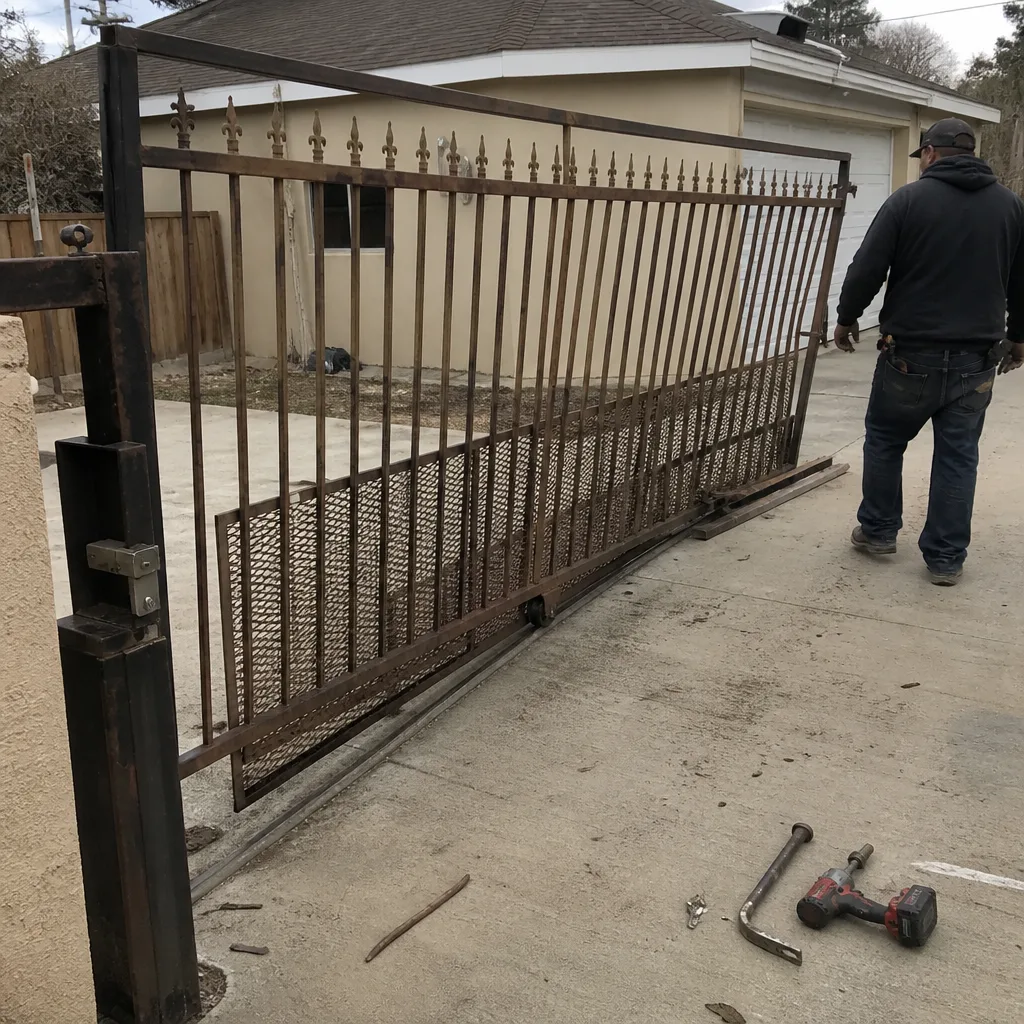
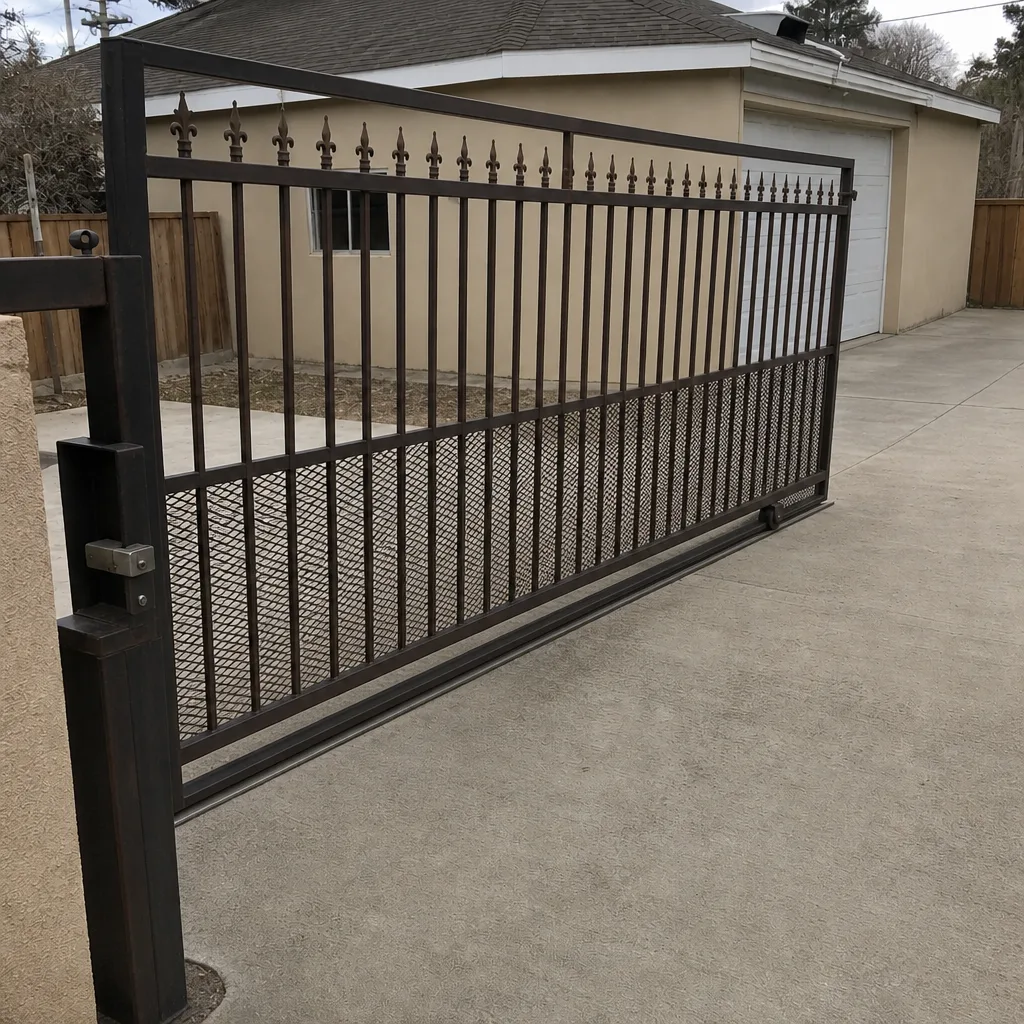
See the difference
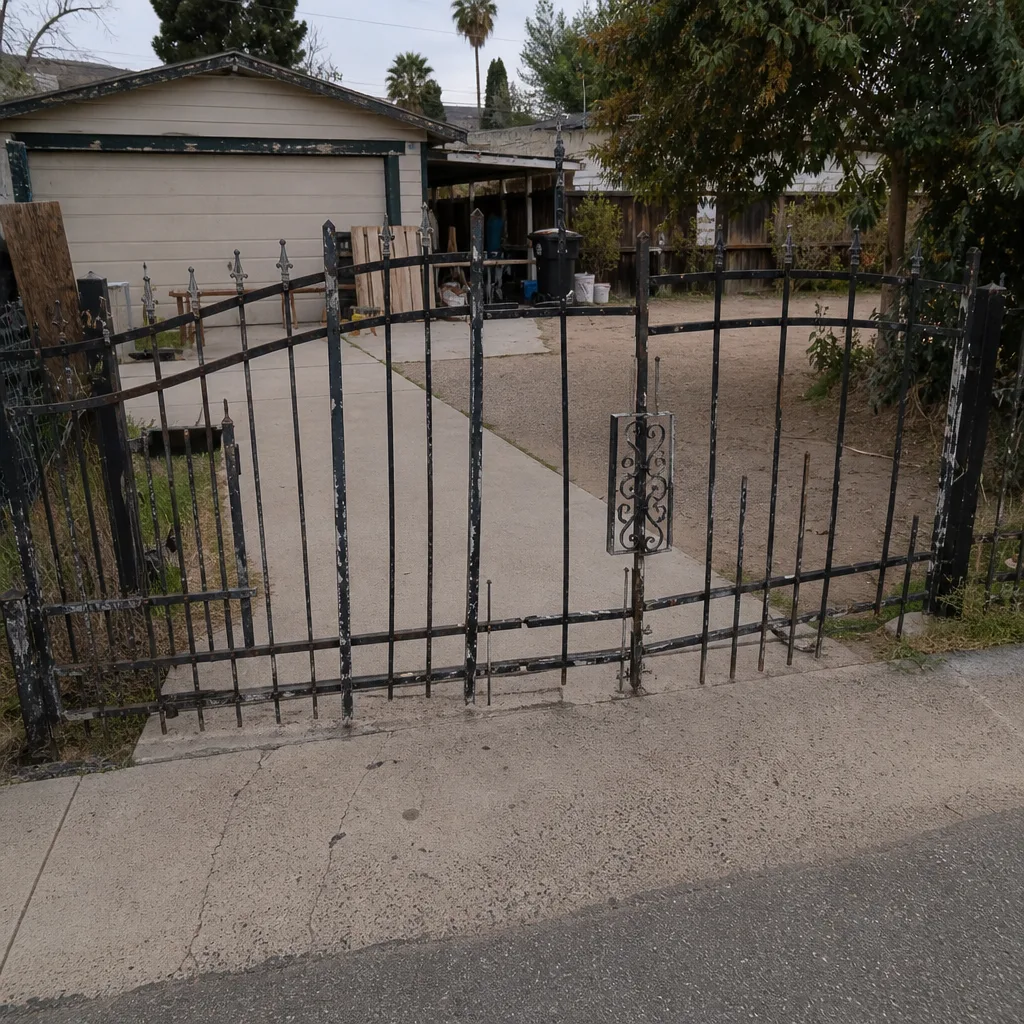 Before
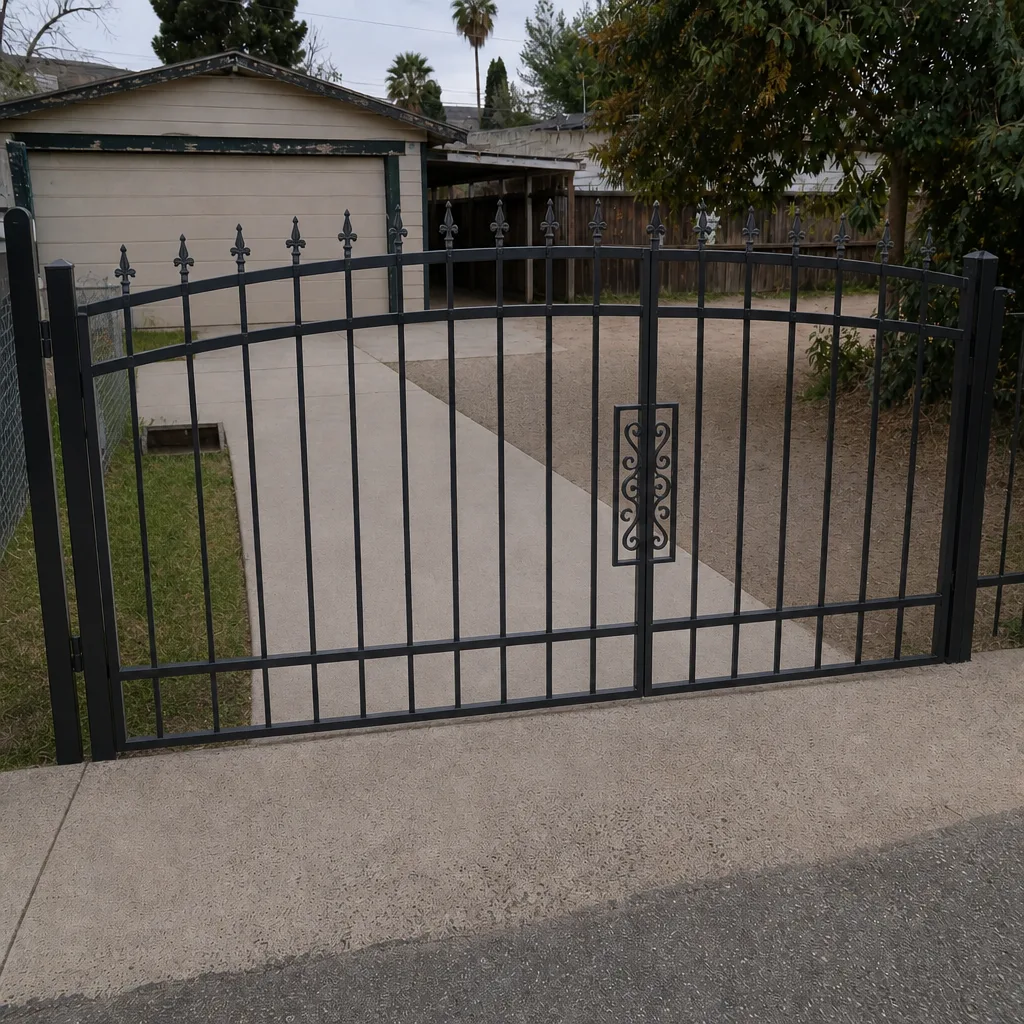 After
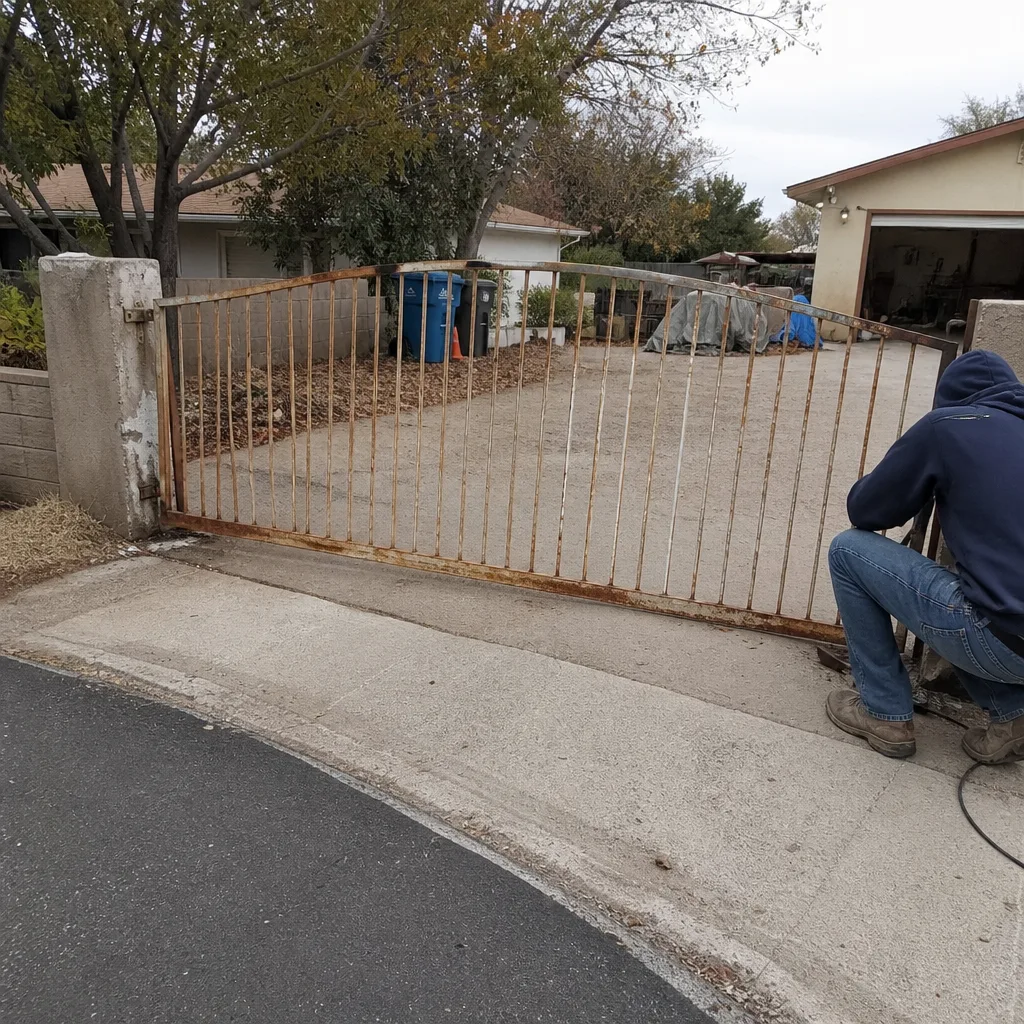 Before
 After
 Before
 After
When to Call a Professional
Some gate problems are genuinely homeowner-sized, and some are not. Anything involving the electrical panel, new dedicated circuits, or high-voltage work belongs with a licensed electrician, and the installer should coordinate with one rather than improvise. Anything involving a post that has moved, a gate with structural problems, or the safety sensor reversal is a call to a professional. Motors, cables, torsion springs on swing gates, and welding on a gate frame are not DIY territory. A gate that closes on a person or a car is a serious hazard.
If you’re in Paradise and you’re not sure whether your situation is a quick tune-up or a bigger job, we’re happy to take a look. Gatewood Fence & Gate Paradise offers free estimates in Paradise. Call (888) 292-7536 and a live person picks up, day or night. We’ll measure, look at the post, look at the power, and tell you straight what the day will actually look like.
Frequently Asked Questions
A swing arm install on an existing, sound gate typically takes three to four hours. A slide gate with rack-and-pinion runs four to six hours, and an underground actuator on a new post is a six to eight hour job plus a cure day for the concrete. Add two to four hours if there’s no power run at the gate yet. Call (888) 292-7536 for an exact time window, and we’ll measure before we commit.
Yes, if you can answer a few questions. Where the panel is relative to the gate, whether there’s existing power or conduit at the gate, what kind of gate you have, and what you want the opener to do. Those four answers let us give you a range that holds. Without them, any number is a guess.
Swing gates are faster because the gate is already hung and the geometry is fixed, so it’s three to four hours. Slide gates are longer because the rack has to be mounted along the full bottom rail, the operator has to sit on a proper concrete pad, and alignment has to be right at both ends. That’s usually four to six hours.
Because the power has to get to the gate. A short run is a wire pull through existing conduit, which takes about an hour. A long run in Paradise can mean trenching, new conduit, and sometimes a subpanel, and that’s hours of work before the motor ever comes off the box. It’s the biggest variable that a phone quote can’t see.
On our jobs, they stop and show you. A post that’s moved, framing that’s too thin for a motor bracket, or old wiring that won’t carry the load all have to be fixed before the installer continues. You get a price and a scope before any of it is touched, and the final invoice matches what you agreed to. If a shop can’t say that plainly, pick a different shop.
Yes, and it’s a real part of the day. Limit setting, force adjustment, photo eye verification, remote pairing, and keypad programming together run about an hour on a straightforward install. If there’s an access control box involved, add another one to two hours. That time is on the schedule, not squeezed in at the end.
The Bottom Line
Here’s what this comes down to. A clean gate motor install in Paradise is a three to four hour job, and a harder one is longer because of what the gate, the post, and the power line look like before the motor gets involved. The installer who tells you that upfront, without hedging, is the one who’ll be there in ninety days when the gate needs a tune. Programming and safety testing are part of the work, not a rounding error. And any shop that quotes without asking about the panel and the post is a shop that will surprise you later. We’d rather be straight with you now. Call (888) 292-7536 for a free estimate on your gate motor or opener. If you’re in Paradise, we’ll be there ourselves, and you can look us in the eye.
Written by the team at Gatewood Fence & Gate Paradise.