
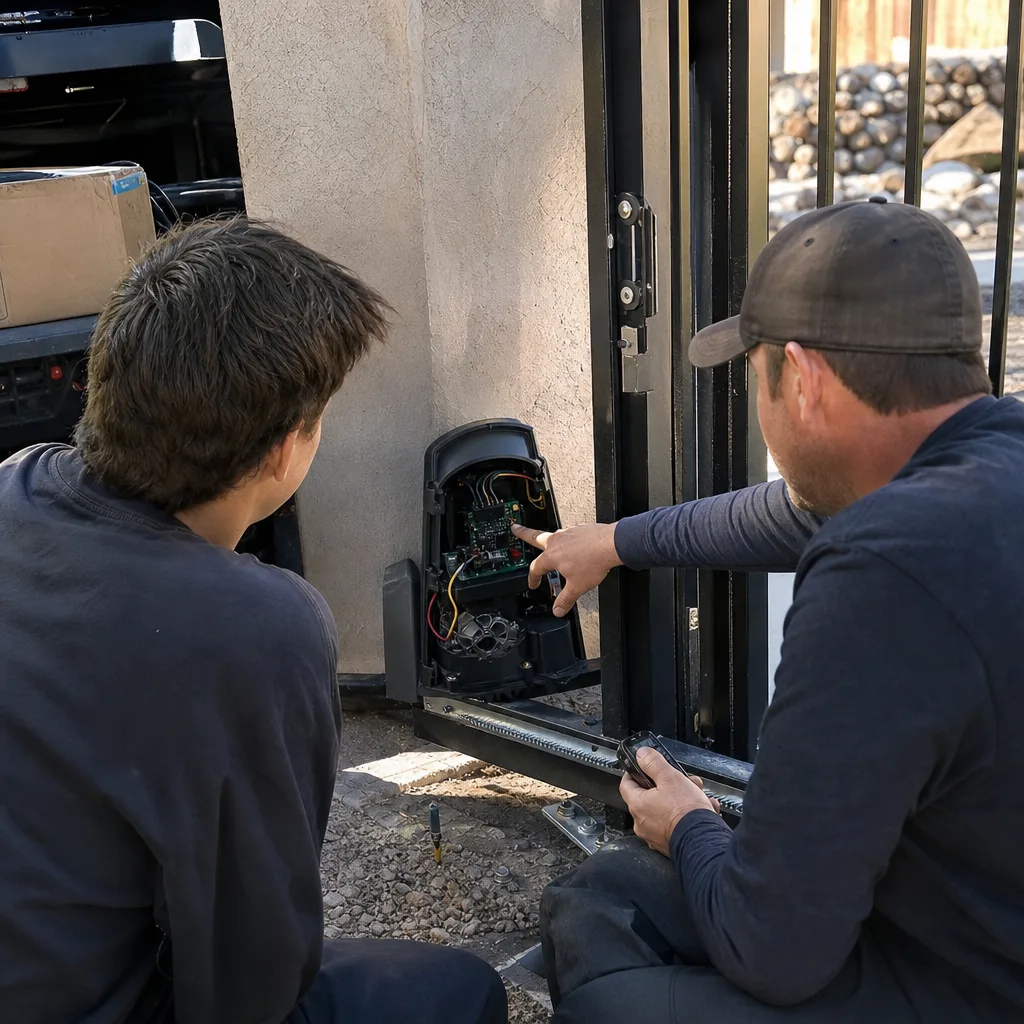
Last updated November 18, 2026
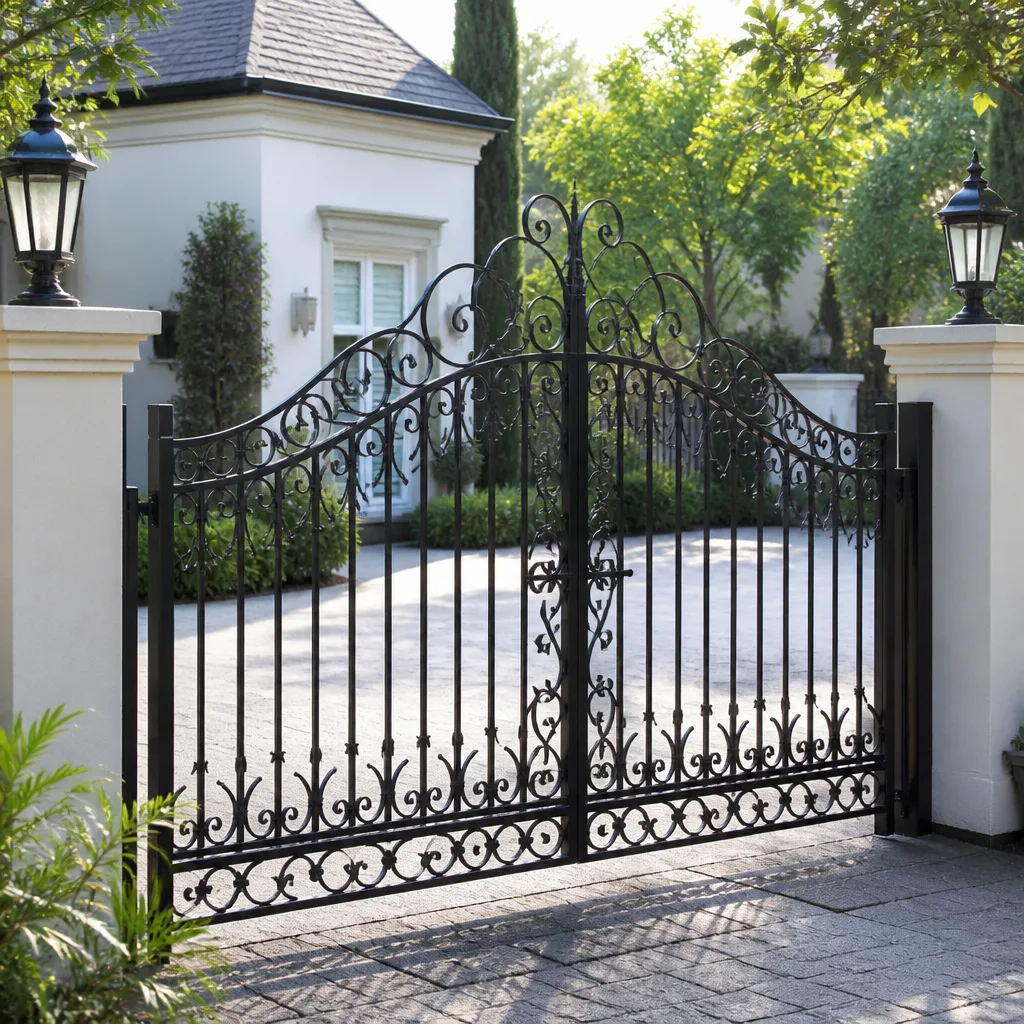 Wrought iron
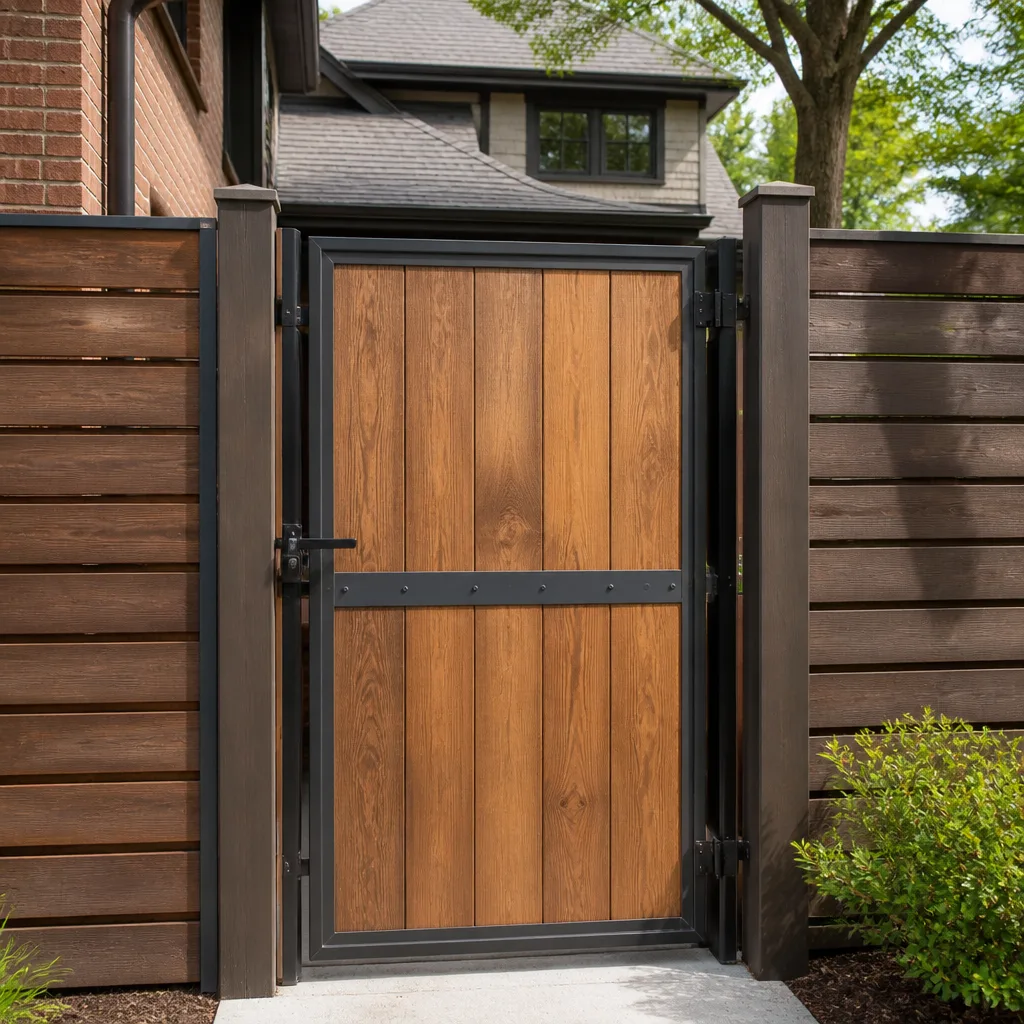 Wood & steel frame
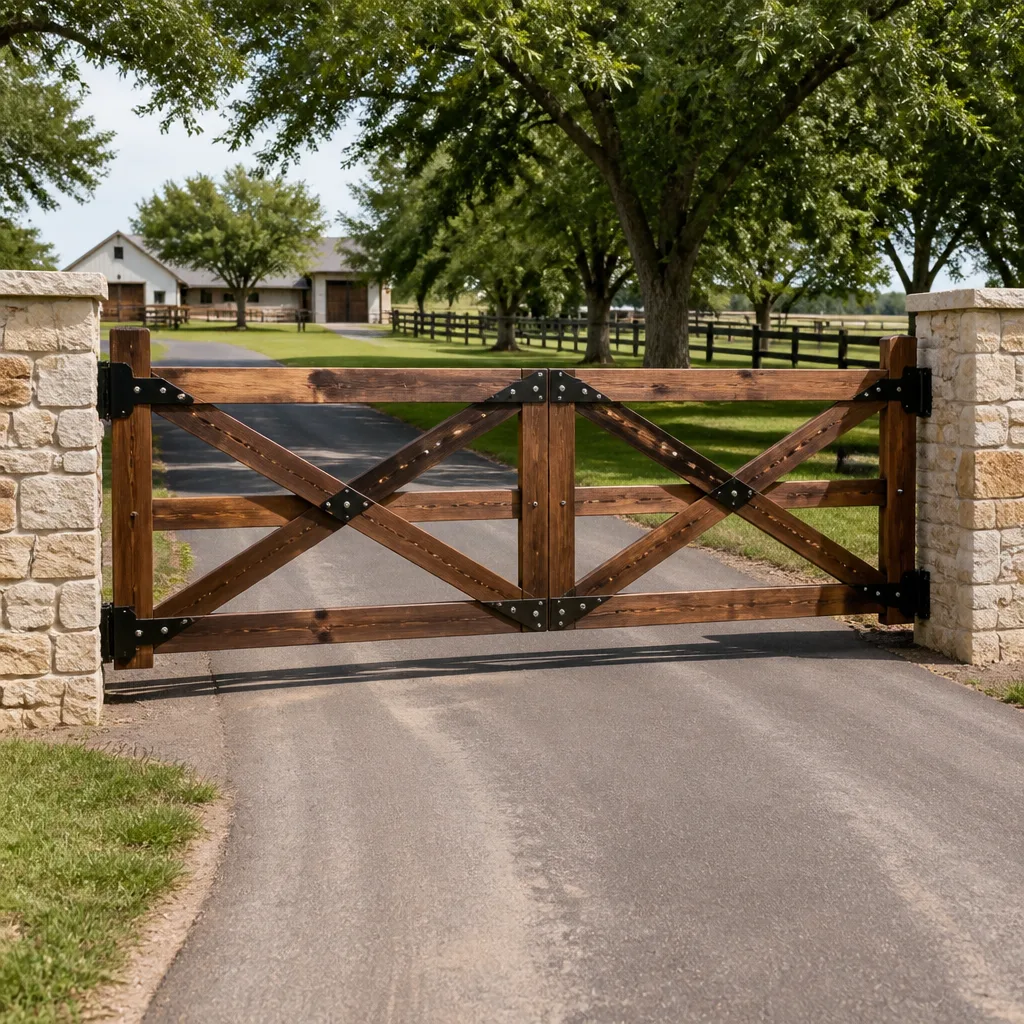 Farm & ranch
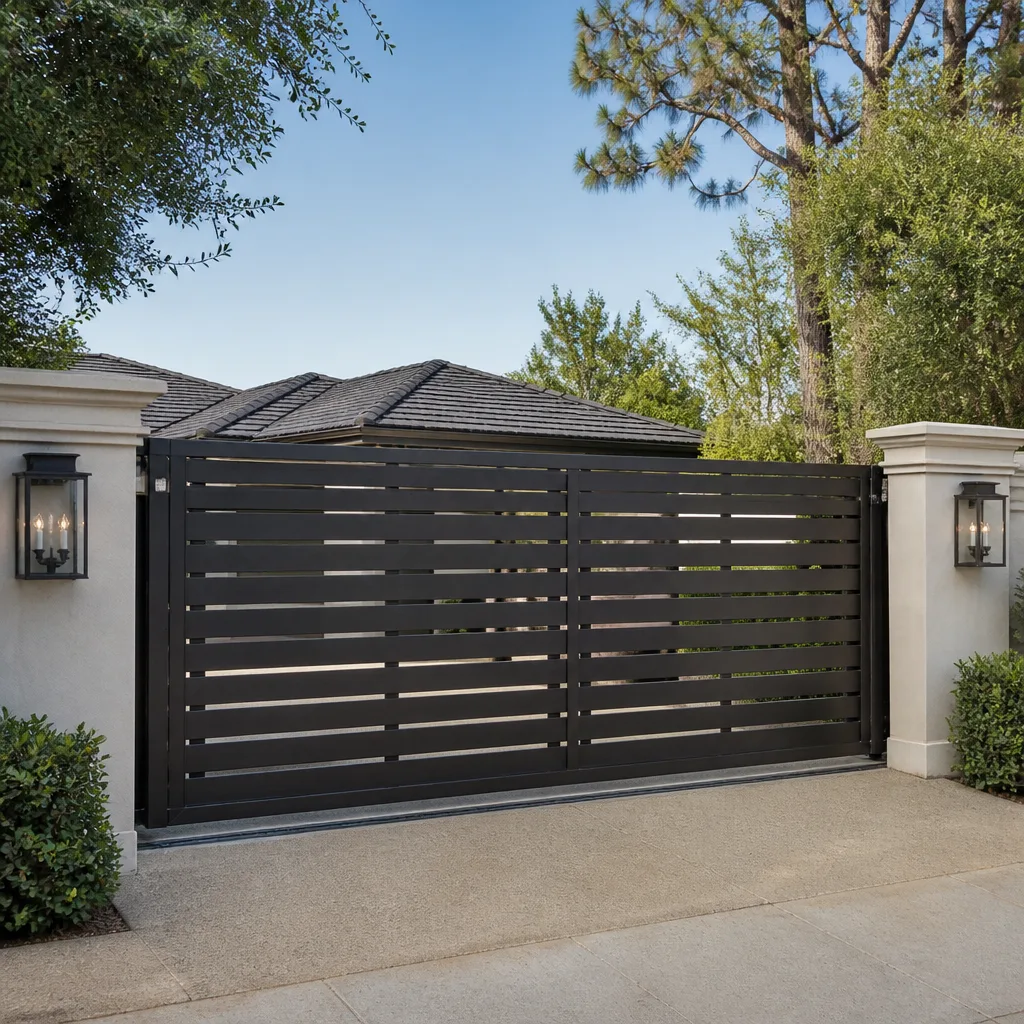 Sliding driveway gates
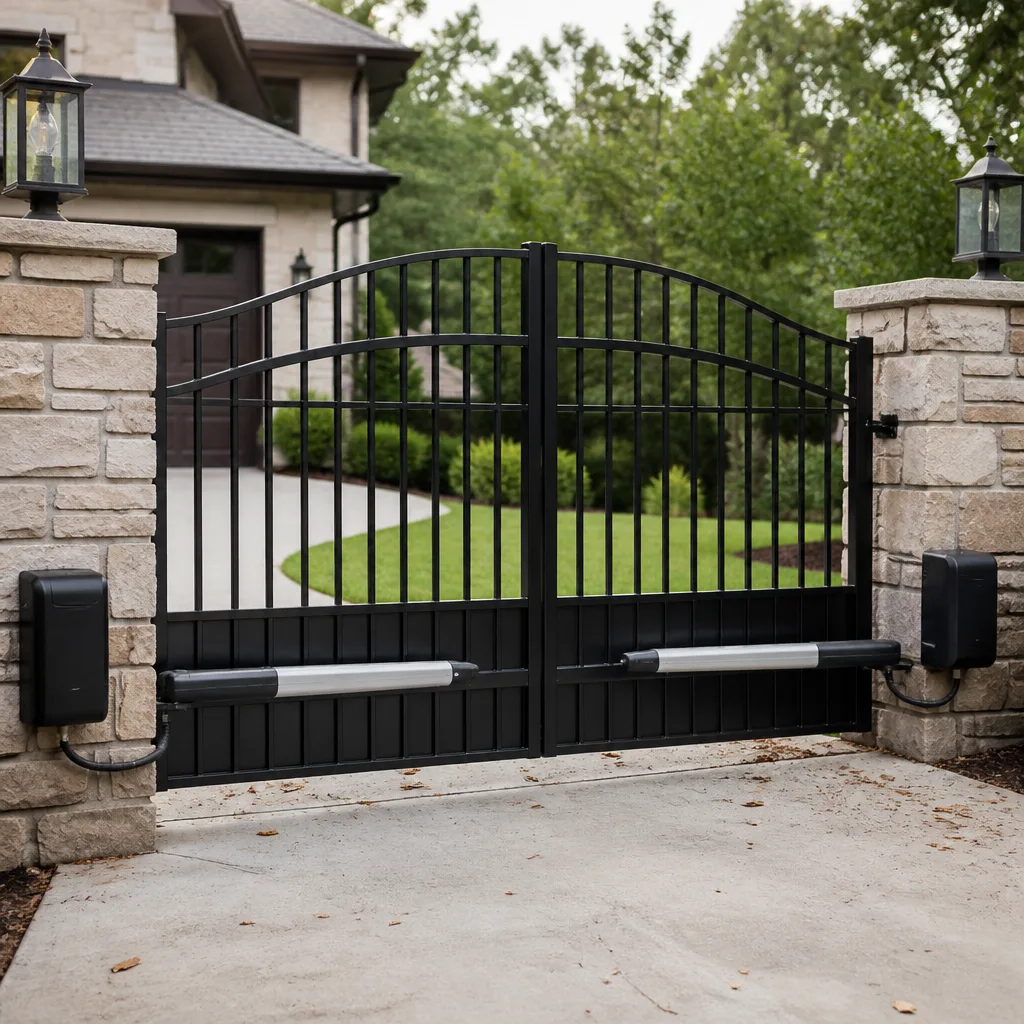 LiftMaster operators
Free on-site gate assessment - hinges, posts, and your LiftMaster or Nice gate operator checked before anything is quoted
The assessment is free and the quote is the invoice.
Get your free estimateHow Long Does Gate Parts & Welding Take? Timelines and What to Expect
Mobile welding on a gate hinge can take 30 minutes or three hours, and the difference usually comes down to whether the existing metal is clean enough to weld without grinding back through layers of rust and old filler. You can’t know that until someone is looking at it. We’ve pulled up to a gate in Paradise expecting a straightforward hinge repair and found a post that had been patched three times by three different people, each layer hiding what the last one did. That gate took most of an afternoon. The one two streets over with clean, bare steel took a little over an hour. Here’s what actually drives a welding timeline and how to know whether a quote you’re handed is honest.
Quick Answer
Most residential gate welding jobs take between one and four hours on site. A simple hinge repair on clean metal runs 45 minutes to 90 minutes. A cracked frame, a damaged hinge post, or custom hardware fabrication usually takes two to four hours, sometimes longer if paint, galvanizing, or old repairs have to be ground back first. The work itself is rarely the slow part; preparation and setup are.
Styles & brands we work with
- Wrought iron
- Wood & steel frame
- Farm & ranch
- Sliding driveway gates
- LiftMaster operators
Table of Contents
- Real Time Ranges for Common Gate Welding Jobs
- Why On-Site Welding Is Faster Than Shop Welding
- The Prep Work Nobody Accounts For
- How Paint, Galvanizing, and Rust Add Time
- What Cooling Time Means for Gate Hardware
- Paradise Heat, Wind, and Working Conditions
- Parts Availability and Why It Matters
- Common Mistakes to Avoid
- When to Call a Professional
Real Time Ranges for Common Gate Welding Jobs
We quote timelines by job type because a “gate welding” estimate without specifics isn’t really an estimate. Here’s what we see most often on residential gates around Paradise. The ranges assume the hardware is accessible and the metal isn’t hiding old damage.
- Hinge repair (clean metal): 45 minutes to 1.5 hours. Pull the old hinge, prep the mounting surface, weld the replacement, test the swing.
- Hinge repair (rusted or previously patched): 2 to 3 hours. Grinding back rust, old weld beads, and patch plates adds real time before the repair even starts.
- Hinge post repair: 2 to 4 hours. If the post itself has twisted or rusted through, we cut and weld a new sleeve or replacement post in place. Digging and repouring concrete is a separate job.
- Frame crack repair: 1 to 2.5 hours for a single crack, longer if the frame is a box-section and the crack needs backing plate behind it.
- Hardware fabrication: 2 to 4 hours. Custom brackets, gate stops, and latch mount plates made on site take longer than stock parts because the fit has to be built, not bolted on.
Something like a FAAC or BFT operator bracket replacement is often on the shorter end of that range because the original mounting points are still there and we’re matching a known geometry. If your gate has been re-welded by two or three different people over the years, expect the longer end of every range. Our Gate Repair in Paradise work often starts with fifteen minutes of “what am I looking at here” before any of the actual clock starts.
Why On-Site Welding Is Faster Than Shop Welding
The honest answer is that on-site welding is faster for most residential gate repairs and slower for a few. Knowing which situation you’re in matters because it should shape the quote you accept.
On-site welding wins when the gate is attached to a post, hinges, or a foundation that shouldn’t move. In those cases, hauling the gate to a shop means unbolting or cutting it free, transporting it, correcting the issue on a bench, transporting it back, and re-hanging it with the original alignment that was already fine. That round trip alone can add a day or two. It also introduces a new failure point, because anything that was in alignment gets to be re-aligned by whoever re-installs it. Hal’s view is simple: the gate should stay in your driveway because that’s where it lives.
Shop welding is faster in narrow cases:
- The gate is an ornamental panel that needs full disassembly or significant fabrication on multiple joints.
- The damage is on a gate that was already removed or is being replaced, and there’s no on-site anchor to preserve.
- The metal is thin ornamental aluminum or a specialty alloy that needs a cleaner environment and shielding gas setup we wouldn’t want running in your driveway.
For everything else, we weld in place. That keeps the alignment, keeps the timeline honest, and means the tool that removes the old hinge is the tool that fixes it. If you’re planning a larger gate project, our Gate Installation in Paradise page covers how welding fits into a new build.
The Prep Work Nobody Accounts For
Before the first arc, there’s a sequence of steps that most timeline estimates skip. This is where a one-hour job becomes three, and it’s why we quote ranges instead of exact minutes.
- Assess the metal. Is it mild steel, galvanized, aluminum, wrought iron? Each dictates wire, gas, and heat. Shooting 15 seconds on the wrong setting means grinding off a bad bead and starting again.
- Cut and clear the failure. Welding over a crack just relocates the failure 2 inches away. We grind back to sound metal, sometimes past the visible damage.
- Grind back paint, galvanizing, and rust. Galvanized coating has to come off completely before welding or the weld will be porous. That’s the shot of time nobody accounts for and it’s often 30 to 60 percent of the job on an older gate.
- Set up and ground. Running a welder off a 20-amp garage outlet isn’t always enough. Sometimes we need to negotiate power, run a cord, and set a clean ground on the gate frame to prevent arcing through the operator.
- Fit the replacement part or fabrication. Hinges must sit at the right height and depth so the gate swings true. Get this wrong and you’ll fix it twice.
We’ve welded gates in Paradise where step three alone took 90 minutes because the “crack” was actually a patch plate welded over a hinge that was already failing. That gate wasn’t going to be fixed in an hour by anybody, and we’d rather tell you that at the quote than at the invoice. Our Gatewood Fence & Gate Paradise home page lays out the repair-first approach for anyone who wants to know how we think about this work.
How Paint, Galvanizing, and Rust Add Time
If a welder quotes you a time without asking about the condition of the metal and whether the gate is painted or galvanized, that quote is a guess. Paint and coating are the single biggest cause of blown timelines on residential gate welding, more than the actual damage.
Painted steel has to be ground back to bare metal at every weld joint and at least an inch around it. The paint will bubble, ignite, and contaminate the weld if it isn’t cleared first. Galvanized steel is worse: the zinc coating has to come off completely or the weld will fume and pit, and that same zinc fume carries a real health risk to the person doing the work, which means proper ventilation and breathing protection, not “wing it.” Rusted metal has to be ground to sound steel, which means the actual perimeter of a repair is always bigger than it looks.
Around Paradise, we see a specific pattern. Gates that face west and bake in the summer afternoon sun with no shade tend to dry out and hold paint well on the sunny face, but corrode on the shaded side and along the bottom rail where irrigation sprinklers hit them. When Hal walks up to a gate, the first place he looks is the bottom rail, because that’s usually where the truth lives.
What this means for your timeline:
- Bare or shop-primed steel: baseline time.
- Painted steel: add 20 to 40 minutes of grinding.
- Galvanized steel: add 30 to 60 minutes and expect the welder to wear respiratory protection.
- Rust contamination on an older gate: add 45 minutes or more, and expect honest conversation about whether the surrounding metal is worth welding.
A welder who doesn’t mention this upfront is not giving you a real quote, they’re giving you the number they think will get them the job. That’s not the same thing.
What Cooling Time Means for Gate Hardware
A gate welded in the morning shouldn’t be put into full operation the same afternoon. This gets skipped in almost every conversation about welding timelines and it’s the reason a job gets redone.
Welding puts localized heat into the metal. When the weld cools, the surrounding steel contracts slightly. On a small bracket that’s a non-issue. On a hinge mounting plate on an older gate frame, it can shift the alignment by a fraction of an inch, enough to make a self-closing gate stop latching the way it did before. Cooling time allows the metal to settle before the weight of the gate and the movement of the operator are applied back onto it.
In practice, cooling looks like this:
- Small hardware (hinges, brackets, stops): 20 to 30 minutes before we test swing and load.
- Frame and post repairs: 45 to 60 minutes minimum, sometimes longer on thicker steel.
- Operator bracket welding: we prefer not to re-energize the operator for at least an hour, and we don’t want the gate moving until the bracket has cooled enough to check alignment under load.
This is also why a gate motor or opener shouldn’t be cycling the gate while it’s being welded on. The electronics on a Linear or Viking unit don’t like stray current, and a poorly grounded welding setup can damage the control board. We disconnect or isolate the operator before welding on the gate. If you’re having operator work done at the same time, our Gate Motor & Opener in Paradise page covers how that sequencing works.
Paradise Heat, Wind, and Working Conditions
Working conditions around Paradise meaningfully affect how long a welding job takes. This isn’t a marketing angle; it’s practical. In summer, surface metal on a gate that faces the afternoon sun can run too hot to touch by early afternoon, which pushes welding work to the morning or late evening. We’ve had jobs where shading the work area and letting it cool was more than half the total clock. Wind is the other factor: any outdoor welding shop will tell you that a stiff breeze can pull shielding gas away from the weld and force us to reposition or delay. We’d rather tell you that when we arrive than let it eat your day.
Winter and early spring bring their own wrinkle. Cold metal welds differently, and the temperature swing on a thin gate frame is less forgiving. This is why we always pad the estimate when we know a job is in an exposed location. If you live on one of the higher, windier lots around Paradise, that’s information worth telling us when you call.
Parts Availability and Why It Matters
Welding time is only useful if the part going back on the gate is what it should be. If we’re replacing a hinge, we usually have stock in the truck because hinges are common. If the repair needs an operator bracket sized to a specific FAAC or BFT model, or a replacement hinge that matches an older ornamental gate’s hole spacing, that part may need to be ordered. That’s a different timeline conversation.
The pattern we see again and again is homeowners who were told a part was “a week out” by one shop and then told the same thing five weeks running. That’s not a welding problem, that’s a parts problem, and it’s why we tell you upfront: if the repair needs a part we don’t carry, we’re going to say so before the work starts. Not after. The repair-first philosophy only works if the parts pipeline is honest.
For common repairs (hinges, latches, gate stops, frame plates), parts are on hand or fabricable same day. For brand-specific brackets and hardware, call us to confirm availability before scheduling the weld.
Common Mistakes to Avoid
- Accepting a flat time quote over the phone. Anyone who tells you a hinge repair is “about an hour” without seeing the gate is guessing. Ask for a range and ask what would push it higher.
- Letting someone weld over a crack without grinding it out. The crack will fail again within months, just past the new weld. Ask if the crack is being cut out and backed before the weld.
- Putting the gate back into operation immediately. Give it at least an hour of cooling after a frame or post repair. Moving a hot weld under load is how alignment gets ruined.
- Skipping the operator disconnect. If your gate has a LiftMaster or FAAC operator, the control board should be isolated before any welding on the gate frame. We’ve seen boards cooked by this.
- Welding galvanized steel without proper ventilation. The zinc fume from galvanized coating is genuinely harmful. Insist on proper respiratory protection and don’t let anyone talk you out of it.
- Paying a deposit for “custom fabrication” before the metal condition has been assessed. Any custom work quoted before the welder has put eyes on the gate is a number pulled out of the air.
- Trusting a “we’ll be there Tuesday” without a name attached. In Paradise, we hear weekly about homeowners who booked a repair with someone whose number stopped working after the deposit cleared. Ask for a name and an address you can verify.
When to Call a Professional
Call a licensed gate professional if a hinge is loose from the post rather than just the gate, if the gate frame has a visible crack, if the gate closes on its own or drags along the ground, if the hinge post is leaning or has rusted through, or if you’ve had a repair fail twice in the same spot. Those are warning signs that the problem was never the part; it was the mounting or the metal behind it. Welding is not a homeowner-friendly task for the reasons above. The heat, the current, the fumes, and the fact that a bad weld looks fine until it fails under load are exactly why this is a call-a-pro job. Gatewood Fence & Gate Paradise offers free estimates in Paradise, and a live person answers the phone 24/7. Call (888) 292-7536.
Frequently Asked Questions
A typical hinge repair takes 45 minutes to 1.5 hours on clean metal and 2 to 3 hours if the hinge area has rust, paint, or old patch welds that need grinding back. Paradise gates that face west and bake in summer sun often need the longer end because the bottom hinge has usually been repainted more than once. Estimates are free, and we’ll quote a range before any work starts. Call (888) 292-7536 for an exact quote.
We weld on site in your driveway for most residential gate repairs, which is usually faster than a shop trip because the gate stays aligned to its post. The exception is when a gate panel needs full fabrication or de-assembly on multiple joints. For everything else, welding in place saves you a day or two of transport and re-hang time. Call us and describe the gate, and we can tell you which one you’re looking at.
Welding puts heat into the metal, and as it cools the surrounding steel contracts slightly, which can nudge your gate’s alignment. Wait at least 20 to 30 minutes for hinge and bracket work, and 45 to 60 minutes for frame or post repairs before putting the gate into normal operation. Do not run the operator during this window. Call us if you want the exact timeline for your specific repair.
Most residential gate welding jobs fall in a range that depends on metal condition, accessibility, and whether a part needs to be fabricated. We don’t quote prices over the phone for welding because the metal condition is the biggest variable. We offer a free second opinion on any written estimate you’ve received, and $40 off any repair over $200. Call (888) 292-7536 for a free estimate before any work begins.
Sometimes that’s true, and it’s better to hear it early. On very thin ornamental aluminum, heavily rusted steel, or gates with prior patch welds over patch welds, the honest call can be that a repair won’t last. We’ll tell you that at the assessment, not after the invoice. If the answer is replacement, we’ll walk you through the options in plain language and no pressure. Call us to schedule a free look.
We’re certified to service nine major gate brands including FAAC, BFT, Linear, and Viking, and we stock common hardware. If a specific bracket needs to be ordered, we confirm availability before we schedule the welding work so the timeline isn’t strung out by waiting on a part. Parts availability is exactly why we ask for the operator model when you call. Reach us at (888) 292-7536 and we’ll check stock.
The Bottom Line
The honest answer to “how long does gate welding take” is that the welding itself is fast and everything around it is not. Prep work, metal condition, paint and galvanizing, cooling time, parts availability, and working conditions around Paradise are what drive the real timeline, and any quote that ignores those is a guess. Welding is not a DIY task: the heat, current, fumes, and the fact that a bad weld fails under load make it a call-a-pro job. If you want a real estimate and a name you can verify, call Gatewood Fence & Gate Paradise at (888) 292-7536 for a free estimate.
Written by the team at Gatewood Fence & Gate Paradise.
See the difference
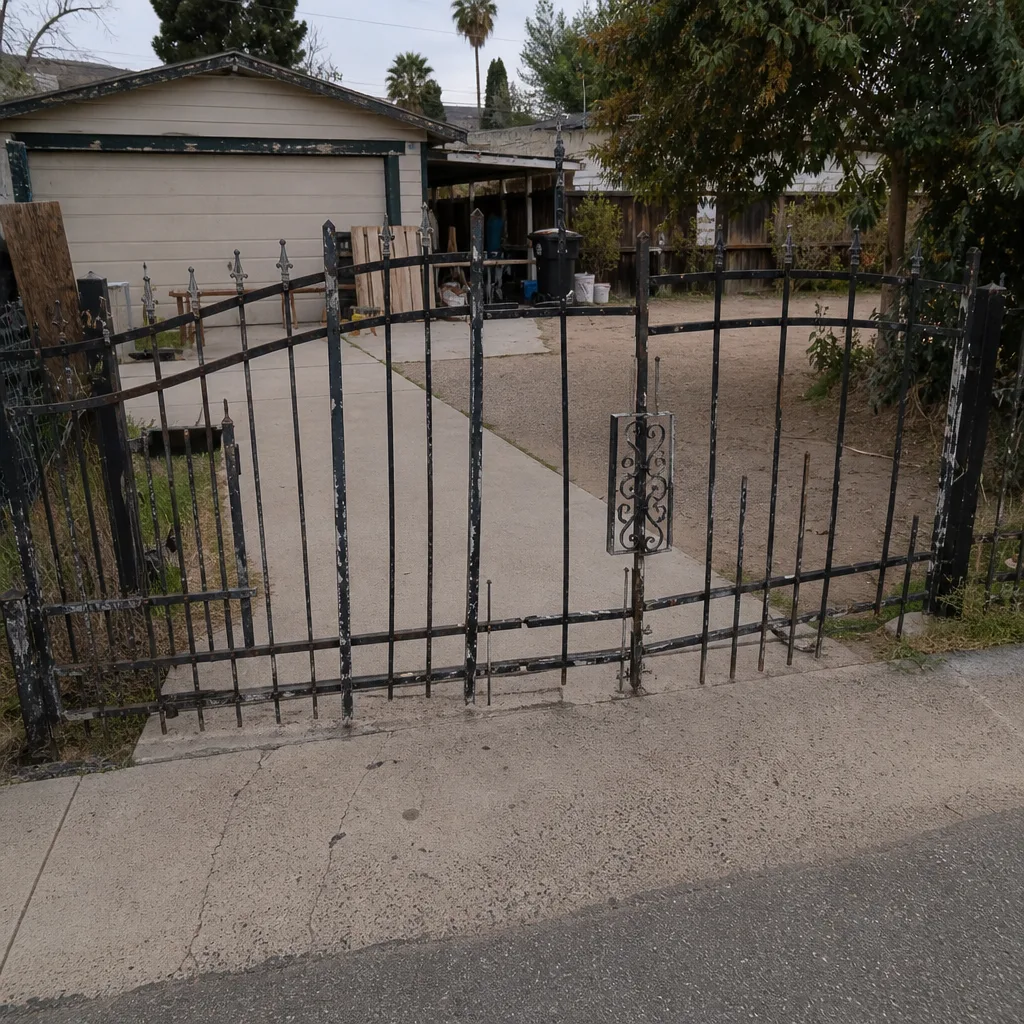 Before
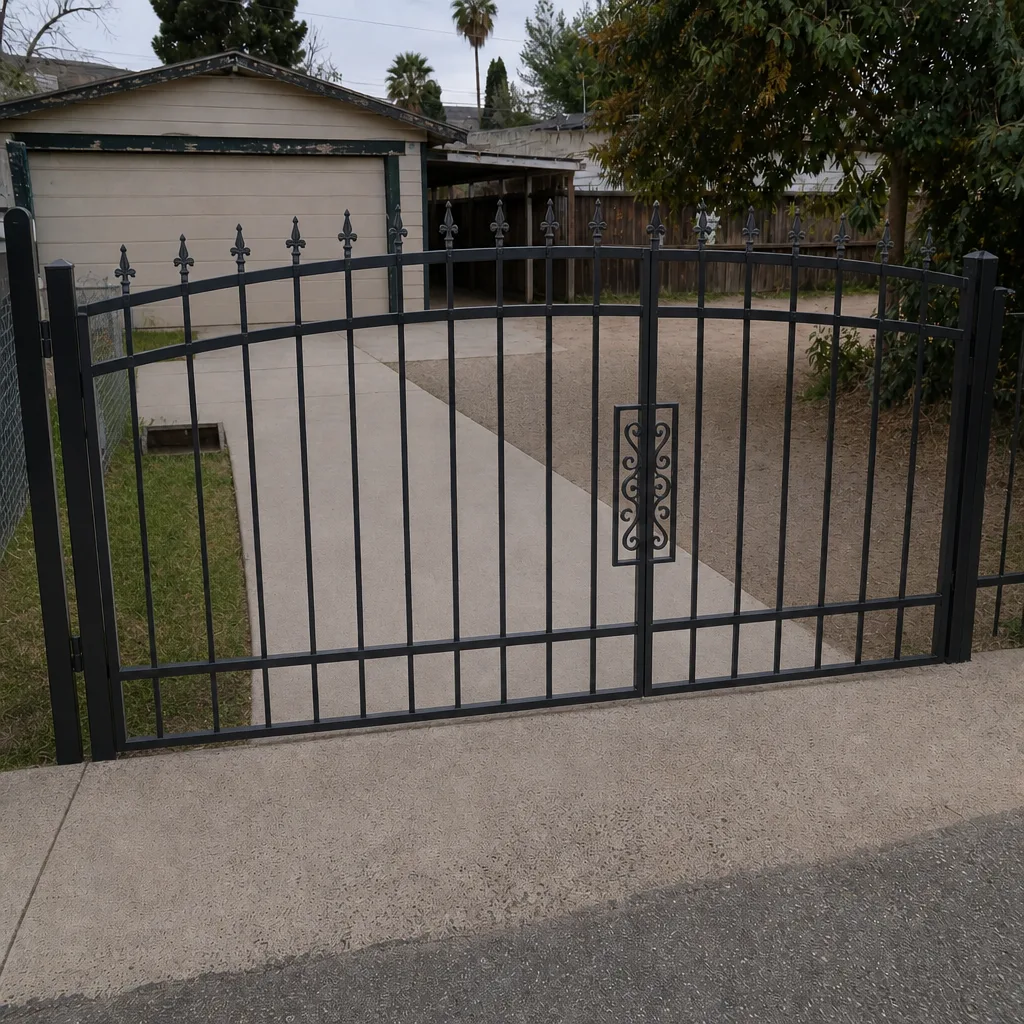 After
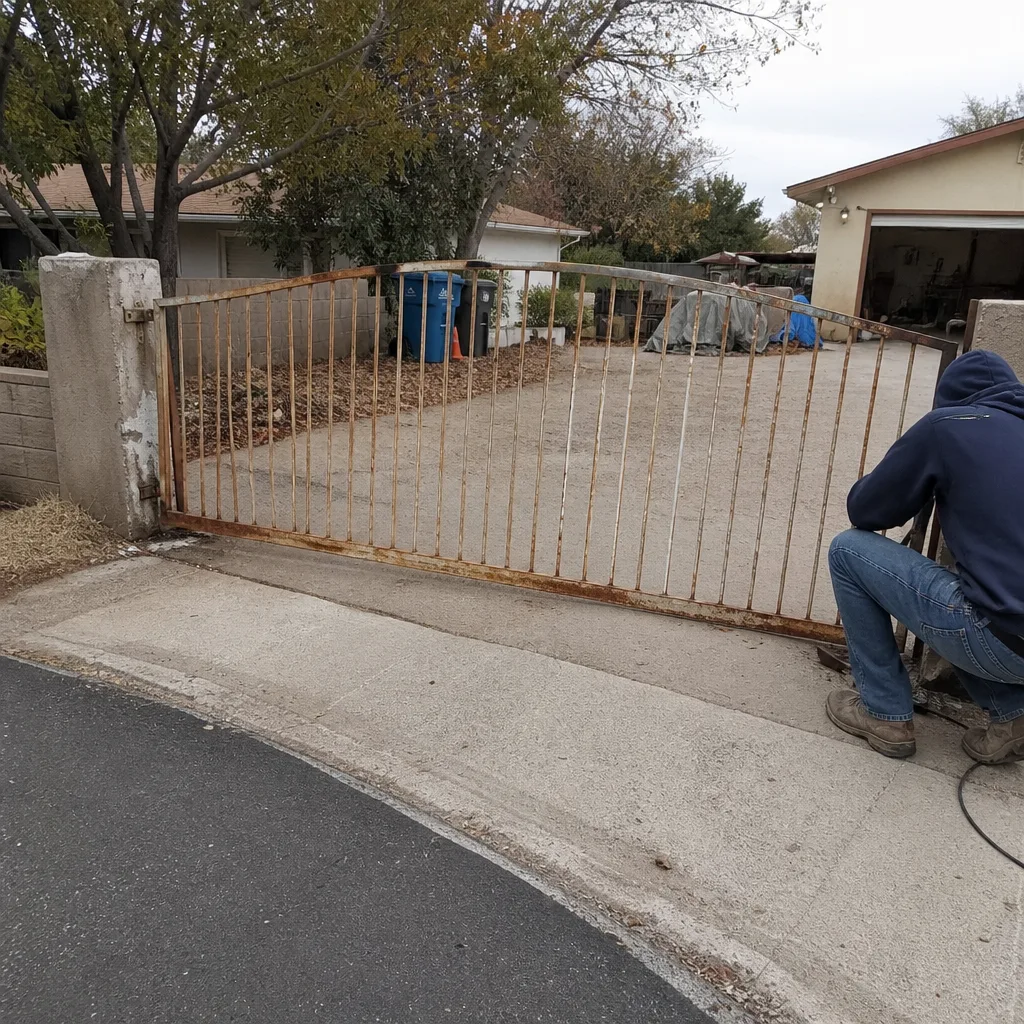 Before
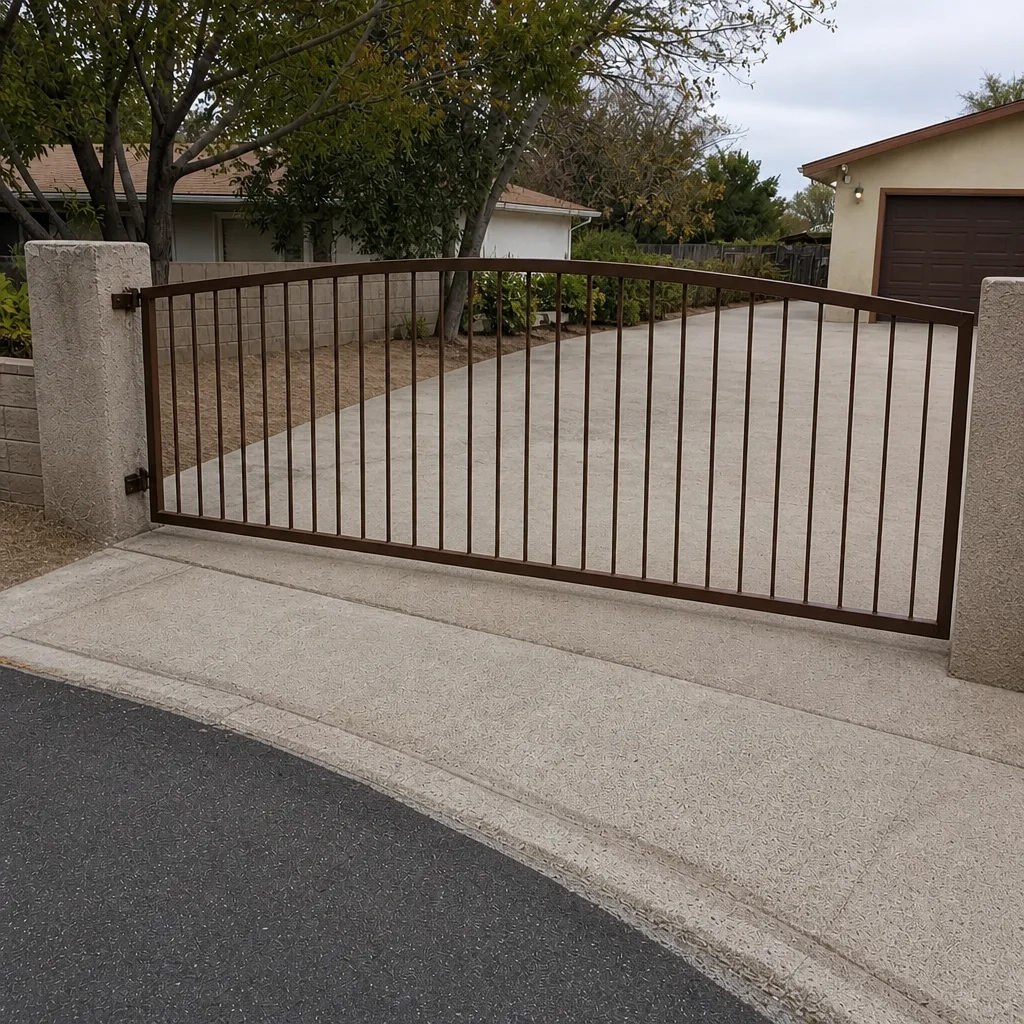 After
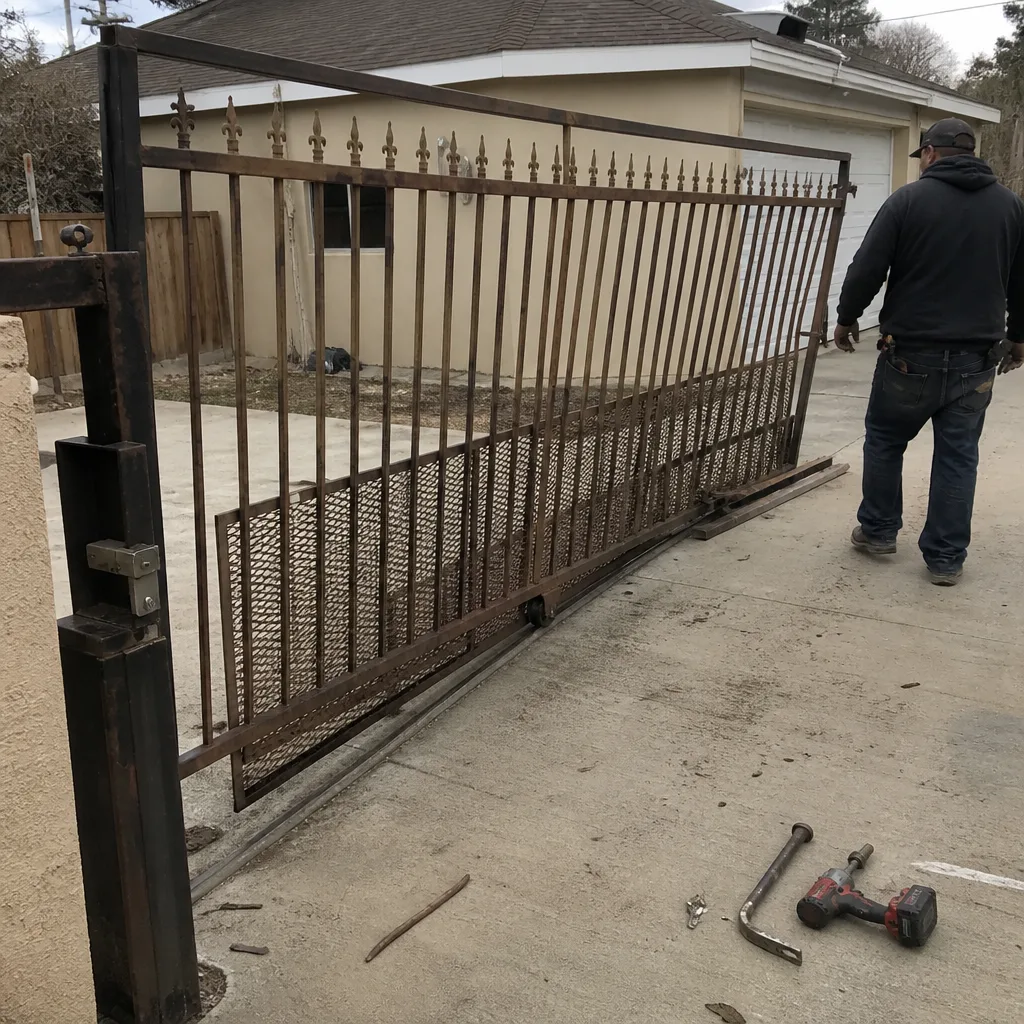 Before
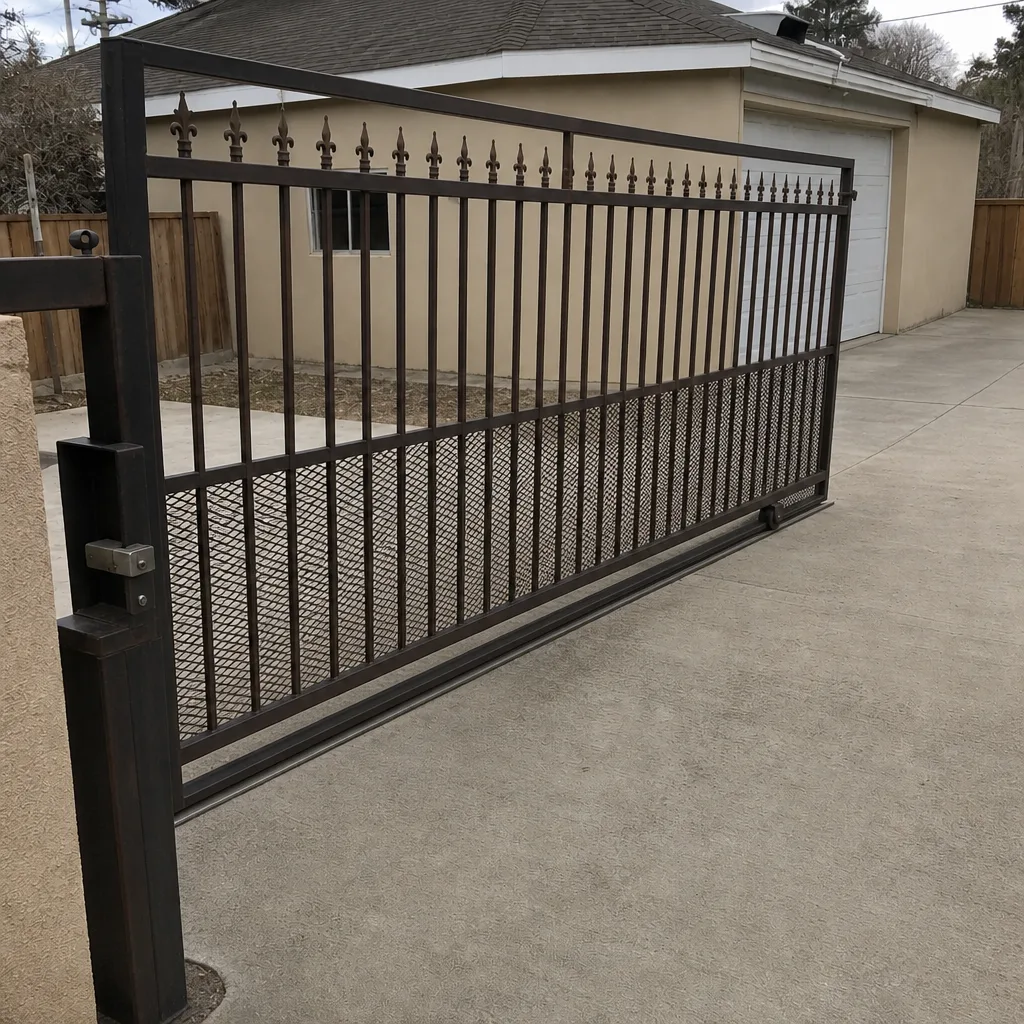 After