
Last updated November 18, 2026
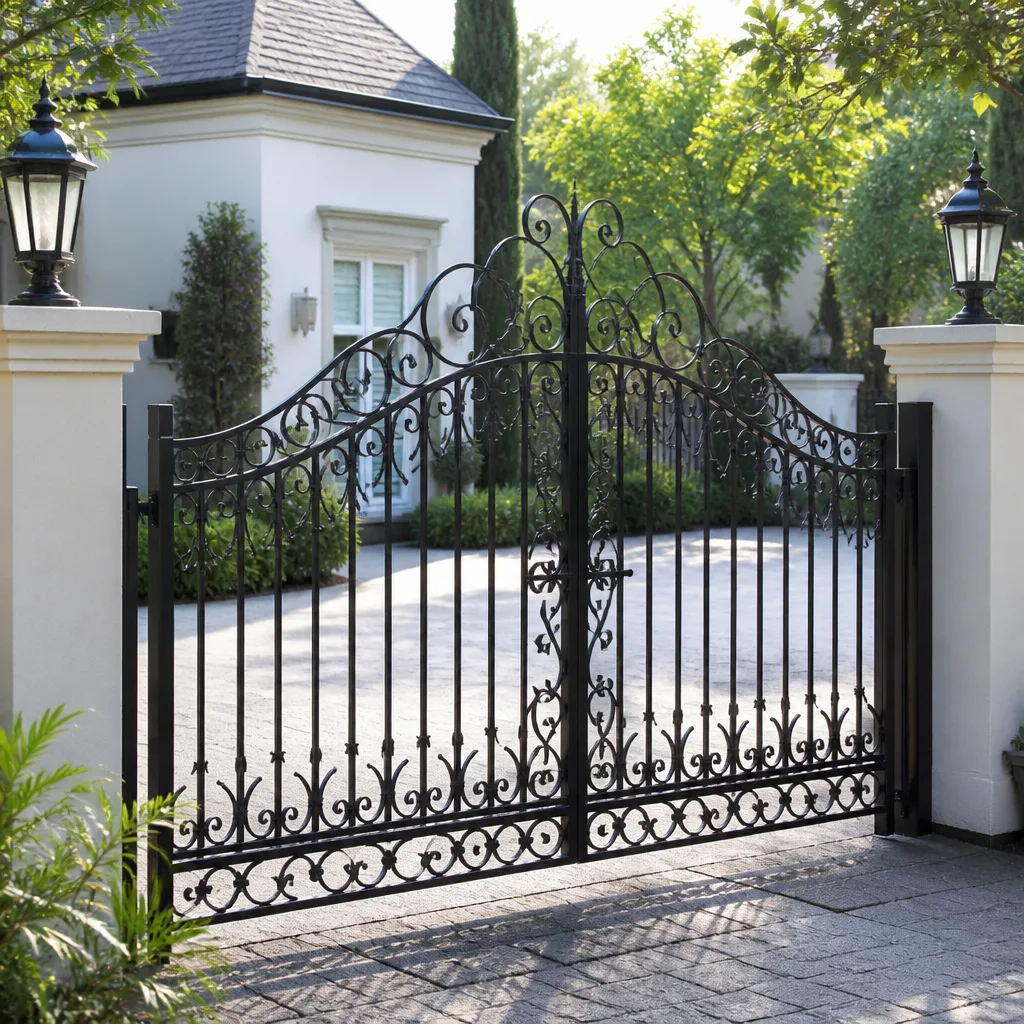 Wrought iron
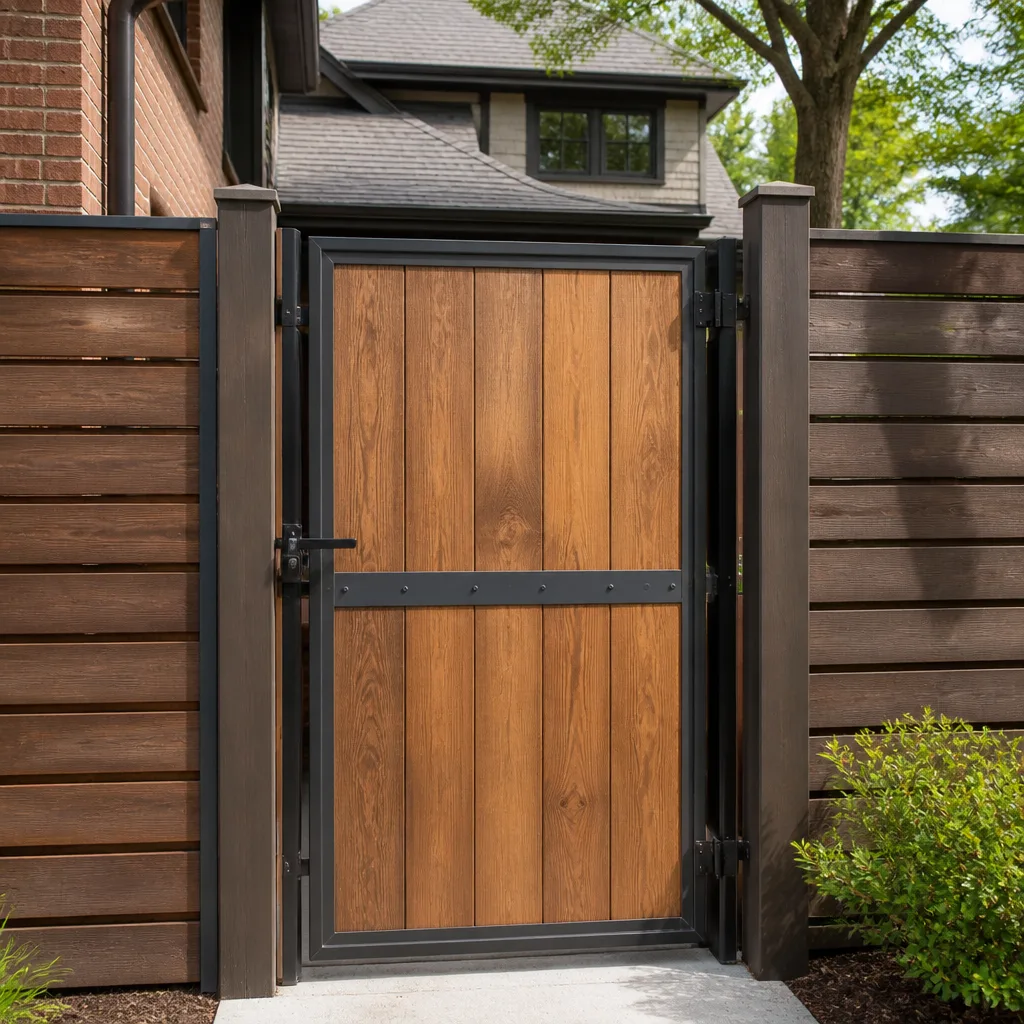 Wood & steel frame
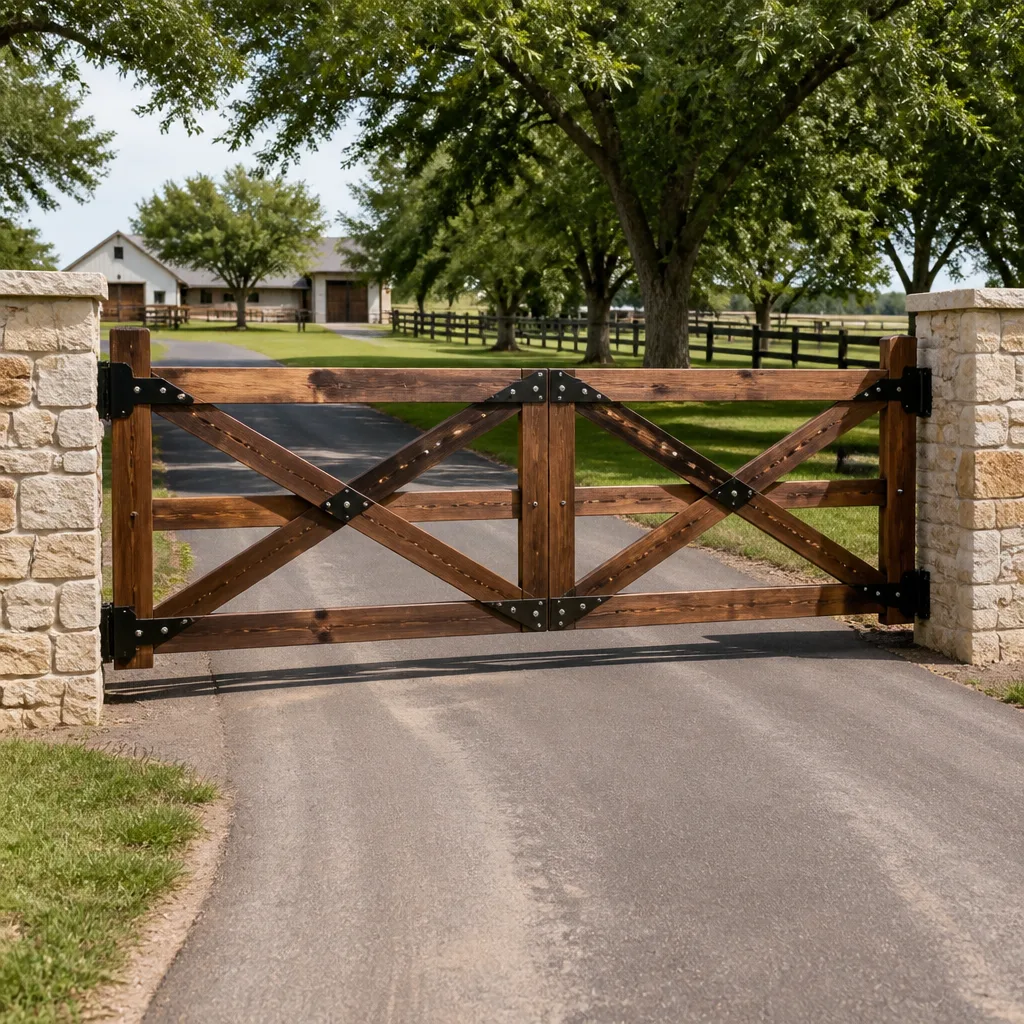 Farm & ranch
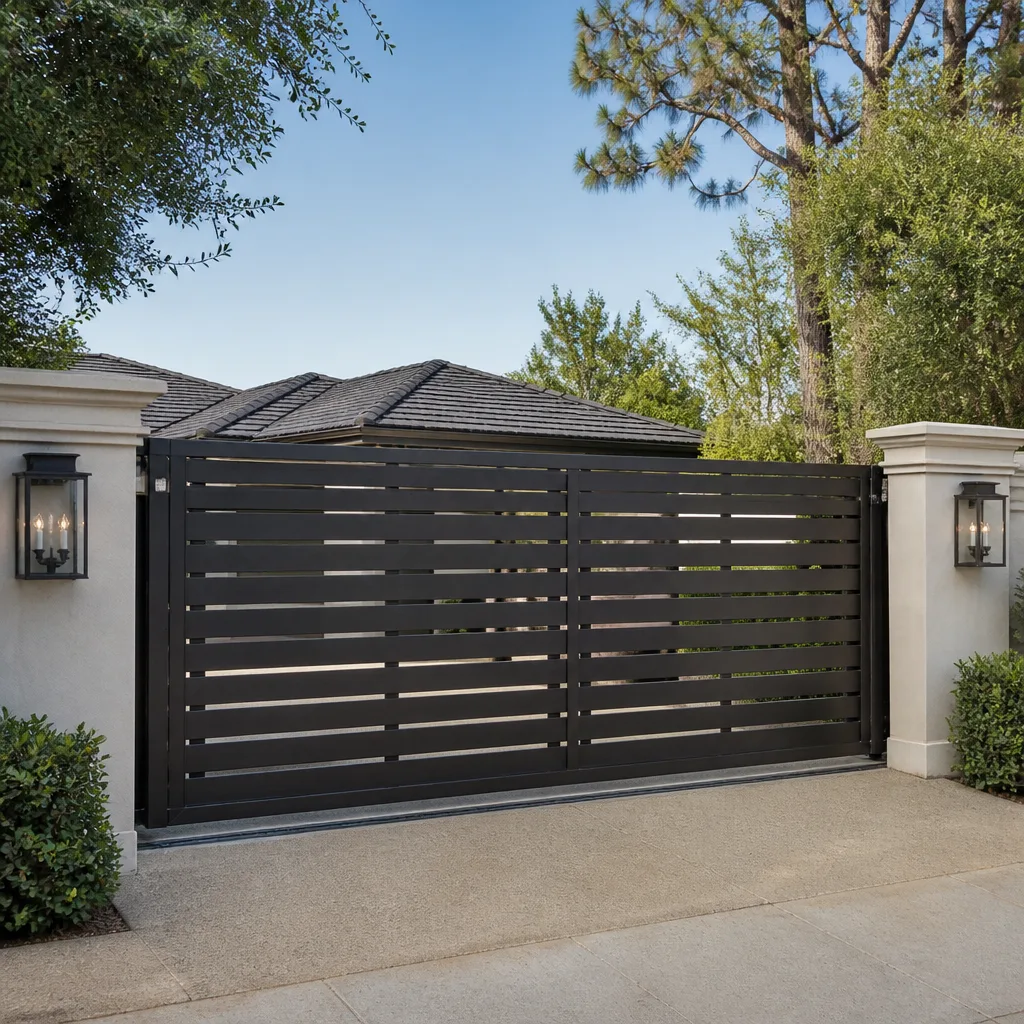 Sliding driveway gates
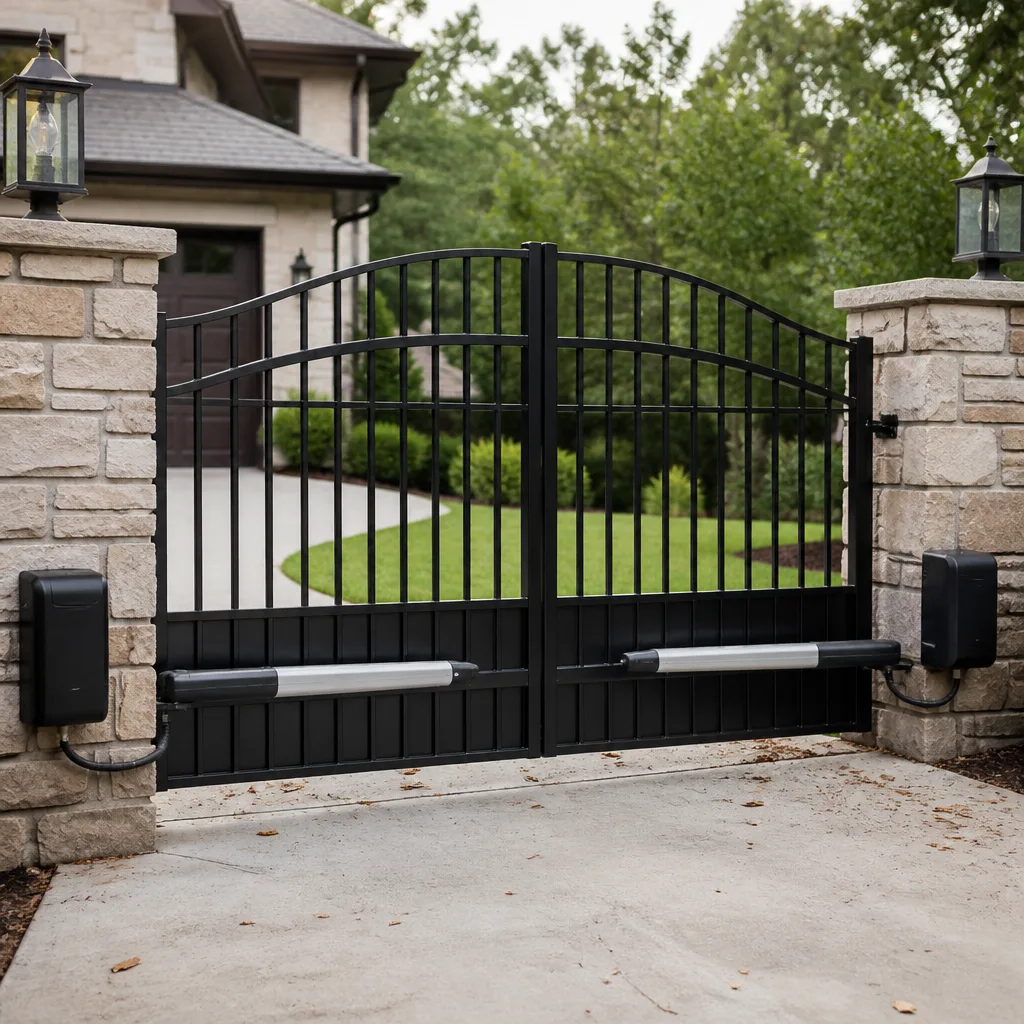 LiftMaster operators
Free on-site gate assessment - hinges, posts, and your LiftMaster or Nice gate operator checked before anything is quoted
The assessment is free and the quote is the invoice.
Get your free estimateThe Complete Guide to Gate Repair in Paradise
A gate that swings a half-inch out of plumb puts roughly 40 extra pounds of torque on its hinges every single cycle, and most homeowners never notice until the post cracks. We see it constantly in Paradise: a driveway gate that “just started dragging” last week has usually been working itself out of alignment for a year. This guide covers what actually fails on a gate in our corner of Nevada, how to read the clues before you call anyone, and how to tell a real repair from a sales pitch dressed up as one. By the end you’ll know what your gate is telling you and what a fair fix looks like.
Quick Answer
Most gate problems in Paradise come down to three root causes: ground movement from caliche soil and monsoon saturation, heat-driven part failure on operators and hardware, and deferred hinge-post damage from a gate running out of plumb. A targeted repair on the actual cause usually runs a fraction of a full replacement, and on-site welding plus proper realignment holds far longer than bolted patches. If your gate drags, sticks, or stops mid-swing, the fix starts with reading the wear pattern, not guessing at parts.
Styles & brands we work with
- Wrought iron
- Wood & steel frame
- Farm & ranch
- Sliding driveway gates
- LiftMaster operators
Table of Contents
- How Paradise’s Soil and Heat Break Gates
- Structural vs. Hardware vs. Operator Repair
- How to Read Your Gate’s Wear Pattern
- What “Welded On-Site” Actually Means
- Gate Types and Their Failure Patterns
- Red Flags That You’re Being Sold a Replacement
- What Gate Repair Costs in Paradise
- Prevention: Keeping Your Gate True
How Paradise’s Soil and Heat Break Gates
Paradise sits on ground that behaves differently than most of the country, and that matters more than any brand of hinge or operator. Our caliche soil is hard, calcium-cemented, and quick to shift when water finally gets into it. A hinge post set in this ground can hold solid for years and then move in a single wet season. When it moves, the gate follows, and everything downstream (hinges, latches, the operator arm) starts wearing unevenly. We’ve watched posts that looked perfect in spring pull an inch out of plumb after a hard monsoon.
Then there’s the heat. Summer temperatures in Paradise punish anything with grease, rubber, plastic, or a circuit board. Operator control boxes bake, gear lubricant thins out, and rubber bumpers go brittle and crack. We routinely see failures in Paradise that northern guides never mention because they don’t happen in cooler climates: a Linear or BFT operator that ran fine all winter starts grinding in July because the lubricant that was protecting the gears has cooked off.
The wind matters too. Our spring gusts load a solid gate harder than a slatted one, and a gate that catches wind puts the strain straight into the top hinge bracket. If your top bracket is loose, the gate may still swing on the bottom hinge alone until that fails too.
None of this is exotic. It’s the everyday reality of fixing gates in Paradise, and it’s why a general handyman who treats our gates like gates in Ohio leaves behind work that fails by the next summer. For the basics of how we handle the repair itself, our Gate Repair in Paradise page walks through the service.
Structural vs. Hardware vs. Operator Repair
This is where a lot of money gets wasted. Every gate problem is one of three kinds of repair, or a combination, and mixing them up means paying for the wrong thing. Knowing which one you’re facing tells you what the estimate should look like.
- Structural repair deals with the frame and the post: the hinge post, gate frame, sagging panels, cracked welds on the tube steel. If the gate won’t swing true because the structure has moved, no amount of new hardware will fix it. Fix the panel without the post and you’ll fix it twice.
- Hardware repair deals with hinges, rollers, latches, catch plates, and stops. These are the moving parts that wear. A worn hinge or a bent latch is cheap to fix and easy to spot, but new hardware on a gate with a bent frame won’t hold alignment.
- Operator repair deals with the motor and opener: the arm, the gears, the control board, the safety edges, the limits. This is electrical and mechanical, and it’s where a lot of diagnoses go wrong because a binding gate masquerades as a motor problem.
Here’s the thing a lot of Paradise homeowners run into. The operator starts straining and they assume the motor is bad. Nine times out of ten, the motor is fine and the gate has gone out of plumb, which is a structural repair, not an operator repair. If you’ve been told you need a new operator when the gate has a broken weld or a loose post, ask why. That’s the difference between a $200 fix and a $900 one. Our Gate Motor & Opener in Paradise page covers the electrical side in detail.
How to Read Your Gate’s Wear Pattern
Before you call anyone, you can learn a lot from your own gate in about five minutes. Reading the wear pattern is the single most useful skill in this guide, because it tells you which kind of repair you’re actually facing. Work through these steps in order.
- Open the gate halfway, let go, and watch. A well-adjusted gate stays put. A gate that swings open or closed on its own is telling you the post is out of plumb. That’s where we start every diagnosis.
- Get level on the post. A four-foot level held against the hinge post shows the lean in seconds. A half-inch out over the post’s height is enough to cause everything downstream.
- Look at the hinge gaps. If the gap at the top hinge is tighter than the bottom, the gate’s dead weight is bearing down through it. That’s the first hinge to fail.
- Check for fresh rust streaks near the welds. A hairline crack in a tube-steel frame leaks rust where water finds it. That crack is why the gate flexes when it shouldn’t.
- Listen to the operator. A healthy motor hums. A grinding, stuttering, or clicking motor is straining against something. Check the gate’s swing first before blaming the motor.
- Inspect the safety edges and the bottom of the gate. Rub marks where the gate drags on the pavement mean the bottom has dropped and it’s grinding on every cycle.
Learning to watch your gate close on its own is the cheapest diagnostic there is. Every one of these signs points at a specific repair, which means the person who shows up should be able to point at it too. If they can’t, that’s a sign they’re guessing.
What “Welded On-Site” Actually Means
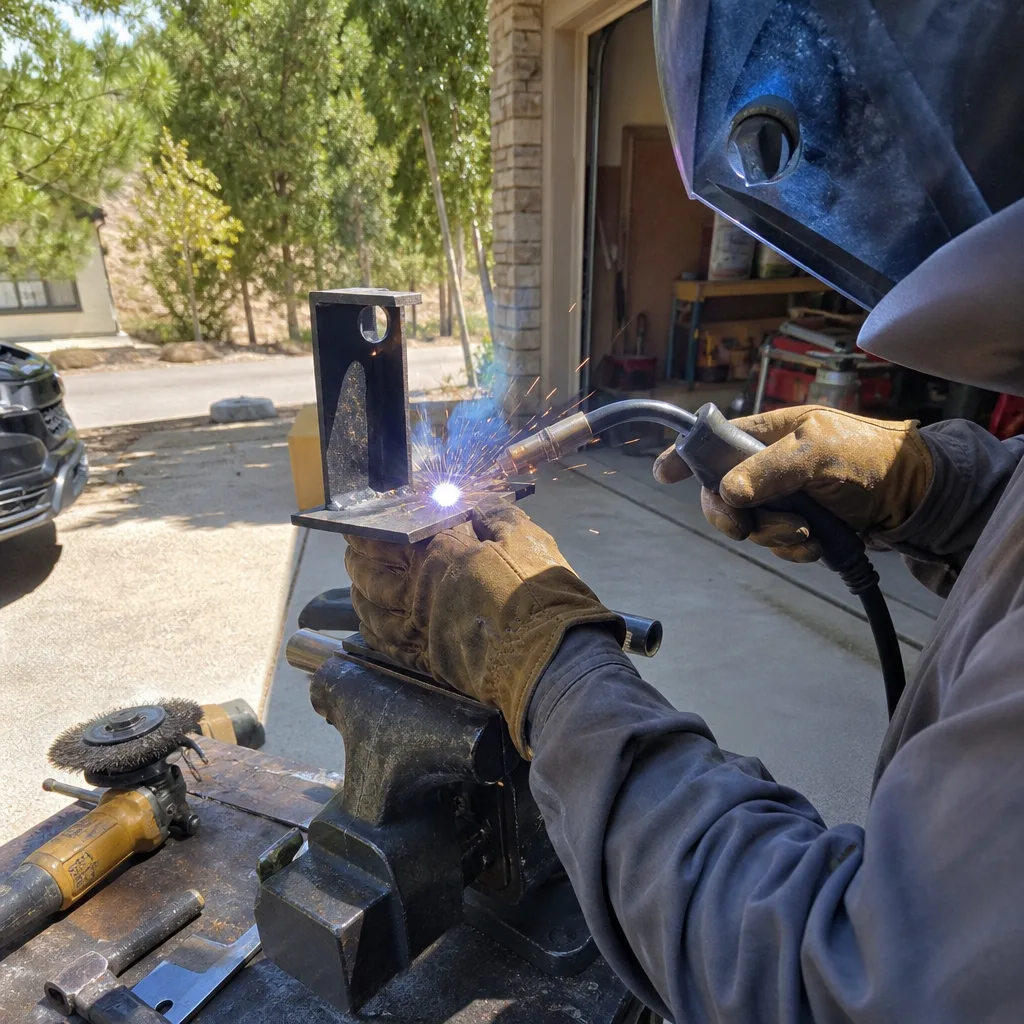
Most gate companies don’t weld. They bolt on patch plates, sleeve a bracket over a broken weld, or guess at the problem and swap parts. Welded on-site means the welder brings the equipment to your driveway and lays a proper weld on the actual gate frame, then grinds it clean and paints it so the repair holds and looks right. The gate stays in your driveway. Hal fixes the gate in your driveway rather than hauling it off or swapping parts that don’t need swapping.
Why does that matter? A bolted patch plate works as a stopgap, but bolts loosen under the vibration of every open-and-close cycle. On a heavy gate that cycles a dozen times a day, a bolt-and-plate patch can loosen in weeks. A properly laid weld on a grounded, cleaned joint is a lasting repair. On-site welding also lets us address the frame and the hinge post without ever loading the gate onto a truck.
That said, welding isn’t always the answer. Sometimes a hinge is simply worn and a replacement hinge is the right fix. Sometimes a gate that’s bent beyond straightening is genuinely better replaced. The point is to match the repair to the failure, and on-site welding is what keeps a real structural repair possible when a bolted patch won’t do.
If the damage is beyond a weld or a hinge, a fresh install from the frame up is the honest call, and our Gate Installation in Paradise page covers what that involves.
Gate Types and Their Failure Patterns
Different gate types fail in different ways, and knowing your gate type helps you understand what’s likely wrong before anyone shows up. Here are the main ones we work on in Paradise.
- Swing gates are the most common residential type, and they fail at the hinge post first. When the post goes out of plumb, the gate drags, the top hinge wears, and the operator starts straining. A swing gate that sags in the middle usually isn’t the panel, it’s the hinge post.
- Sliding gates run on a track or an overhead rail, and they fail at the rollers and the bottom guide. Caliche soil and heat shift the track out of level, the gate derails, and the operator takes the load. If your slide gate jumps the track, that’s a track and leveling repair, not a motor repair.
- Ornamental iron gates hold up well but crack at the weld joints where the rails meet the stiles. Those cracks show as rust streaks long before the gate visibly bends, and a properly placed weld restores the strength.
- Chain-link and wire gates are lighter and cheaper to repair, and their weak point is the corner brace and the hinge. A sag in a chain-link gate usually traces to a loose corner brace or a post that’s moved.
- Automated gates carry all the above plus electrical failures on operators, control boards, safety edges, and access keypads. We service LiftMaster, FAAC, BFT, Linear, Viking, Ghost Controls, DoorKing, Elite, and Mighty Mule units, so the brand rarely limits the repair.
Certain gates need care when you’re deciding a fix. A tall, heavy ornamental iron gate with an operator carries a lot of stored force at the arm, and high-tension operators and overloaded safety edges can hurt someone if handled wrong. Those we treat as a professional job, not a DIY project. If your gate is over eight feet and automated, call us before trying to fix the hardware yourself.
Red Flags That You’re Being Sold a Replacement
We hear it all the time in Paradise: someone gets a quote for a full replacement when a targeted repair would do the job. Here’s how to spot it.
- “The whole thing needs to come out” with no diagnosis of the actual cause. A gate that sags in the hinge post doesn’t need a new gate, it needs the post addressed. If a contractor can’t tell you which part failed, don’t trust the replacement quote.
- No mention of plumb. If a contractor never checked whether the post is out of plumb, they haven’t found the real problem. That’s the first thing a real gate guy checks.
- “The motor is going” on a gate that binds. Straining operators are usually telling you the gate is out of alignment. Ask for a test with the operator disconnected before you buy a new motor.
- Estimates that don’t break out the parts. A real estimate tells you what’s being repaired and what’s being replaced. Vague is a problem.
- “It’s a sealed unit, can’t be repaired.” A lot of “sealed” operators have serviceable gearboxes, and most worn hardware is a straight replacement that’s quick and cheap.
- Pressure to sign today. A fair quote that’s honest on Monday is honest on Friday.
The name is on the shop, and the shop is down the road, and that is the oldest accountability there is. We’d rather fix your gate than sell you a new one. That’s why we offer a free second opinion on any written estimate, so you can compare a repair quote against a replacement quote and see which one tells the true story.
What Gate Repair Costs in Paradise
Pricing in Paradise is what you’d expect for the trade: hardware repairs are the cheapest, structural repairs that involve welding and realignment sit in the middle, and operator work depends heavily on the part. The ranges below are what a fair quote looks like in this market. Prices get quoted and agreed before any work starts, so you’re never surprised at the end.
- Hardware repair (hinges, rollers, latches, catch plates): the lowest-cost tier; most single-part hardware fixes fall here.
- Structural repair (hinge-post realignment, weld on site, frame straightening): the mid tier; on-site welding and post work push it up from a hardware-only fix.
- Operator repair (control boards, gearboxes, arms, limit switches): the widest range, because parts vary widely by brand and model. A worn gearbox is a different cost than a control board or an arm.
- Safety edge and access control work (safety edges, keypads, remotes): typically a modest add-on, but essential on any automated gate.
We keep the estimates upfront and no-hassle. Our standing offers don’t require haggling: $40 off any repair over $200, no trip charge inside the county, free second opinion on any written estimate, and a permanent 10% discount for seniors and veterans. Call us for an exact quote on your gate, and estimates are free.
Prevention: Keeping Your Gate True
Most of the failures we fix in Paradise were preventable with a little routine attention. A gate asks for very little if you give it the right care.
- Test the swing every season. Open it halfway and let go; if it moves on its own, the post is drifting. Catch it there and it’s a small realignment instead of a full repair.
- Keep the post area clear of standing water. Caliche and monsoon water are the top cause of post movement, so redirect water away from the hinge post.
- Check the operator’s stops and limits in spring. Heat stresses the operator, and a limit that’s slightly off adds strain all summer.
- Lubricate the moving parts on schedule. Hinges, rollers, and latches need it, and it’s cheap insurance against a wear-failure.
- Watch the paint at the welds. A rust streak at a weld is a crack forming, and a quick weld now saves a bigger repair later.
If you want to start at the top, our Gatewood Fence & Gate Paradise home page is where we list what we do and how to reach us.
Common Mistakes to Avoid
- Replacing the operator when the gate has gone out of plumb. It’s the most expensive way to fix a misalignment, and in Paradise the misalignment is usually the cause.
- Bolting a patch onto a cracked weld. The bolt loosens under the cycling and the gate flexes again. A proper weld on site holds.
- Ignoring a leaning post until the panel cracks. A post that went out of plumb is the root cause of most sagging. Fix it early and it’s a realignment, not a rebuild.
- Calling a general handyman for an iron gate or automated gate. Without the right equipment and safety handling, a small repair becomes a bigger one. On-site welding and proper operator work need the right gear and skill.
- Skimping on the safety edges of an automated gate. The safety edge is what stops the gate on an obstruction. Failing to keep it working on an automated gate is a genuine hazard.
- Accepting a replacement quote without a second look. Ask what failed, and to see the reason. A repair-first outfit will show you.
See the difference
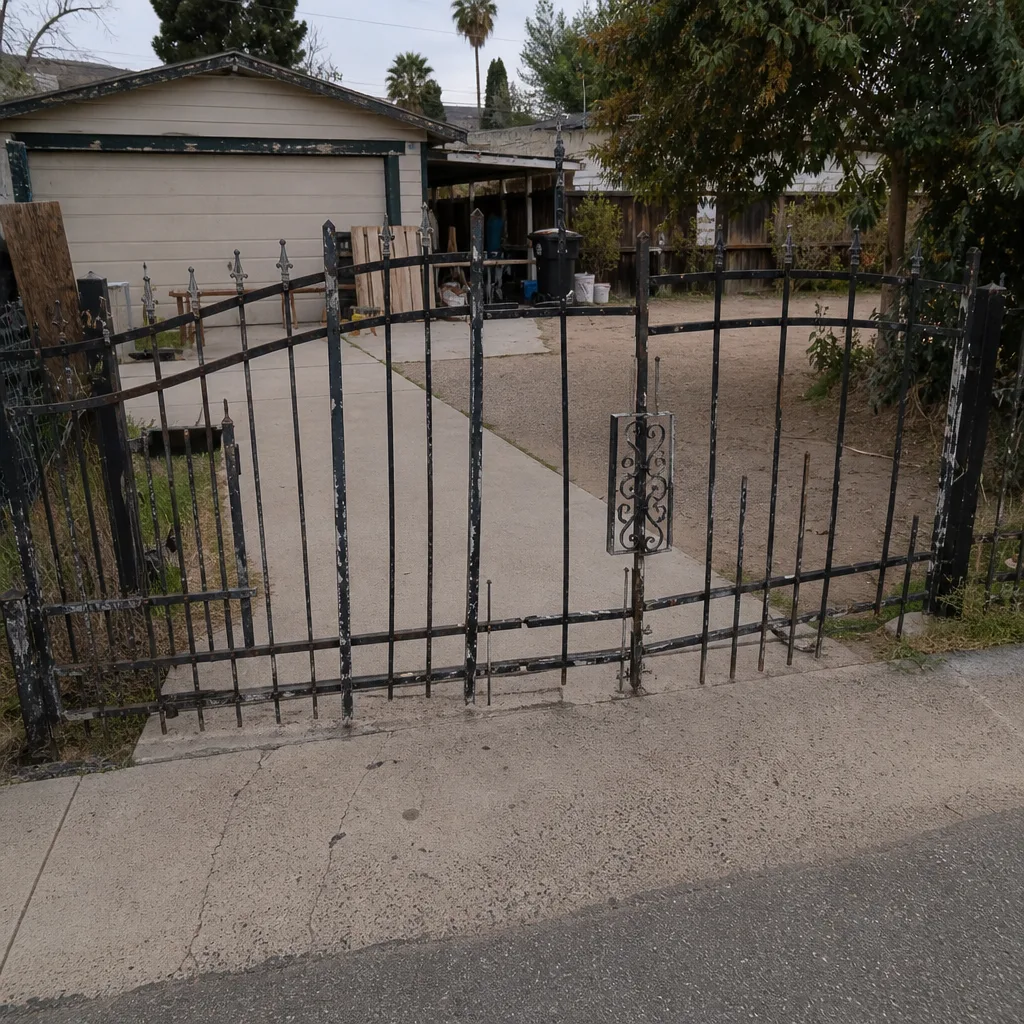 Before
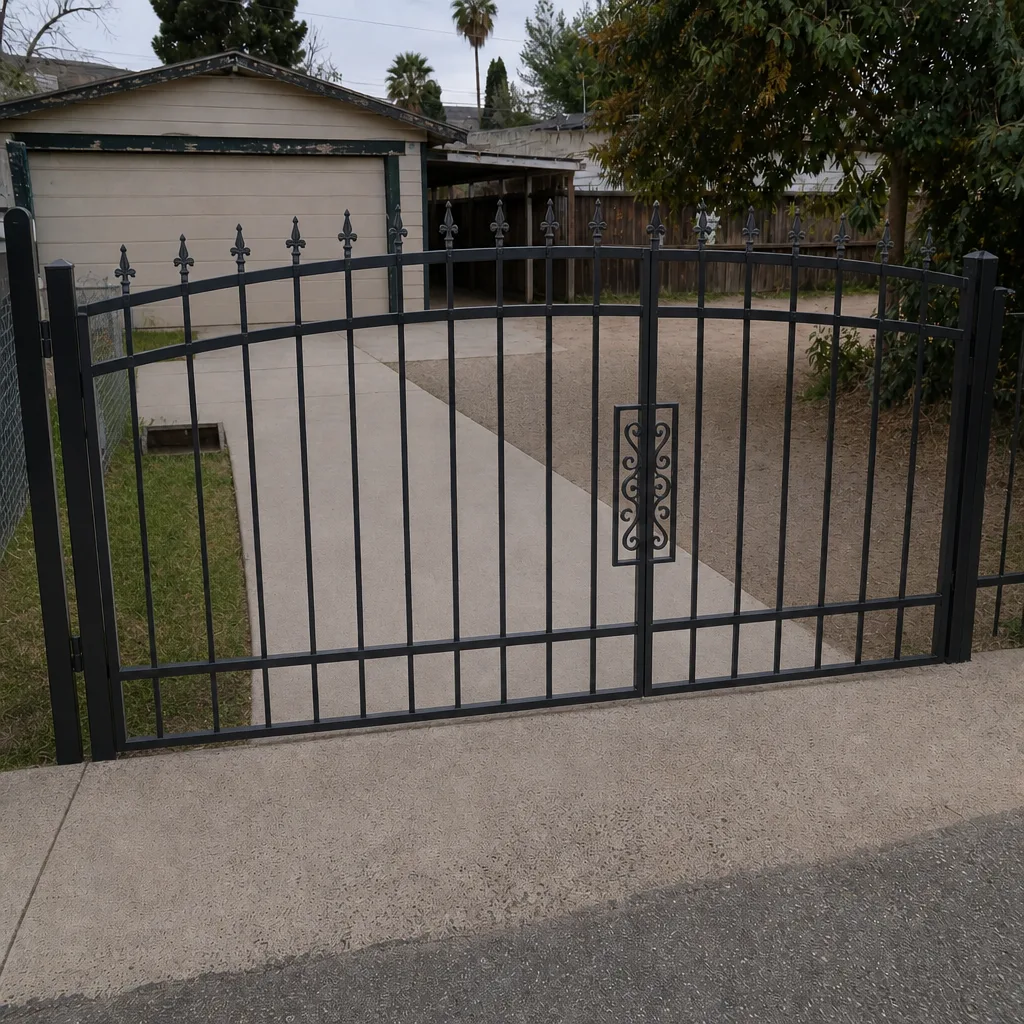 After
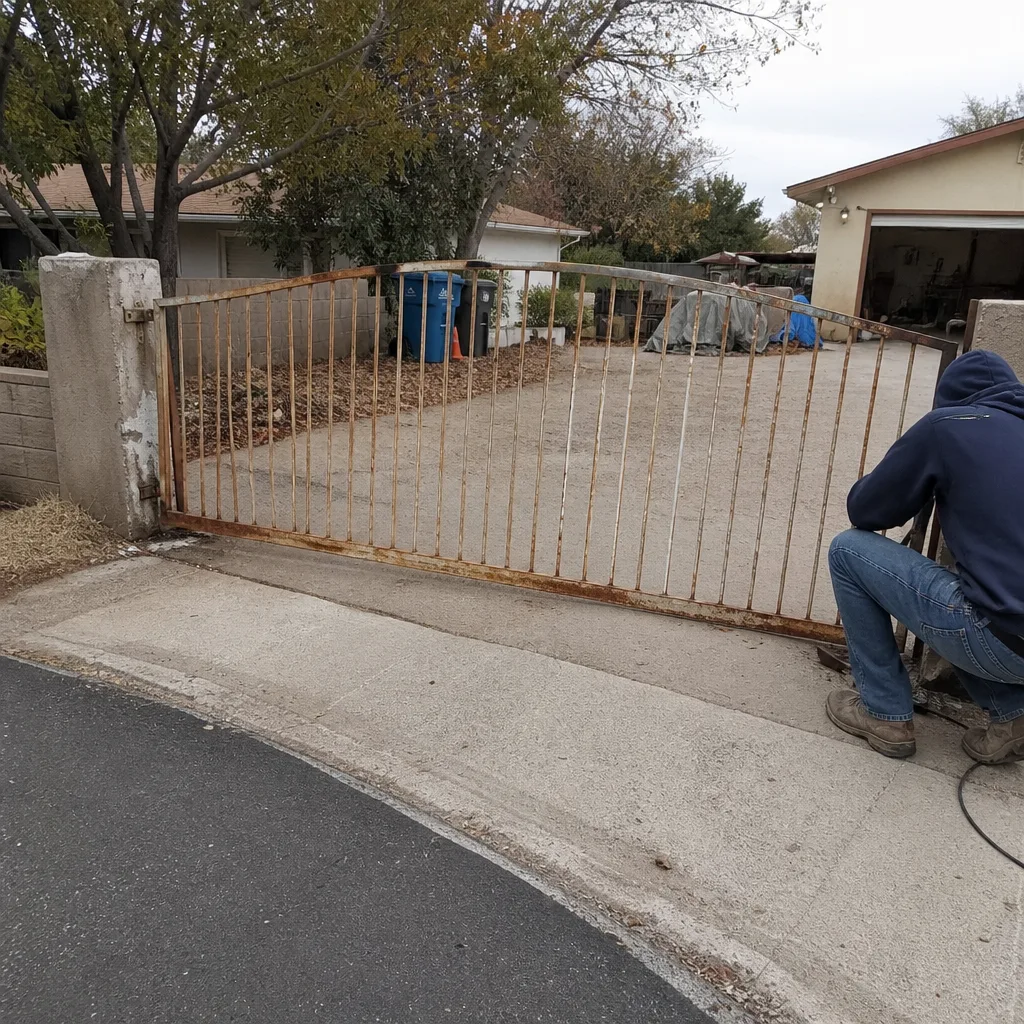 Before
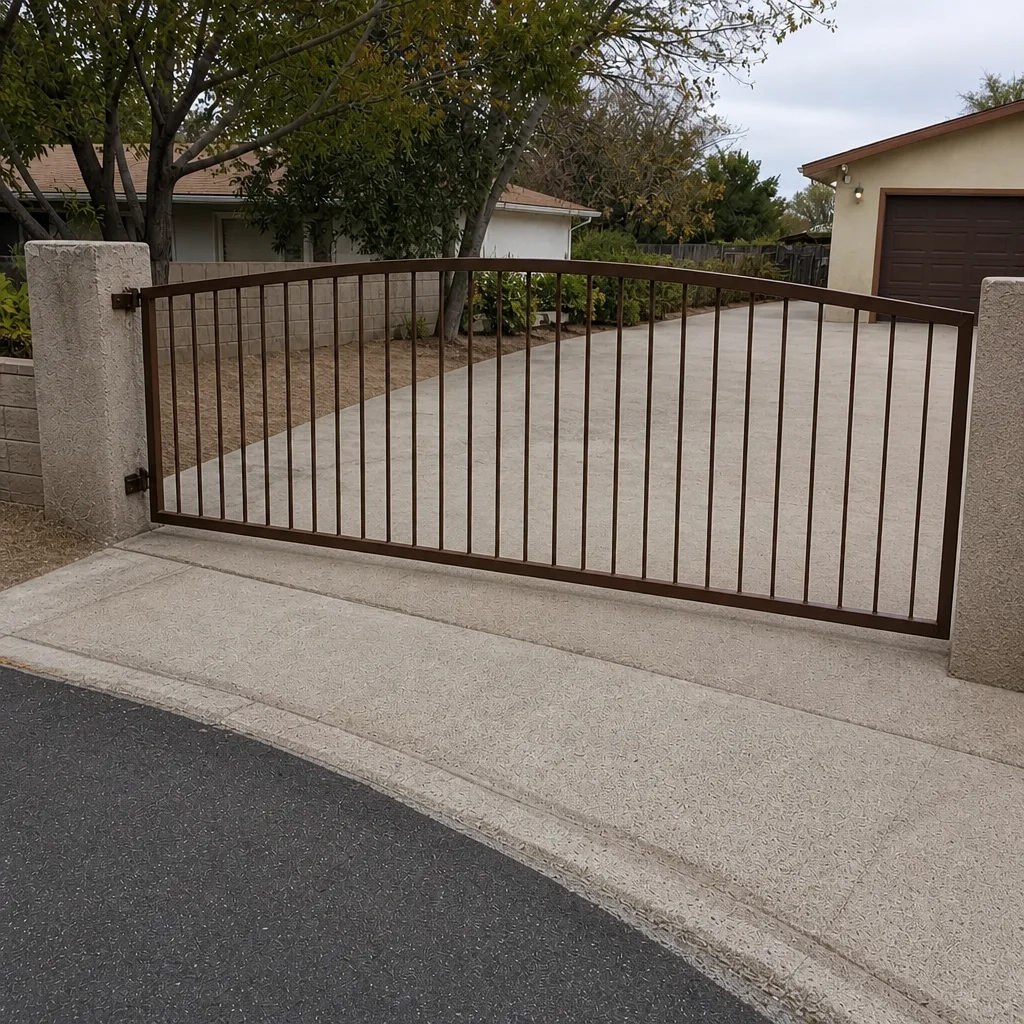 After
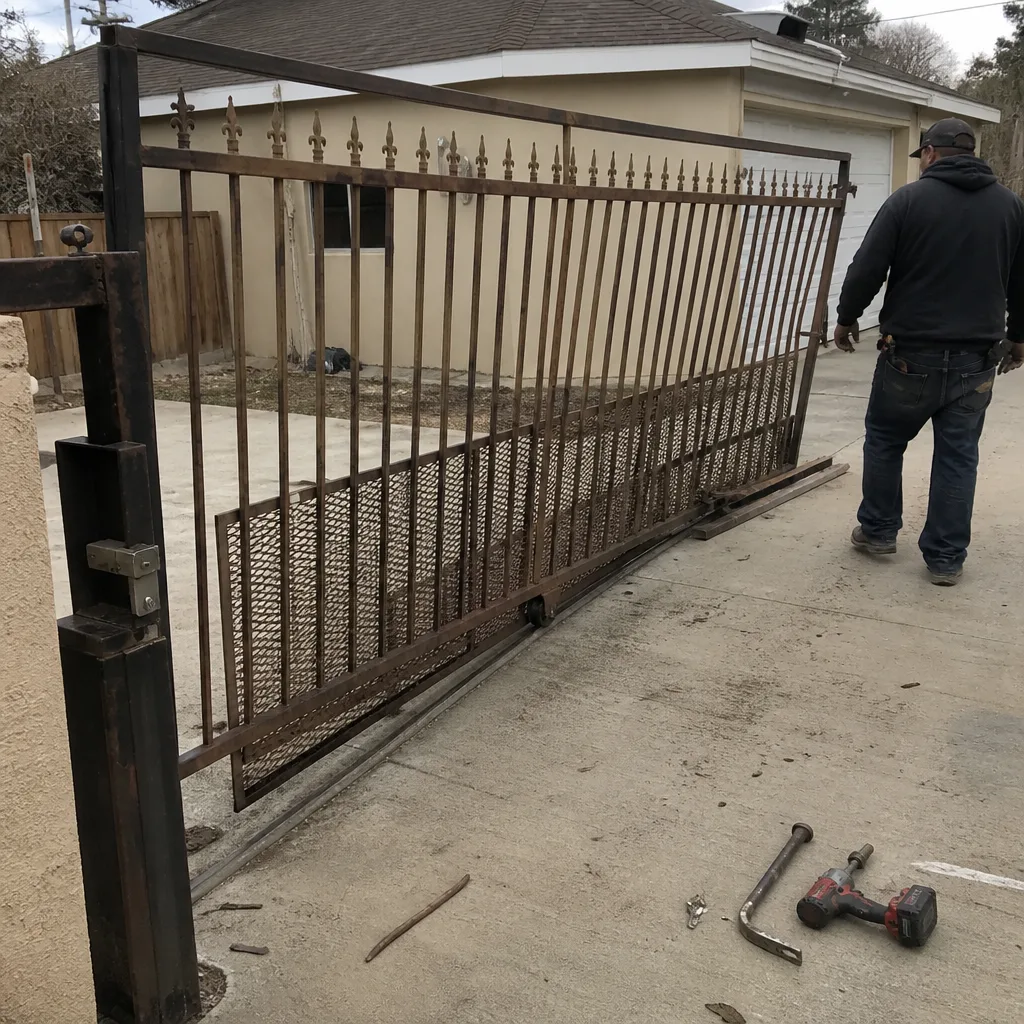 Before
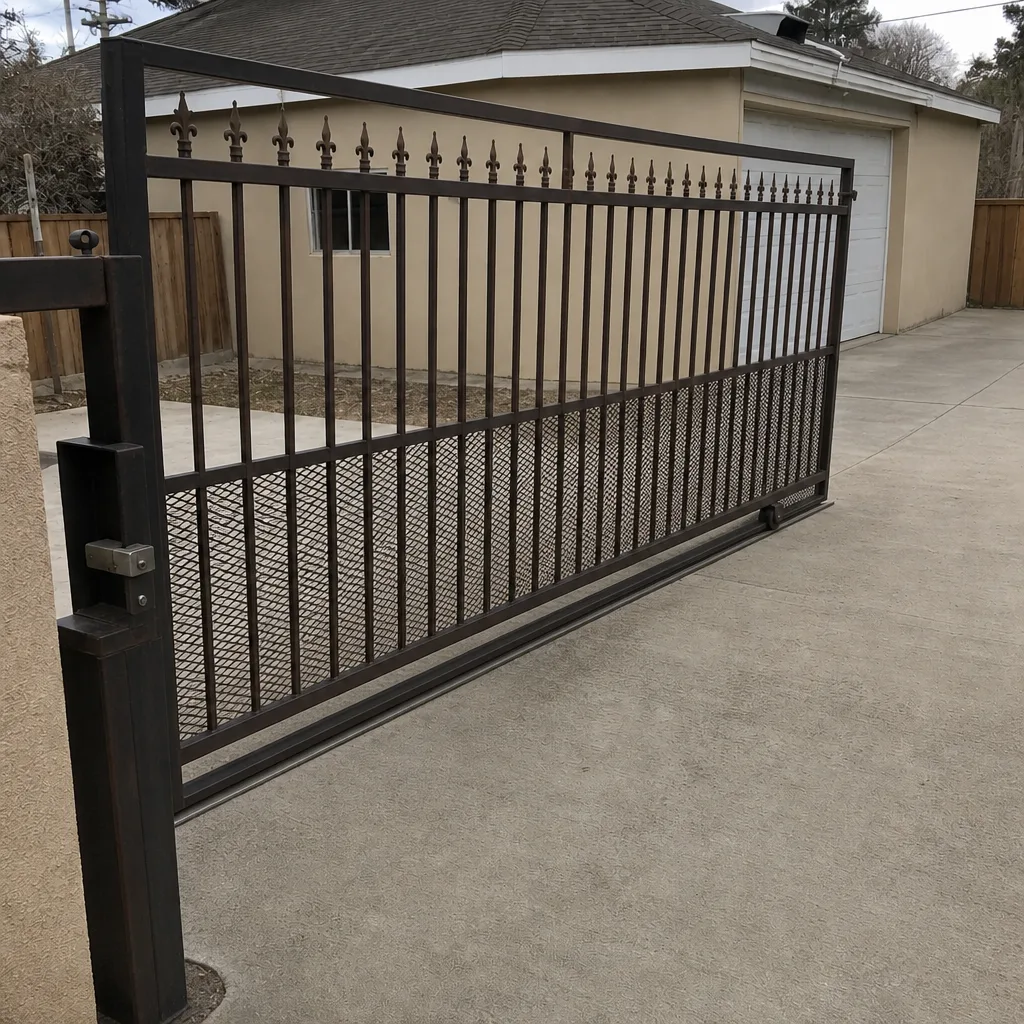 After
When to Call a Professional
Some things you can check yourself, but a few situations call for a professional right away. A gate that’s out of plumb and dragging, a weld that won’t hold, an automated gate that strains or stops mid-cycle, or an iron gate over eight feet that’s started to crack. High-tension operators and heavy automated gates carry real force, and a slip can hurt someone, so those get handled by someone who does it every day. If your gate has a crack you can see, a post that’s moved, or an operator that’s failing, call us and we’ll sort it out.
Gatewood Fence & Gate Paradise offers free estimates in Paradise. Call (888) 292-7536 and a live person will pick up. Our crew brings background-checked, uniformed technicians on every job, and every repair carries the 90-Day Done Right Promise in writing.
Frequently Asked Questions
Gate repair in Paradise ranges from a modest hardware fix (hinges, rollers, latches) up to structural welding and realignment, and operator repairs vary most because parts differ by brand and model. A fair quote breaks out the parts and the labor so you know what you’re paying for. Call (888) 292-7536 for an exact quote, and estimates are free.
We answer the phone around the clock, and for repair calls we do our best to get out in the window we promise. We don’t guarantee same-day on every call, but we show up when we say we will and we tell you straight when we can’t. Call (888) 292-7536 and a live person will help.
If the gate sags, sticks, or drags, check the hinge post for plumb first; most of the time a sagging gate is an out-of-plumb post and a repair, not a replacement. Replacement is the honest call only when the frame is bent beyond straightening or the corrosion is everywhere. A second opinion from us will tell you which. Call (888) 292-7536.
Yes. We service LiftMaster, FAAC, BFT, Linear, Viking, Ghost Controls, DoorKing, Elite, and Mighty Mule operators on both swing and slide gates. If your motor is straining, we check the gate’s alignment before we quote a part. Call (888) 292-7536 for a free estimate.
A gate that stops halfway on its own is usually fighting the safety edge or binding on a frame that’s gone out of line, so the operator thinks something’s in the way. It’s rarely the motor. A real diagnosis checks the swing and the limits first. Call (888) 292-7536 and we’ll look.
Yes. On-site welding is a regular part of our work, so the gate frame gets a proper weld in your driveway instead of a bolted patch and a haul-off. That’s how we fix the frame and hinge post without loading the gate onto a truck. Call (888) 292-7536 for a free estimate.
The Bottom Line
Most gate problems in Paradise have one of three root causes, and learning to read your gate’s wear pattern means you’ll know which repair you’re facing before you call anyone. A sagging gate usually starts at the hinge post, a straining operator usually points to a gate out of plumb, and a cracked weld wants a real repair on site, not a bolted patch. Fix the cause, not the symptom, and a repair that’s right the first time will outlast two that aren’t. At Gatewood Fence & Gate Paradise, the gate stays in your driveway, the price is agreed before we start, and the 90-Day Done Right Promise is stamped in writing. Call (888) 292-7536 for a free estimate.
Written by the team at Gatewood Fence & Gate Paradise.