
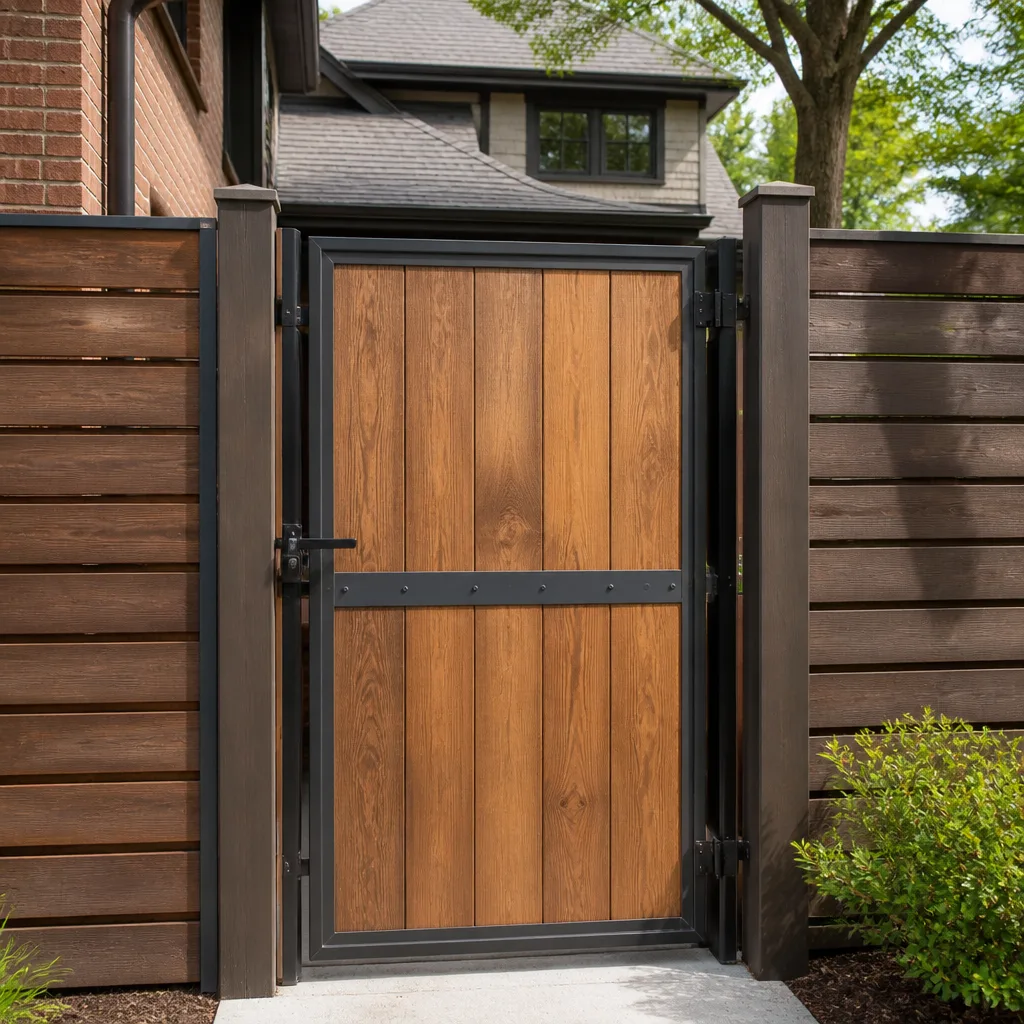
 Wood & steel frame
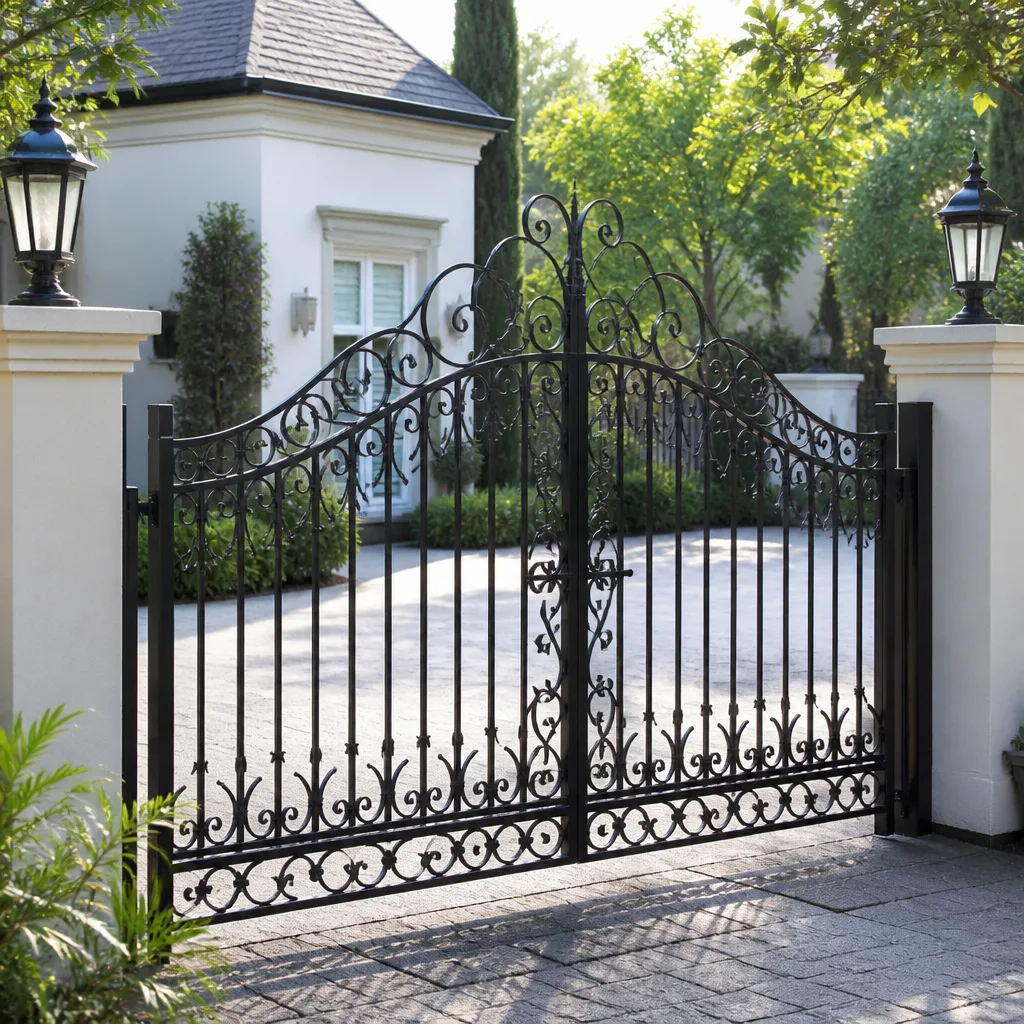 Wrought iron
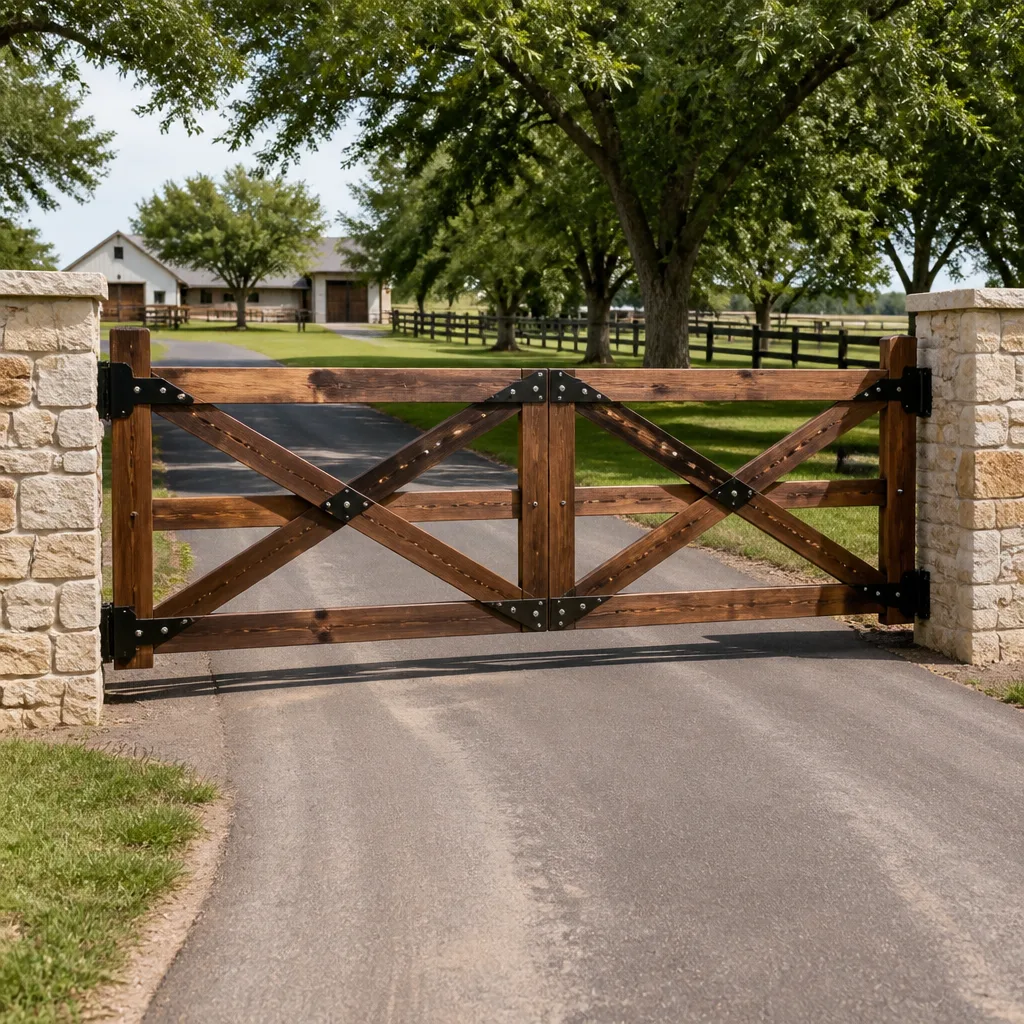 Farm & ranch
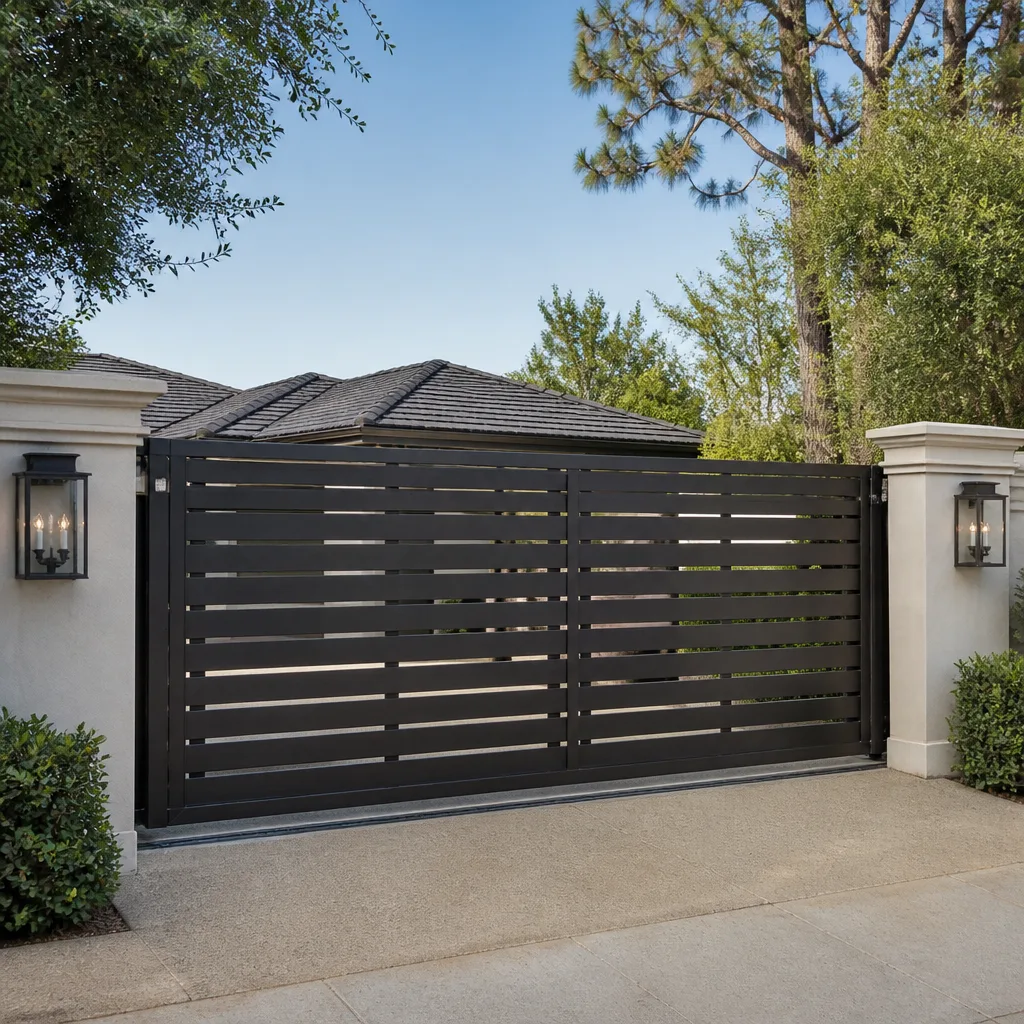 Sliding driveway gates
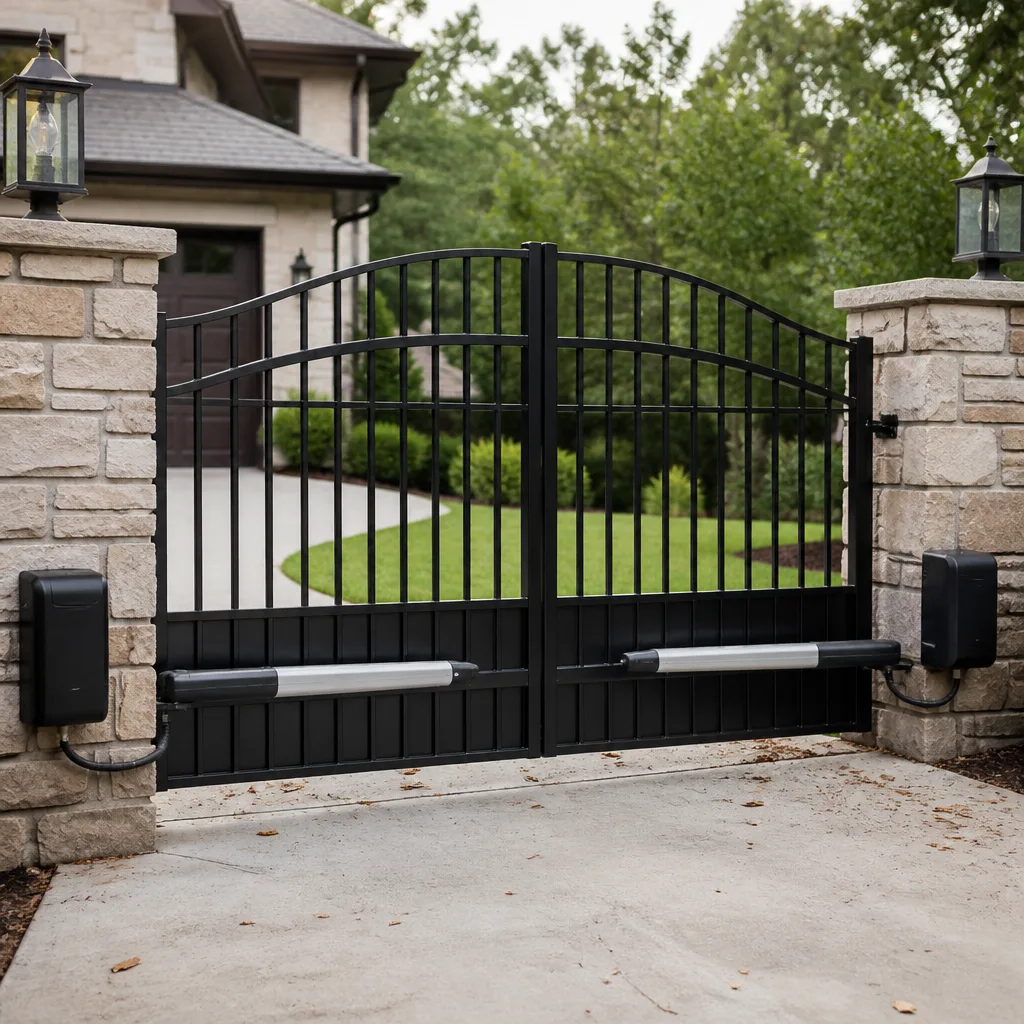 LiftMaster operators
Free on-site gate assessment - hinges, posts, and your LiftMaster or Nice gate operator checked before anything is quoted
The assessment is free and the quote is the invoice.
Get your free estimateStyles & brands we work with
- Wrought iron
- Wood & steel frame
- Farm & ranch
- Sliding driveway gates
- LiftMaster operators
See the difference
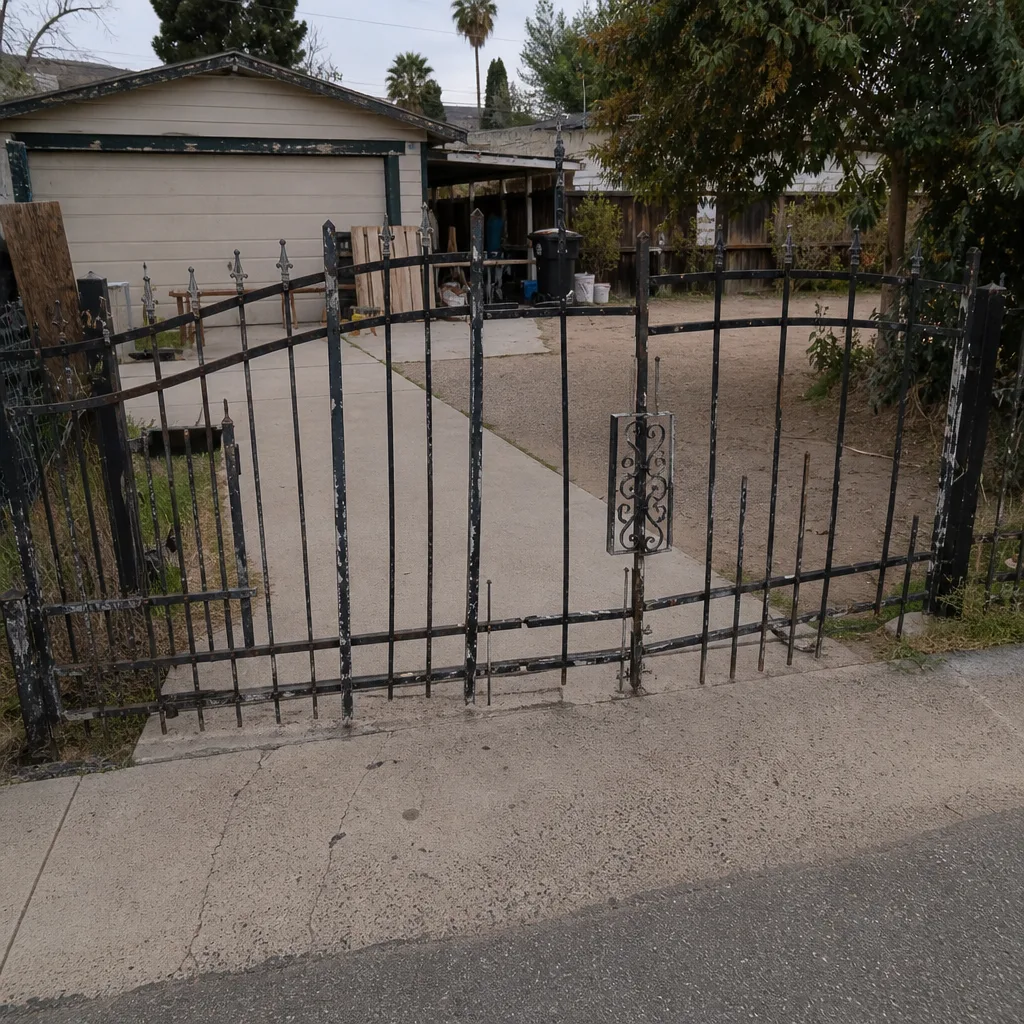 Before
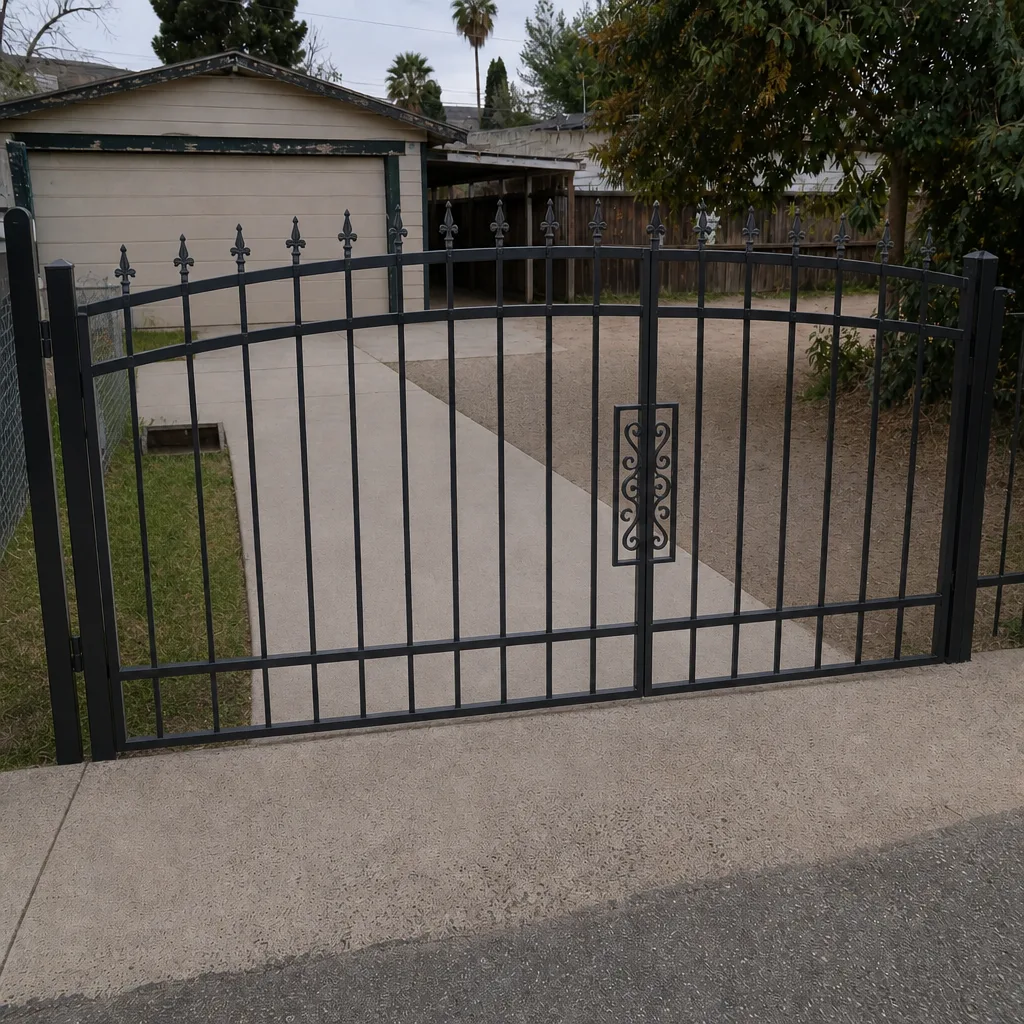 After
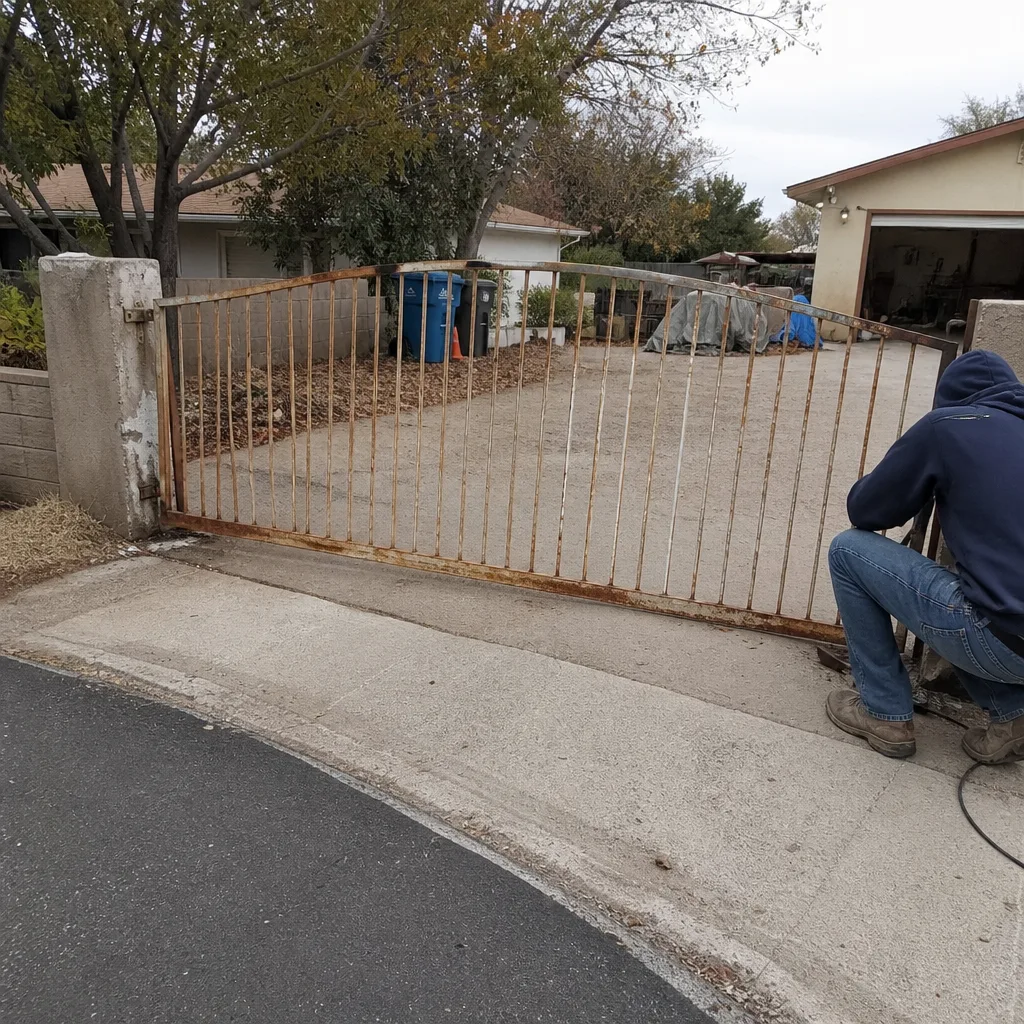 Before
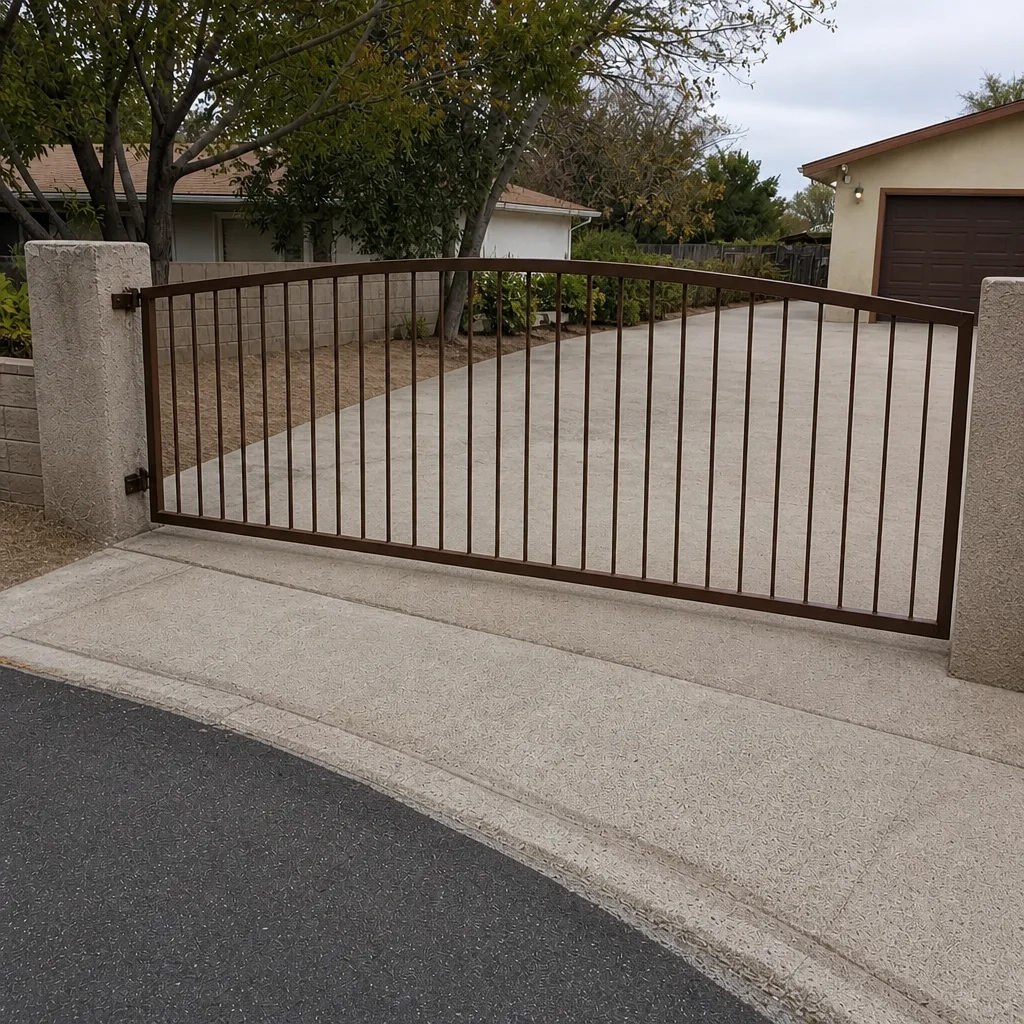 After
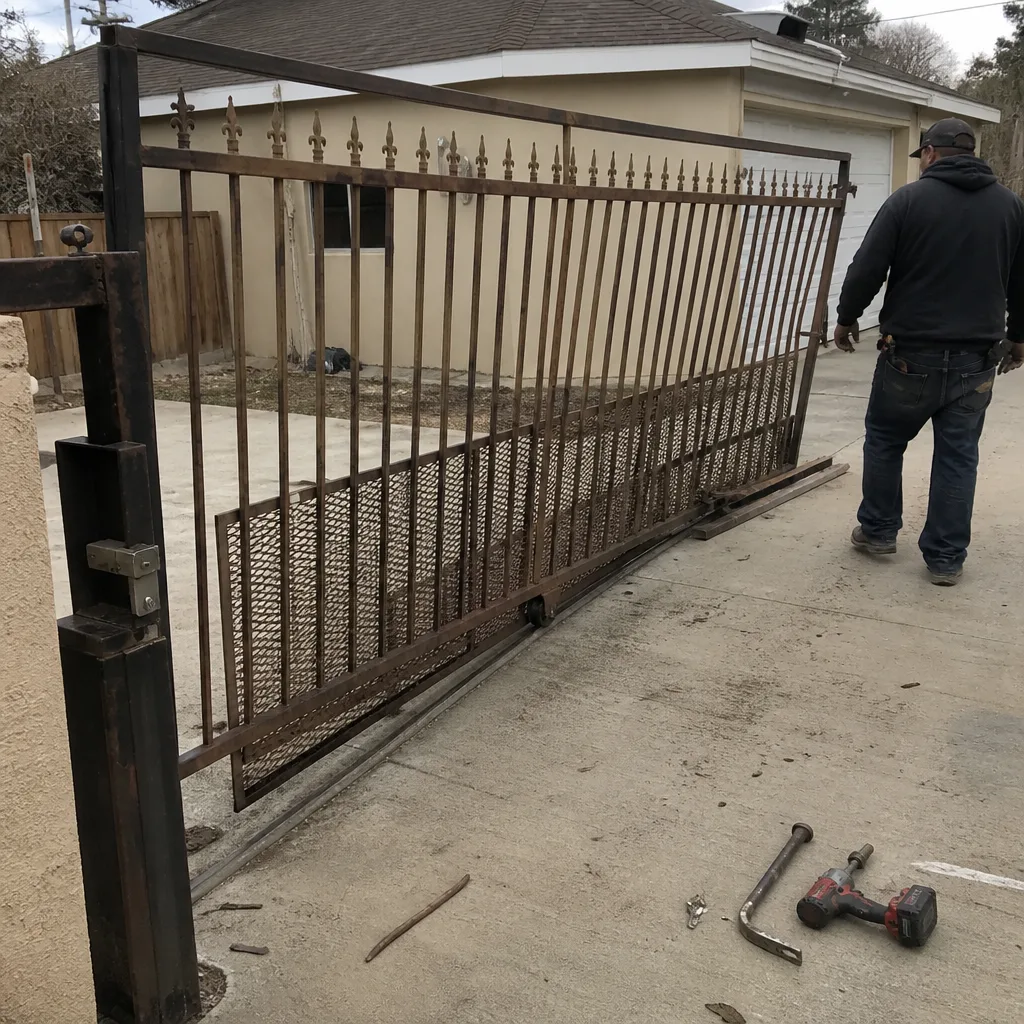 Before
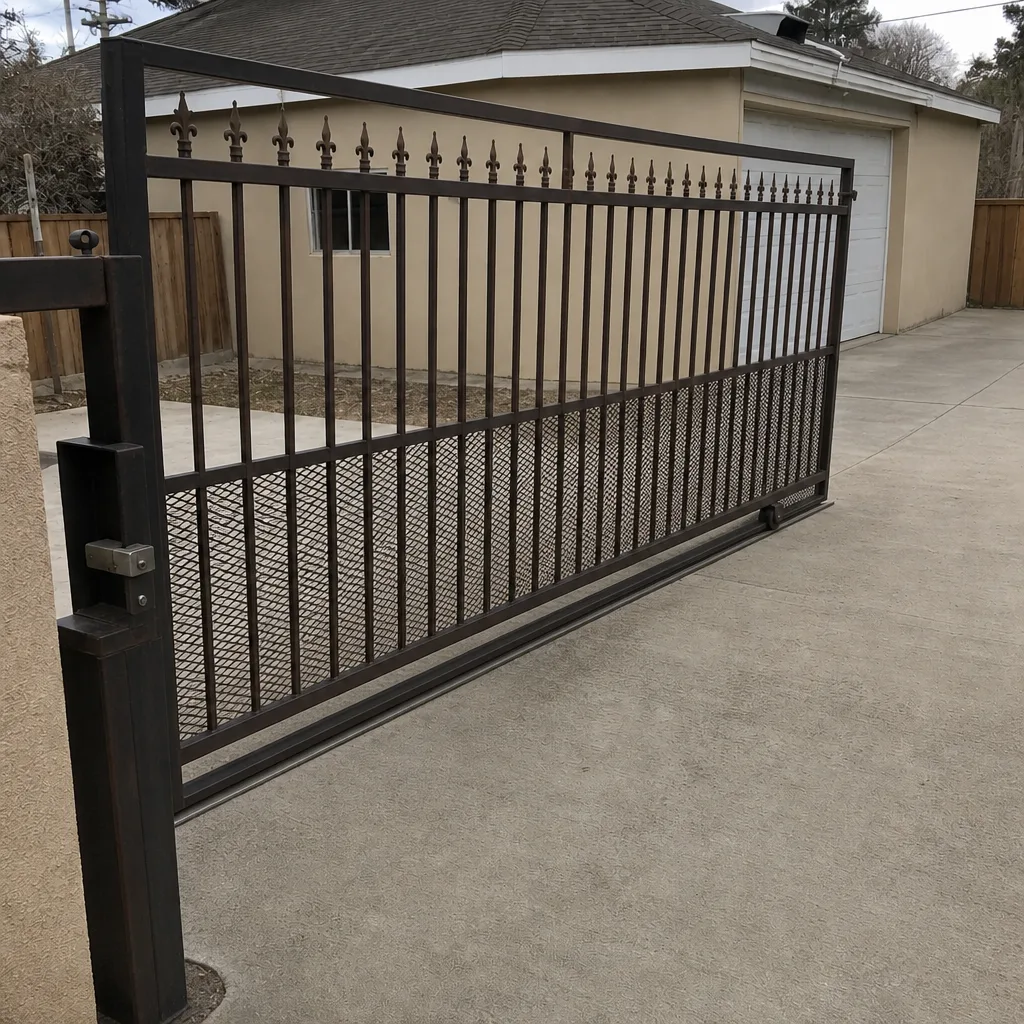 After
Best Automatic Gate Opener in Paradise, NV: What Actually Survives the Heat
Choose a slide or swing opener with a sealed NEMA 4-rated control enclosure and a thermal duty rating built for sustained operation above 110°F ambient, not a 500-cycle-per-day number tested in a moderate-climate lab. For most Paradise driveways that means a LiftMaster or Elite slide unit on a properly wired circuit, or a Ghost Controls or Mighty Mule swing kit only on a light residential gate that opens a handful of times a day. Skip anything sold mainly on app features and horsepower. In Paradise, heat kills openers faster than weight does. Call (888) 292-7536 and we’ll tell you which category your gate actually falls into.
Why the “best” lists get Paradise wrong
A 500-cycle-per-day rating sounds generous until an August afternoon pushes the motor housing past its thermal cutoff and the arm stops halfway with a delivery truck idling in your driveway. Those cycle numbers get measured in climate-controlled rooms at sea level. Paradise isn’t that. Summer afternoons here sit well above 110°F in the shade, and a gate motor baking in direct sun on a west-facing block along Flamingo runs hotter still. The spec that actually matters is thermal duty cycle: how long the opener can keep working, and how quickly it recovers, at real ambient temperature. Manufacturers bury it. Review sites ignore it. It’s the first thing we check.
When that threshold gets crossed, you’ll see it before you understand it. The gate slows near the end of travel. It reverses for no reason. It quits mid-cycle and works fine an hour later once the housing cools. Homeowners often read that as a remote problem or a sensor glitch. Usually it’s the motor’s thermal protection doing its job because the unit was undersized for the heat.
Thermal duty cycle, in plain language
Duty cycle is the share of time a motor can run before it needs to rest, and how many cycles it can handle in an hour without overheating. A residential-rated opener might manage 12 to 20 cycles an hour in cool air. Push the same unit past 110°F ambient and that usable number drops. Grit in the tracks and dry hinges add drag, which adds heat, which shortens the cycle even further. We look for openers rated for sustained operation in high ambient temperatures and pair them with sealed electronics. A unit rated honestly for hot climates will outlast a higher-horsepower unit rated for a mild one, every time in Paradise.
What to look for in a Paradise opener
Forget the feature matrix for a minute. These are the specs that separate an opener that lasts here from one that quits in two summers:
- Sealed control enclosure (NEMA 4 or better). Monsoon dust storms pack fine grit into limit switches and logic boards. An open-chassis unit fills up and fails. A sealed box survives.
- Thermal duty rating stated for high ambient temperature. If the spec sheet only lists cycles at room temperature, ask what it does at 115°F. If nobody can answer, that’s your answer.
- Metal gears over plastic. Heat softens plastic gears and they strip under load. Metal costs a little more and lasts years longer.
- Battery backup and a manual release. When the power drops in a monsoon, you want to get your car out without a fight.
- Correct wire gauge for the run. More on this below, because it’s the variable no product review can see.
The commercial traffic problem on residential gates
Paradise isn’t a quiet suburb. It’s a built-up unincorporated strip where casino service gates, low-rise motel parking, and short-term rental driveways sit on the same block as 1960s homes. That 24-hour traffic changes the math. A gate that opens eight times a day gets a residential opener. A short-term rental driveway with guests coming and going at all hours, or a motel lot, is functionally a light-commercial application wearing residential clothes. We regularly find openers undersized because whoever quoted the job sized it for a house, not for the traffic the property actually sees. If your gate runs more than about 30 to 40 cycles a day, it needs a light-commercial unit, full stop.
Monsoon grit and why the brand is the smaller decision
Dust storms are the second killer after heat. They drive grit into hinges, tracks, and every opening on the motor housing. An opener with a fully sealed enclosure handles a Paradise season that would wreck an open-chassis unit inside two years. But here’s what the roundups never tell you: the brand on the box matters less than the wiring feeding it. In the older homes east of the Strip, undersized wire runs create voltage drop over distance, and a motor fed low voltage runs hot and burns out early. We check wire gauge, circuit capacity, and grounding on every job before we recommend a single unit. A good opener on bad wire is a warranty claim waiting to happen.
That said, brand does matter for parts. We service the nine major families because we’ve been repairing Paradise gates since 2001 and we stock what actually breaks here, not what photographs well on a shelf at a big-box store. Ghost Controls and Mighty Mule swing kits have their place on light residential gates. DoorKing and Elite show up on the heavier commercial and multi-unit driveways around here. Matched to the right gate and wired right, any of them will serve you well. If you want to talk through a specific unit, our Gate Motor & Opener page covers the repair and install side in more depth.
Common local scenarios we walk into
After enough Paradise jobs, the same situations repeat. Here’s how we think through the ones we see most.
A mid-century home east of the Strip with original wrought-iron gates. The iron has been baked and bent by decades of desert sun, and the welds are brittle enough to snap rather than bend. Installing a new opener on a sagging, out-of-square gate is a losing bet, because a gate sags in the hinge post, not in the middle. That’s where we start. We re-weld heat-fatigued iron and true the frame on site, then mount the opener to something that’s actually square.
A pool gate on the same property. Nevada’s child-safety code requires pool gates to self-close and self-latch. Sun-warped gates and tired hinges fail that test, so a repair call here often means re-welding the frame and re-setting the safety hinges to bring it back into compliance. An automatic opener doesn’t replace that requirement.
A short-term rental driveway. High turnover, guests arriving late, and an opener that was sized for a family of four. We upsize to a light-commercial unit with sealed electronics and a backup battery so a guest isn’t locked out when the power blips.
A motel or low-rise lot with a heavy sliding gate. Heavier commercial roll-up and sliding security gates need commercial-class operators and heavier wiring. This is where we see the most undersized installs from out-of-town outfits.
How we size and install it: step by step
- Inspect the gate first. We check the hinge posts, frame square, track, and hinges. The opener comes after the gate is sound.
- Measure the real traffic. How many cycles a day the property actually runs, not what the label assumes.
- Check the wiring. Wire gauge, run distance, circuit capacity, and grounding. Undersized wire means voltage drop and premature motor failure.
- Match the unit to the heat and grit. Sealed enclosure, metal gears, thermal rating for high ambient temperature.
- Install and test through a full heat cycle. We run it, watch it, and adjust limits and force settings so it isn’t straining.
- Leave it in writing. Every job carries the 90-Day Done Right Promise. If something isn’t right, one call brings us back.
For the repair-first side of this work, including on-site welding that keeps your gate in your driveway, start at our home page. If you’re in a nearby community, we also handle gate repair in Henderson and gate repair in North Las Vegas, and repairs across the valley serve the same desert conditions. A few more guides worth a look: what gate repair costs, gate spring repair, automatic gate repair, gate access control, gate parts and welding, and gate installation. If you’re weighing repair against replacement, our repair or replace guide lays out the honest call.
FAQs
The best choice is a slide or swing opener with a sealed NEMA 4 enclosure and a thermal duty rating stated for sustained operation above 110°F ambient. LiftMaster and Elite slide units hold up well on most Paradise driveways, while Ghost Controls and Mighty Mule swing kits suit lighter residential gates. The sealed electronics matter more than horsepower here. Call (888) 292-7536 for a free estimate on the right unit for your gate.
It’s usually the motor hitting its thermal cutoff because the housing got too hot, not a failed part. When ambient temperature climbs past the unit’s rating, the opener shuts down mid-cycle to protect itself and works again once it cools. That’s a sign the unit is undersized for Paradise heat or fighting a dragging gate. Call (888) 292-7536 and we’ll diagnose it.
Usually not. Once a gate runs more than about 30 to 40 cycles a day, it’s a light-commercial application, and a residential-class opener will burn out early. The 24-hour traffic on Paradise rental and motel driveways routinely gets undersized units because the installer quoted residential specs. Call (888) 292-7536 for an honest sizing assessment.
Installation wiring matters more. Undersized wire runs in older Paradise homes cause voltage drop that burns out motors early, and no product review can catch that. Brand matters for parts availability, which is why we stock what actually breaks here. The wiring is where we start on every job. Call (888) 292-7536 for a free estimate.
Let’s look at your gate
If you’d rather have it looked at, Gatewood Fence & Gate Paradise offers a no-pressure assessment in Paradise. We’ll tell you whether your gate needs a new opener, a repair, or just better wiring, and we’ll stand behind the work with the 90-Day Done Right Promise. Call (888) 292-7536 for a free estimate.
Written by the team at Gatewood Fence & Gate Paradise, serving Paradise, NV.