
Last updated November 18, 2026
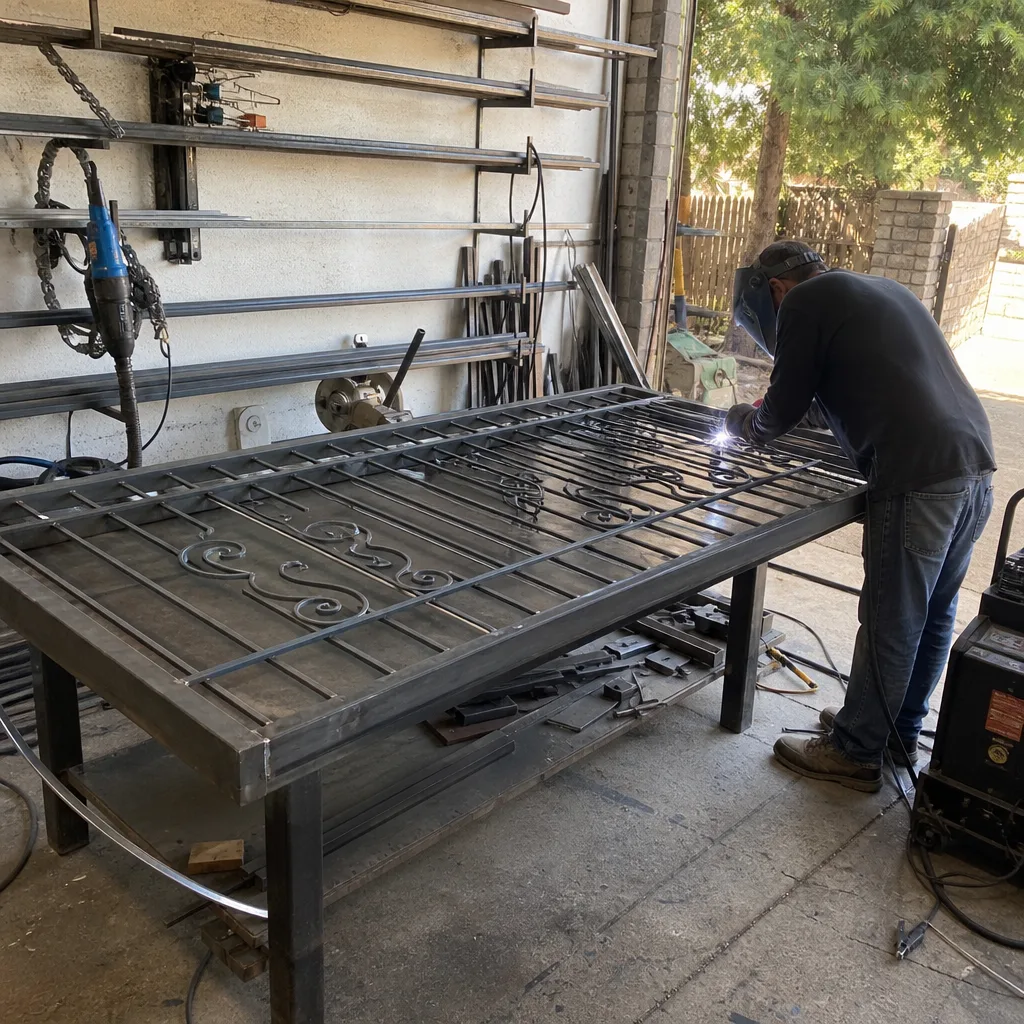
 Wrought iron
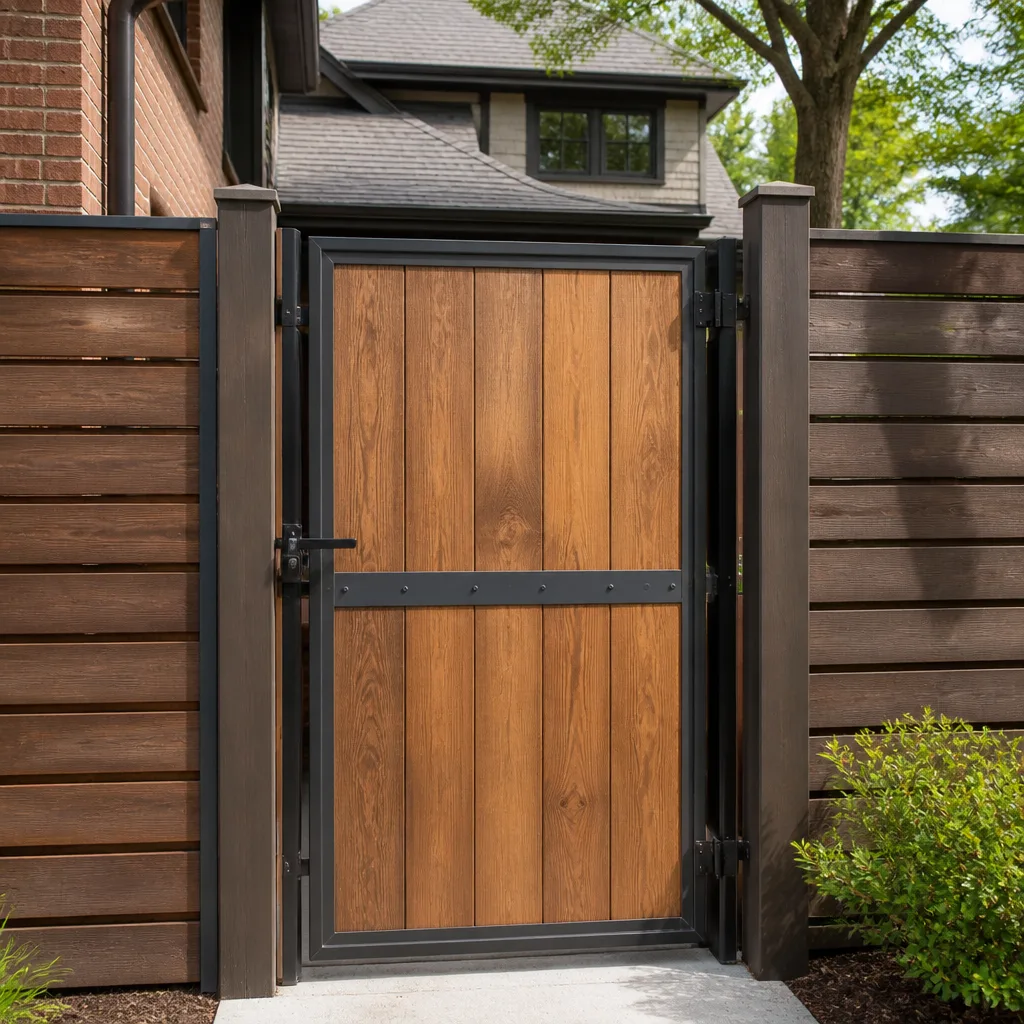 Wood & steel frame
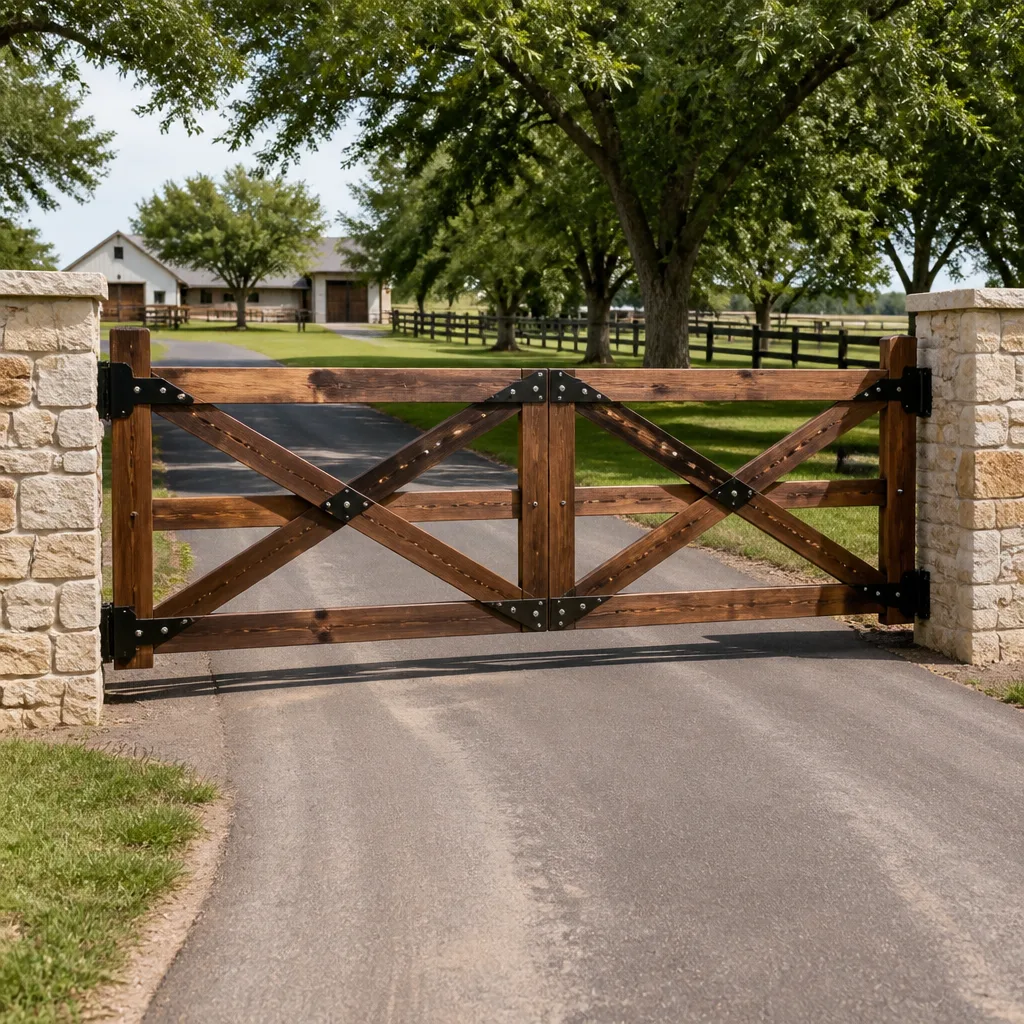 Farm & ranch
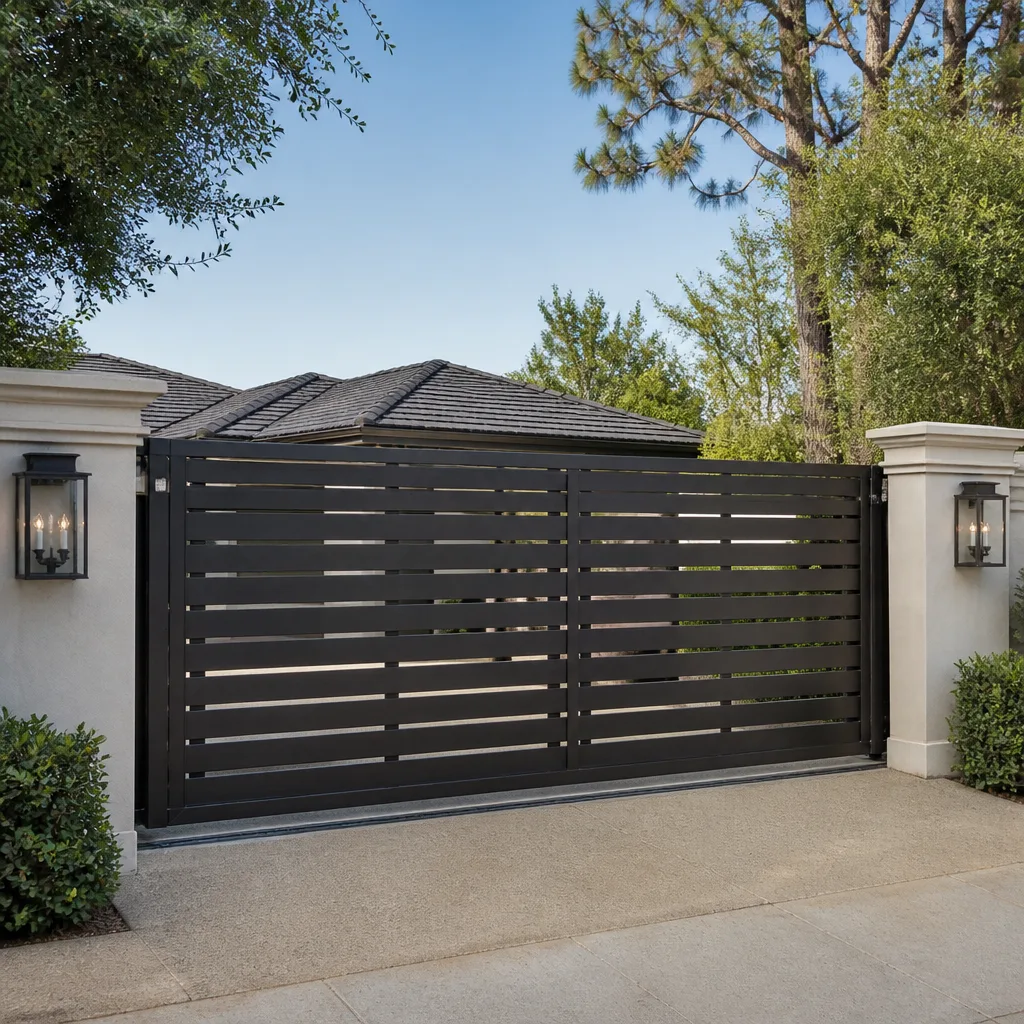 Sliding driveway gates
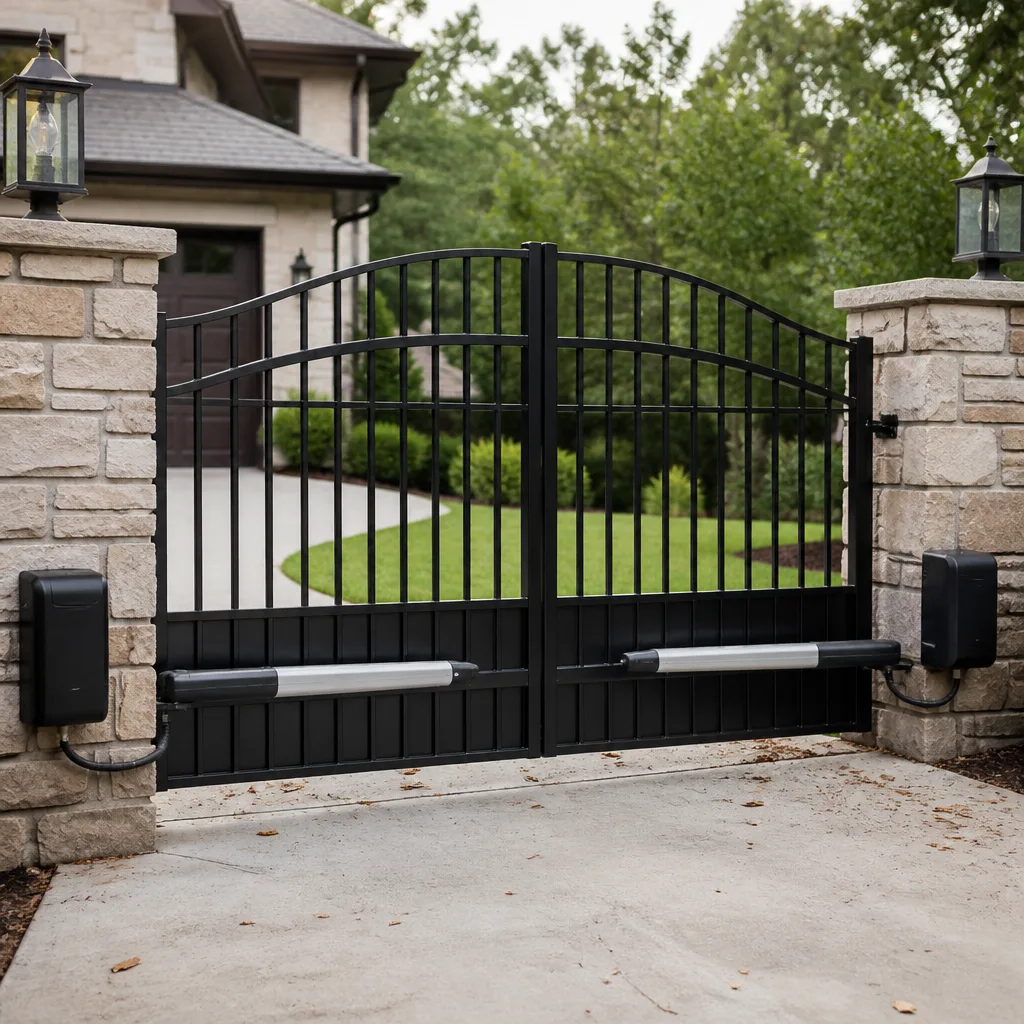 LiftMaster operators
Free on-site gate assessment - hinges, posts, and your LiftMaster or Nice gate operator checked before anything is quoted
The assessment is free and the quote is the invoice.
Get your free estimateDIY vs Professional Gate Installation: What’s Safe to Do Yourself
The question isn’t really “can you install a gate yourself.” It’s three questions wearing one coat: which parts of a gate installation are you legally allowed to do yourself in Clark County, which parts are physically safe to DIY, and which parts will void your warranty or your HOA approval if you get them wrong. Most homeowners assume the answer is “all or nothing.” It isn’t. In our experience across Paradise and the surrounding valley, the honest answer sits in the middle: about a third of a gate install is genuinely yours to do, a third is a gray zone, and a third can hurt you. This guide walks through all three, so you can keep the money you’re allowed to keep without creating a problem that costs more than the savings.
Quick Answer
You can legally and safely handle site prep, trenching, conduit runs, and sometimes post-setting in Clark County, and those tasks can knock real money off a professional install. What you should not do yourself is the electrical wiring to the operator, the high-tension spring and counterbalance work, or the final connection to your home’s power. On top of that, most Paradise HOAs require licensed contractor documentation to approve a new gate, which often settles the DIY question no matter how handy you are.
Styles & brands we work with
- Wrought iron
- Wood & steel frame
- Farm & ranch
- Sliding driveway gates
- LiftMaster operators
Table of Contents
- What Clark County Actually Requires a Licensed Contractor For
- The Parts of a Gate Install You Can Genuinely Do Yourself
- The Parts You Should Never Touch: Springs, Wiring, and Power
- The HOA Factor in Paradise
- The Hidden Cost of a DIY Install That Fails Inspection
- How to Legitimately Lower Your Professional Installation Bill
- Common Mistakes to Avoid
- When to Call a Professional
What Clark County Actually Requires a Licensed Contractor For
Here’s the part that surprises people. Clark County does not require a licensed contractor for every aspect of a fence or gate project. Homeowners can pull permits and self-perform certain work on their own primary residence. But the line is not where most people assume, and crossing it turns a weekend project into a compliance headache.
What a homeowner can generally self-permit and perform on their own property:
- Fence post holes and concrete for a fence line (not the gate leaf itself)
- Site clearing and grading within allowed limits
- Trenching for low-voltage conduit runs where no new electrical circuit is being added
- Manual (non-automated) gate hanging, subject to local inspection
What requires a licensed contractor in Clark County:
- Any new electrical circuit, including the dedicated line to a gate operator
- Connecting a gate operator to your home’s existing power
- Work on a property you don’t occupy (rentals, investment properties)
- Spring and counterbalance work on an overhead or sliding gate system with stored energy
The nuance that catches people: low-voltage control wiring is often treated differently than line-voltage power, and a gate operator needs both. The control side (from the operator to your keypad, safety loops, or remote receiver) is sometimes within homeowner scope. The power side is not. If you’re unsure which applies to your specific gate, the safe move is a phone call to the county before you start, not after. We’ve watched homeowners in Paradise pull a permit, do the work, and then discover at final inspection that the operator’s power tie-in was never covered – which means re-permitting and paying a licensed electrician on top of the original bill.
The Parts of a Gate Install You Can Genuinely Do Yourself
Now the good news. A meaningful chunk of a gate installation is dirt work and prep, and prep is where professional crews spend real hours. Do it yourself and you can shave the labor line item without touching anything dangerous.
Here’s what’s genuinely safe to own:
- Site assessment and layout. Measure the opening, note the slope, mark the post locations, and confirm where utilities run before anyone digs. Call 811 and get the marking done. It’s free and it’s non-negotiable.
- Digging post holes and trenching. Shovel work, done right, saves the most money. A typical automated double gate needs four holes (two hinge posts, two latch/catch posts) plus a trench from the operator location to the nearest power source.
- Setting the hinge posts in concrete. This is the one structural task we regularly see done correctly by homeowners in Paradise – but only when the hole depth and concrete mix are right. A hinge post is loaded by the entire weight of the gate leaf, and it has to be set below the frost line for your area and plumbed within a quarter inch. If you aren’t confident in the plumbing, hand it to someone else; a post that’s off by half an inch will make the gate sag within a season.
- Running conduit. PVC conduit from the operator location to the power source and to any safety loop areas. Conduit is plumbing for wires – you’re laying a pipe, not making a connection.
- Clearing the swing arc and grading the approach. Removing gravel, brush, or anything that would foul a swing or slide, and rough-grading so water drains away from the posts. In Paradise specifically, poor drainage away from a gate post means the concrete footer can heave during a wet winter – which shows up as a gate that suddenly drags on the driveway in spring.
- Painting or staining. Cosmetic finish work on a wood or ornamental metal gate. Do it after the gate is hung and operating correctly.
The theme is consistent: if the task involves dirt, water, or paint, it’s yours. If it involves stored energy or a live wire, it isn’t.
The Parts You Should Never Touch: Springs, Wiring, and Power
We want to be blunt here, because this is where people get hurt.
Spring and counterbalance systems. A torsion spring on an overhead gate, or a counterweight/spring arrangement on a heavy sliding gate, stores an enormous amount of energy. A properly wound torsion spring under tension can cause serious or fatal injury if it releases unexpectedly, and the tools required to wind and unwind them safely are not the tools in your garage. Even experienced gate technicians treat this work as the highest-risk part of the trade. This is not a “watch a few videos and give it a shot” task – it’s the one part of the job where a mistake can put you in the emergency room before you can let go. On any gate with stored energy, that work belongs to a trained professional, period.
Operator wiring and the power tie-in. The gate operator itself – whether it’s a Ghost Controls unit for a residential driveway or a heavier BFT or Linear operator for a larger opening – needs a dedicated electrical circuit and a connection to line voltage. Skipping the licensed electrician here isn’t just a code problem; it’s a shock and fire hazard, and it’s the single most common reason a gate install fails a Clark County inspection. Running the conduit is fine. Pulling the wire through it is usually fine. Landing that wire on a live circuit is not.
Safety edges, loops, and photo-eyes. These are the systems that stop a gate from closing on a child or a car. Getting the alignment wrong means a gate that either won’t close at all or closes on whatever is in its path. We install and test these every week; the margin for error on a photo-eye that’s out of alignment is small and the consequences are large.
If you take one thing from this guide, take this: any part of the install that involves a spring, a live wire, or a moving mass larger than yourself is not a DIY candidacy question. It’s a “call someone trained” question, every time.
The HOA Factor in Paradise
Here’s the piece that changes the math for most Paradise homeowners, and it has nothing to do with skill.
Many Paradise HOAs and master-planned communities require licensed contractor documentation to approve a new gate installation. That means a signed contract, a copy of the contractor’s license, proof of insurance, and in some cases a stamped set of plans. The HOA approval process runs separately from the county permit, and if a homeowner self-performs the work, the HOA can refuse to approve the finished gate – which means taking it down, or living with an unapproved structure on a property that requires approval for exterior changes.
In our experience, the practical effect is this: even if you’re fully capable of setting a post, the gate itself needs a paper trail before you swing a hammer. A few specific things to verify before you start:
- Whether your HOA’s design guidelines specify gate material, height, color, or style
- Whether the HOA requires the contractor’s license and insurance to be on file before work begins
- Whether an architectural review committee has to sign off on the design
- Whether the county permit needs to be pulled by the licensed contractor rather than the homeowner
Almost always, the HOA requirement is the one that settles the question. A homeowner can be perfectly competent and still be locked out of a self-install because the community’s rules say otherwise. Before you spend a weekend prepping a site, spend twenty minutes reading your CC&Rs. It’s the cheapest due diligence you’ll do.
The Hidden Cost of a DIY Install That Fails Inspection
The savings on a DIY gate installer’s bill look clean on paper. The costs of a failed inspection look anything but.
Here’s what a failed final inspection typically triggers:
- Re-permitting. Some jurisdictions charge a reinspection fee; others require a new permit if the work is deemed non-compliant with the original scope.
- Concrete removal. If a post was set too shallow, out of plumb, or without a proper footing, the concrete has to be broken out and the post re-set. On a double gate, that can mean four footers dug up, carted off, and re-poured.
- Electrical rework. If the operator’s power tie-in was done by an unlicensed person, the electrical inspector can require the wire to be pulled out and re-run by a licensed electrician – who will charge full price because the job is now a redo, not a new install.
- Re-installation labor. Once the posts and wiring are corrected, the gate leaf, operator, and safety devices have to be re-mounted and re-tested. Often that’s the whole job, done twice.
- Delayed occupancy or HOA fines. If the gate is part of a fence-in for a pool or a dog, the property may not be able to be occupied or insured until the inspection clears.
We’ve seen the arithmetic on this in Paradise more than once. A homeowner who saves a few hundred dollars on the install can end up spending twice that to correct it – concrete removal isn’t cheap, and neither is a licensed electrician called out on a redo. The savings don’t survive a failed inspection. That’s the honest math.
How to Legitimately Lower Your Professional Installation Bill
The good news is you don’t have to choose between “do nothing” and “do everything.” A skilled contractor will credit site prep against the job total, and that’s the right place to put your effort.
Here’s what to negotiate before the estimate:
- Site prep and clearing. Get the gate area clear, grade it, and haul off brush or old debris before the crew arrives. Most installers will subtract that from the labor line.
- Trenching. On a gate install that needs new conduit, the trench is the slowest part of the day. Dig it to the depth the contractor specifies, and you can often credit several hours of labor.
- Conduit running. Laying PVC conduit and pulling the pull-string is genuine plumbing-type work. Contractors will usually credit it.
- Material selection. Choose a gate style that’s easier to install and service – a lighter ornamental aluminum gate versus a heavy custom steel gate is a real difference in labor. A Ghost Controls operator on a residential driveway is a straightforward install; a heavy-duty BFT or a DoorKing commercial unit for a wide vehicle gate is a different job.
- Access. Make sure a truck or trailer can get to the gate location without a long haul. On rural lots around Paradise, a clear access path can save real time.
For a full rundown of what a professional install looks like when a crew handles it end to end, see our guide on Gate Installation in Paradise. And if you’re patching up a gate that’s already installed, the repair-first approach we take to Gate Repair in Paradise usually beats replacing the whole assembly.
Common Mistakes to Avoid
- Setting a hinge post too shallow. A hinge post carries the whole weight of the gate leaf. If it’s not deep enough to get below the frost-affected zone, it will shift with the seasons, and the gate will sag in the hinge post, not the middle – which is where the problem starts. Digging it twice is the expensive version of getting it right.
- Wiring the operator without a dedicated circuit. Running the gate operator off an existing exterior outlet seems clever until the circuit trips, or worse, until the inspector catches it. A gate operator needs its own breaker and a proper line from the panel.
- Ignoring the HOA pre-approval step. In Paradise, installing a gate before the architectural committee has signed off is the fastest route to a denial that forces the gate back down. Read the CC&Rs first.
- Tuning the photo-eye by eye and calling it done. A photo-eye that’s “close enough” will work on Tuesday and close on your car on Saturday. The test is physical – walk through the beam and confirm the gate reverses every time, at every closing angle.
- Painting before the gate is hung and aligned. Any paint or stain on a gate that still needs mounting or re-hanging will get scratched. Finish work is last.
- Skipping the 811 call before digging. The utilities in a Paradise yard can run through a gate post location, and a shovel through a gas line is a $1,000 mistake on a good day. It’s free to call, and it’s not optional.
- Trying to save on the safety devices. The safety edge and loop sensors are not where you economize. A gate that closes on a child or a dog because the safety device was cheap is not a savings, it’s a liability.
When to Call a Professional
Call someone trained in these specific situations: any gate with a torsion spring or counterbalance system; any work that involves connecting an operator to line voltage; setting or correcting a hinge post on a gate heavier than about 200 pounds; any installation covered by a Paradise HOA that requires licensed contractor documentation; and any install that has already failed a county inspection. Those are the cases where the DIY math goes negative, quickly.
We’ve seen too many Paradise installs go sideways because a homeowner was one phone call away from the right answer. Our technicians have up to 25 years of experience, we’re certified to service nine major gate brands including LiftMaster, FAAC, BFT, Linear, Viking, Ghost Controls, DoorKing, Elite, and Mighty Mule, and we do the electrical and spring work as part of the job. Gatewood Fence & Gate Paradise offers free estimates in Paradise – call (888) 292-7536, and a live person picks up around the clock.
Frequently Asked Questions
You can legally perform certain parts of the work yourself in Clark County – site prep, trenching, conduit, and in some cases setting a manual gate’s posts – but wiring the operator to line voltage, spring systems, and safety devices require a licensed contractor. Most Paradise HOAs also require licensed contractor documentation for approval, which often settles the question before you pick up a shovel. Call (888) 292-7536 for a free second opinion on any written estimate you’re considering.
Yes, in most cases. A gate installation – especially one with an operator – typically requires a permit, and the operator’s electrical tie-in requires an electrical inspection on top of the structural one. Skipping the permit to save a few hundred dollars is the classic hidden-cost trap: re-permitting after a failed inspection usually costs more than pulling the right permit upfront. If you’re unsure whether your specific gate needs a permit, call us and we’ll walk through it.
You can usually run the conduit and pull the wire, but you should not make the final connection to line voltage yourself. A gate operator needs a dedicated circuit and a licensed electrician for the power side; the control side (keypad, remote, safety loops) is sometimes within homeowner scope, but the power tie-in is not. If it’s not done to code, the electrical inspector can require the whole run to be pulled and redone, which is the redo we see most often. Call us for a free estimate on the electrical portion.
Only when the DIY portion stays on the safe side of the line and the install passes inspection on the first try. If you take on the post-setting, the operator wiring, or the safety devices and any part fails inspection, re-permitting, concrete removal, and re-installation typically wipe out the original savings and then some. The cheaper path in Paradise, in our experience, is to do the site prep and trenching yourself and have a licensed pro handle the rest – the parts that carry the risk. Call (888) 292-7536 for a free estimate.
Often, yes. Most manufacturers of gate operators – including the LiftMaster, BFT, Linear, Viking, Ghost Controls, and DoorKing units we service – require professional installation for the warranty to remain in force. A homeowner install, or an install by anyone not licensed, can void the warranty on the operator and on the safety devices. If you’re weighing DIY against professional, factor in the warranty value of the equipment before you decide. Call us for a free estimate and we’ll spell out what the warranty requires.
Yes, and the way to do it is to get the HOA pre-approval before the install, not after. In Paradise, the HOA approval process runs separately from the county permit, and both need to be in hand before the work begins. We handle the contractor documentation (license and insurance) as part of the install, so the HOA gets what it needs on paper. Call (888) 292-7536 and we’ll help you line up the approvals before anyone digs a hole.
The Bottom Line
The DIY-versus-professional question shrinks once you split it into three parts: what Clark County requires, what’s physically safe, and what your HOA will actually approve. The pattern that keeps money in your pocket without creating problems is simple. You own the dirt work, the trenching, the conduit, and the finish. A trained professional owns the springs, the wiring, the safety devices, and the final inspection. If you’re in Paradise and you want the install to go right the first time, we’d be glad to look at the plan with you before you start – Gatewood Fence & Gate Paradise, (888) 292-7536, a live person on the line any hour of the day, and every job carrying our 90-Day Done Right Promise in writing.
For a look at how operator installation and service work here, see our Gate Motor & Opener in Paradise page – and for a broader view of what we do, start at Gatewood Fence & Gate Paradise home.
Reach us at (888) 292-7536 for a free estimate – estimates are free, the price is quoted and agreed before any work starts, and you’ll speak with a live person, not a voicemail.
Written by the team at Gatewood Fence & Gate Paradise.
See the difference
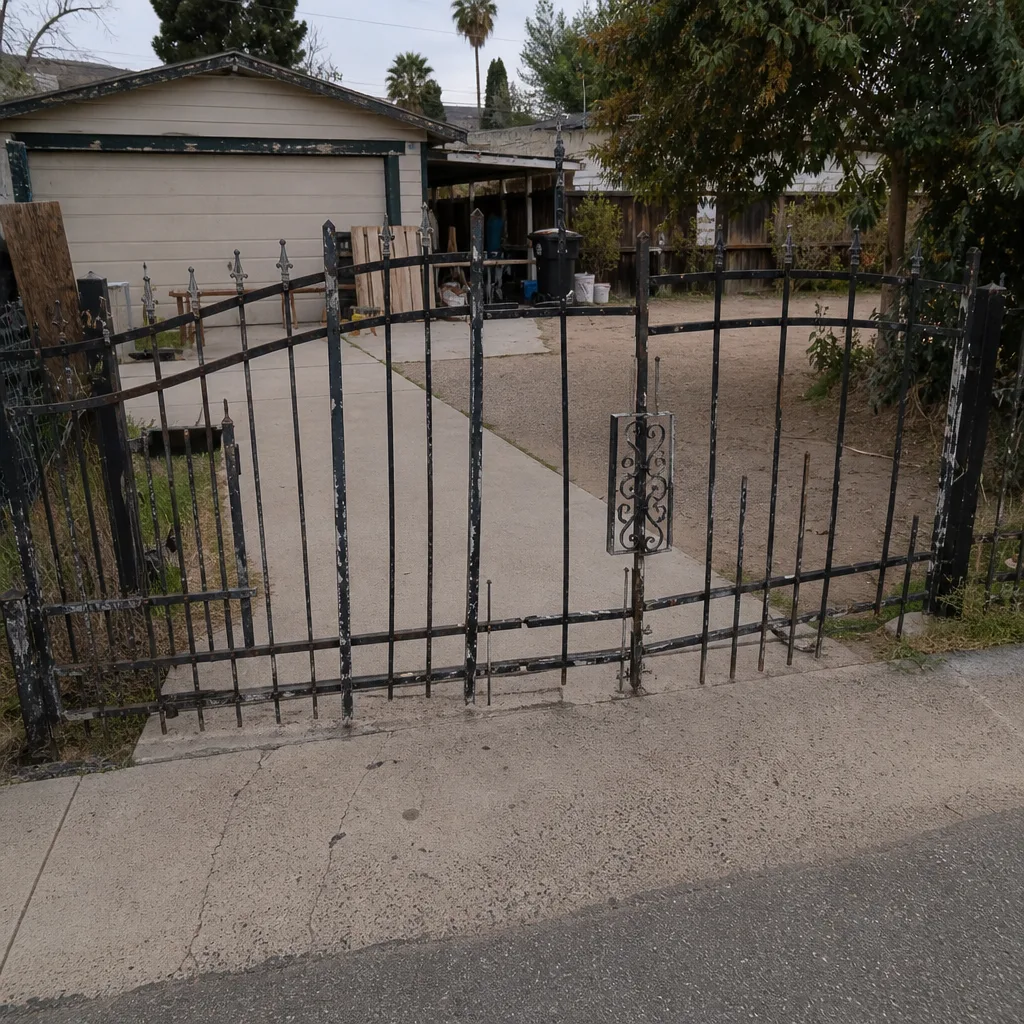 Before
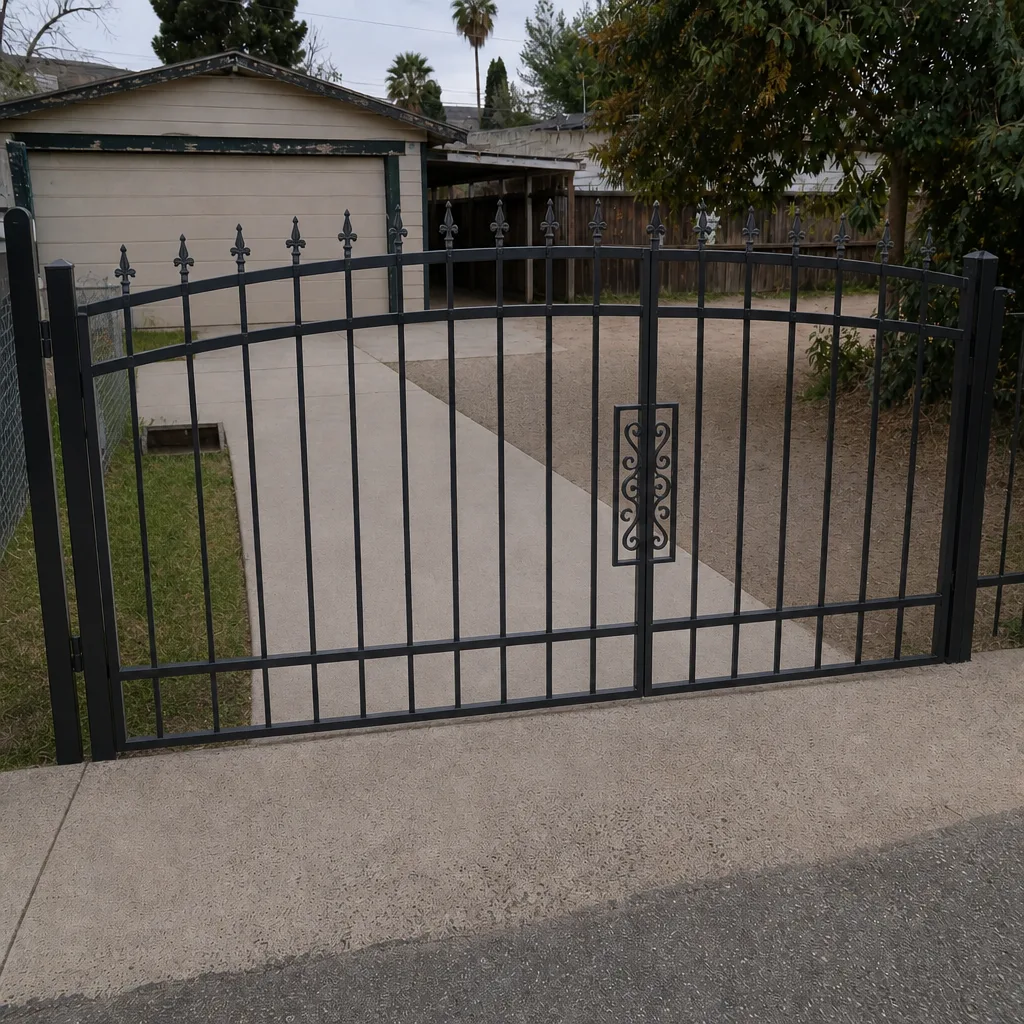 After
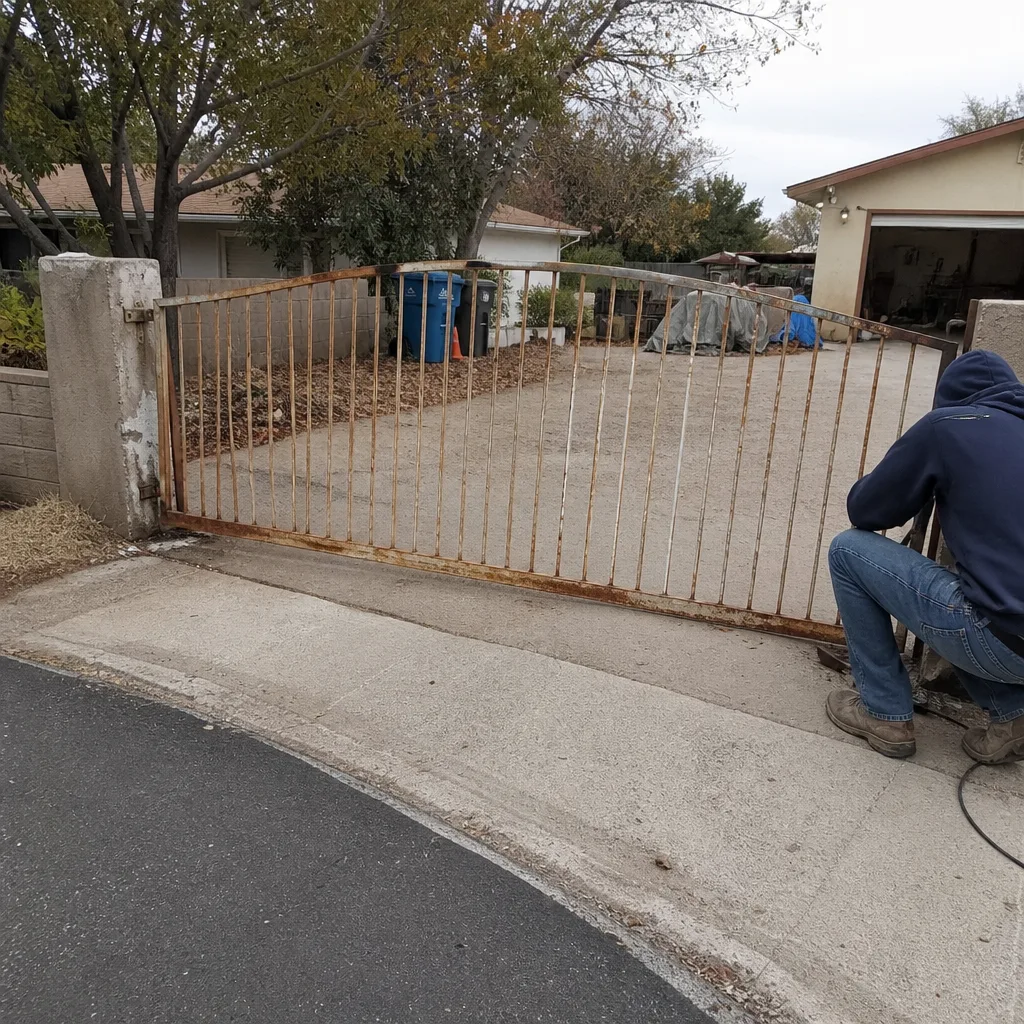 Before
 After
 Before
 After