
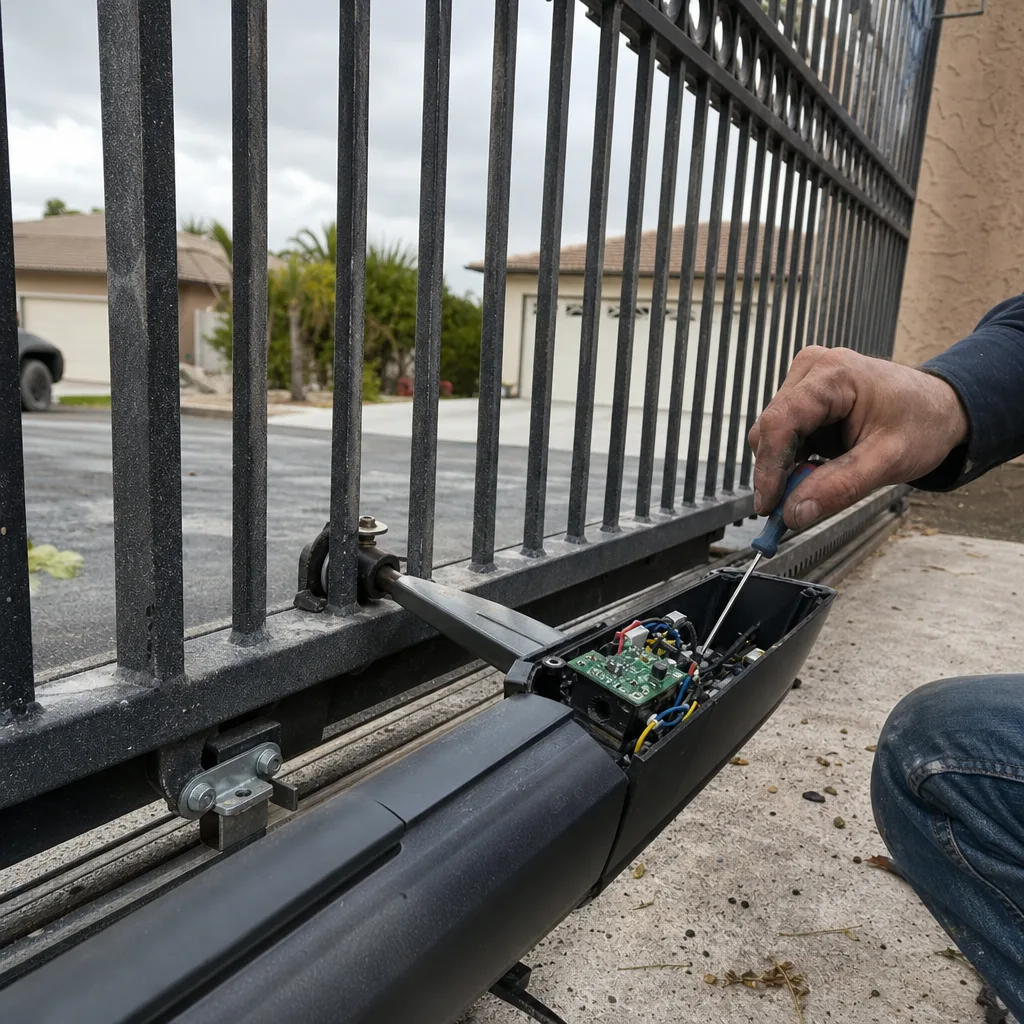
Last updated November 18, 2026
 Wrought iron
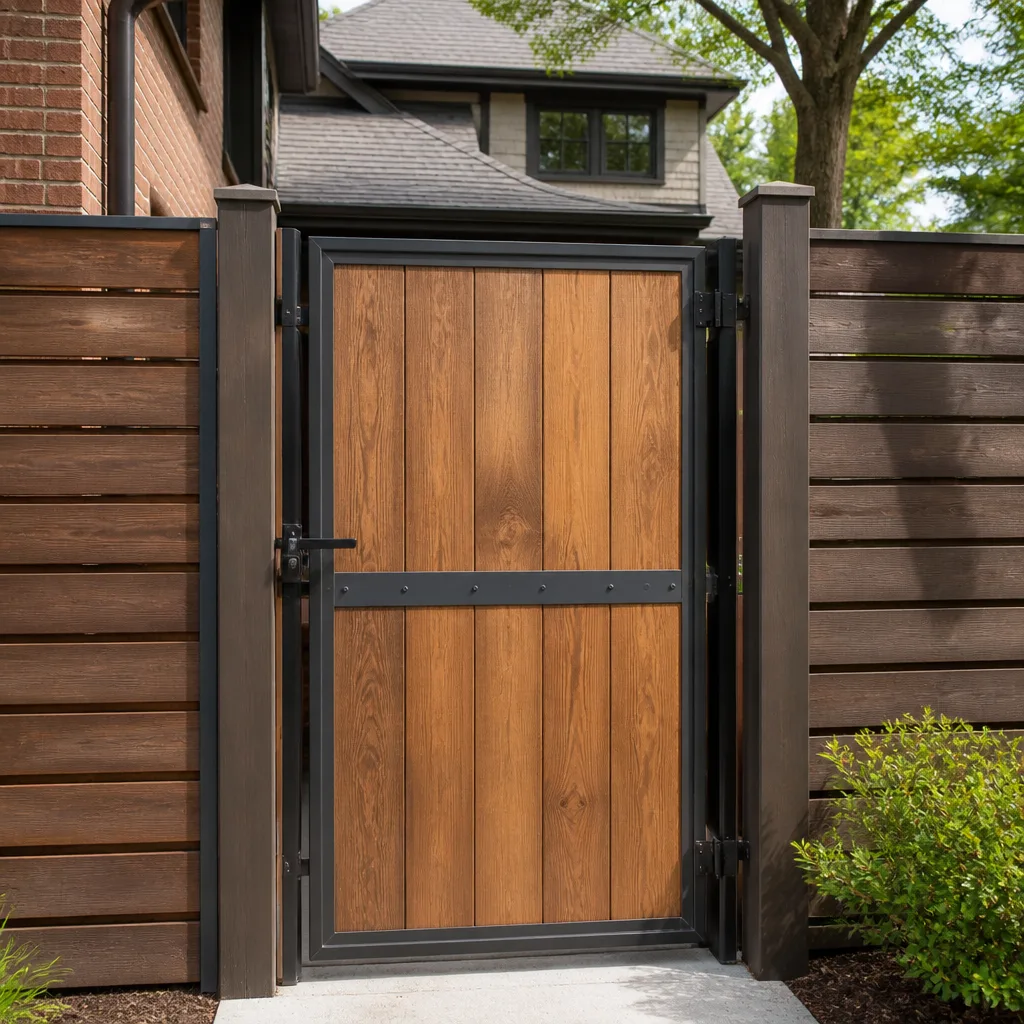 Wood & steel frame
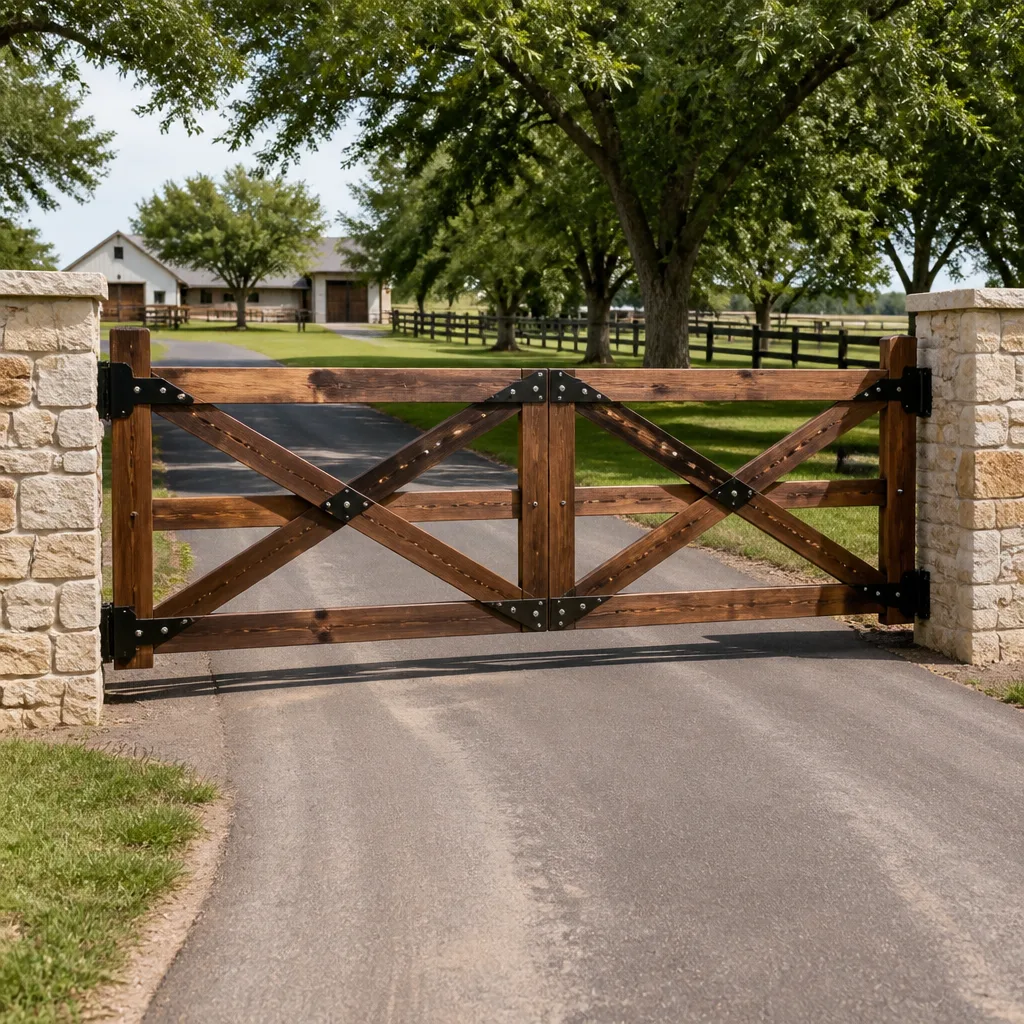 Farm & ranch
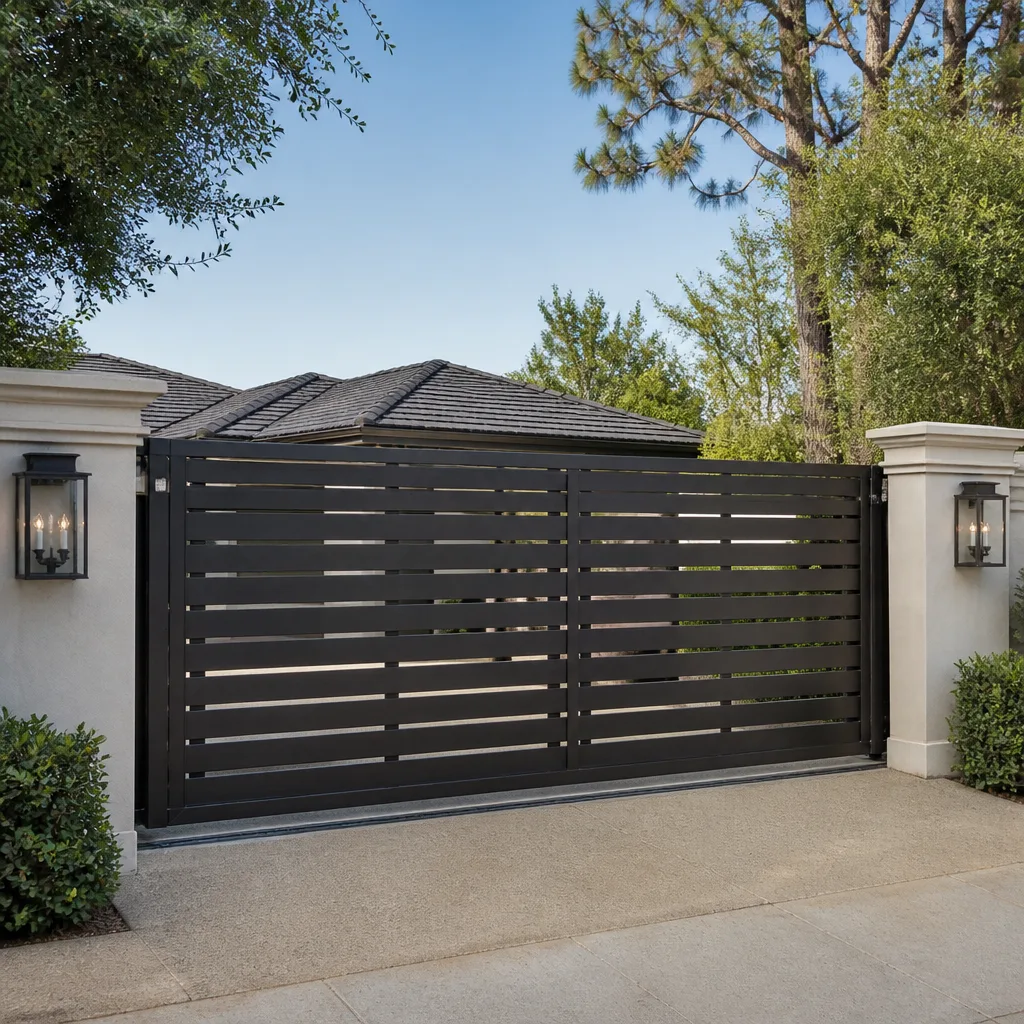 Sliding driveway gates
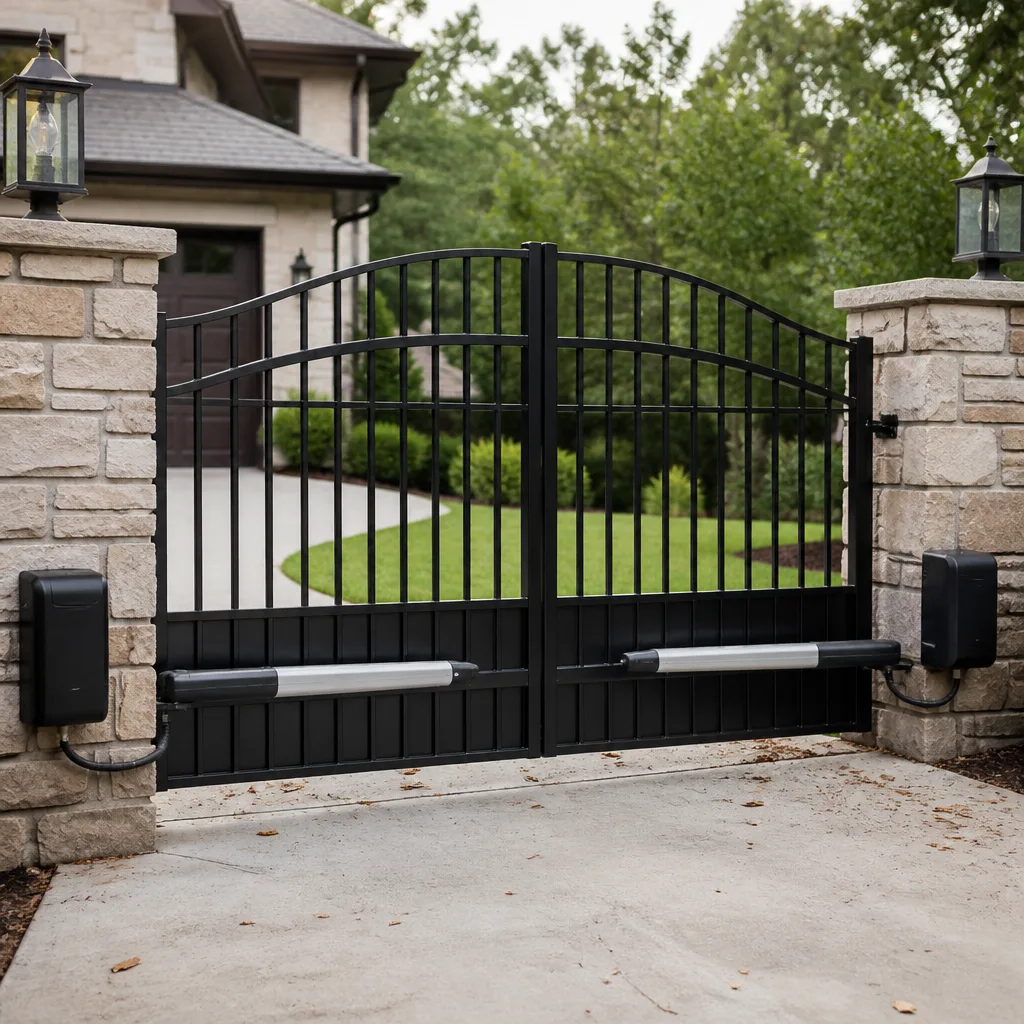 LiftMaster operators
Free on-site gate assessment - hinges, posts, and your LiftMaster or Nice gate operator checked before anything is quoted
The assessment is free and the quote is the invoice.
Get your free estimateGate Installation Maintenance Schedule: What to Do and When
A new gate isn’t a set-it-and-forget-it situation. In the first three months, posts are finishing their settle, hardware is seating under real load, and the operator is learning its travel limits in actual conditions. Missing that 90-day check is how a minor adjustment becomes a repair. We’ve seen it plenty of times around Paradise: a homeowner skips the break-in window, then calls us a year later convinced the gate was built wrong when it just needed a torque check nobody told them about. What follows is the schedule we walk every new installation through, week by week and season by season, so you know what to look for and exactly when to act.
Quick Answer
A newly installed gate needs its first adjustment check at 30 days, a hardware torque check at 90 days, and an operator programming review after the first full summer. Beyond that it settles into an annual inspection rhythm. The 90-day window matters most because posts finish settling and fasteners finish seating under real load, which is exactly when small adjustments prevent expensive repairs. If you handle the first year on schedule, the gate behaves correctly for years afterward.
Styles & brands we work with
- Wrought iron
- Wood & steel frame
- Farm & ranch
- Sliding driveway gates
- LiftMaster operators
Table of Contents
- Why the First 90 Days Matter Most
- The 30-Day Check: Posts and Footers
- The 90-Day Hardware Torque Check
- Operator Programming After the First Summer
- The Annual Inspection for a New Gate
- Warranty Protection Through Documentation
- Common Mistakes to Avoid
- When to Call a Professional
Why the First 90 Days Matter Most
Every gate goes through a breaking-in period, and almost no one tells the homeowner about it. Concrete finishes curing, hinge posts shift a fraction of an inch as soil settles, and fasteners work their way into the wood or steel under the load of daily opening and closing. None of that is failure. It’s physics. What separates a gate that runs smooth for a decade from one that sags by year two is whether somebody checked on it while all that settling was still happening.
A new gate carries thousands of open-close cycles in its first three months, and every one of them adds a little stress to the mounting points. A hinge bolt that started at factory torque can loosen a quarter turn after heavy use, and that quarter turn is all it takes for the latch to start missing or the gate to drag at the low corner. Paradise winds and summer heat push on gate hardware harder than most people expect, so the settling happens faster here than in a still, cool climate.
The good news is the 90-day window is short and the fixes are usually minor. A tweak here, a snug bolt there. Here’s the schedule we recommend:
- Day 1 to 7: Watch the gate operate. Note any spot where it drags, catches, or sounds different.
- Day 30: Check post stability and the gate’s swing. Confirm the opener’s travel limits still match.
- Day 90: Full hardware torque check and a close look at latches, hinges, and mounting brackets.
- After the first summer: Review operator programming as heat and use have shifted the gate’s travel.
Miss all four and nothing bad happens that day. That’s the trap. A loose bracket or a post that settled a half inch only reveals itself months later, when the gate is grinding or the opener has given up. Catching this window is the cheapest maintenance you will ever do.
The 30-Day Check: Posts and Footers
The 30-day check is about the foundation, not the hardware. By the end of the first month, the concrete around the posts has cured and the soil has begun to settle around it. On a properly installed gate around Paradise, that settling is small and harmless. What you’re looking for is whether it’s small or something more.
Walk out to the gate and do this:
- Grip each gate post at chest height and push firmly toward and away from the gate. You want steady resistance. Any wobble or creak at the base is a flag.
- Open the gate by hand and let it settle. If it swings open or closed on its own, one post has shifted.
- Look at the grade around the post bases. A visible gap or crack in the concrete or a soft spot in the dirt warrants a look.
- Check that the gate still clears the ground evenly along its full width. A gate that hangs lower on the latch side is telling you the hinge post moved.
A small amount of settling is normal and gets corrected with an adjustment. A post that has visibly shifted or a footer that cracked is a problem, and the sooner it’s caught the cheaper it is to fix. This is where the memory of past work matters. We’ve gone back to gates installed by other companies where the post was set too shallow for our soil, and the gate was leaning by week six. You can verify the local pro is state-licensed and insured as Nevada requires. If something looks off at 30 days, get a second opinion on any written estimate before anyone starts talking about replacement.
The 90-Day Hardware Torque Check
The 90-day check is the one almost nobody tells homeowners to do. By now the gate has been through thousands of cycles, and every fastener has felt real load. That’s why manufacturers and installers recommend a re-torque at this mark. Hinge bolts, latch plates, mounting brackets, and the arm connection on an automatic operator all need a check after real-world use, not just at the factory setting.
The reason is simple. A bolt tightened at installation into new wood or new steel is tight against material that hasn’t moved yet. After 90 days of heavy use, that material has compressed slightly and the bolt has relaxed. Left alone, a loose latch plate means the gate stops latching clean. A loose hinge bolt lets the gate drop at the free end. Neither is dramatic, but both get worse.
Here’s what a proper 90-day check covers:
- Re-torque all hinge bolts and hinge post brackets to the manufacturer spec.
- Check every latch plate, catch, and stop for tightness and alignment.
- Inspect mounting brackets for the opener or motor and confirm no movement under load.
- Lubricate hinges, latches, and the operator chain or arm per the brand’s recommendation.
- Test the gate by hand and confirm it moves freely with no binding at the full swing.
If you’re running a BFT or Linear operator, the arm connection is worth a close look because that joint takes the most punishment. Ghost Controls and Viking setups follow the same principle: check the mounting and the connections, not just the electronics. We weld and re-torque on site in Paradise, so this is a quick visit when it’s done on schedule and a bigger one when it isn’t.
Operator Programming After the First Summer
An automatic gate opener is programmed at installation to open and close to specific travel limits. Those limits are set in mild weather with a gate that’s brand new. Then Paradise summer arrives with weeks in the triple digits, and two things happen: the steel or wood of the gate expands slightly with heat, and the operator’s components drift a touch as they warm up. A gate that opened perfectly in March can start stopping a half inch short or hitting the hard stop by August.
That’s why the first full summer is the right time for a programming review. You’re not fixing a broken opener. You’re re-teaching it the gate’s actual travel limits under real conditions. This is also when sensor calibration gets checked. Safety edges and photo-eyes on a new install need to be confirmed working correctly before they’ve been through a full season of dust, heat, and use.
Watch for these signs that the operator needs a review:
- The gate reverses partway through its swing for no obvious reason.
- The opener sounds labored at a specific point in the travel.
- The gate stops short of fully open or fully closed.
- A safety reverse trips more easily than it did when new.
Reading the manual once and re-running the travel limit setup is often enough on a Ghost Controls unit you installed yourself. On a BFT or Viking with a control board and remote programming, it’s easier to have it walked through by someone who does it regularly. Either way, if the operator itself fails outright, replacing it correctly matters more than the brand name on it. If a safety edge isn’t reversing the gate the way it should, stop using the gate until it’s checked.
The Annual Inspection for a New Gate
Once you clear the first year, the gate moves into an annual rhythm. The catch is that maintenance on a new gate looks different than maintenance on an older one. On an older gate you’re inspecting for wear and tear. On a new gate you’re confirming the breaking-in is complete and nothing has settled into a bad spot.
Here’s what a first-year annual inspection covers, and how it differs from work on a gate that’s a decade old:
- Post stability, all four corners: reconfirm the 30-day result. After a full year of settling, the posts should be rock steady with no further movement.
- Full hardware torque pass: a second full check after the seasonal swings of the first year. New hardware often seats best after one complete cycle of hot and cool weather.
- Gate alignment at the swing: confirm the gate still clears the ground along its full width and latches without effort. Breaking-in that went right leaves it here; breaking-in that went wrong shows up now.
- Operator and safety system test: full open-close cycle, safety reverse test, and remote range check. Confirm the sensor calibration from after summer is still correct.
- Surface and finish inspection: look for any early corrosion at weld points or moving surfaces, especially after our desert heat and occasional winter rain.
The important difference: an older gate’s annual inspection is mostly about corrosion and worn parts, while a new gate’s is about confirming that nothing shifted during the first year. Get the first annual right and the gate settles into a routine. Miss it twice and you’re chasing alignment issues that never needed to happen.
Warranty Protection Through Documentation
Here’s a thing almost no one tells new gate owners: your manufacturer and installer warranties are only enforceable if you can show the required maintenance was done. A loose latch gets denied as “normal wear” if there’s no record you ever checked it. A corroded opener gets denied if the annual safety test was never logged. The paperwork is not a formality. It’s what keeps the warranty alive when you actually need it.
Keep a simple maintenance log and record these items as they happen:
- The date of the installation and the installer’s written estimate and job sheet for the gate and any operator.
- The 30-day adjustment check, with notes on post stability and swing.
- The 90-day hardware torque check, with any parts re-tightened or replaced.
- The post-summer operator programming review, with travel limits and safety reverse test results.
- Each annual inspection, with what was checked and any parts replaced.
Keep paper copies of the manufacturer documentation for each component. Every job at Gatewood Fence & Gate carries the 90-Day Done Right Promise in writing, and the maintenance log is the other half of that handshake: it proves the schedule was followed. When you call for warranty service, the log answers the installer’s first question before it’s asked. It’s the difference between a warranty claim and a phone argument.
Common Mistakes to Avoid
- Skipping the 90-day torque check because the gate “works fine.” It works fine because nothing has failed yet. The check is what keeps it working fine through year two. Around Paradise, wind and summer heat accelerate looseness, so don’t push this to month six.
- Fixing a sag by shimming the middle of the gate. A sagging gate sags in the hinge post, not the middle. Fix the panel without the post and you’ll fix it twice.
- Assuming auto-close on a new opener means it’s broken. A gate that closes on its own after a season of use is usually telling you the travel limits drifted. Program it, don’t replace it.
- Tightening safety-edge sensors to “help” them work. Safety edges need to be calibrated, not tightened. A sensor that’s cranked down can fail to reverse the gate, which is a real hazard around Paradise driveways and kids on bikes.
- Throwing away the installation paperwork. Your warranties live and die on that paperwork. Keep the written estimate, the job sheet, and a log of the maintenance checks.
- Washing the operator and control box with a pressure washer. Around Paradise, the dust settles in and people want to hose it out. Water in the control enclosure is one of the most common causes of a dead operator within the first year.
When to Call a Professional
Plenty of first-year maintenance is work you can do yourself if you’re handy: watching the gate at 30 days, wiping down the hardware, keeping the log. Some things deserve a trained professional. A gate that sags at a hinge post, a post that has visibly shifted, a safety edge that isn’t reversing reliably, a welded joint that’s failing on a custom steel gate, or an operator that resets itself after the first summer are all worth a look. High-tension springs and any electrical work on the operator or its power run are genuinely dangerous and shouldn’t be handled by anyone untrained. If your gate is in one of those spots, stop operating it and get it checked. Gatewood Fence & Gate Paradise offers free estimates in Paradise, and you can get gate repair in Paradise or a new gate installation in Paradise scheduled by calling (888) 292-7536. A live person answers any time, and the estimate is free before any work starts.
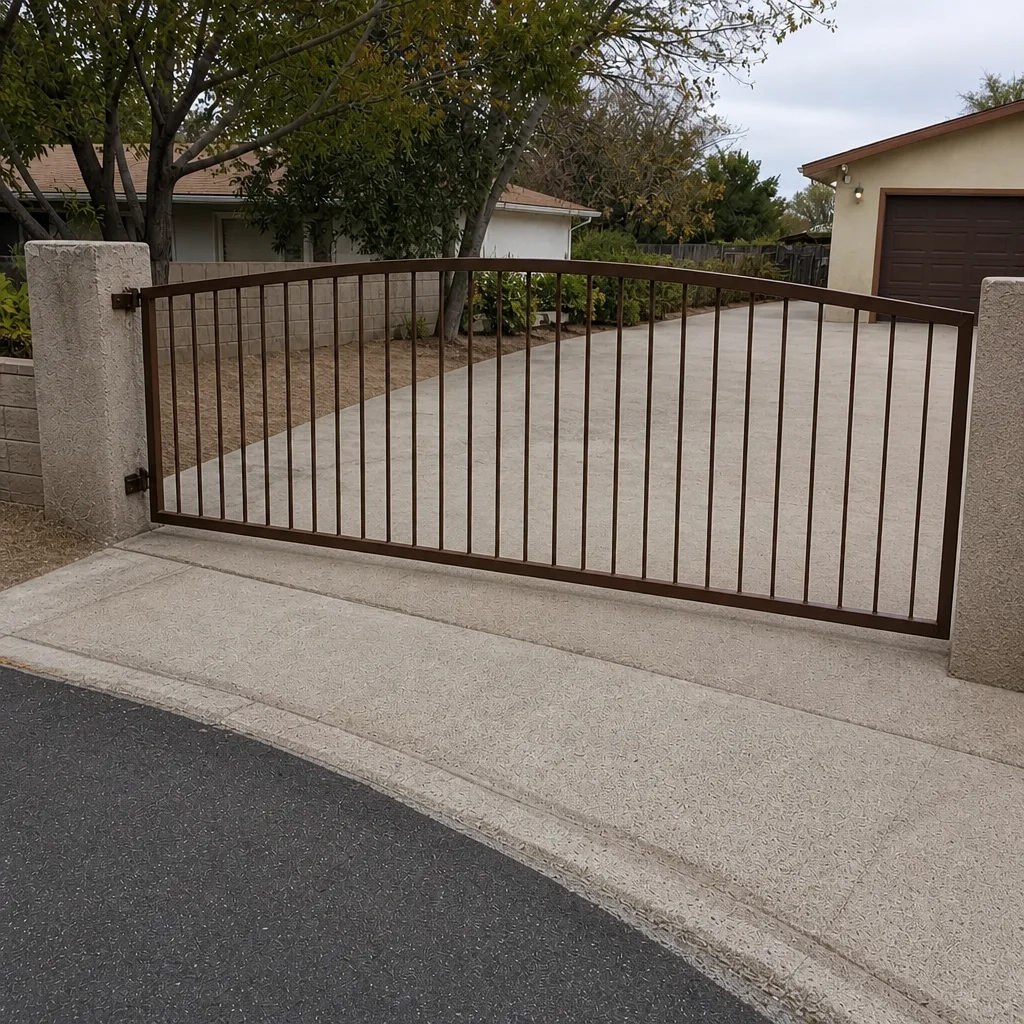
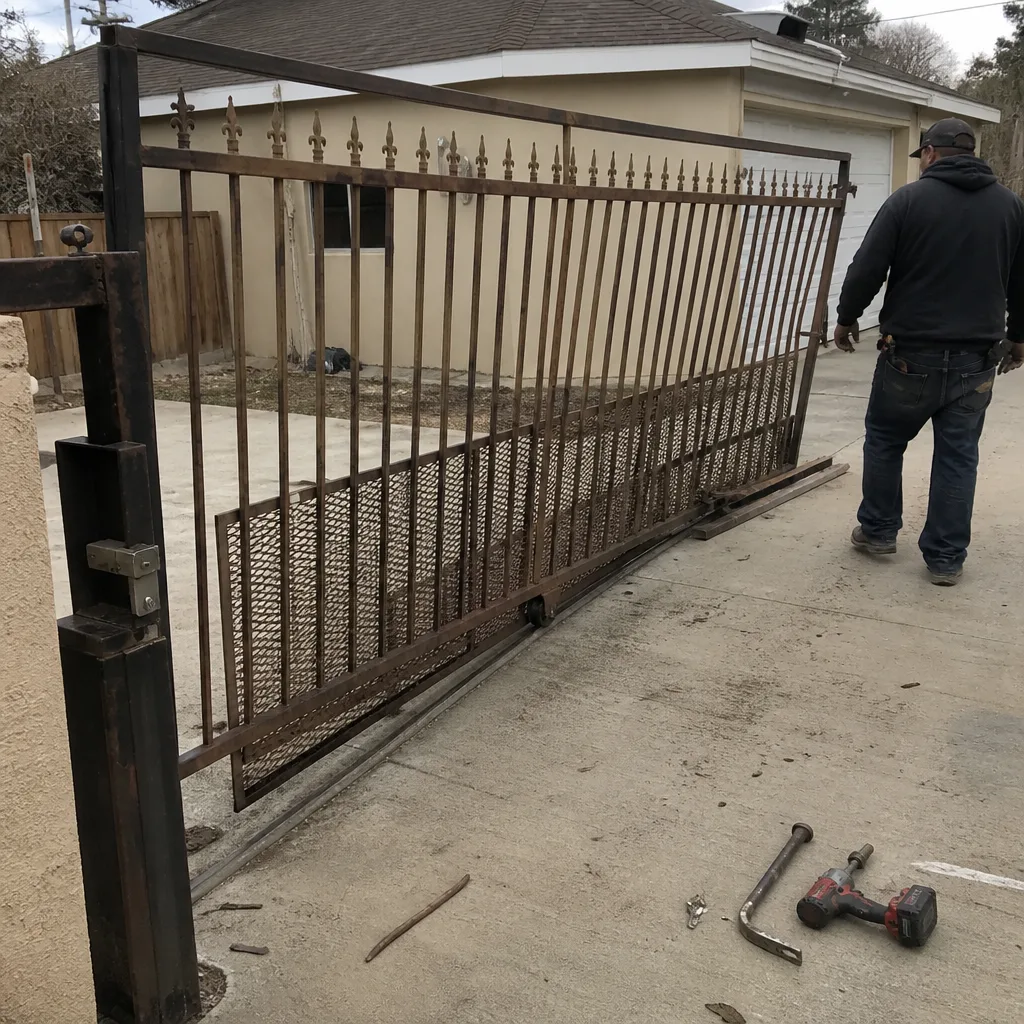
See the difference
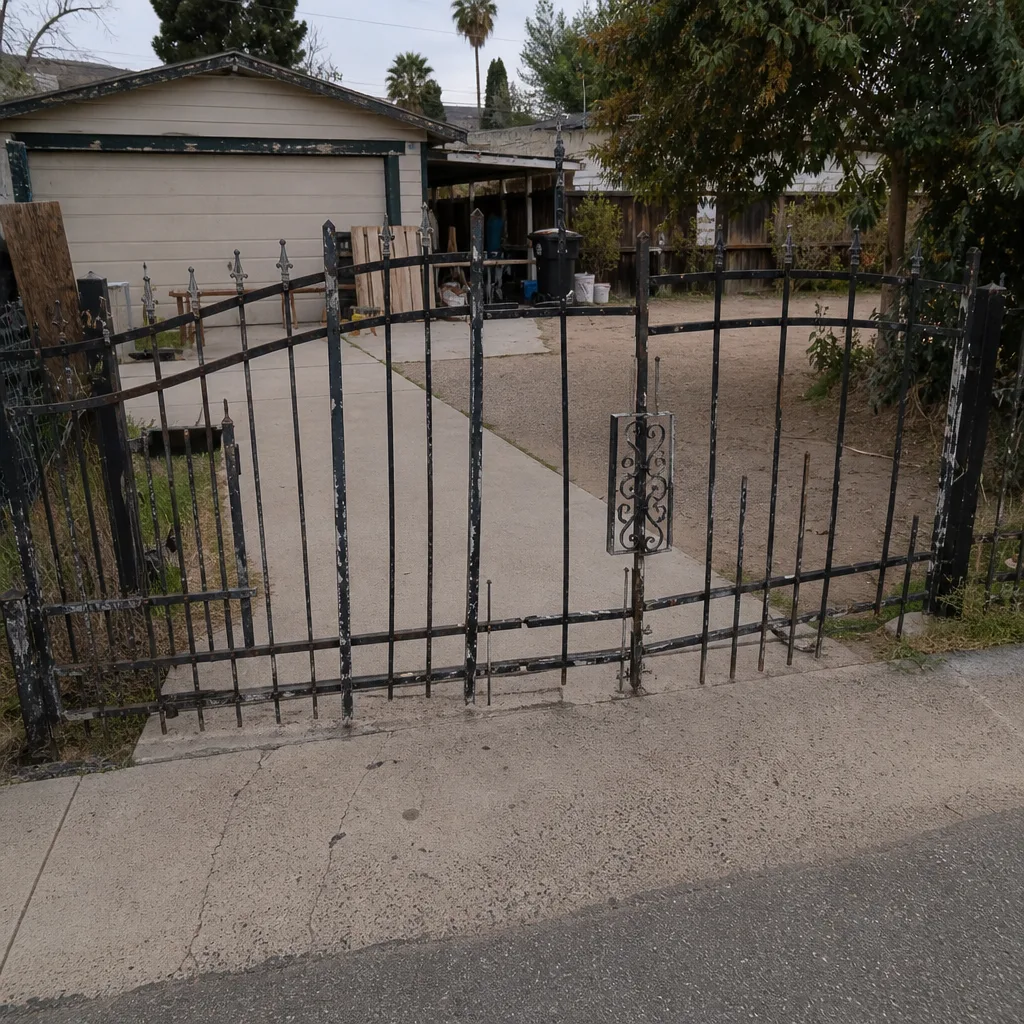 Before
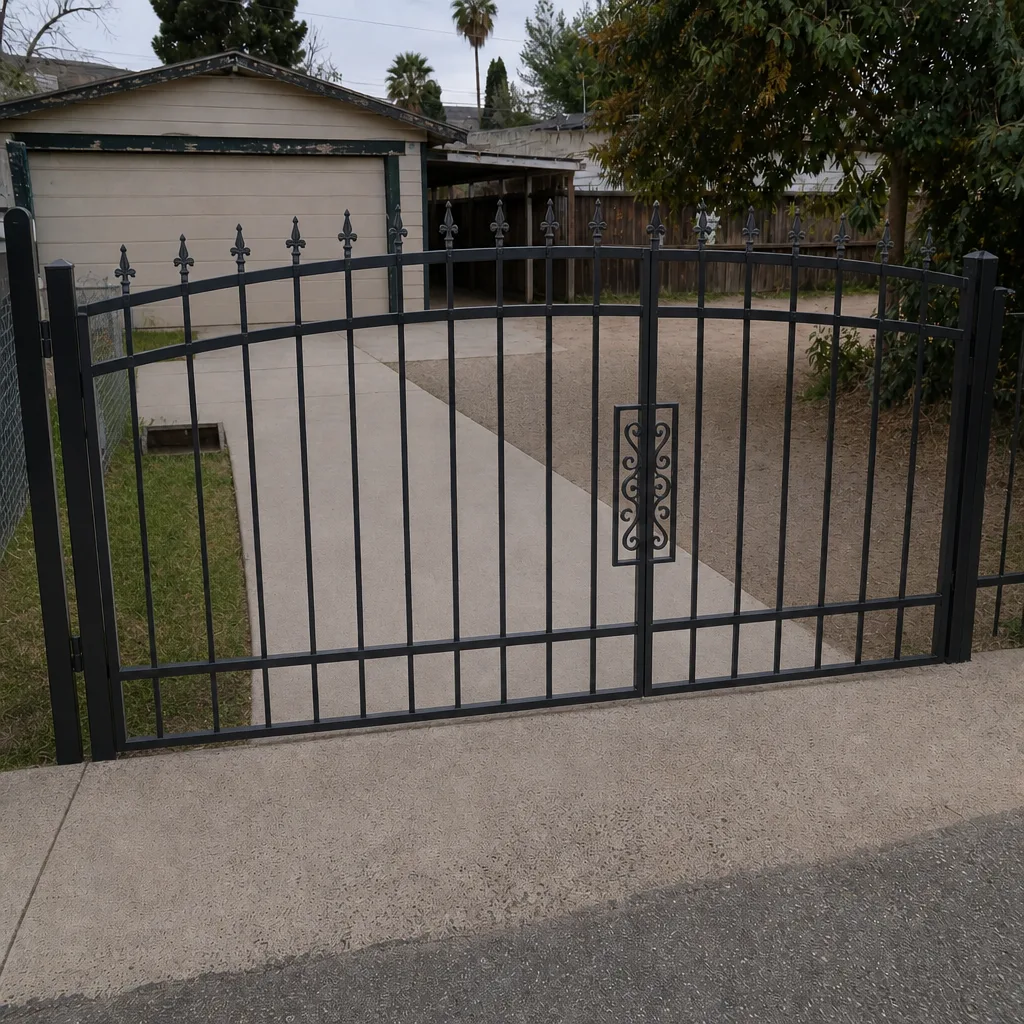 After
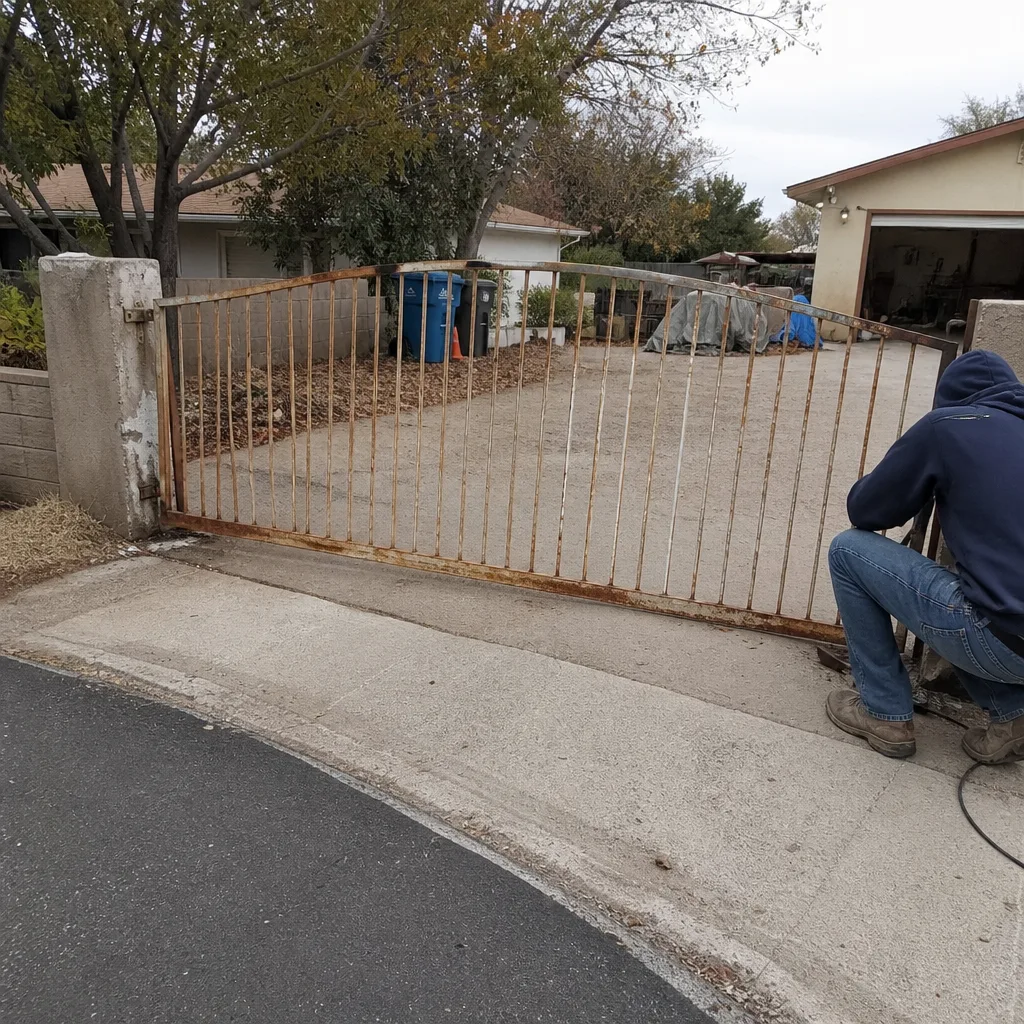 Before
 After
 Before
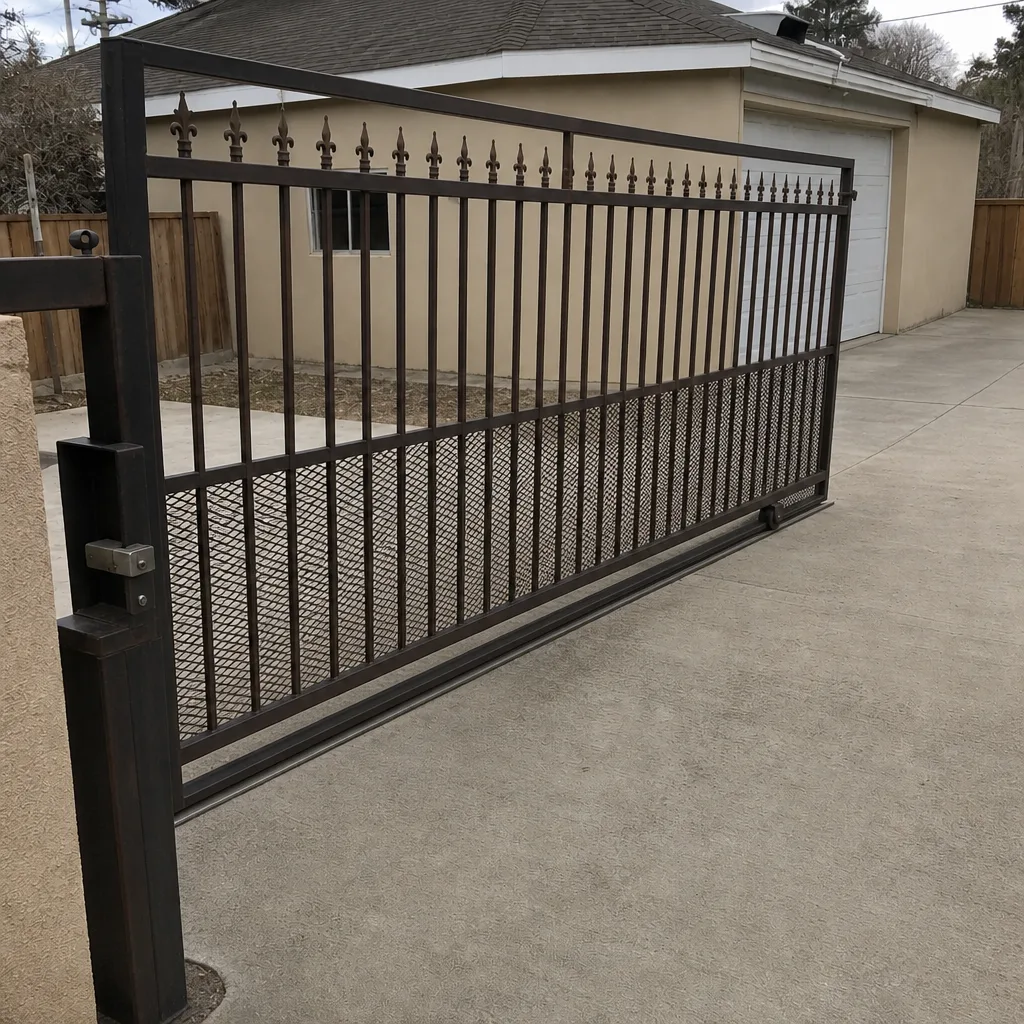 After
Frequently Asked Questions
Yes, and it’s the most important check the gate will ever get. In the first 90 days the posts finish settling and the hardware finishes seating under real load, so a re-torque catches small looseness before it becomes a repair. Skipping it is the most common reason a new gate needs adjustment work in year two. Call (888) 292-7536 for a free estimate on the 90-day check.
Most first-year maintenance visits in Paradise run a modest flat service price, and the 30-day and 90-day checks are often covered as part of a new installation. A torque check plus alignment usually lands well under the cost of a single gate repair. We quote the price and agree on it before any work starts, so there’s no surprise at the door. Call (888) 292-7536 for an exact quote.
Usually, yes. A dragging gate is a repair call, and we run same-day availability and 24/7 emergency service around Paradise for exactly this. Dragging is often a hinge or latch issue from skipped break-in checks, and the fix is usually quick when it’s caught early. Call (888) 292-7536 and we’ll get it on the schedule.
A full visit covers post stability, a torque pass on all hinges and brackets, a latch and stop inspection, the operator travel limits, a safety reverse test, and lubrication per the brand recommendation. It’s the same checklist whether we’re working on LiftMaster, Linear, or Ghost Controls hardware. You get a written record to keep your warranty intact. Call (888) 292-7536 for a free estimate.
It can, and that’s why the programming review after the first full summer matters. Triple-digit heat causes the gate to expand slightly and the operator components to drift, which can throw off travel limits and sensor calibration. The fix is a reprogram, not a replacement. Call (888) 292-7536 to get the operator checked before summer ends.
It can, depending on the manufacturer and installer terms. Many warranties require documented maintenance to be enforced, and a claim without records can be denied as normal wear. Keep a simple log of every check and every part replaced. Call (888) 292-7536 if you have questions about what your warranty covers.
The Bottom Line
The first 90 days after a new gate goes in are the most important maintenance window the gate will ever have. A 30-day post check catches any settling that needs adjustment. A 90-day torque check re-seats hardware that loosened under real load. A programming review after the first summer keeps the operator tracking correctly through Paradise heat. Then the gate settles into an annual rhythm, with a maintenance log that keeps your warranty enforceable. Follow the schedule and the gate behaves for years. Skip it and you’re paying for repairs you didn’t need to have. If you’re in Paradise and want the check done right, Gatewood Fence & Gate Paradise handles it, and our gate motor and opener service in Paradise covers the programming side. Call (888) 292-7536 for a free estimate, and we’ll get your gate on a schedule that fits it.
Written by the team at Gatewood Fence & Gate Paradise.