
Last updated November 18, 2026
 Wrought iron
 Wood & steel frame
 Farm & ranch
 Sliding driveway gates
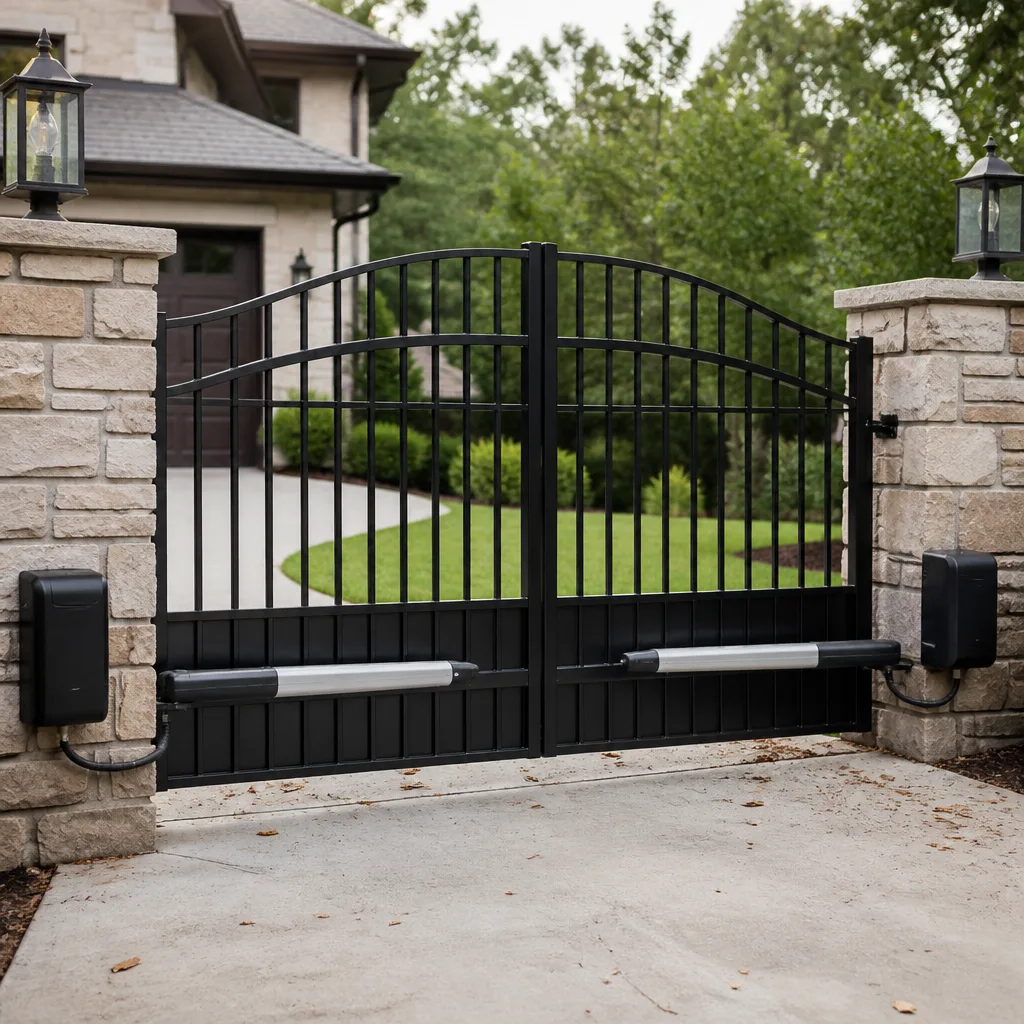 LiftMaster operators
Free on-site gate assessment - hinges, posts, and your LiftMaster or Nice gate operator checked before anything is quoted
The assessment is free and the quote is the invoice.
Get your free estimateGate Repair Warning Signs Every Homeowner Should Know
Almost every gate we’ve rolled up to as an emergency had been talking to its owner for weeks. A rattle here, a grind there, a gate that started closing a little harder than it used to. The homeowner noticed. They filed it under “annoying” and got on with their week. In our experience, the gap between that first annoyance and a full failure is usually around six weeks, and it’s the difference between a couple hundred dollars and a couple thousand. This guide walks through the noises, movements, and visual cues that tell you exactly what’s failing and how long you’ve got. We’ll do it from Paradise, where wind, dust, and dry heat put gates through their paces faster than most places.
Quick Answer
Gates rarely fail without warning. The four signals that matter most are unusual sounds (grinding, clicking, or a gate that “just sounds different”), slow or jerky travel, visible rust at joints and hinge posts, and operator behavior like hesitation, reversed direction, or a remote that only works up close. Sound and movement changes give you weeks to schedule a repair. A post that’s pulling away, a gate that won’t latch, or an operator that reverses on closing means call today.
Styles & brands we work with
- Wrought iron
- Wood & steel frame
- Farm & ranch
- Sliding driveway gates
- LiftMaster operators
Table of Contents
- What Your Gate Is Trying to Tell You
- Sound-Based Warnings: What the Noise Actually Means
- Movement-Based Warnings: Slow, Jerky, or Incomplete Travel
- Visual Warnings Most Homeowners Walk Past
- Operator Behavior Warnings on Automatic Gates
- Which Warning Signs Give You Weeks vs. Which Mean Call Today
- Common Mistakes to Avoid
- When to Call a Professional
What Your Gate Is Trying to Tell You
A gate is a mechanical system made of hinges, posts, latches, tracks, and often a motor and sensors. Every one of those parts wears at a different rate. When a part starts to go, it announces itself through sound, through a change in how the gate moves, or through something you can see if you know where to look. The reason homeowners miss it isn’t that the signals are subtle. It’s that the signals are easy to rationalize. “It’s always made that noise.” “It’s just a little stiff in the summer.” “It still opens fine.”
Here’s the thing: none of those excuses hold once you understand what each symptom points to. In Paradise, gates deal with a specific set of stressors. Summer temperatures push steel past 120 degrees in full sun, which works bolts loose over a season. Wind-blown dust finds its way into tracks and hinges and becomes a grinding paste. And the occasional hard monsoon gust puts load on hinge posts that suburban gates in wetter climates never see. That combination means warning signs here tend to show up faster, and the cost of ignoring them is higher.
We’ve seen gates that were one hinge bolt away from falling off their posts while the owner was still calling it “a little loose.” That’s the pattern. The gate is fine right up until it isn’t, and then it’s a Wednesday morning with your car on the wrong side of it.
Sound-Based Warnings: What the Noise Actually Means
Every gate has a baseline sound. A well-maintained manual gate swings almost silently. An automatic gate has the steady hum of the operator and the soft metallic slide of the chain or arm. Once you know your gate’s normal sound, any departure from it is information. Here’s how to decode the three most common noises:
- Grinding. Usually metal-on-metal contact where there should be a bearing, a bushing, or lubrication. On sliding gates, it’s often the track or the rollers. On swing gates, it’s usually the hinge. Left alone, grinding wears the moving part until it needs replacement instead of a lube and adjust.
- Clicking. A rhythmic click that matches the gate’s travel often points to a worn gear in the operator, a loose chain, or a component in the drive arm. A single click at the start or end of travel is usually a limit switch doing its job. A click that repeats during travel is not.
- “It just sounds different.” This is the one homeowners mention most, and it’s the hardest to diagnose by phone. Something in the pitch or rhythm changed. In our experience, this is often the earliest sign of a failing bearing on a BFT or Linear swing operator, or the first stage of a chain that’s stretching. Catch it here and it’s a service call. Wait and it becomes a motor replacement.
If you can’t tell whether the noise is normal, that’s worth a look. Our technicians have up to 25 years of experience, and most of them can diagnose a gate by ear from the driveway. A free second opinion on any written estimate is a standing offer, so if another company has already quoted you a full replacement, get a second set of ears on it before you sign.
Movement-Based Warnings: Slow, Jerky, or Incomplete Travel
How a gate moves tells you what’s straining. A gate that’s operating correctly moves at a steady speed from open to close, hits its stops cleanly, and doesn’t shudder. Watch yours the next time it cycles and check for these three patterns:
- Slowing down mid-travel. A gate that starts fine and then noticeably drags is fighting resistance. On a manual gate, that’s usually a binding hinge or a post that’s shifted. On an automatic gate, it can be a dying motor, a sagging gate the operator is trying to push through, or a voltage problem at the operator.
- Jerking or stuttering. Stop-start movement points to a mechanical bind, a worn drive component, or a track that’s out of alignment. Jerking in a swing gate often traces to a hinge post that’s leaning. Jerking in a sliding gate is usually the track or the guide rollers.
- Incomplete travel. If the gate opens 90 percent and reverses, or closes but doesn’t latch, you’re looking at a limit switch, a sensor obstruction, or a physical obstruction the gate is hitting. Don’t force it. A gate that’s stopping early is telling you something is out of spec, and pushing it through makes the failure worse.
We’ve seen gates in Paradise that were sagging in the hinge post, not in the middle, for months before they failed. A gate sags in the hinge post, not in the middle – and that’s where we start every inspection. Fix the panel without the post and you’ll fix it twice.
Visual Warnings Most Homeowners Walk Past
Walk out to your gate and give it a slow look. Not a glance on the way to the mailbox. A real inspection. These are the four visual signs that mean something and the root causes they point to:
- Rust at the joints, not the flat surfaces. Surface rust on a powder-coated panel is cosmetic. Rust bleeding from behind a weld, at a hinge plate, or where the post meets the frame means water is getting inside the joint. That’s structural rust, and it always progresses. On steel gates in Paradise, this is often the first thing to check after monsoon season.
- Joint separation. Look at the welds where the frame meets the pickets or stiles. A hairline crack at a weld is a fatiguing joint. Left alone, it opens up. This is exactly the kind of thing we weld on site – the gate stays in your driveway and you don’t pay for hauling or a swap you didn’t need.
- Post movement at grade. Push the gate post where it meets concrete. If it rocks, even a quarter inch, you have a footing problem. On dry, shrinking soil – common in Paradise and the surrounding county – post movement shows up years earlier than in wetter climates. A rocking post will eventually take the whole gate down with it.
- Hinge wear. Squeaking hinges get greased. Wobbling hinges don’t get fixed until the gate sags. Check for side-to-side play in each hinge. Play means the hinge pin or the hole it sits in has worn. That’s a replacement, not a lube job.
These are the warnings you can’t hear and can’t feel from the driver’s seat. That’s why they get missed. Two minutes with a flashlight once a season catches nearly all of them.
Operator Behavior Warnings on Automatic Gates
An automatic gate has a motor, a control board, and safety sensors. Each of those fails in its own way, and each failure has its own symptoms before the gate stops working entirely. If your gate is running a Ghost Controls, Viking, or FAAC operator, the behavior patterns below are worth knowing:
- The remote only works up close. A receiver or antenna issue is usually the cause. If it’s brand new behavior and the receiver is fine, a failing battery in the remote is often the culprit. If the remote is fine and the receiver is fine, the board may be weak. Get it diagnosed before it strands you.
- The gate reverses before it closes. This is almost always a safety sensor. A misaligned photo-eye, a dirty lens, or an obstruction in the sensor path will make the operator reverse on closing to avoid crushing something. Never bypass the sensors to “fix” this. The reversing behavior is the safety system doing its job.
- The gate hesitates at start. A pause before movement starts, getting longer over time, points to a failing start capacitor, a struggling motor, or low voltage at the operator. Get it checked while the actuator still works.
- The battery backup runs short. Almost every modern operator has a battery backup for power outages. If your gate used to run for a full day on backup and now stops after an hour, the battery is failing. Replace it on your schedule, not during a storm.
One more thing: when an operator needs work, the gate itself usually needs a look too. A motor fighting a sagging gate wears out faster than a motor on a level gate. If you’re considering replacing the operator, start with a look at the gate. That’s the difference between a repair and a cascade of replacements.
Which Warning Signs Give You Weeks vs. Which Mean Call Today
The single most useful thing this guide can do is help you sort the warning signs by urgency, because the cost difference between scheduling a repair and calling an emergency is real. Here’s how we categorize them:
Gives you weeks to schedule (call this week)
- A new grind or squeal at the hinge, track, or roller
- Rust bleeding from a joint or weld
- The gate slowing or stuttering during travel
- An operator hesitating at start
- Surface-level cosmetic cracking at a powder-coated finish
- Battery backup running short
Call today (stop using the gate)
- The gate post rocks in the ground, or the gate visibly sags and won’t latch
- A hinge plate is pulling away from the frame, or a weld is cracked open
- The operator reverses on closing and won’t complete a cycle
- The gate is hitting an obstruction and forcing through it
- Any failure that leaves the gate stuck half open or half closed over a driveway
- Any electrical smell or visible spark at the operator, control board, or wiring
We’re being direct about the emergencies because the difference is real. A wobbly hinge fixed in week two is a hinge job. A wobbly hinge that shears its post plate in week eight is a post job, a gate repair job, and possibly a new actuator, all at once. That’s the two hundred versus two thousand gap.
Common Mistakes to Avoid
- Greasing a wobbling hinge. Grease silences the squeak but does nothing for the play. If you can wiggle the hinge side to side, grease is hiding a problem, not fixing one.
- Replacing the operator when the gate is the problem. A motor that’s struggling may be fighting a sagging gate or a binding hinge. In our experience, half the “failed motors” we’re called out to in Paradise turn out to be gate-side problems, and a good repair is far cheaper than a new operator.
- Adjusting limit switches to hide a hard-running gate. Stretching the limit is a shortcut that hides the underlying resistance. The gate still fights, the motor still wears, and you’ve just moved the failure date back a few weeks.
- Ignoring post movement because the gate “still opens fine.” A rocking post is failing at the footing, and that failure accelerates. The gate opens fine right up until it doesn’t.
- Patching rust on a weld instead of cutting it out. Rust behind a weld is a structural problem. A patch and paint buys a season. A proper weld repair buys a decade. On old gates in Paradise, we’ve pulled apart “repaired” joints that were three patches deep and still rusting underneath.
- Skipping the seasonal check after monsoon season. A single hard gust event can bend a guide track, loosen a hinge bolt, or shift a gate on its post. A quick walk-around after a wind event catches what a driver’s-seat glance will miss for weeks.
- Calling a national gate company that won’t come back. A repair that fails in 60 days should be a callback, not a new invoice. Every job we do in Paradise is covered in writing by the 90-Day Done Right Promise – if it’s not done right, one call brings us back.
When to Call a Professional
Some gate problems are cosmetic and safe to watch. Others will injure someone if handled by an untrained hand. This is the honest cut: any work involving an automatic gate’s motor, control board, sensors, or wiring is not a homeowner job. Cosmetic repairs, lubrication, and inspection are. If your gate post rocks in the ground, a hinge plate is separating, a weld is cracking open, or the operator reverses on closing, call us. Those are the four warning signs we treat as urgent in Paradise, and they’re the ones most likely to escalate if you wait. If your gate is running on a FAAC or Linear operator and the behavior has been “off” for a few weeks, a service call is cheaper than the operator replacement it will become. Gatewood Fence & Gate Paradise offers free estimates in Paradise – call (888) 292-7536.
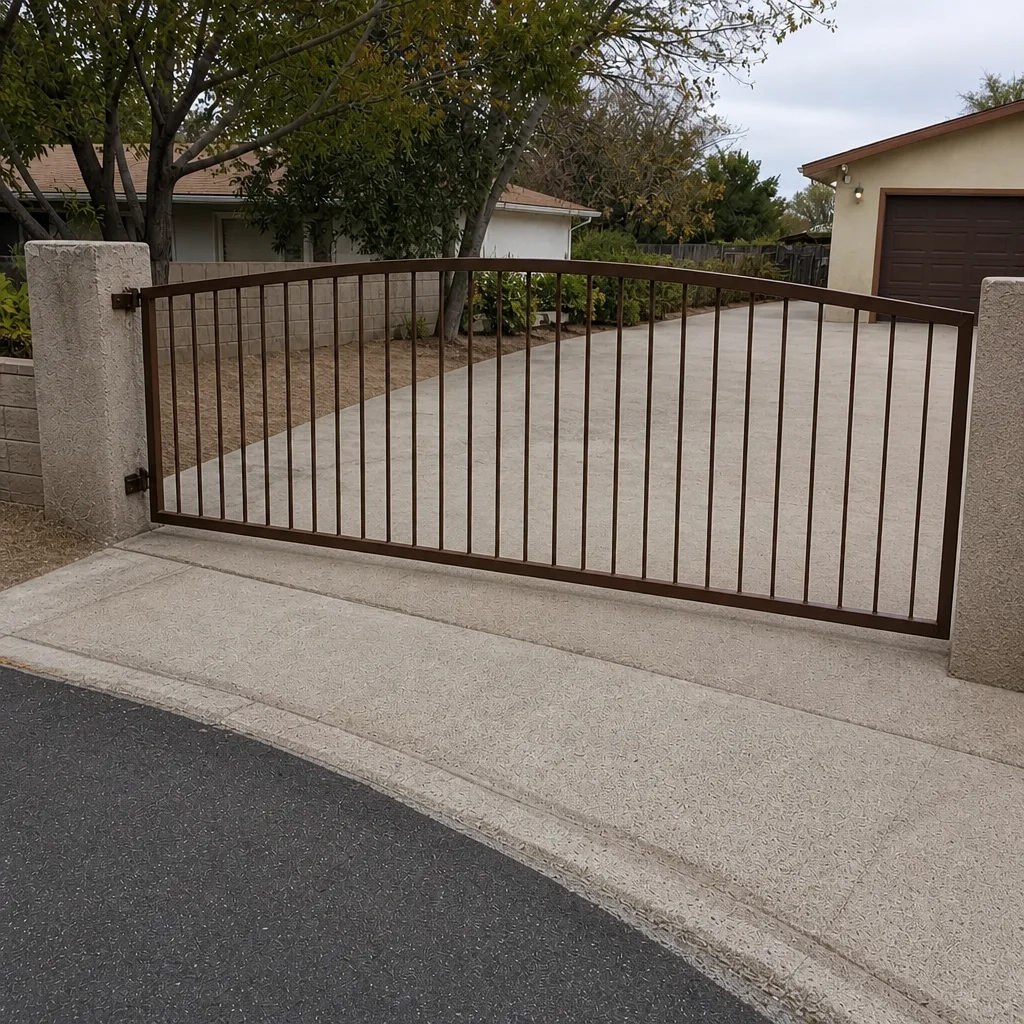
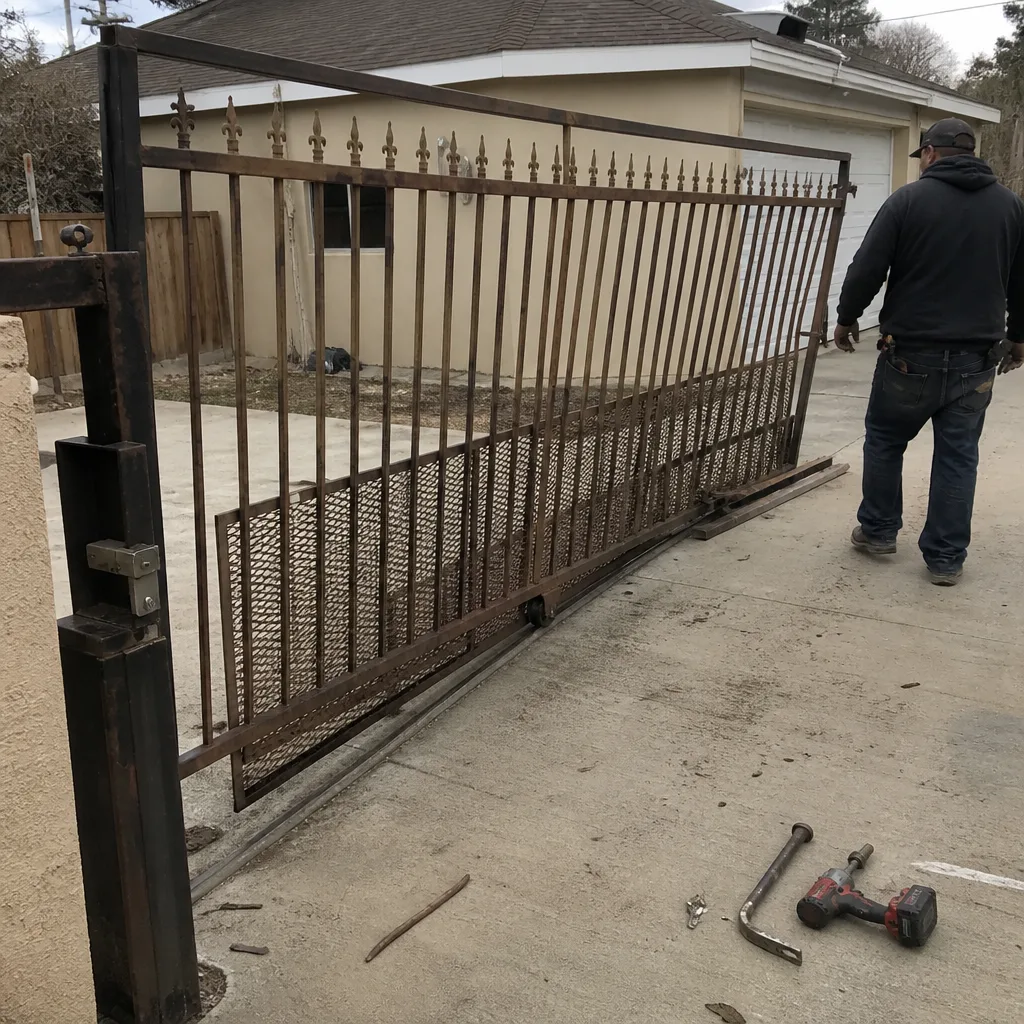
See the difference
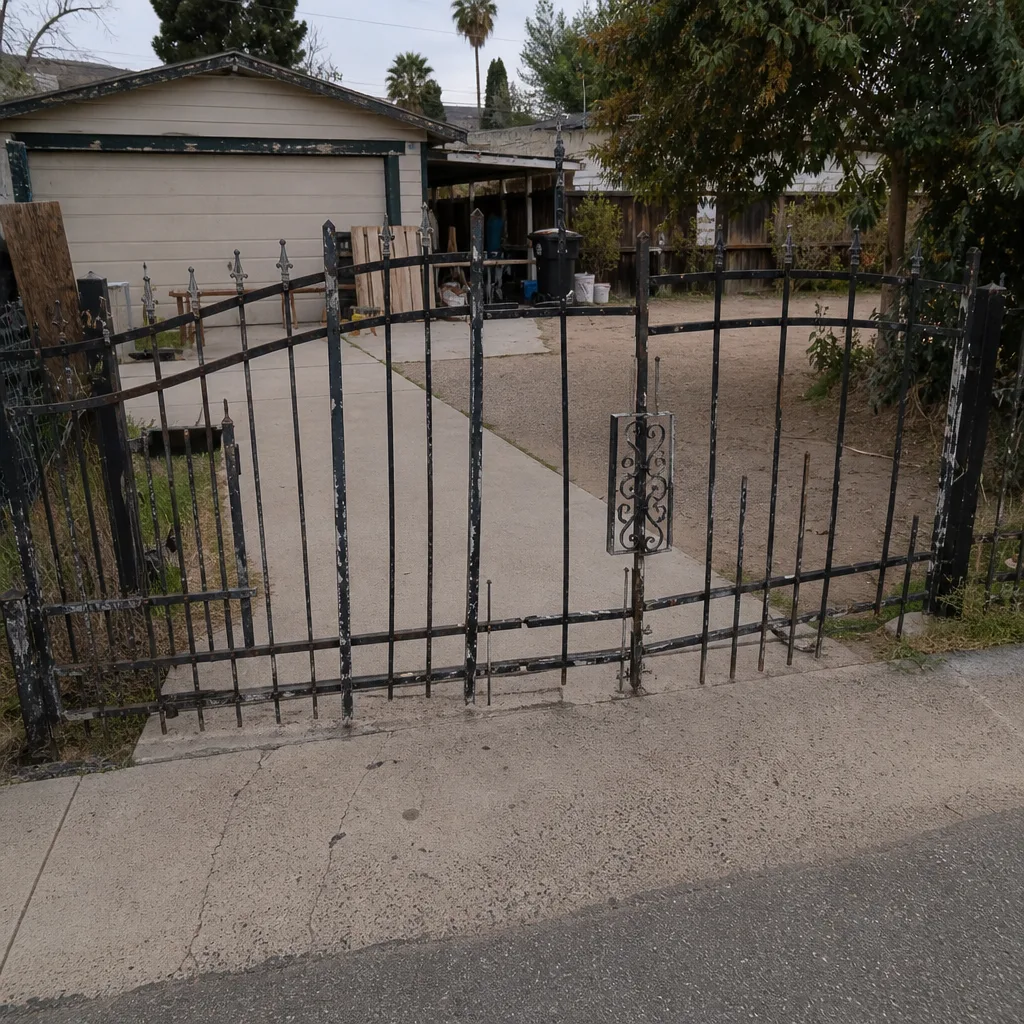 Before
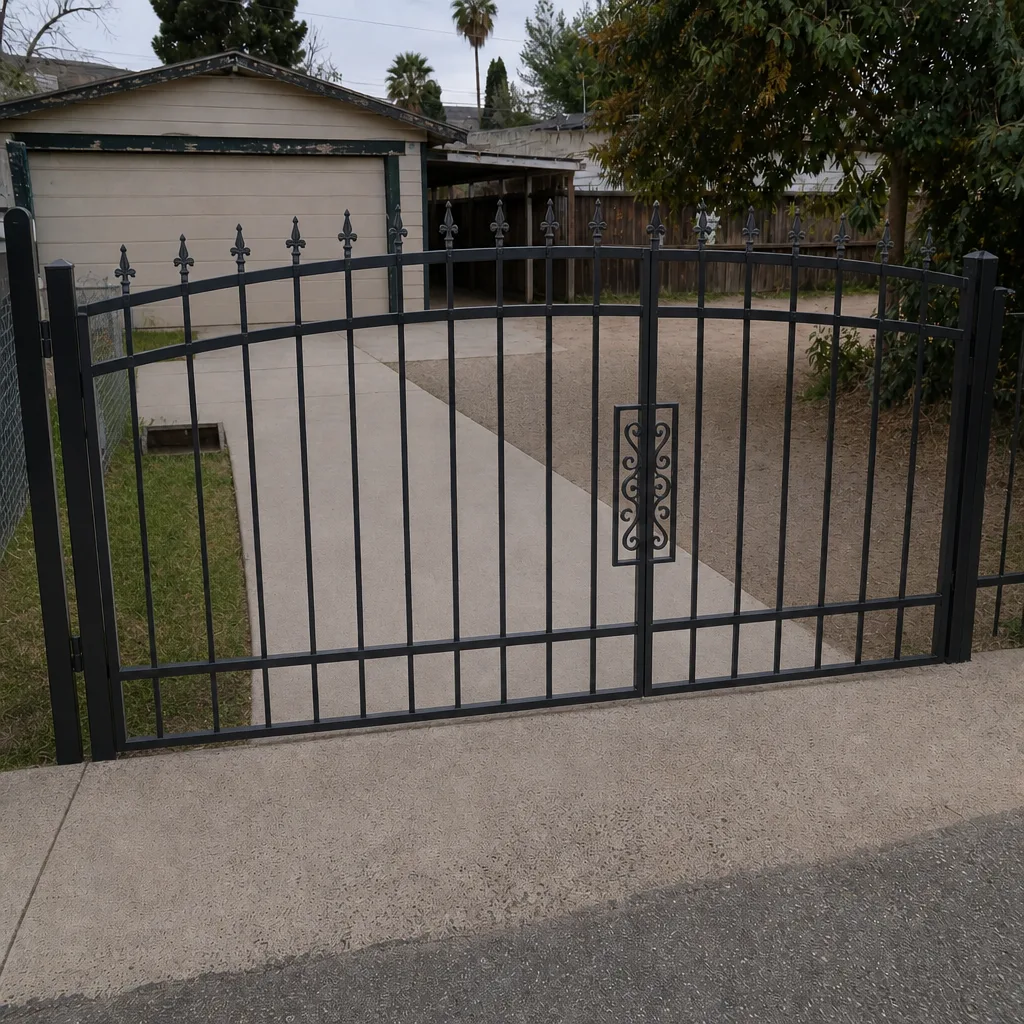 After
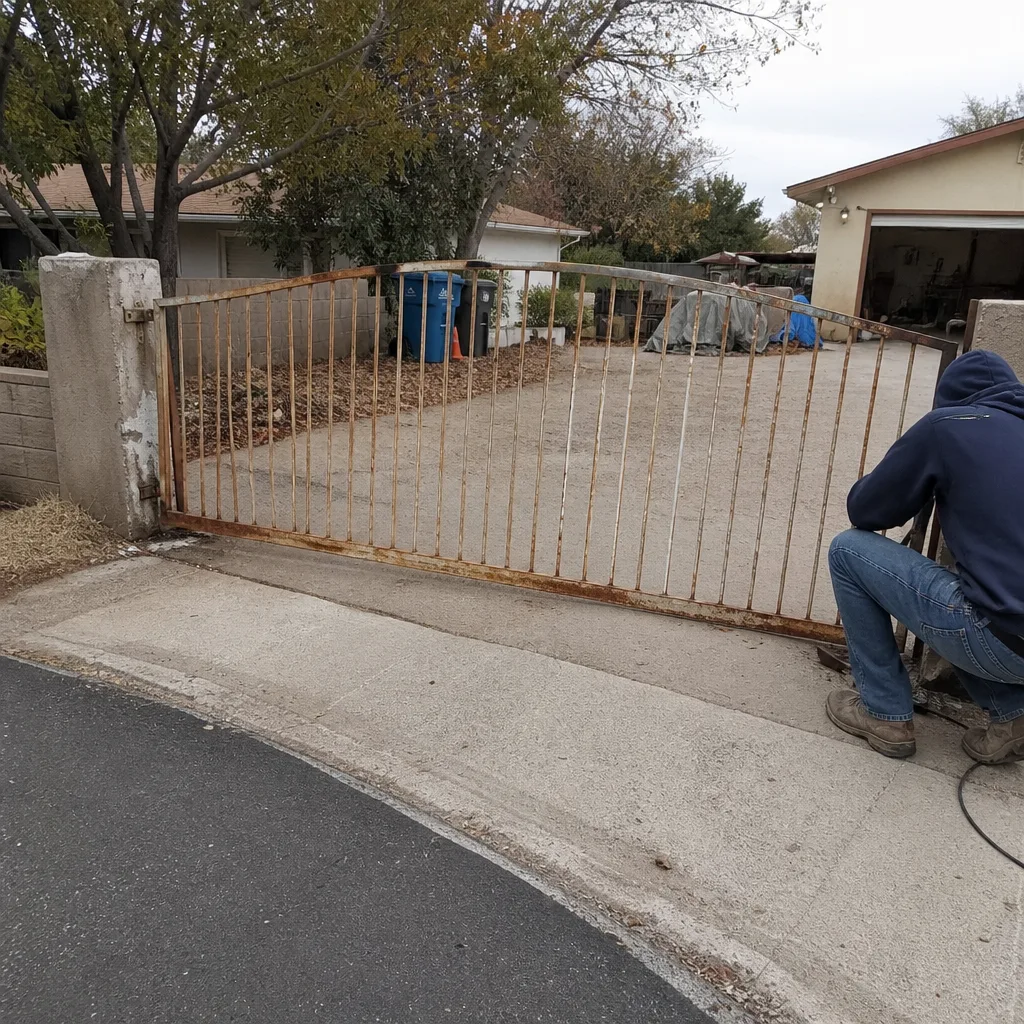 Before
 After
 Before
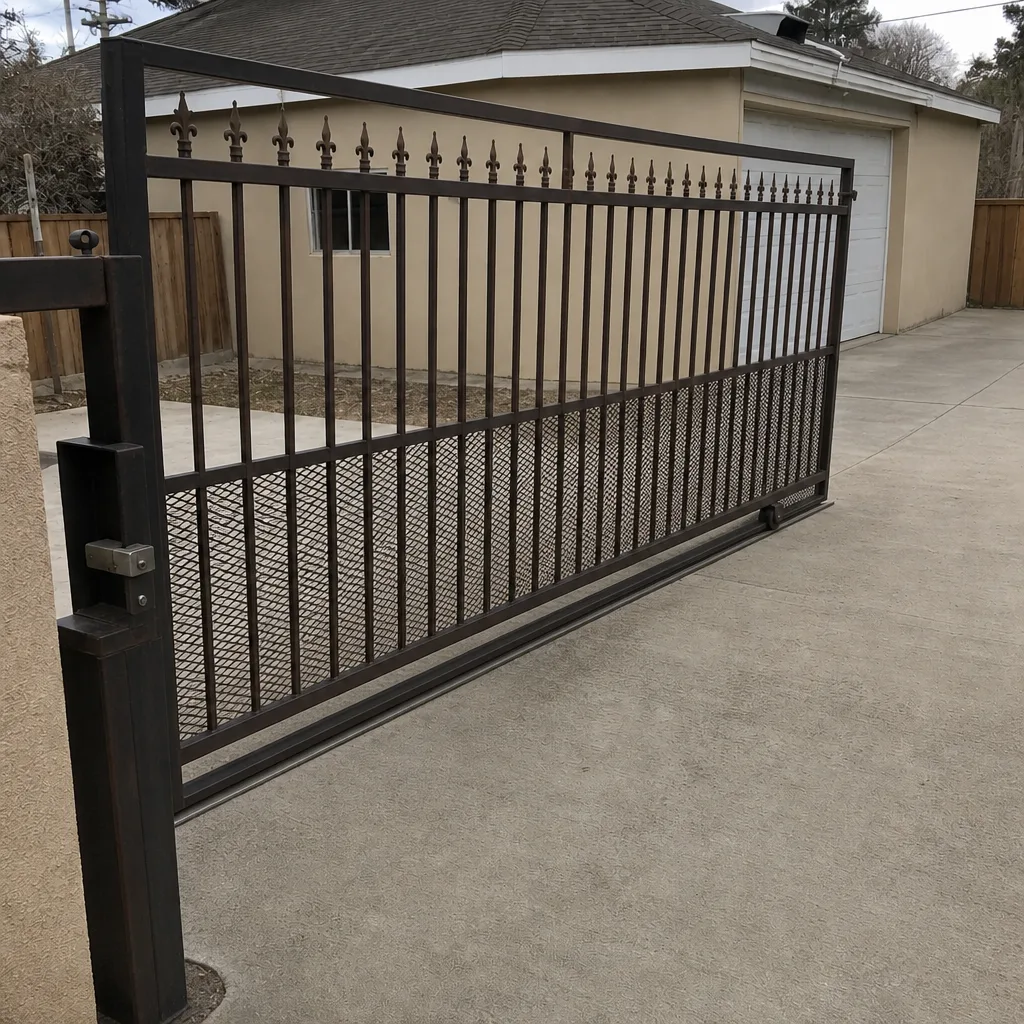 After
Frequently Asked Questions
Post movement at grade. Homeowners notice the gate swinging, not the post rocking. Push the post where it meets concrete – if it moves even slightly, that’s the owner of the problem. Call us for a free assessment if you’re not sure what you’re seeing.
In our experience, sound and movement warnings give you about six weeks before failure on most gate types. Visual warnings like rust at a weld or post movement vary more – some give you a season, some give you a month. When in doubt, schedule the repair this week. Call (888) 292-7536 for an exact quote – estimates are free.
Yes. A change in the pitch or rhythm of the gate is often the earliest sign of a worn bearing or a stretching chain. If the noise is new and repeats during travel, schedule a look. We can usually diagnose from a driveway listen and give you an honest read on urgency.
Cosmetic adjustments and lubrication are homeowner-level work. A sagging gate almost always traces to a hinge post or a hinge plate, and correcting it means welding, re-setting the post, or replacing hinge hardware. That’s work we handle on site. Getting the diagnosis wrong on a post can bring the whole gate down.
We recommend a walk-around every three to four months, plus an extra look after any significant wind event. Paradise dust and dry-season soil movement are harder on gates than most owners expect. Look for rust at joints, wobbly hinges, post movement, and grinding at the track and rollers.
Yes. Free second opinion on any written estimate is a standing offer. If another company quoted you a full replacement, bring the estimate in or hand it to us on a service call. In our experience, a lot of “replacement-only” quotes are actually repairable. Call (888) 292-7536 – no trip charge inside the county.
The Bottom Line
Your gate is always telling you something. A grinding hinge, a slowing track, a stain of rust behind a weld, an operator that pauses before it starts – each one points to a specific part, and each one has a window before it becomes expensive. Sort what you’re hearing and seeing into the two lists above. Weeks-to-schedule items get a call this week. Call-today items mean stop using the gate and get eyes on it. The difference between a couple hundred and a couple thousand is almost always in catching the sign before the gate stops. If you’d rather have a trained eye on it, we’re down the road – Gatewood Fence & Gate Paradise is here when you need us.
When you’re ready to schedule an inspection, a repair, or a free estimate, call (888) 292-7536. We’ll pick up – a live person answers every call, 24 hours a day, 7 days a week. You can also read more about our gate repair in Paradise, our gate motor and opener service in Paradise, or our gate installation in Paradise if you’re weighing repair against replacement. Standing offers apply: $40 off any repair over $200, no trip charge inside the county, a free second opinion on any written estimate, and a permanent 10% discount for seniors and veterans. Every job carries the 90-Day Done Right Promise in writing.
Written by the team at Gatewood Fence & Gate Paradise.