
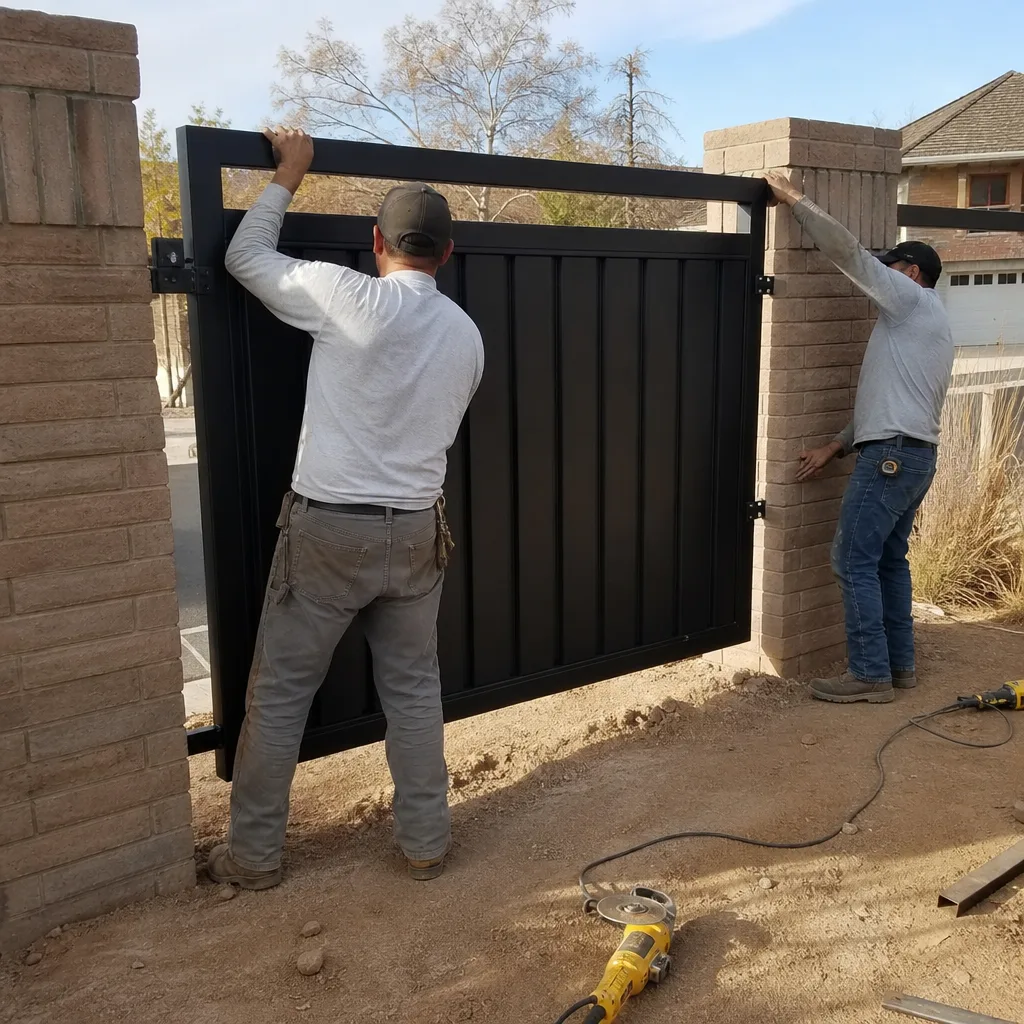
Last updated November 18, 2026
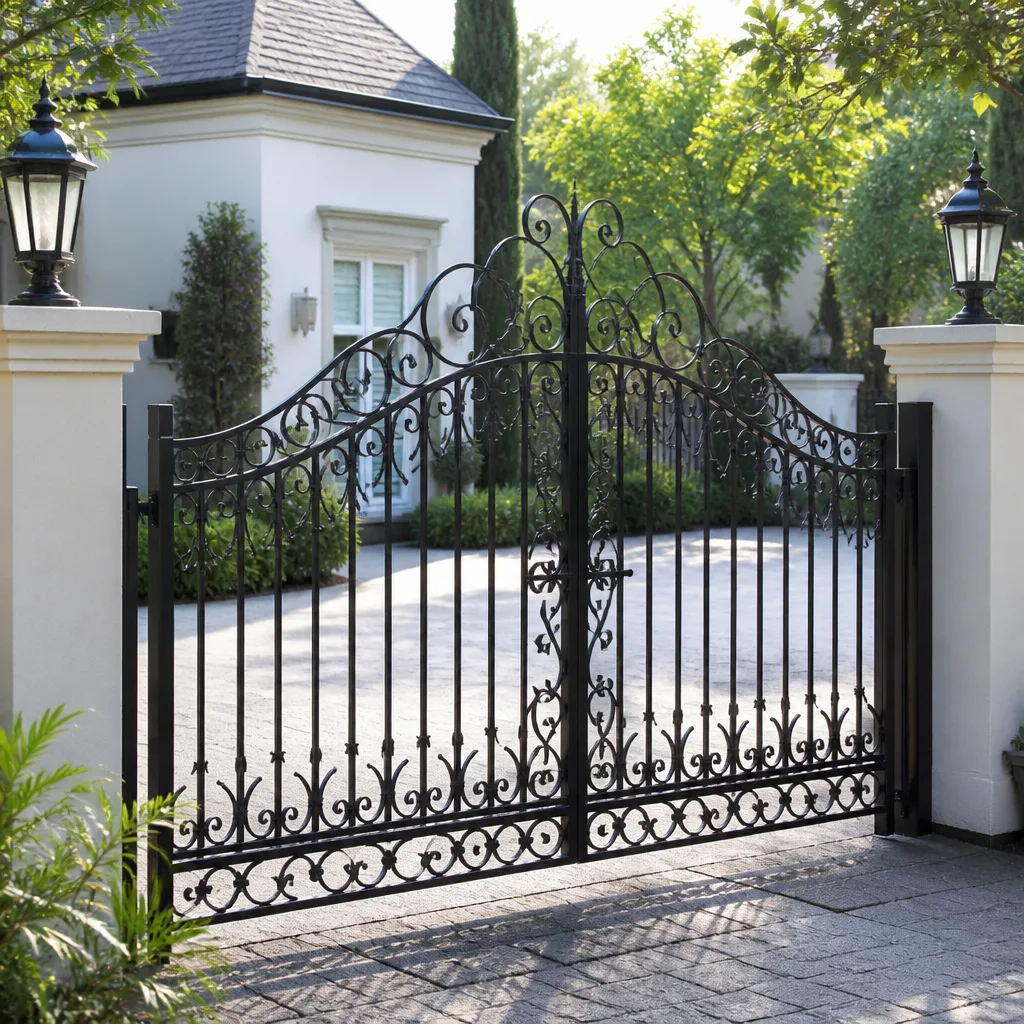 Wrought iron
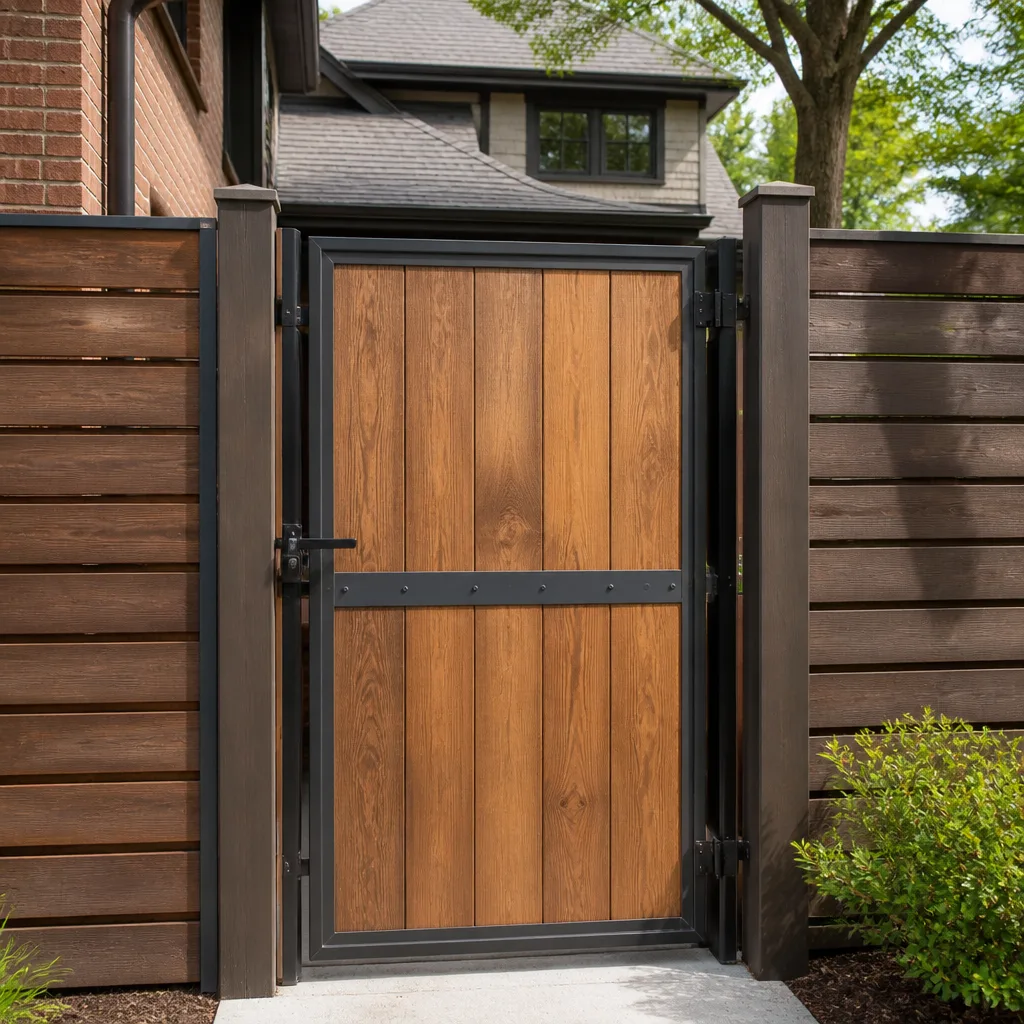 Wood & steel frame
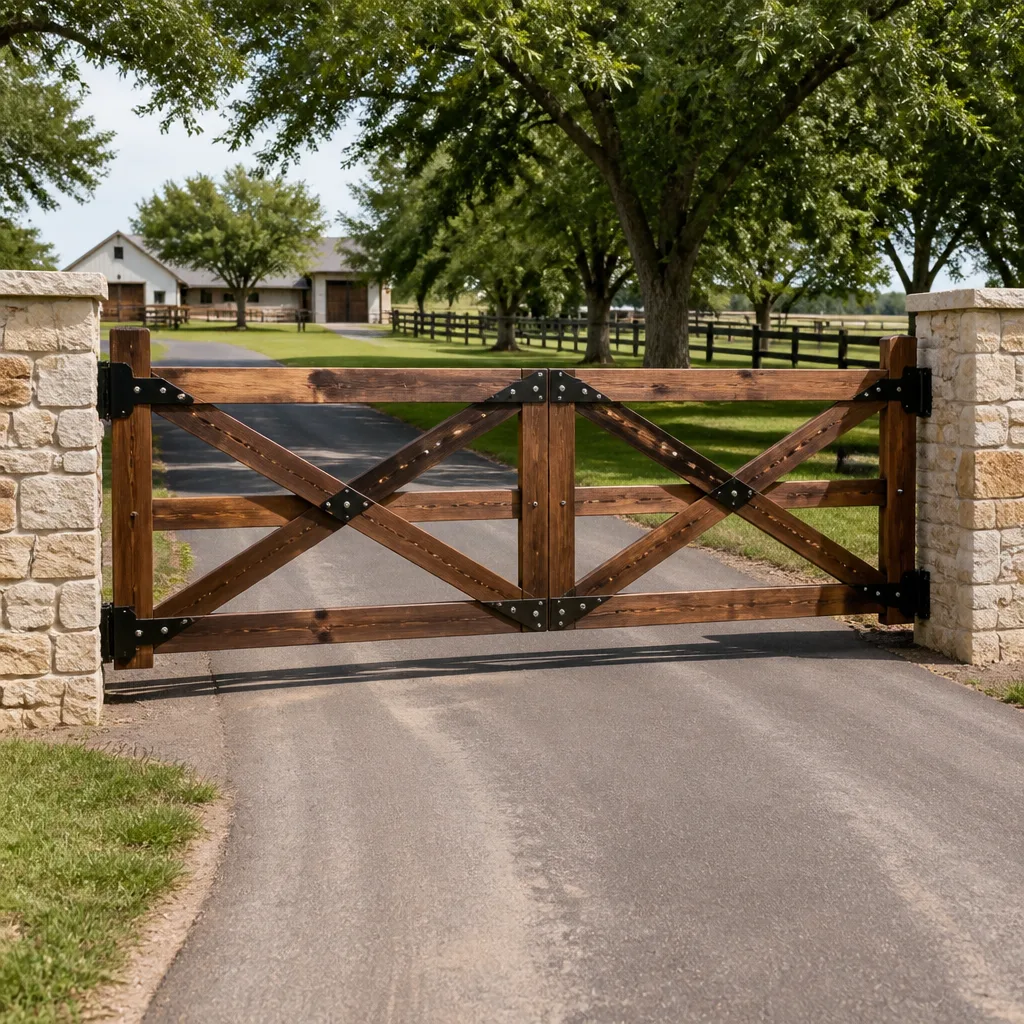 Farm & ranch
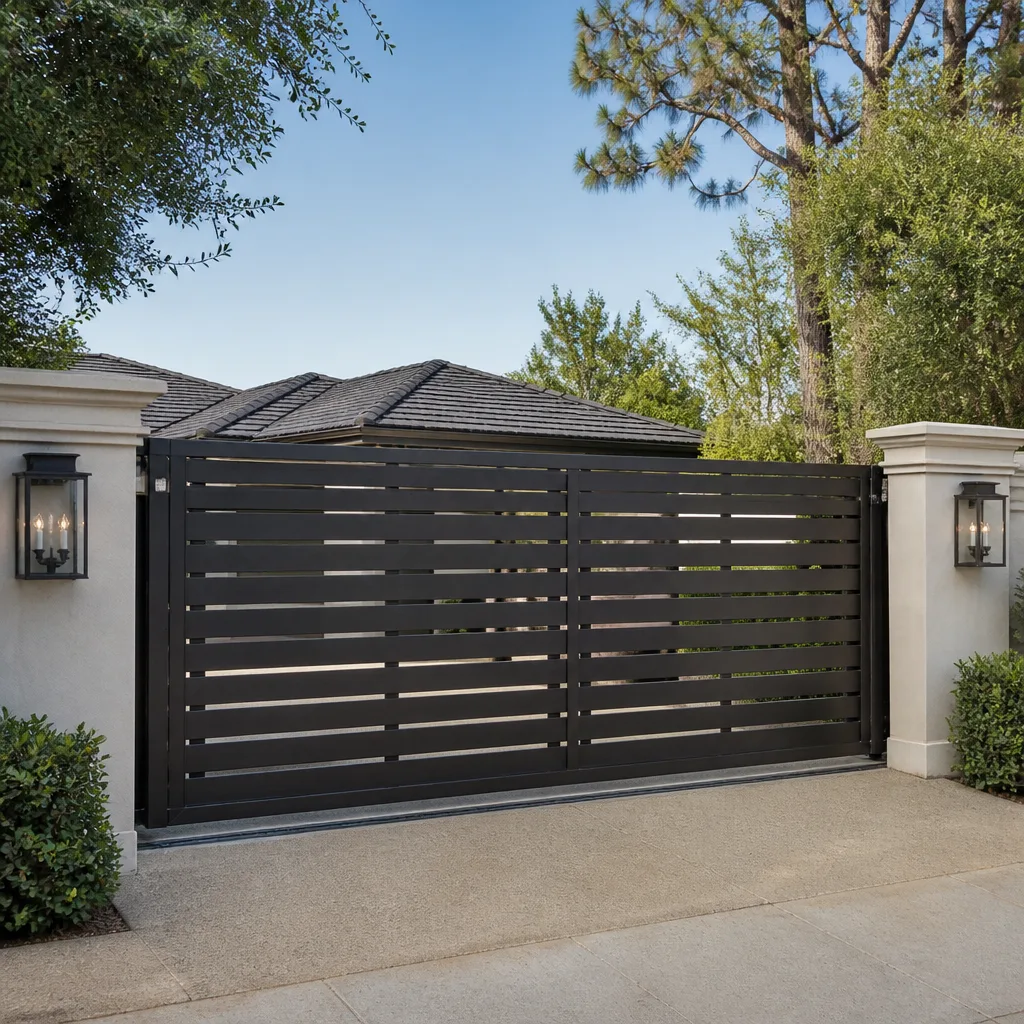 Sliding driveway gates
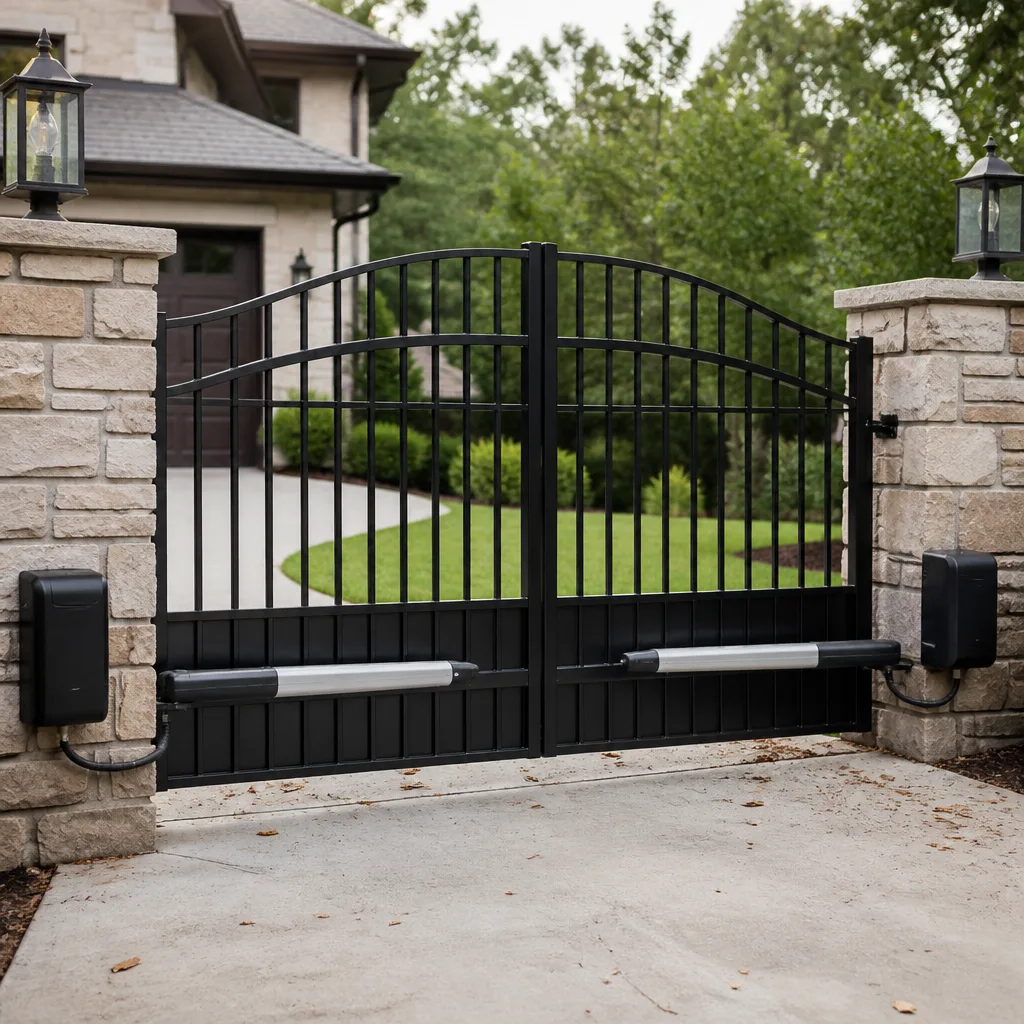 LiftMaster operators
Free on-site gate assessment - hinges, posts, and your LiftMaster or Nice gate operator checked before anything is quoted
The assessment is free and the quote is the invoice.
Get your free estimateSeasonal Gate Repair Care for Paradise: Year-Round Homeowner’s Guide
The gate failures we see most in September weren’t caused by the monsoon rains. They were set up in June and July.
Here’s what happens. Paradise runs above 100°F for weeks on end. Steel, aluminum, and even heavy cedar expand when they get that hot, then contract hard overnight when the desert drops 30 degrees. Every bolt, hinge lag, and operator bracket on your gate walks itself loose a little more each cycle. Come July and August, the rain arrives, finds every one of those loosened joints, and rusts them tight. By fall, the gate is grinding, dragging, or sagging, and the owner blames the storm. It was the heat.
Paradise doesn’t actually have four equal seasons. It has one long brutal summer, a monsoon window that corrodes whatever the heat loosened, and two mild stretches (spring and late fall into winter) where the smart work gets done. This guide organizes your gate care around that reality instead of a calendar-quarter template. You’ll learn what to tighten and coat before the heat, what to watch in the rain, what hides under the mud afterward, and why winter is the best window of the year for real repair work in Paradise.
Styles & brands we work with
- Wrought iron
- Wood & steel frame
- Farm & ranch
- Sliding driveway gates
- LiftMaster operators
Quick Answer
The short version: In Paradise, gate care runs on a heat-and-monsoon cycle, not four seasons. Do your prep work in April and May before temperatures cross 100°F (tighten fasteners, coat bare metal, test the operator), watch drainage and moisture seals during July through September, inspect for hidden damage and mineral deposits in October, and schedule welding and hinge/post repairs in the stable-metal window from November through February.
Table of Contents
- Why Paradise Gates Fail on a Heat Cycle, Not a Calendar
- Pre-Summer Prep: What to Tighten, Coat, and Test (April – May)
- Sun Direction: Which Side of Your Gate Deteriorates First in Paradise
- The Monsoon Window: Drainage, Rust Touch-Ups, and Operator Seals (July – September)
- Post-Monsoon Inspection: What Hides Under the Mud and Mineral Deposits (October)
- The Winter Opportunity Window: Why Metal Is Stable (November – February)
- A Paradise Gate Care Calendar at a Glance
- Common Mistakes to Avoid
- When to Call a Professional
- Frequently Asked Questions
Why Paradise Gates Fail on a Heat Cycle, Not a Calendar
Most homeowner gate guides are written by somebody picturing an East Coast lawn with four tidy seasons. Paradise doesn’t work that way. Our calendar looks more like this: a mild, pleasant stretch from roughly March into May, a long furnace from June through September, a monsoon pocket that overlaps the tail of that heat, and then a genuinely comfortable window from November into February.
That last part matters more than people realize. The months when you’d least expect to think about your gate (the cool ones) are exactly when real repair work is easiest and most durable. Metal is thermally stable. Welds cool predictably. Hinge posts aren’t fighting expansion the way they are in August. If your gate needs structural work, Paradise’s winter is your best friend.
The summer, by contrast, is the stress test. A few things happen at once:
- Thermal expansion cycles. Steel and aluminum grow and shrink daily. Fasteners that were snug in April are loose by July.
- UV degradation. Powder coat and paint chalk and fail faster under Paradise sun than almost anywhere, leaving bare metal that rusts the first time it gets wet.
- Operator strain. Gate openers work harder when hinges bind and the frame is out of true. That extra load shows up as premature motor failure, not as an obvious “the hinge is the problem” symptom.
This is why we tell Paradise homeowners to stop thinking about “spring cleaning” and start thinking about “pre-heat prep.” The work you do in April saves you a repair call in October.
Pre-Summer Prep: What to Tighten, Coat, and Test (April – May)
April and May in Paradise are the last comfortable working weeks before the heat locks in. This is your window to do the cheap, easy maintenance that prevents the expensive repairs. Spend a Saturday in the shade with a socket set and a can of rust-inhibiting paint and you’ll save yourself a service call.
Here’s the pre-summer sequence, in the order we’d do it:
- Walk the gate and listen. Open and close it by hand (disconnect the operator or use manual release). Listen for squeaks, groans, and any binding. A gate that “closes on its own” is telling you where the hinge post is out of plumb.
- Tighten every fastener you can reach. Hinge lag bolts, bracket bolts, and operator mounting bolts. Check them with a wrench. If a lag bolt spins freely, the wood is stripped and needs to be addressed now, not in July.
- Coat bare metal. Any spot where paint or powder coat has chipped should get a rust-inhibiting primer and topcoat before the heat bakes it. Pay attention to the bottom rail where sprinkler splash and dirt collect.
- Test the operator. Cycle the gate fully open and closed several times. Watch that it fully seats. Check the safety reverse if your opener has one. If the motor strains or the gate hesitates, the problem is usually mechanical (binding hinge, sagging panel) and not the motor.
- Lube correctly. A dry silicone or lithium-based lubricant on hinges, rollers, and the operator track. Skip the WD-40 as a lubricant – it’s a solvent, not a lasting lube, and it attracts dust.
- Clear the zone. Trim vegetation back from the gate path and the operator. In Paradise, spring growth plus a gate that swings into it is a fast path to a bent arm or a stripped gear.
Do those six things and you’ve eliminated the majority of what turns into a real repair by September. If you find a problem you can’t tighten your way out of, that’s what we’re here for. Our Gate Repair in Paradise service exists for the things a Saturday won’t fix.
Sun Direction: Which Side of Your Gate Deteriorates First in Paradise
Here’s something competitors almost never mention: in Paradise, the compass direction your gate faces changes the maintenance schedule. It’s not a minor detail. It’s the difference between a gate that lasts fifteen years and one that needs a new finish coat every other season.
Paradise sits in the desert Southwest where the summer sun beats down hard from roughly the south and west through the hottest part of the afternoon. That means:
- West-facing gates catch the worst of the afternoon bake. The finish on that side chalks and fails fastest. Rust shows up there first. If your gate faces west, coat it every spring without fail, and expect the west side’s operator housing to be the hottest surface on your property.
- South-facing gates get sun most of the day, so UV damage is even, but the whole gate suffers. Watch for powder coat fading and seal hardening on the operator.
- East-facing gates catch morning sun but are largely shaded by afternoon. These hold their finish longer. Still check them, but they’re the lucky ones.
- North-facing gates stay coolest and shade-tolerant. Downside: they dry out slowest after rain, which means they can hold moisture under a leaf pile longer. Good place to watch for rust spots the sun never “cooks off.”
Now here’s the practical part. Stand outside your gate on a July afternoon and see which panel gets the most direct sun. That’s the panel to inspect first every spring, and it’s the one that determines whether your finish coat is really protecting the whole gate or just the shaded half. Two gates on the same street can age at completely different rates depending on which way they face. When we show up to look at a gate in Paradise, that orientation is one of the first things we check, because it tells us where to look for the problems before we’ve even picked up a wrench.
The Monsoon Window: Drainage, Rust Touch-Ups, and Operator Seals (July – September)
Paradise gets its rain in concentrated bursts. When the monsoon pattern sets in, water arrives fast, hits ground that’s baked hard as concrete, and pools. It runs under gates, splashes up bottom rails, and gets into operator housings. This is the corrosion window, and it’s where all that loosened metal from June starts rusting in place.
What to do during the monsoon stretch:
- Fix drainage before the water finds the post. A hinge post that sits in standing water rots at the base (wood) or rusts at the base (metal). Check that water runs away from the post, not toward it. A shallow trench, a gravel apron, or a simple landscape regrade is often all it takes.
- Touch up rust the same week you spot it. In monsoon season, a rust spot can double in a matter of days. Wire-brush it, spot-prime, and topcoat. Do not wait for fall.
- Check operator moisture seals. The weather gasket and control-box seals on most openers are the first things to fail in monsoon country. On LiftMaster and FAAC units in particular, a hardened or cracked seal lets moisture in and the board corrodes. If your operator is a LiftMaster or FAAC and it’s been through a few summers, have the seals looked at.
- Clear the swing path of blown debris. Palm fronds, twigs, and grit collect along the gate track and under the arm. Clear it after every significant rain.
- Exercise the gate manually. If your power goes out during a storm (and it will), you want to be able to open the gate by hand. Test the manual release in advance, not during an emergency.
A note on operators: most “dead opener” calls after a monsoon aren’t the motor. They’re moisture intrusion at the control board or a bound gate the motor gave up trying to move. If your opener is a LiftMaster, FAAC, Elite, or Mighty Mule and it starts acting up after rain, don’t assume the unit needs replacing. Have someone look at the gate first. See Gate Motor & Opener in Paradise for what actually gets serviced.
Post-Monsoon Inspection: What Hides Under the Mud and Mineral Deposits (October)
October is when the dust settles, literally. The rains have stopped, the water has dried, and the damage left behind becomes visible. We tell Paradise homeowners that October is the most important inspection month of the year, because this is when the hidden problems surface.
What the monsoon leaves behind:
- Mineral deposits. Paradise water is hard, and rain that lands on a dusty gate carries dissolved minerals that dry into a chalky crust. Under that crust, corrosion is quietly working. Scrub the crust off – plain water and a soft brush – and inspect what was hiding.
- Dried mud in the swing path. Mud packs into the gate track, the operator arm, and around the base of the hinge post. Once dry, it hardens and becomes a grinding compound that eats through finish and bearing surfaces.
- Rust bloom around fasteners. The fasteners that worked loose in June are the ones that rusted when the rain hit. A ring of rust around a bolt head means water got in. Address it in October before winter.
- Wood rot at the post base. If any part of your fence or gate is wood, look carefully at the post base and the bottom rail. Rot that started in monsoon season gets worse if ignored.
- Swollen and misaligned wood. Wood gates absorb monsoon moisture and swell. If your gate doesn’t latch the way it did in June, it may just be swollen. If it stays misaligned after drying, that’s a structural issue.
Spend an hour on your gate in October. Wash off the deposits, inspect every fastener and joint, check the operator housing and seals, and note anything suspicious. If you’re not sure whether something needs repair, get a second opinion. We give free second opinions on any written estimate precisely because we’ve watched too many Paradise homeowners get talked into a new gate they didn’t need.
The Winter Opportunity Window: Why Metal Is Stable (November – February)
Here’s the part that makes Paradise gate care a pleasure instead of a chore: November through February is the best window of the entire year for real, durable structural repair. Metal is thermally stable, welds cool predictably, and hinge posts can be reset in conditions they’ll actually hold. This is the season to schedule the work that matters.
The jobs worth doing in the cool months:
- On-site welding. A cracked frame, a fractured weld, a bent bracket. In the hot months, metal welded in the afternoon of a 108°F day can cool unevenly and stress. In cooler temperatures, welds cool evenly and hold properly. We weld gates in your driveway – not haul them off and swap the whole thing – and that stays true year-round. But the winter weld is a better weld.
- Hinge post reset. If your gate sags, the problem is in the hinge post, not the middle of the gate. Resetting that post means digging, straightening, and re-setting – work that’s much more comfortable (and easier on the materials) when it’s not 105°F. A sagging gate in Paradise in November is a straightforward job. The same gate in July is a push.
- Finish coat. Paint and powder-coat touch-ups cure better and last longer when applied in cooler, drier weather. Prep the surface properly, apply a quality rust-inhibiting coat, and you’ve got a full year of protection before the next monsoon.
- Full operator service. Motor brushes, gear inspection, battery backup testing, control board diagnostics, safety sensor alignment. All of it can be done any time of year, but the cool window lets us test the operator through real open/close cycles without the thermal stress that masks problems in the heat.
If you have a big repair on the horizon – a bent frame, a bent post, a gate that’s been dragging for months – schedule it for the cool season. The repairs last longer, the schedule is easier to work with, and you’ll have a fully functioning gate when the spring prep window opens. If your gate is beyond repair, winter is also the smart time to plan a replacement. See Gate Installation in Paradise for what a properly measured, properly ordered install looks like (measured and scheduled, not rushed).
A Paradise Gate Care Calendar at a Glance
Here’s the whole year on one page. Post it in your garage or save it to your phone. Every item here is something you can either do yourself in an hour or have assessed without much trouble.
- March – May (pre-heat prep): Walk the gate, tighten fasteners, coat bare metal, test operator and safety reverse, lube hinges and track, clear vegetation. Schedule any welding or hinge-post work for the cool season if you find something.
- June – July (heat onset): Re-torque fasteners once. Watch for operator strain as metal expands. Clear the swing path weekly.
- July – September (monsoon window): Fix drainage, touch up rust the same week you spot it, check operator moisture seals, clear debris after each rain, test the manual release.
- October (post-monsoon inspection): Wash off mineral deposits, clear dried mud, inspect rust bloom and wood rot, check gate alignment and latch. Get a second opinion on anything suspicious.
- November – February (winter opportunity): Schedule on-site welding, hinge-post reset, finish coat, and full operator service. Plan any replacement during this window too.
Common Mistakes to Avoid
We’ve seen a lot of gates in Paradise over the years, and the same mistakes come up again and again. Here are the ones that cause the most damage:
- Waiting for the gate to break before looking at it. The cheapest gate is the one you maintain. By the time a gate refuses to open, the underlying problem has been developing for weeks.
- Fixing the panel without the post. This is the big one. A sagging gate is almost always sagging because the hinge post has started to fail, not because the panel is the problem. Fix the panel without the post and you’ll fix it twice. Start at the hinge post, every time.
- Reaching for WD-40 as a lubricant. It’s a solvent. It’ll quiet a squeak for a week, then attract dust, gum up, and make the problem worse. Use a proper dry silicone or lithium lubricant on hinges and tracks.
- Ignoring the monsoon until October. By the time you inspect in October, four months of unnoticed corrosion has already done its damage. A five-minute check after each storm catches most of it.
- Assuming an operator failure means a new operator. Nine times out of ten, “dead opener” calls are a mechanical issue (binding hinge, sagging gate, loose bracket) that the motor was fighting until it quit. Replace the motor and the new one will fail too.
- Letting someone talk you into a replacement when a repair would do. This is the mistake that costs the most money. A repair-first company will weld the crack and reset the post. A replace-first company won’t. Go with the shop that shows you how to inspect the gate after, not just before the sale.
- Skipping the finish coat because “it looks fine.” Powder coat and paint hide their failure on the underside. Look at the bottom rail and the fasteners, not just the visible face. If the finish coat has chalked, it’s not protecting the metal underneath.
When to Call a Professional
Most of this guide is things a careful homeowner can do. But some jobs need a trained eye and, in a few cases, a trained hand for safety. Call a professional when:
- A hinge post is failing or the gate is sagging more than an inch.
- A weld has cracked or a frame is bent.
- An operator is showing repeated faults, running hot, or has taken on water.
- The gate won’t manually release or won’t fully seat on closing.
- You’ve found rust bloom you can’t scrub back to clean metal.
- The gate is a commercial-grade swing on someone’s property and there’s any doubt about structural integrity.
And one safety note. Gate operators run at voltages that can hurt you, and a gate under spring or counterweight load can cause serious injury if it’s released under tension. We won’t walk you through disconnecting a loaded operator, replacing a control board, or servicing a high-tension spring yourself. Those are jobs for a trained technician. What we will do is show you the symptoms to watch for and tell you honestly whether it’s a repair or a replacement. Gatewood Fence & Gate Paradise offers free estimates in Paradise – call (888) 292-7536. The local pro we connect you with is licensed and insured as Nevada requires, and pricing is quoted and agreed before any work begins.
Frequently Asked Questions
October is the most important inspection month in Paradise, because it’s when the monsoon damage becomes visible under the dried mud and mineral deposits. That said, the cheapest work of the year happens in April and May, when you tighten fasteners and coat bare metal before the heat.
Because the failure starts in the summer and shows up in the fall. Thermal expansion cycles through June and July loosen every fastener. The monsoon then rusts those loosened joints in place. By September, the gate is grinding or sagging, and the visible failure gets blamed on the rain. It was the heat that set it up.
Standard gate repair in Paradise typically runs $150 to $450 for common fixes like hinge adjustment, fastener replacement, and rust treatment. On-site welding repairs and hinge post resets run higher, usually $350 to $800. Motor and operator repairs typically run $200 to $600 depending on the part. Call (888) 292-7536 for an exact quote on your gate – estimates are free, and the price is quoted and agreed before any work starts.
Yes, for many common repairs. We answer the phone around the clock, and we can often get to a gate the same day for urgent issues like a gate stuck open, an operator failure, or a safety concern. Worn parts may need to be ordered. Installation, new gate projects, and operator replacements are measured, ordered, and scheduled in advance, not done same-day. Call (888) 292-7536 for an exact window.
A proper maintenance visit covers fastener torque check, hinge and track lubrication, operator cycle test, safety reverse test, seal and control-box inspection, finish coat assessment, and a full structural check of the hinge post and frame. If rust bloom is found, it gets spot-treated. If a weld has cracked, it gets welded on site rather than hauled off. Pricing is quoted and agreed before any work begins.
Most gates in Paradise can be repaired, and repair is almost always the right answer if the frame is sound and the hinge post can be reset. The panels, operators, and finish are serviceable. What pushes a gate to replacement is a completely failed frame, a post that can’t be reset, or a gate that’s been damaged across multiple structural points. We’ll tell you honestly which category your gate is in. Free second opinions on any written estimate are always available.
The Bottom Line
Gate care in Paradise isn’t four seasons, it’s a heat-and-monsoon cycle with two smart working windows at the edges. Prep in April and May before the heat loosens everything. Watch drainage, rust, and operator seals through the monsoon. Inspect hard in October when the damage surfaces. Then use November through February for the durable structural work – welding, hinge post reset, finish coat, and operator service – because stable metal makes better repairs. None of it is complicated. It’s just timed to how Paradise actually works. If you’d rather have an experienced eye look at your gate and tell you where it stands, we’re happy to do it. See our Gatewood Fence & Gate Paradise home for service details, or call us today to schedule a visit.
Contact Gatewood Fence & Gate Paradise: call (888) 292-7536 for a free estimate. Every job is quoted and agreed before the work begins, and every job is backed by the 90-Day Done Right Promise in writing. A live person answers the phone around the clock – not a voicemail, not a call center, not a chatbot. The name is on the shop, and the shop is right here in Paradise.
Written by the team at Gatewood Fence & Gate Paradise.
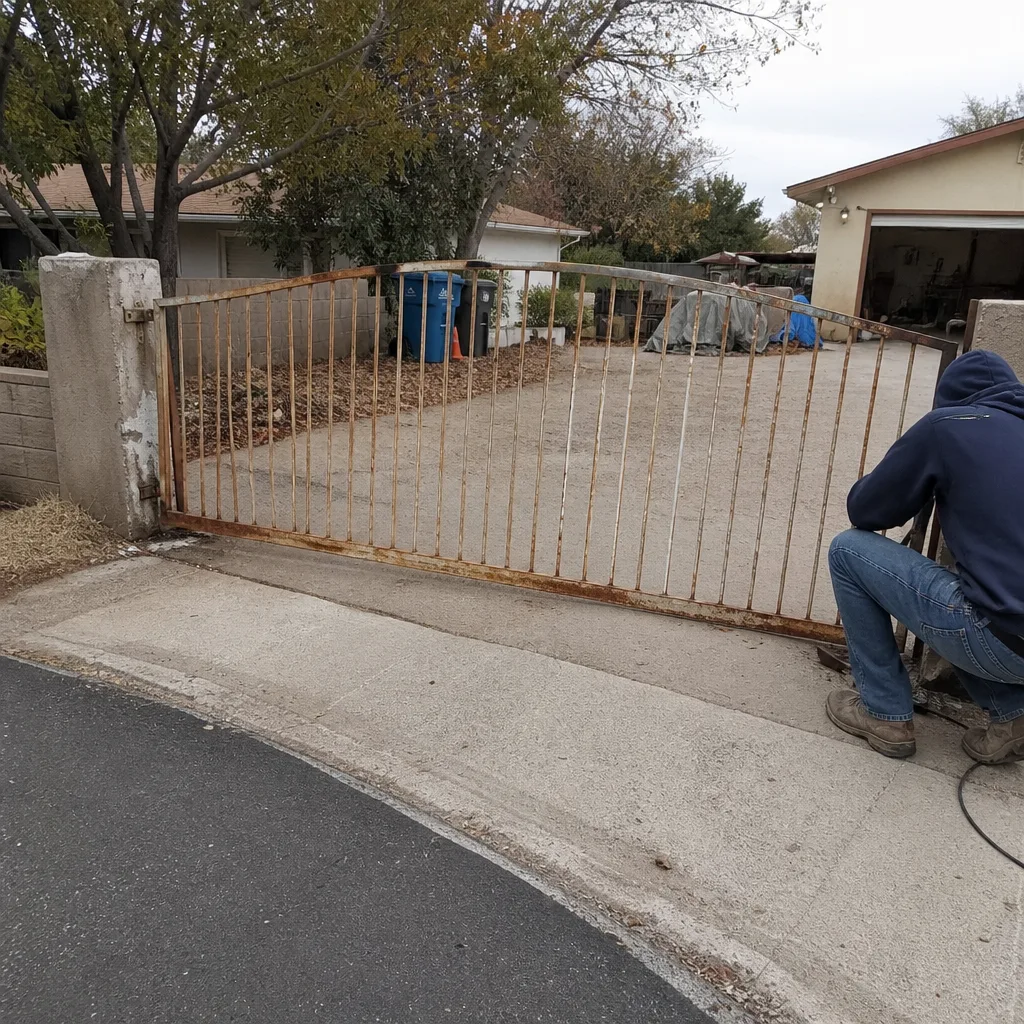
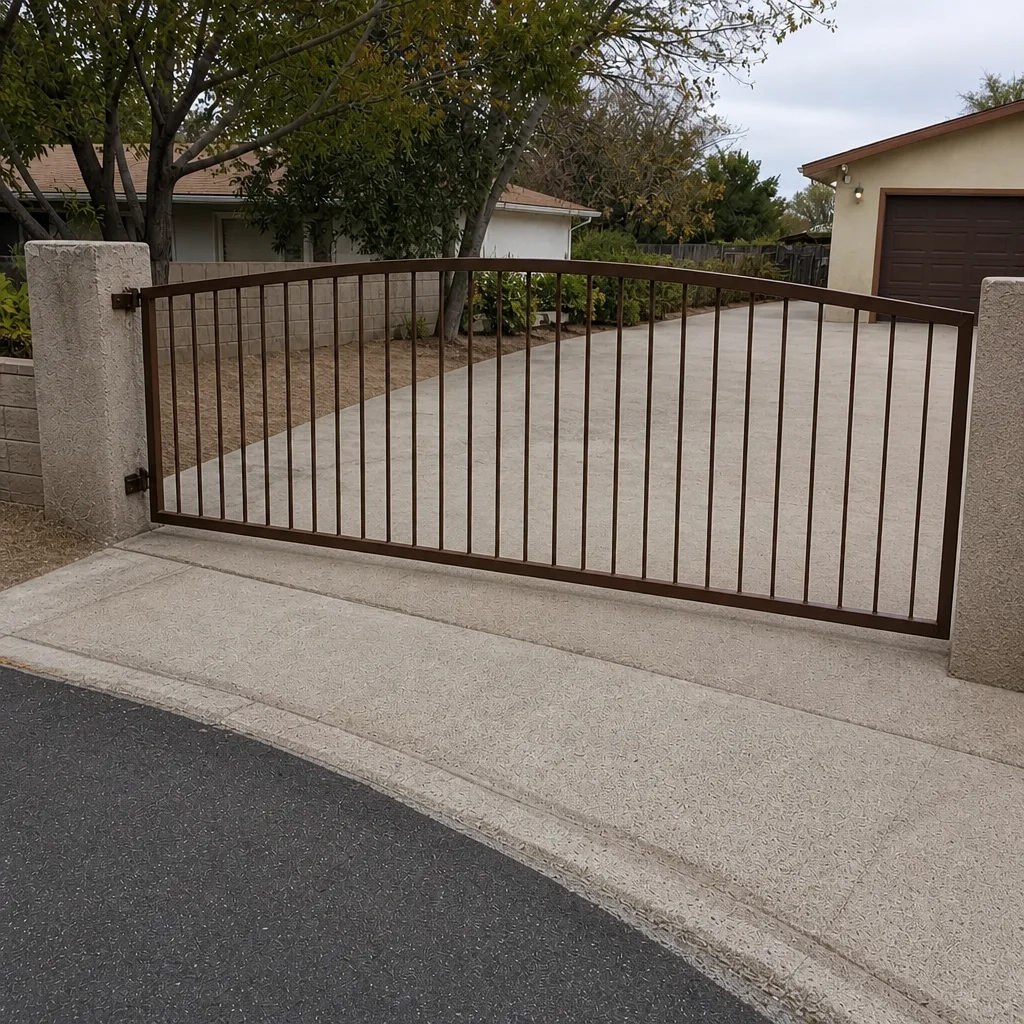
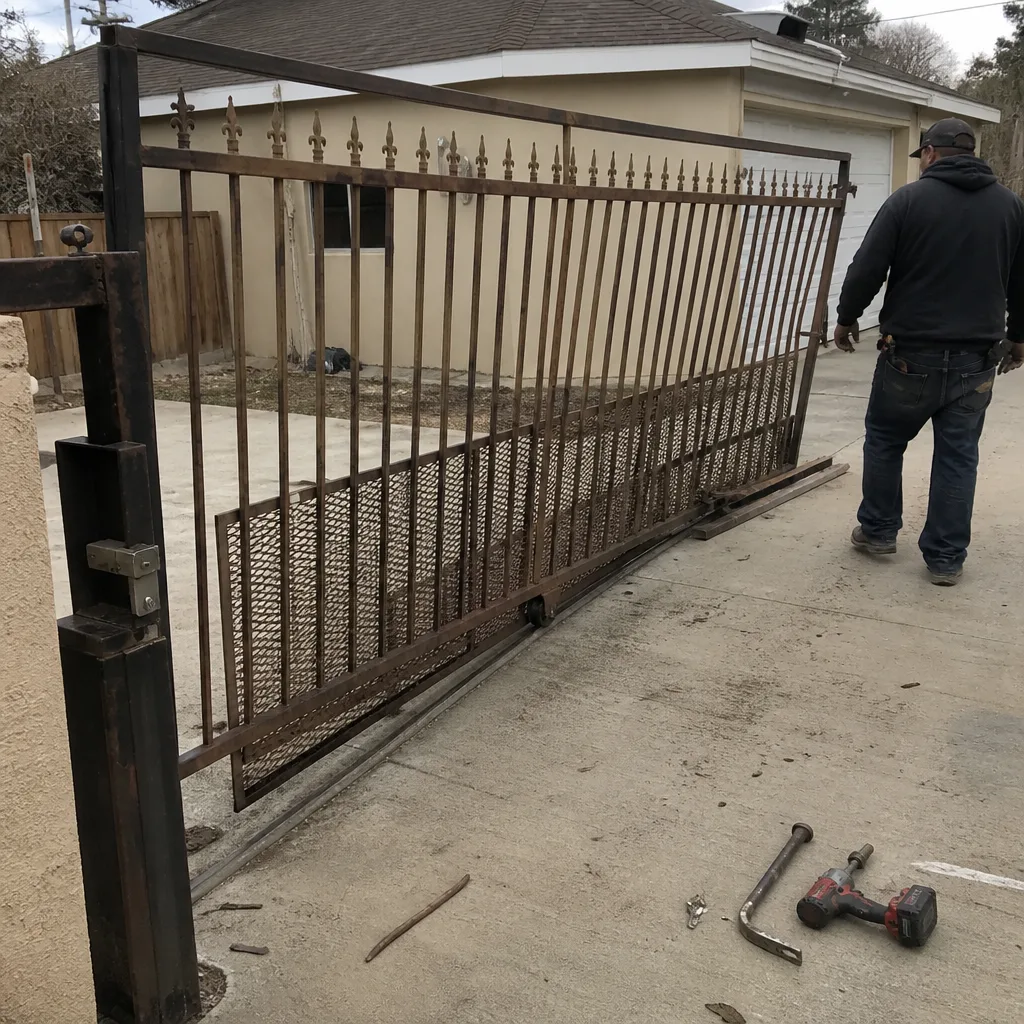
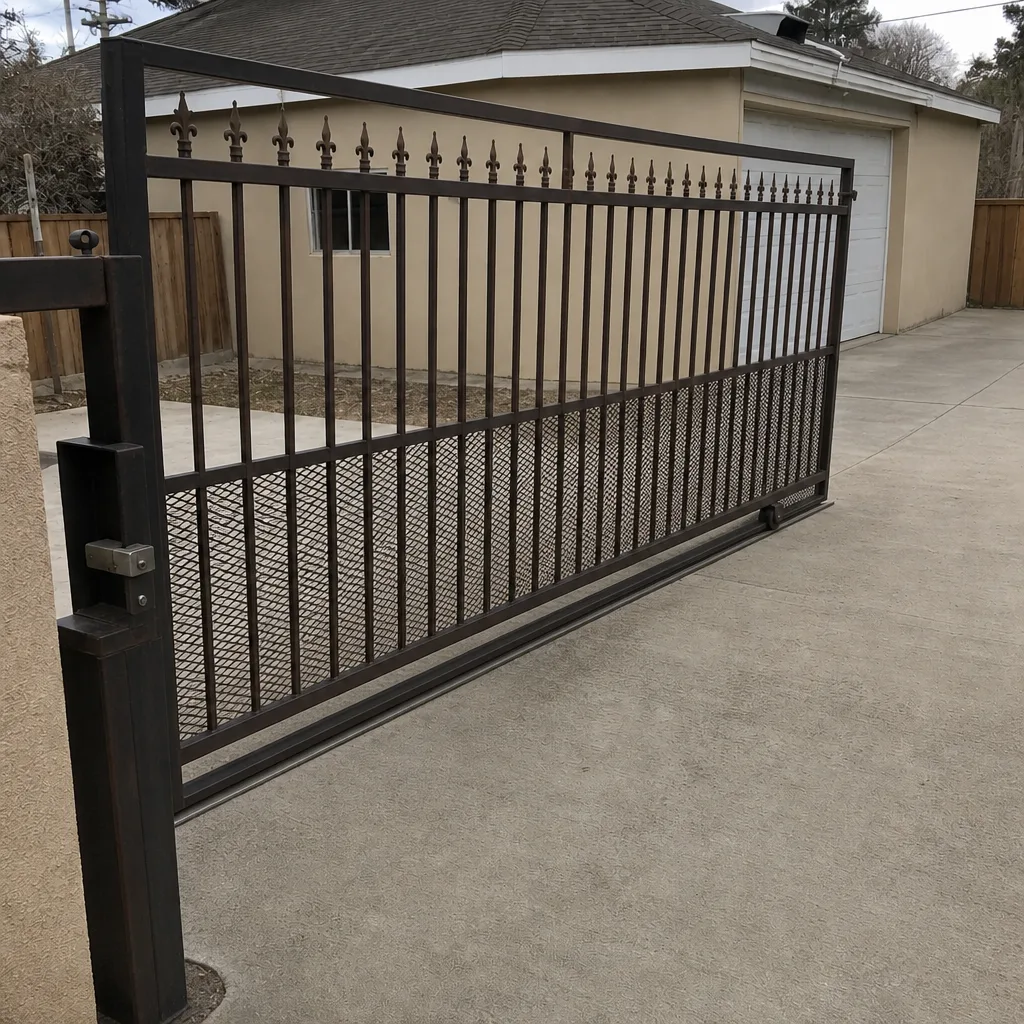
See the difference
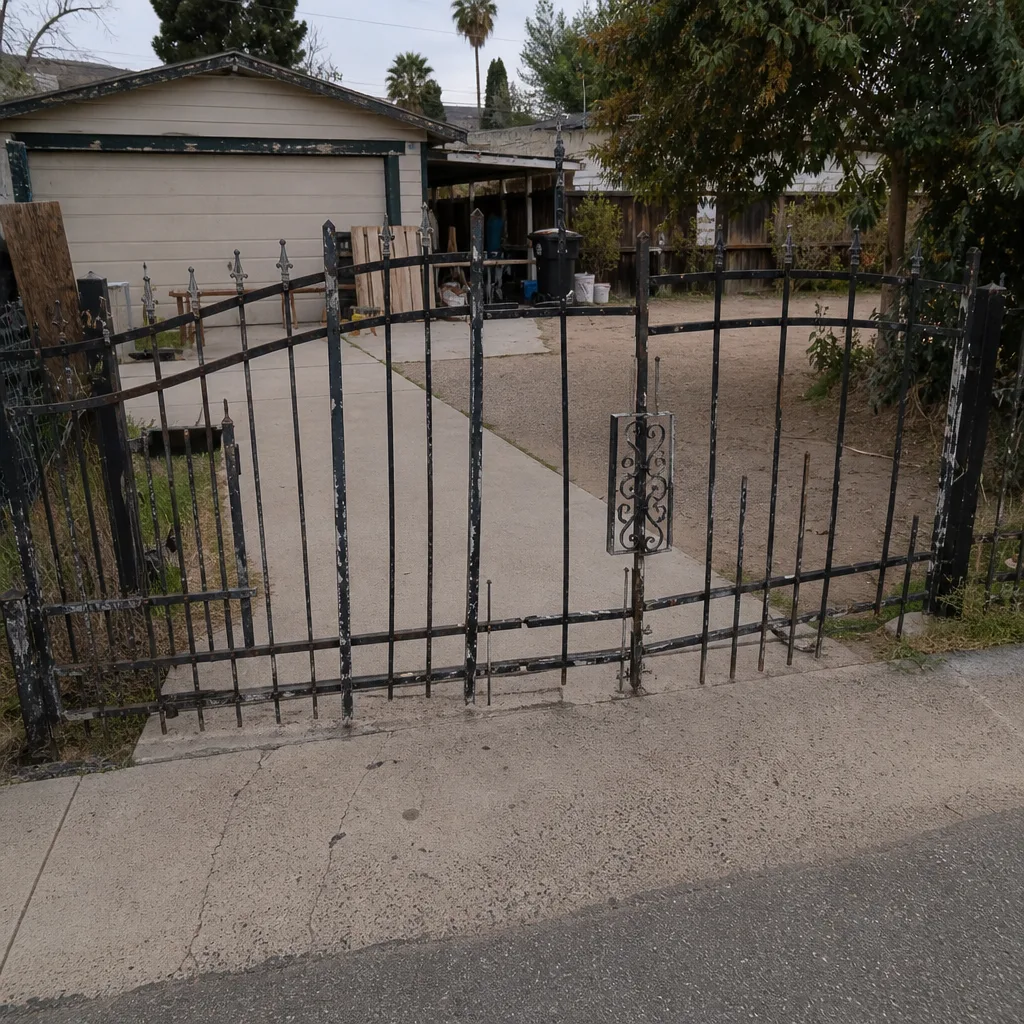 Before
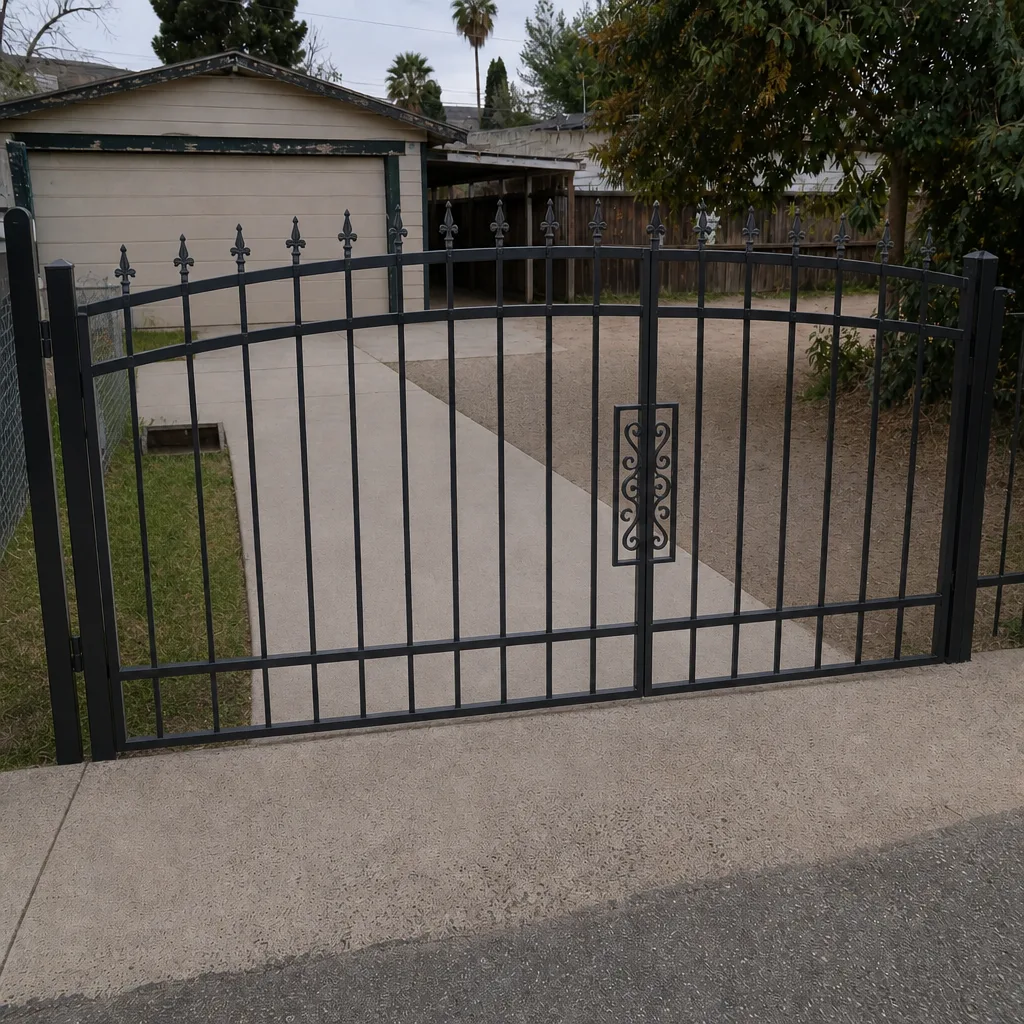 After
 Before
 After
 Before
 After