
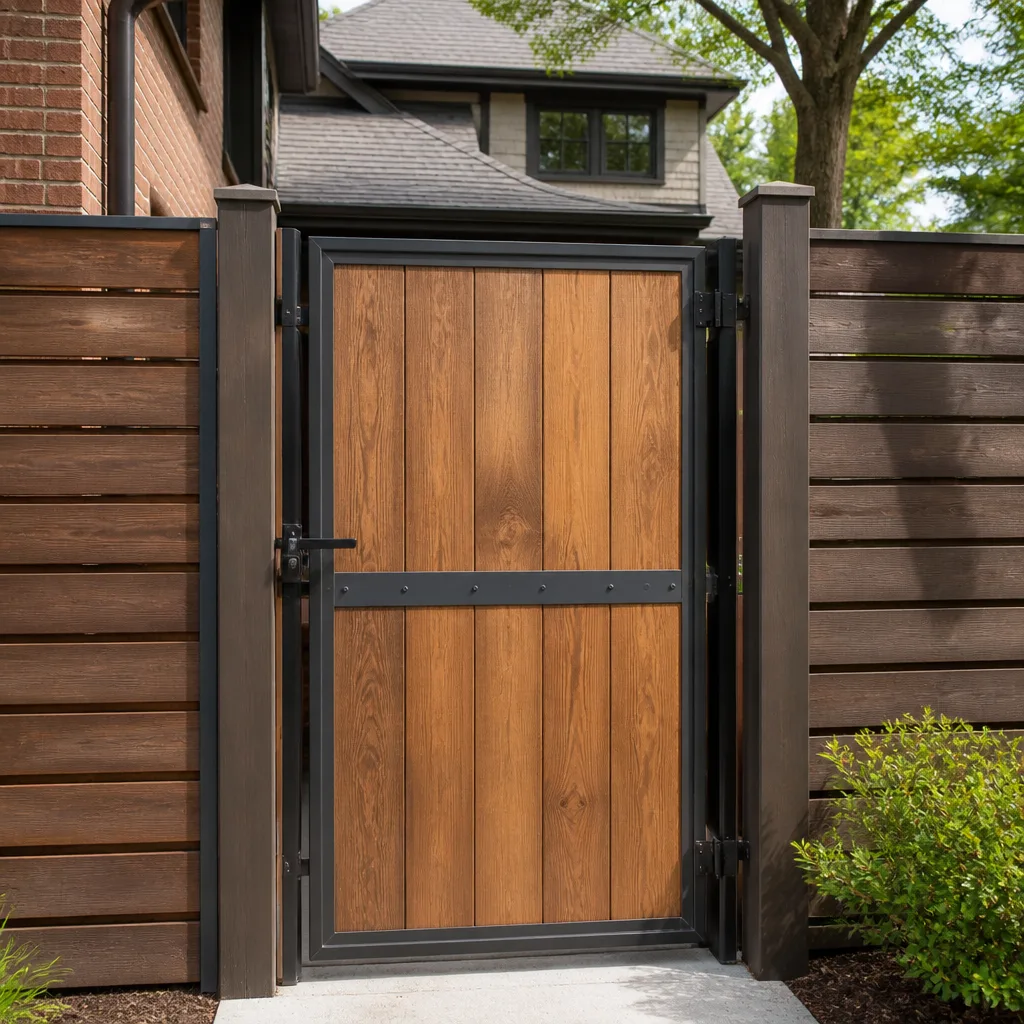
 Wood & steel frame
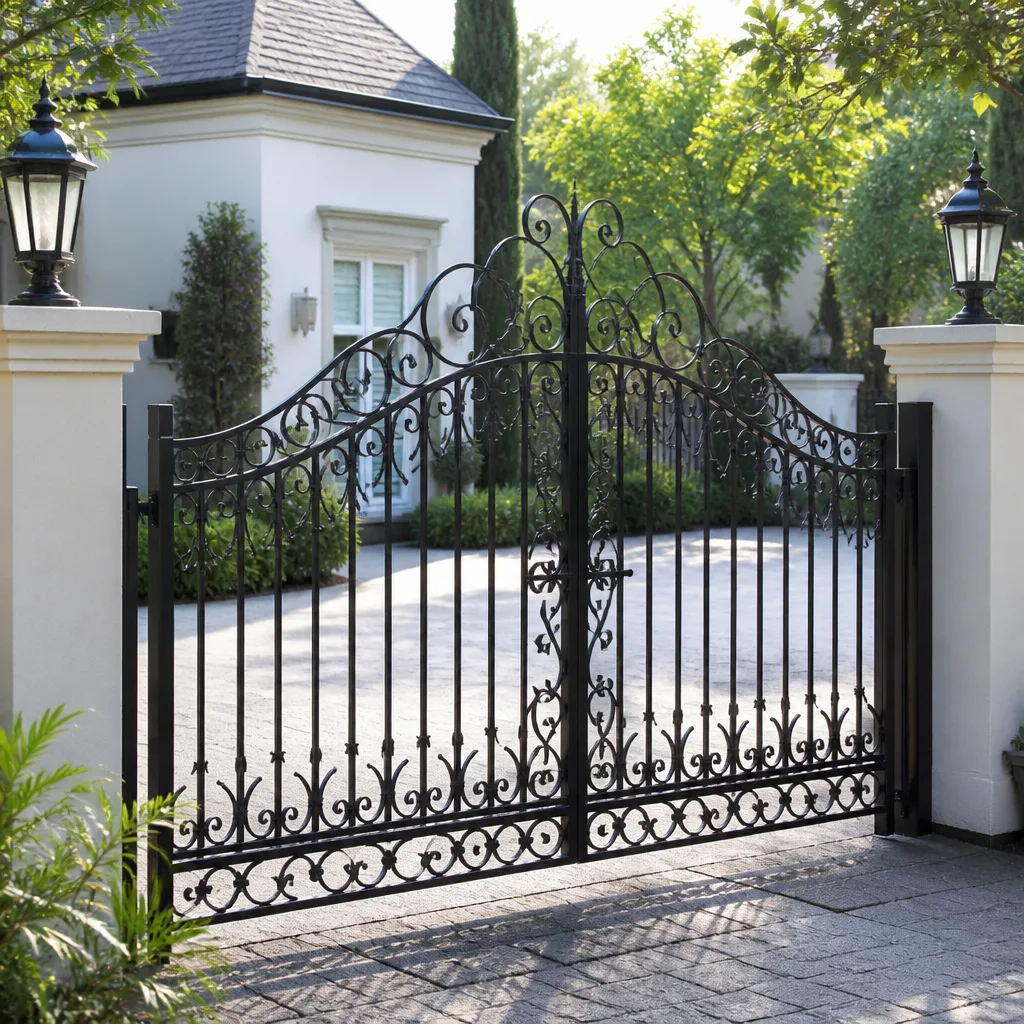 Wrought iron
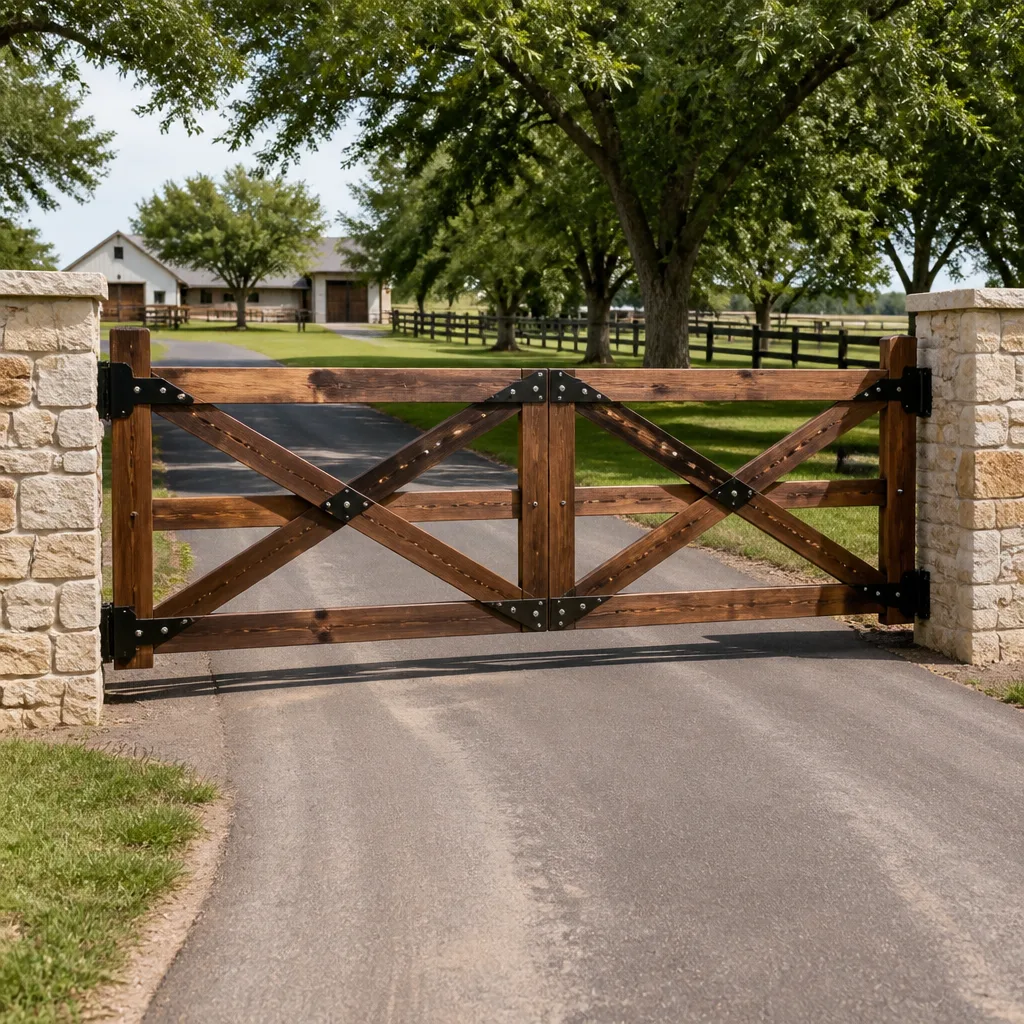 Farm & ranch
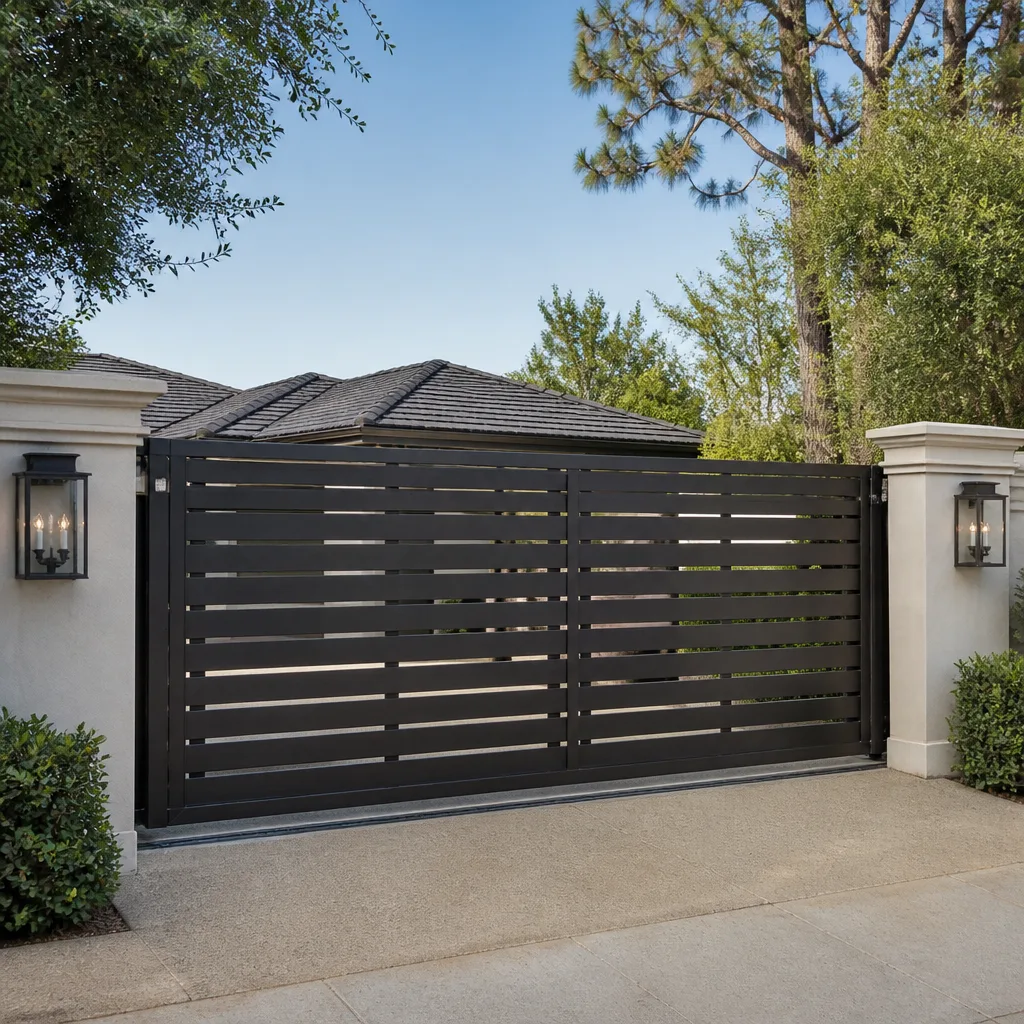 Sliding driveway gates
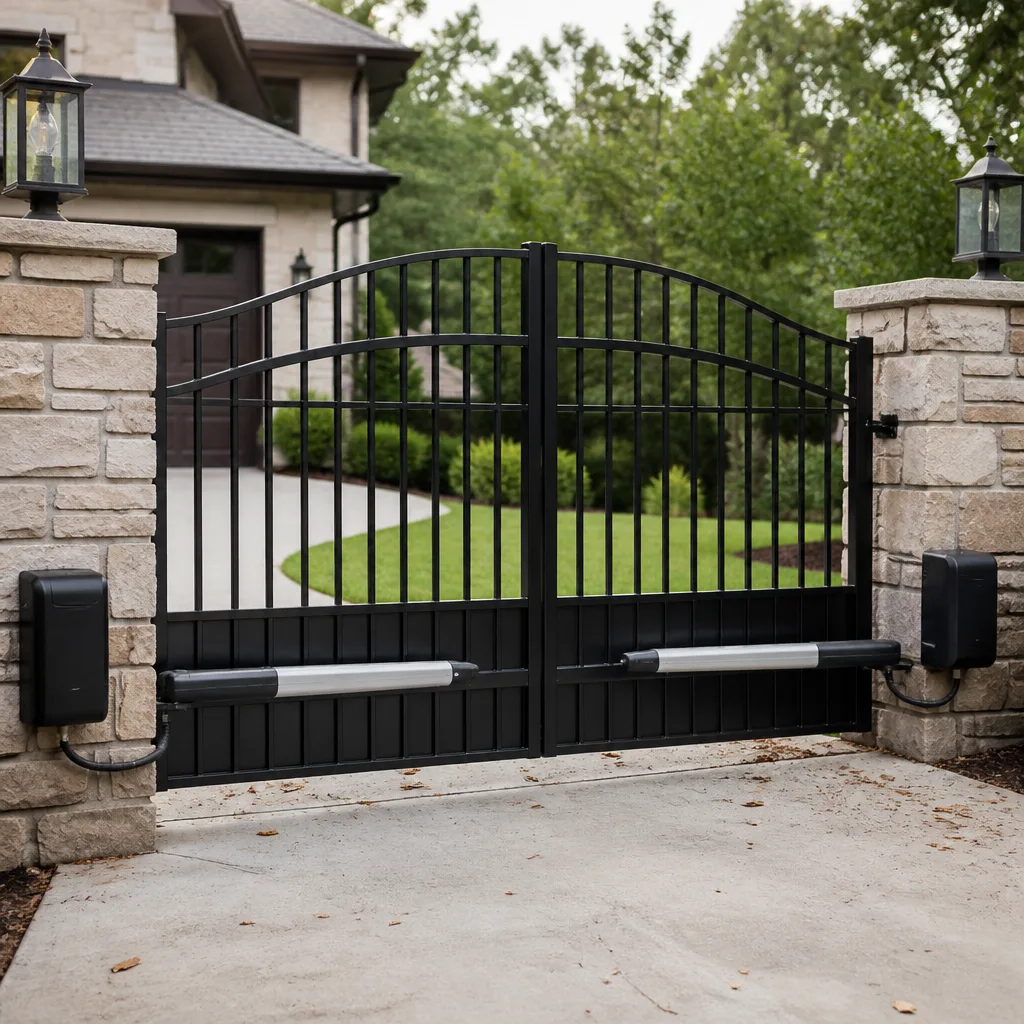 LiftMaster operators
Free on-site gate assessment - hinges, posts, and your LiftMaster or Nice gate operator checked before anything is quoted
The assessment is free and the quote is the invoice.
Get your free estimateStyles & brands we work with
- Wrought iron
- Wood & steel frame
- Farm & ranch
- Sliding driveway gates
- LiftMaster operators
See the difference
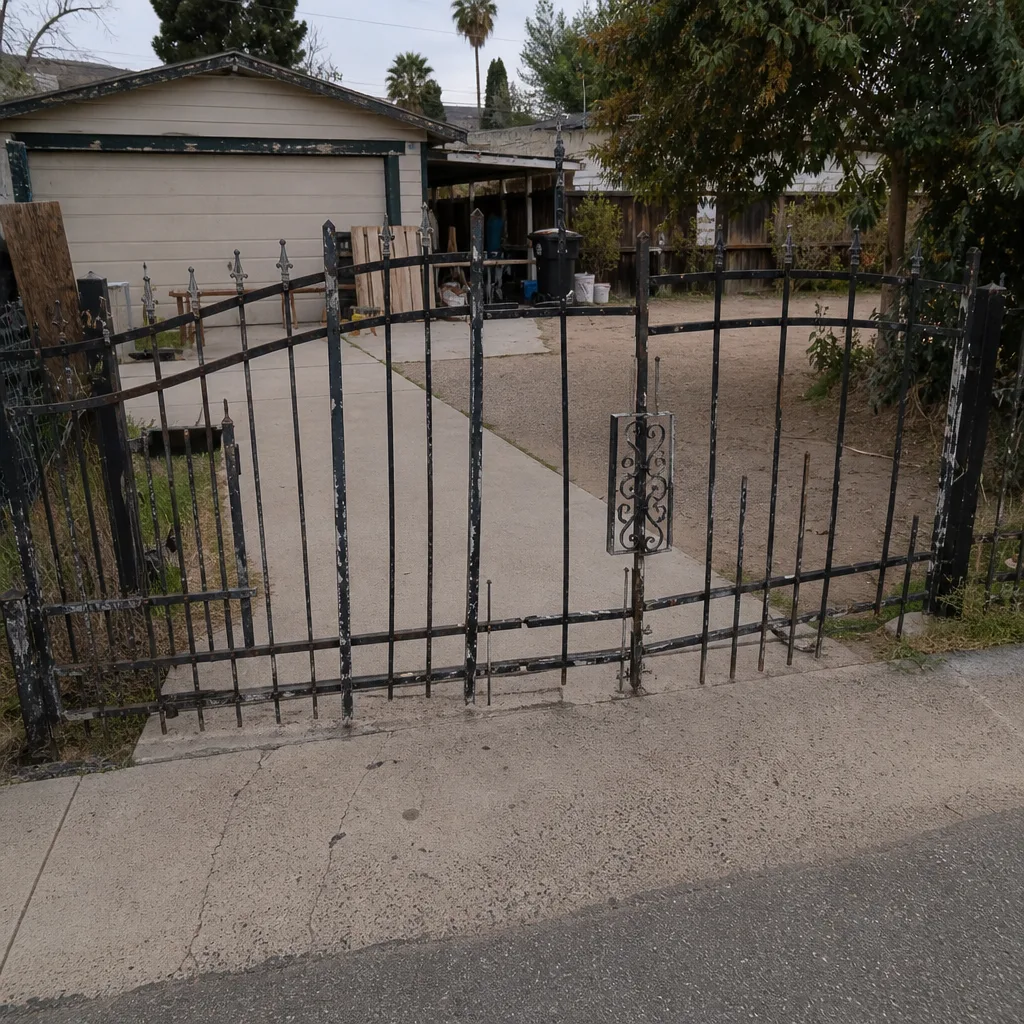 Before
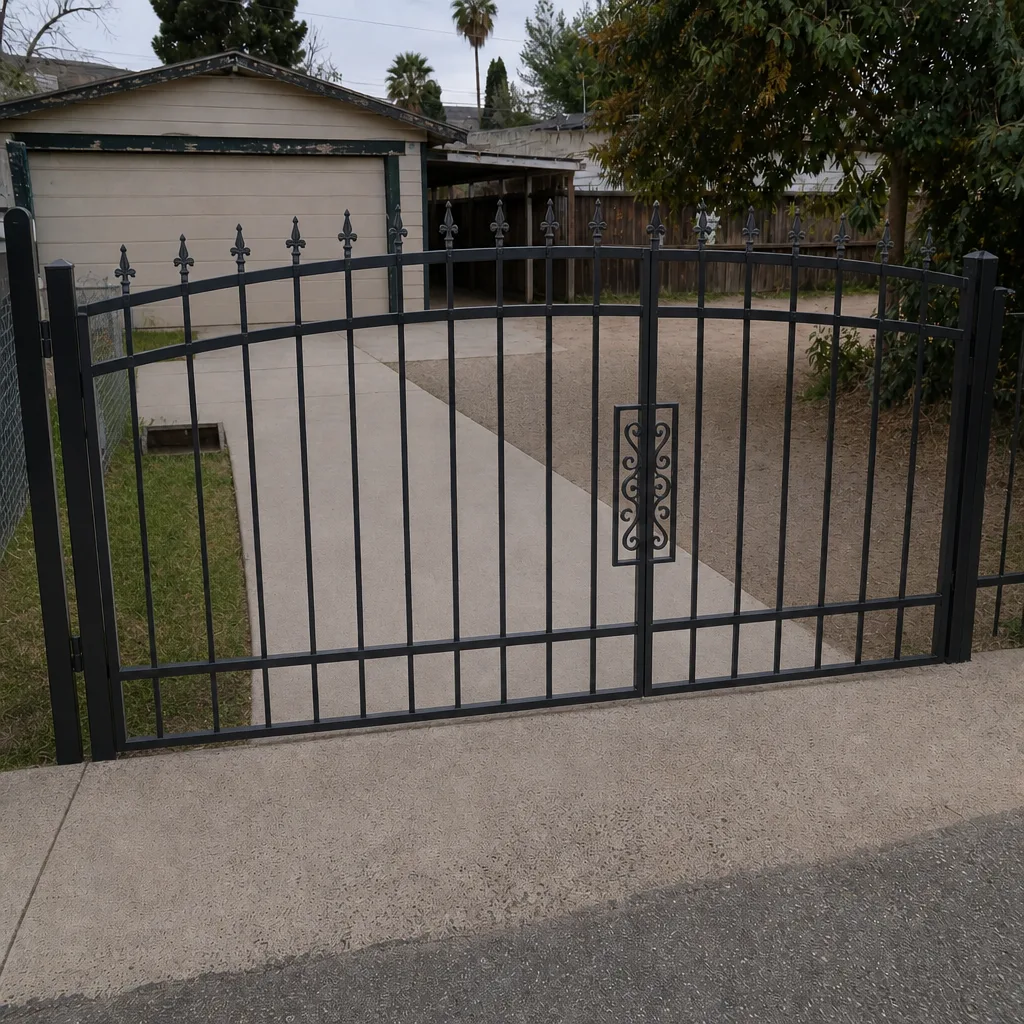 After
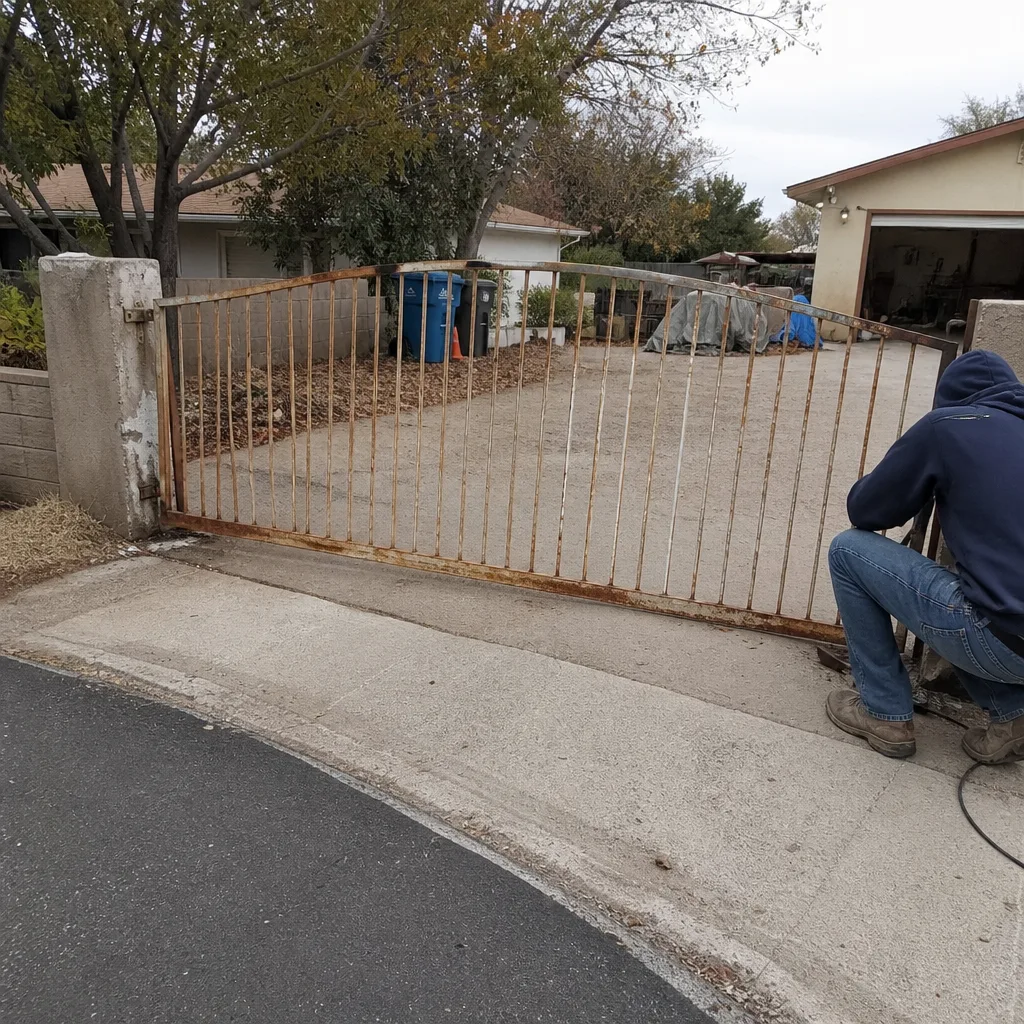 Before
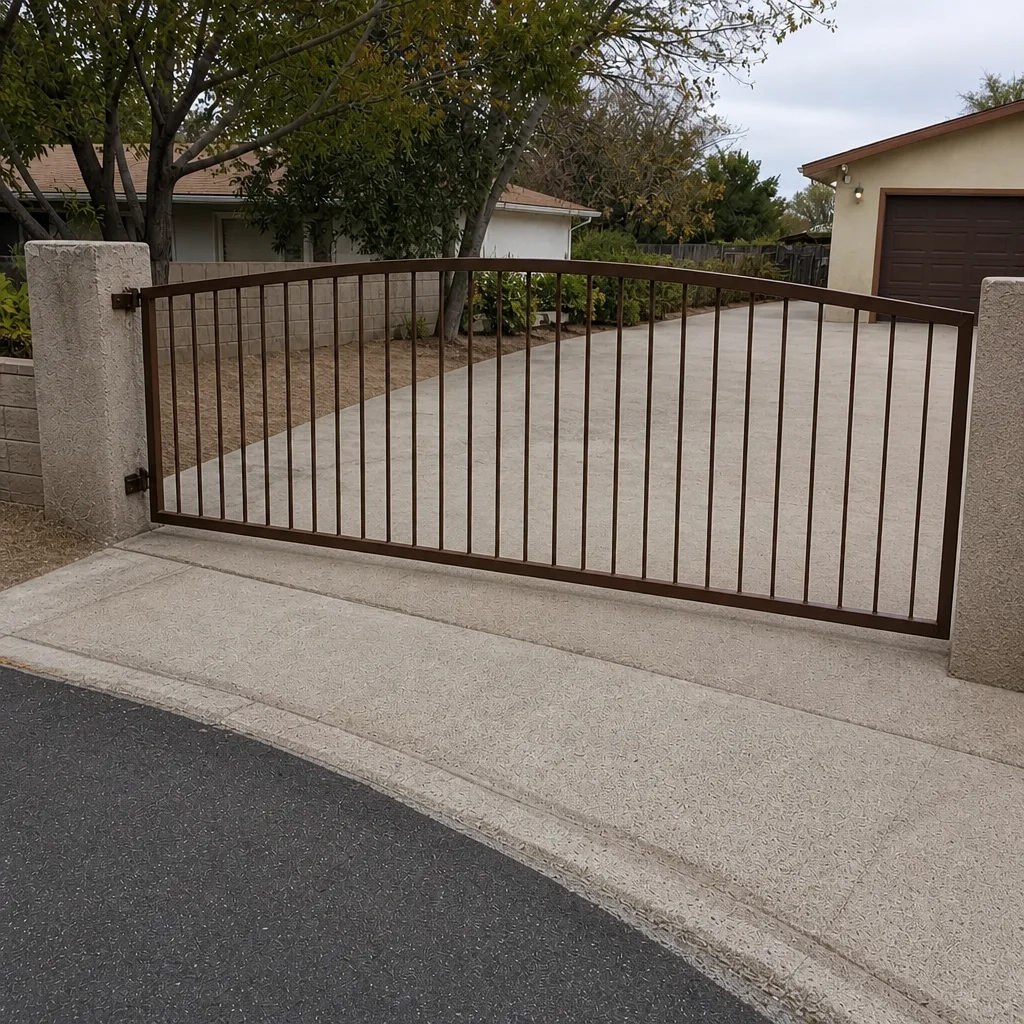 After
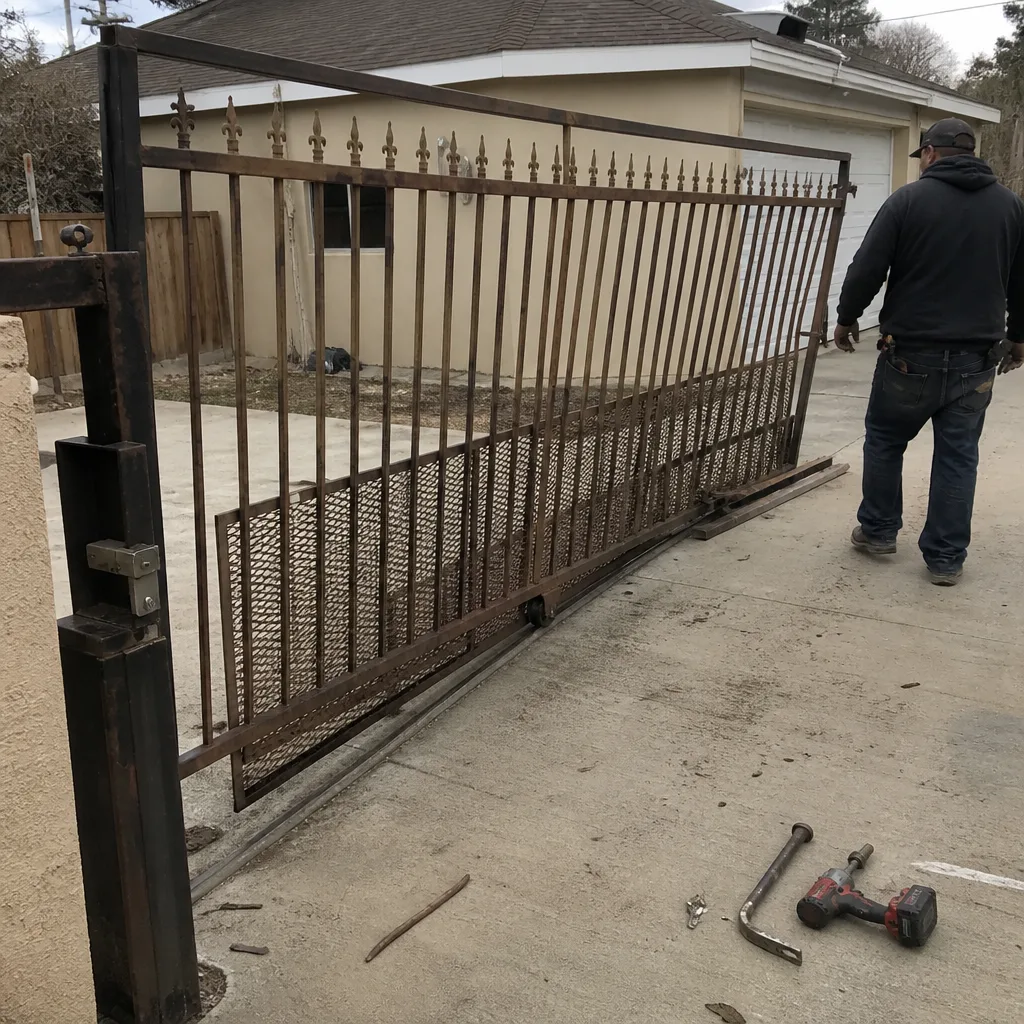 Before
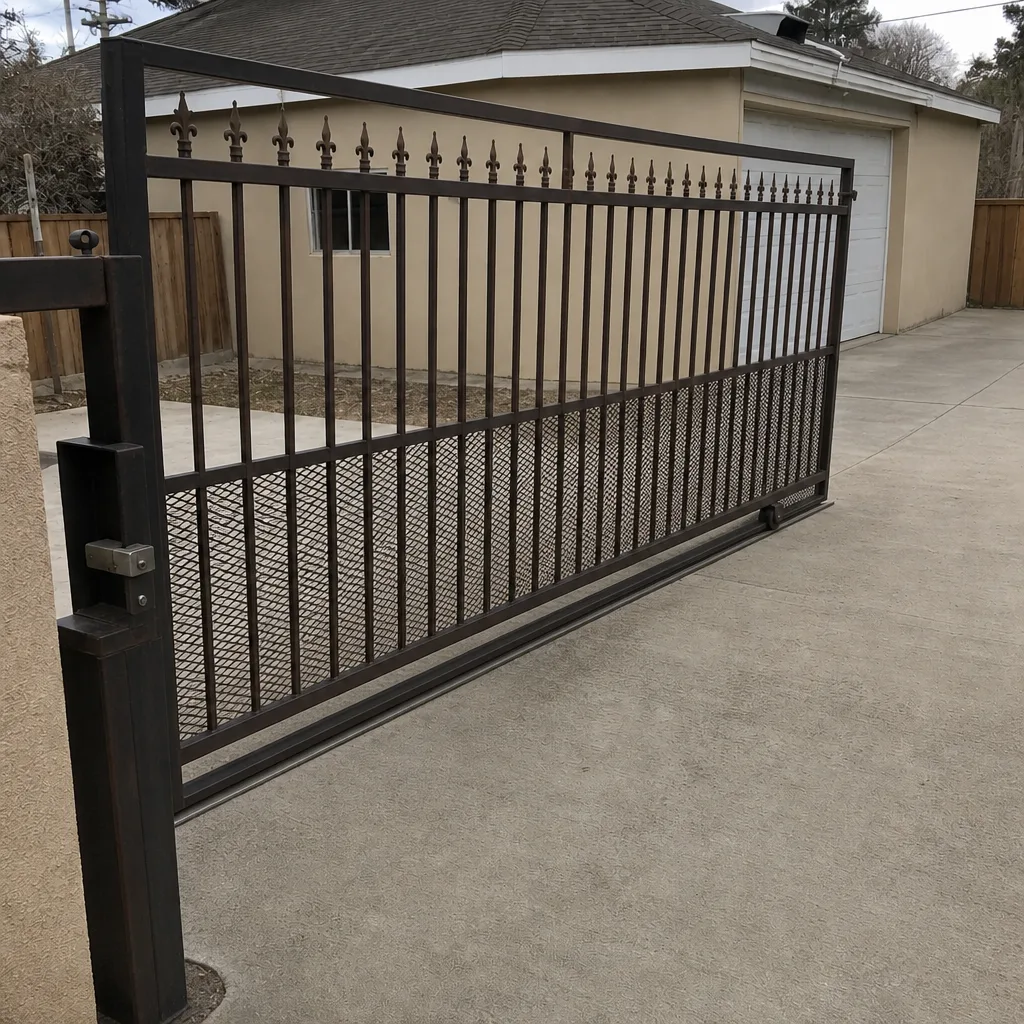 After
How Gate Access Control Systems Work in Paradise, NV (and What Breaks First Here)
A gate access control system works as a chain of five links: your credential (keypad code, fob, or phone app) sends a signal to the controller board, which trips a relay, which tells the gate operator to open, which moves the gate. When the credential is accepted, the whole chain works; when any one link fails, the gate stays shut. In Paradise, NV, that failure usually has less to do with the technology and everything to do with what our heat, traffic, and aging wiring do to the components.
If your keypad is mounted on a black powder-coated post along Flamingo Road, that surface can hit 180°F in July. Most entry-level keypads are rated to 140°F. That’s not a technology problem – that’s a Paradise problem, and it’s why we get calls every summer from people whose system worked fine until it didn’t. When you’re locked out or the arm won’t lift, call (888) 292-7536. A live person answers, day or night, and can often narrow the problem down before anyone rolls a truck.
The Chain, Link by Link – and the Component That Fails First in Paradise Heat
Most explainers draw access control as a neat diagram: keypad in, gate out. In Paradise, the diagram lies. Here’s what actually fails at each link when the temperature climbs past 110°F and the same gate cycles hundreds of times a day.
- Credential (keypad, fob, or app): Heat is the top killer here. Membrane keypads crack and warp, buttons stop registering, and LCD screens go blank. Look for a metal-housing keypad with a rated operating temperature above 150°F if you’re replacing one exposed to direct afternoon sun.
- Controller board: This is the component most likely to fail first in a Paradise summer. Heat-swollen boards throw false error codes, ghost-open the gate, or refuse a valid code entirely. Capacitors on older boards dry out and swell, and the board starts behaving like it’s possessed.
- Relay: The relay is the switch that actually fires the operator. Constant cycling on 24-hour commercial gates wears the contacts down until the signal stops reaching the operator. A relay that clicks but doesn’t trigger is usually just worn out, not a board failure.
- Gate operator (motor): Actuators on aging residential gates draw more current as they age, and that strain shows up as overheating or tripping a breaker. The operator is doing its job; the circuit behind it usually isn’t.
- Gate itself: Sun-baked wrought-iron bends and sags, and a gate that’s out of square drags on the operator and overloads it. Fix the panel without the post and you’ll fix it twice.
That’s why we start with what breaks first. The credential and the controller board are the two links that fail most on Paradise gates, and both are cheap and fast to check. The person who shows up should test the credential, meter the board, and watch the gate cycle before quoting anything. Show me the gate closing on its own and I’ll show you where it’s failing.
Why Paradise Wiring Is Different – and Why a Casino Gate and a Motel Gate on the Same Block Behave Differently
Paradise is a built-up unincorporated urban strip, not a master-planned suburb. Gate repair here happens on mixed commercial-residential frontage along Las Vegas Blvd, Flamingo, and Tropicana – everything from casino service gates to iron pedestrian gates on mid-century motels. That mix means access control systems on the same block often run on three very different electrical realities.
Casino service gates cycle hundreds of times a day and draw real current. Motel pedestrian gates were wired decades ago on undersized circuits that weren’t designed for modern actuators. Residential driveways on the older blocks just east of the Strip still run on the original wrought-iron gate and whatever wiring the last remodel left behind. When someone upgrades a keypad or swaps in a newer LiftMaster or FAAC operator without checking the circuit behind it, the system works for a while and then starts tripping breakers or cooking boards. We see it constantly.
Our technicians have up to 25 years of experience, and we’re certified to service nine major gate brands, including LiftMaster, FAAC, Elite, and Mighty Mule. That matters here because the fix isn’t always the part the customer thinks is broken. Sometimes the answer is a new relay, sometimes it’s a properly sized circuit, and sometimes it’s a controller board that heat-fatigued years before anyone noticed.
What to Look For in an Access Control System Before It Locks You Out
The two failure modes that dominate our Paradise service calls are heat-swollen circuit boards that throw false error codes and grit-packed loop detectors buried in blacktop. Both give you warning signs. Here’s what to check before a 2 a.m. lockout.
| What to look for | What it usually means | Typical Paradise repair range |
|---|---|---|
| Keypad accepts code but gate won’t move | Relay or operator signal failure | $150-$300 |
| Gate opens on its own or throws error codes | Heat-stressed controller board | $200-$450 |
| Vehicle loop only detects sometimes | Loop detector buried in expanding blacktop | $250-$600 |
| Keypad buttons stick or screen goes blank | Heat-warped credential unit | $150-$350 |
| Gate drags or reverses mid-cycle | Sagging gate or heat-fatigued hinge post | $200-$500 |
Loop detectors deserve their own note. They’re buried in blacktop that expands in summer heat, and the wire coils lose sensitivity as the asphalt cracks and shifts. A loop that only catches your truck half the time isn’t a wiring problem inside the housing – it’s the ground itself moving under the sensor. Testing a loop means metering resistance and checking the sealant around the cut, not just wiggling the wires.
If you need the full picture on the equipment side, our Gate Access Control in Paradise page covers the credential options and install considerations.
How Does a Faulty Access Control System Get Diagnosed?
Diagnosis starts with a live conversation, not a truck. A real person answers our phone around the clock, and Hal can usually narrow a control system failure to a single component in a five-minute call by asking three questions: does the keypad light up, does the relay click, and does the gate move at all when it does. That’s the part no chatbot can do. From there, the on-site check follows a simple sequence:
- Test the credential first. Push a known-good code and watch whether the keypad acknowledges. No acknowledgment means the credential is dead, not the board.
- Listen to the relay. A click that doesn’t fire the operator tells you the board is talking but the switch is worn.
- Meter the controller board. Check supply voltage and look for swollen capacitors or burn marks. Heat fatigue shows up physically before it shows up electrically.
- Cycle the gate manually. A gate that drags or reverses is an operator or mechanical problem, not an access control problem.
- Test the loop. Meter resistance at the detector and check the blacktop around the saw cut for movement.
No-hassle upfront pricing is a core promise, so the quote you get on the phone matches the one at the door. We also offer a free second opinion on any written estimate, and there’s no trip charge inside the county. If the fix is a single relay, that’s what gets replaced – not a whole controller board that didn’t need swapping.
Does Repairing an Access Control System Trigger Nevada Pool-Gate Code?
It can, and no generic explainer will tell you that. If the property has a pool and the access control repair touches the gate operator itself, the gate has to satisfy Nevada’s child-safety self-closing and self-latching requirements. On the older residential blocks just east of the Strip, where original wrought-iron gates have sun-baked, brittle welds, repair calls frequently involve both re-welding heat-fatigued iron and re-setting safety hinges for code compliance. The same gate that just needed a new keypad can turn into a code-compliance job once the operator comes off. Better to know that before the work starts than after.
FAQs
A gate access control system works when a credential sends a signal to the controller board, the board trips a relay, the relay triggers the operator, and the operator moves the gate. Every step has to succeed for the gate to open. In Paradise, the two steps that fail most are the credential (heat-warped keypads) and the controller board (heat-swollen circuits throwing false error codes). Call (888) 292-7536 for a free phone diagnosis.
Afternoon failures almost always point to heat. A keypad mounted on a black metal post in direct sun in Paradise can see surface temps near 180°F in July, and most entry-level units are only rated to 140°F. The unit works in the cool morning, then its screen goes blank or buttons stop registering once the post bakes. A metal-housing keypad rated for higher heat solves it. Call us for an exact quote – estimates are free.
A loop detector is a wire coil buried in the driveway that senses a vehicle and tells the system to open. When it fails intermittently, the coil is usually losing sensitivity because the blacktop above it is expanding and cracking in summer heat. Testing it means metering resistance at the detector and checking the sealant around the cut, not swapping parts. The repair typically runs $250-$600 in Paradise. Call (888) 292-7536 to schedule a check.
Not safely, and not usually. Controller boards carry live voltage, and a misdiagnosed board swap can fry a new part and cost more than the original repair. The gate operator, springs, and electrical circuits are genuinely dangerous to work on without training. A phone call to a live person can save you the guesswork: we answer around the clock, and we can usually tell you within five minutes whether it’s a credential, a board, a relay, or the gate itself.
Get It Looked At
If you’d rather have it looked at, Gatewood Fence & Gate Paradise offers a no-pressure assessment in Paradise – call (888) 292-7536. We answer around the clock, quote upfront, and back every job with the 90-Day Done Right Promise. Our home page has the full rundown of what we do.
Written by the team at Gatewood Fence & Gate Paradise, serving Paradise, NV.